Handing the Questions Back to Us: A Non-Spoiler Review of Steven Spielberg’s 'Disclosure Day'
One of the scariest parts of an alien disclosure narrative isn’t the extraterrestrials themselves. It’s a much more grounded, paranoid question: What if the real fear is who controls the proof?
In Disclosure Day (2026), Steven Spielberg returns to the genre of first contact, delivering a film that is a beautiful, deeply compelling, yet distinctly uneven mess. Co-written by David Koepp from a story by Spielberg, this 145-minute sci-fi mystery thriller from Universal Pictures and Amblin Entertainment doesn't spend its time lingering on the philosophical afternoon after humanity learns it isn't alone. Instead, it locks us into the frantic, breathless final hours right before the dam breaks and the truth escapes.
The Setup: A High-Stakes Chase
The narrative engine is structured less like a serene cosmic awakening and more like a propulsive chase thriller. We follow two intersecting paths:
Daniel Kellner (Josh O'Connor): A cybersecurity expert carrying the massive burden of stolen files from a shadowy private organization known as Vortex—evidence that could permanently change the course of human history.
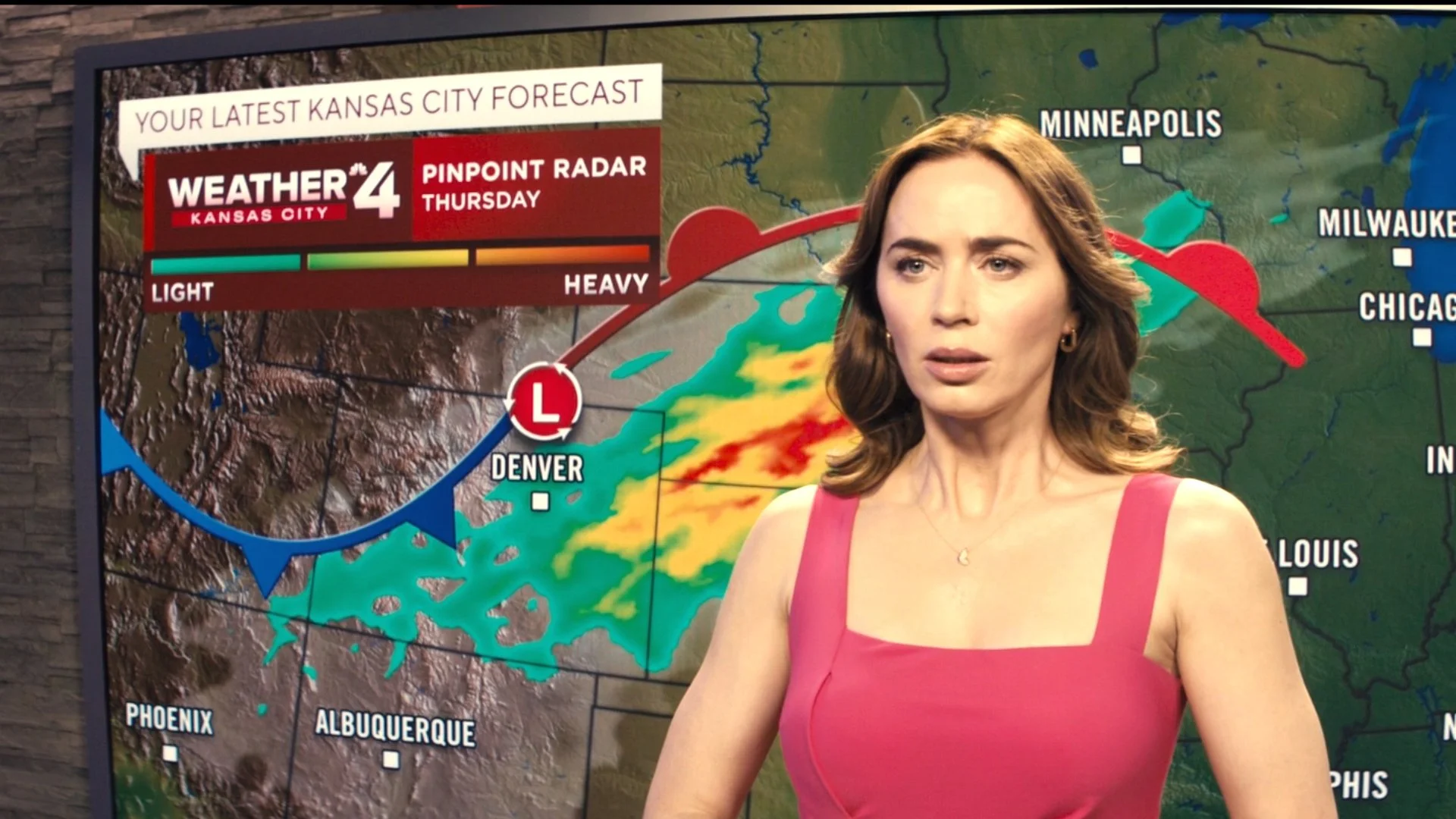
Margaret Fairchild (Emily Blunt): A Kansas City meteorologist whose life is completely upended following a bizarre, highly public, on-air incident during a live broadcast.
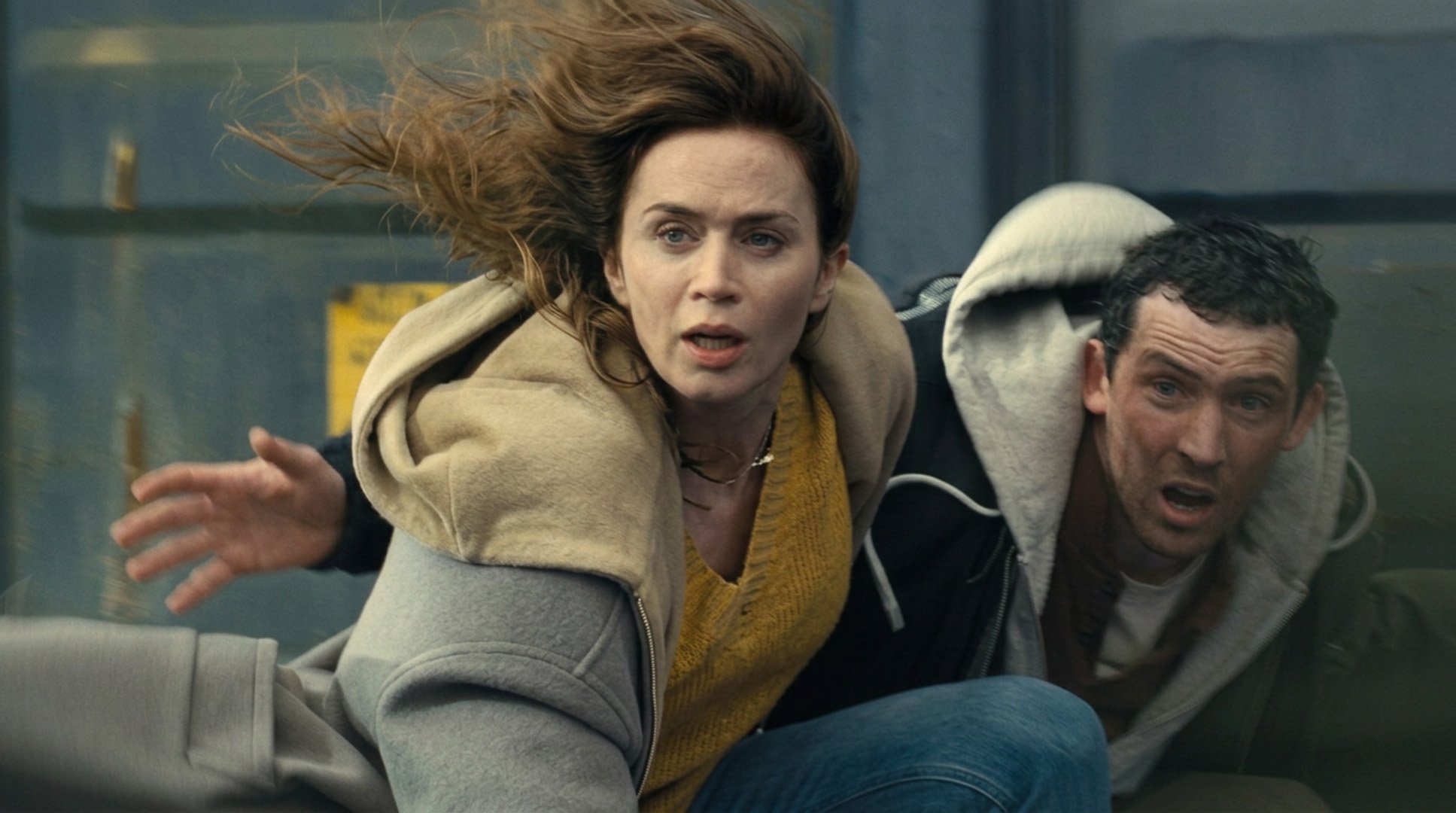
As their trajectories pull closer together, hidden forces operate in the background to keep the truth from coming out, maintaining an escalating tension that allows Spielberg to draw on multiple eras of his legendary career at once.
The Performances: Blunt Soars, O'Connor Grounds
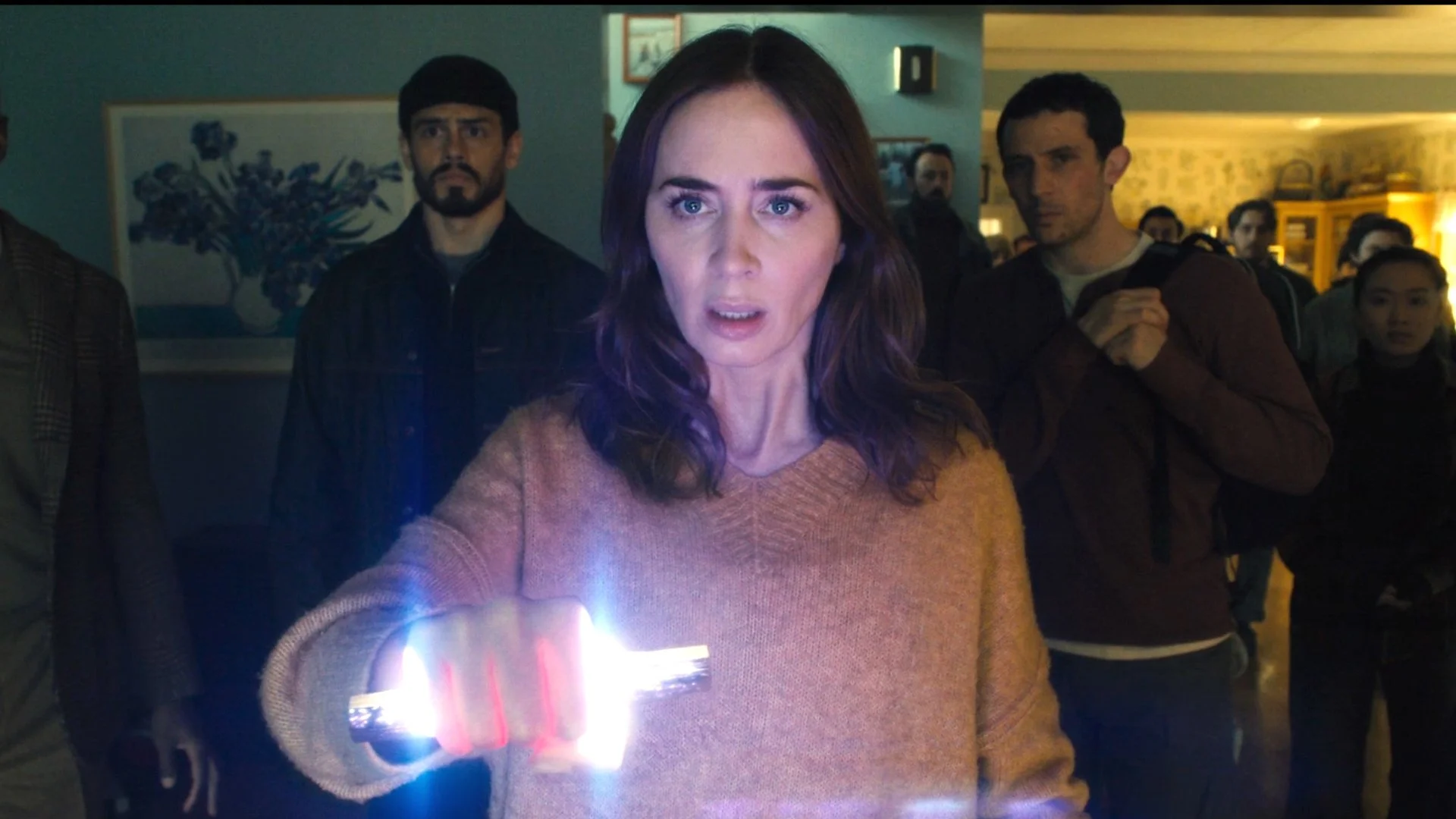
If there is a definitive reason to buy a ticket for Disclosure Day, it is Emily Blunt. Playing Margaret with a brilliant sense of "controlled chaos," Blunt balances laugh-out-loud humor, absolute terror, and a sense of profound transformation from one frame to the next. An early live broadcast sequence showcases her immense talent, and the inevitable Oscar conversation heading her way is entirely justified. She stands squarely in the middle of all the noise, acting as the human signal.
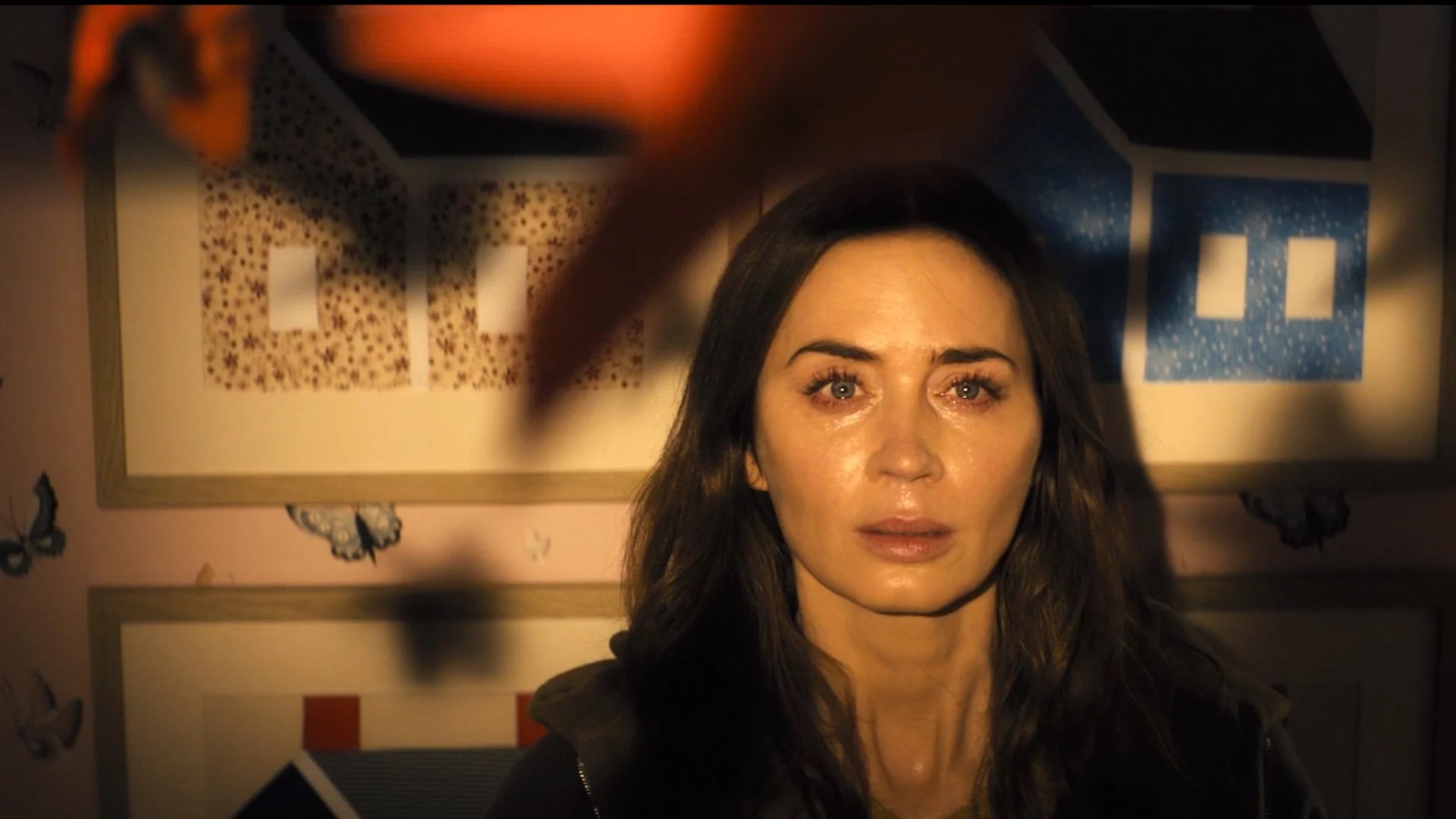
Opposite her, Josh O'Connor brings a fascinating, nervous, internal quality to Daniel. He subverts the classic, muscular blockbuster lead; you can actively see the wheels spinning behind his eyes before he speaks. He plays Daniel not as a flawless hero but as a fragile, arrogant, and deeply wounded guy carrying the literal math and weight of the universe.
The supporting cast is equally stellar. Eve Hewson brings incredible current momentum to her role as Jane, perfectly capturing the energy of an indie darling stepping confidently into a massive studio spotlight. Meanwhile, Colin Firth delivers a chilling performance by working from the opposite direction of a typical sci-fi villain. He doesn't look monstrous; he looks highly respectable, making his cold authority feel infinitely more dangerous. Finally, Colman Domingo brings a warm, necessary human grounding to the film as Hugo. Domingo's extensive genre background lends him an instant apocalypse-survival credibility that centers the film whenever the spectacle threatens to take over.
The Craft: Masterful Movement and Nostalgic Score
At 78 years old, Spielberg proves he can still direct kinetic movement better than almost anyone in the business. A standout sequence involving a car and a train is staged with fluid, terrifying control, recalling the nail-biting flavor of the classic chase scenes from Raiders of the Lost Ark. Visually, the film features clean compositions and incredibly smart transitions that naturally build tension without relying on chaotic over-cutting.
Adding to that classic cinematic texture is John Williams, marking his milestone 30th collaboration with Spielberg. While the film may lack a singular, hummable "Disclosure Day theme song," Williams provides an gorgeous emotional spine for the movie. There are long stretches where the music is simply allowed to breathe, instantly tapping into a sense of wonder and cosmic unease that feels reminiscent of Close Encounters of the Third Kind.
The Flaws: Rough CGI and Loose Rules
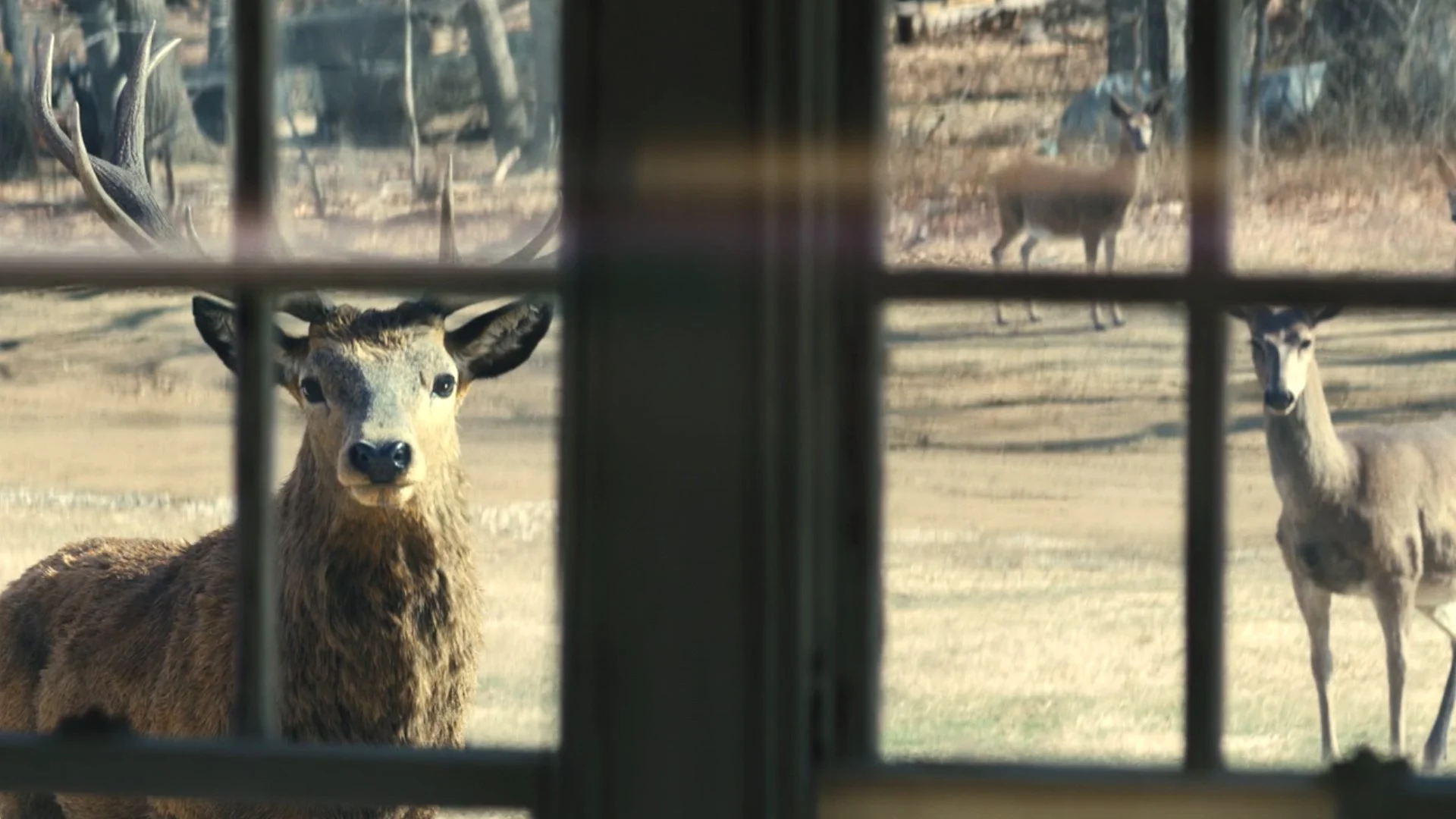
However, Disclosure Day stumbles in ways that keep it from reaching instant-classic status. For a $200 million Spielberg blockbuster, the digital effects are shockingly rough in places. Specifically, CGI animals—including a cardinal and a deer—look drastically behind the curve, a contrast that feels incredibly glaring when you remember this is the filmmaker who gave us the masterful effects of Jurassic Park over thirty years ago.
Pacing is also a noticeable issue. While a slow burn is usually welcome in speculative fiction, this 2.5-hour runtime severely drags during its middle stretch. The chase structure begins to circle rather than escalate, leaving the audience waiting a bit too long for the next major narrative leap.
Furthermore, the script introduces a few pieces of alien technology early on that ultimately morph into loose, "Swiss Army Knife" solutions whenever characters find themselves backed into a corner. Because the rules governing these gadgets feel so malleable, it undercuts the script's stakes, making it feel like the tech is doing the heavy narrative lifting rather than the characters themselves. This isn't helped by the antagonists, who are written as highly capable but routinely miss obvious clues right in front of them, trading genuine threat for viewer frustration.
The Verdict
Where Disclosure Day will most heavily divide audiences is its philosophy. Spielberg constantly teases massive, civilization-level questions regarding faith, geopolitics, and human purpose, only to let them fade into the background in favor of a tight, action-thriller payoff.
But perhaps that’s the entire point. This isn't a film designed to hand us a clean, comforting roadmap for what humanity should do next. It’s a movie that asks whether we are genuinely ready to listen—not just to the stars, but to evidence, to truths that shatter our worldviews, and to each other.
Disclosure Day is uneven, messy, and occasionally frustrating, but it is also deeply fascinating. It isn't Close Encounters, it isn't E.T., and it is definitely not War of the Worlds. It’s something entirely its own: a film where Spielberg chooses not to answer the big questions for us, but instead comfortably hands them right back to the audience.
ACRM Rating: 4 out of 5 Stars
Disclosure Day - 4/5 Stars
(Note: There is no mid-credits or post-credits scene, so you are free to head out as soon as the final frame cuts to black!)
What did you think of the ending? Did the philosophical ambiguity work for you, or did you want a cleaner resolution? Let’s talk about it in the comments below—keep it spoiler-light for now, as my full spoiler breakdown will be dropping very soon!
