Movie Review: Why Project Hail Mary is the Evolution of Sci-Fi
We’ve seen the "lonely astronaut" trope before. We’ve watched Mark Watney science his way out of a Martian greenhouse and Ryan Stone white-knuckle her way back to Earth. For a decade, sci-fi has been obsessed with the gritty, solo survival narrative—a masterclass in human stubbornness against an indifferent void.
But Project Hail Mary, directed by Phil Lord and Christopher Miller, feels like a profound pivot. It takes the foundation of survival and asks: What happens after you've secured your oxygen? The result is a shift from Survival Sci-Fi to something much rarer: Communication Sci-Fi.
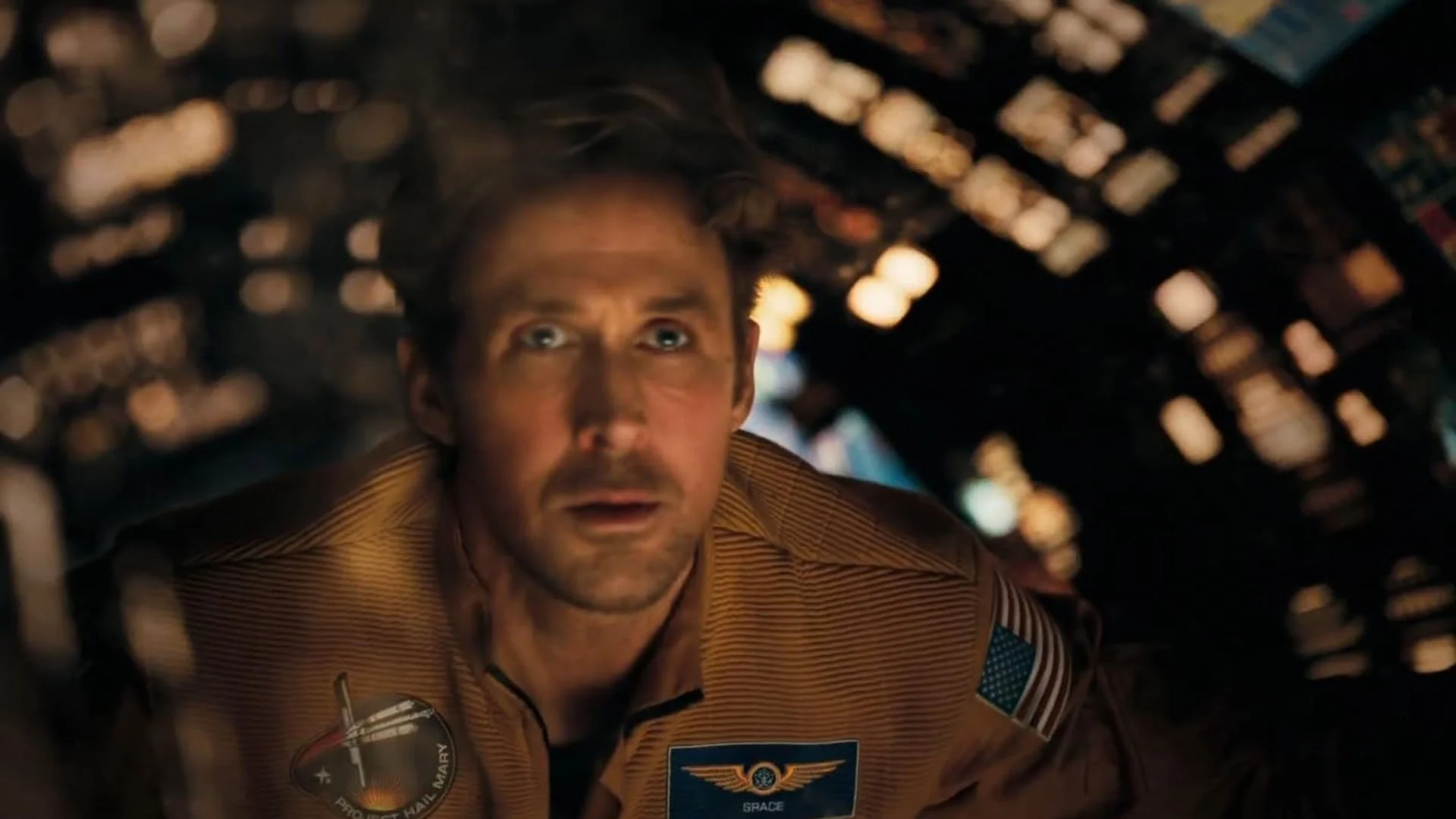
Ryan Gosling as Ryland Grace
The Premise: Physics Homework as First Contact
Based on the novel by Andy Weir, the film follows Ryland Grace (Ryan Gosling), who wakes up alone on a spacecraft with amnesia. As his memory returns, he realizes the stakes: Earth is dying due to a microorganism draining the sun’s energy, and he is the last surviving astronaut on a mission to stop it.
The "delightful science fiction move" comes when Grace discovers he isn't alone in his struggle. He encounters an alien scientist nicknamed Rocky, whose civilization faces the same cosmic threat. Their partnership begins not with laser blasts, but with mathematics, chemistry, and music-like vibrations. It is, effectively, a first-contact story told through physics homework.
The Craft: Precision Meets Warmth
Translating Weir’s technical prose to the screen required a powerhouse creative team:
Direction: Lord and Miller balance high-concept ideas with "underdog" character energy, ensuring the science never drowns out the emotion.
Cinematography: Greig Fraser (shot on IMAX) delivers visuals that are gorgeous, colorful, and tactile, reminiscent of 2001: A Space Odyssey.
Score: Daniel Pemberton's score mixes beautiful choral sections with fun orchestral rhythms, keeping the mood bouncing.
Performances: Ryan Gosling carries the film as the emotional anchor, while Sandra Hüller brings precise, intelligent authority to the role of Eva Stratt.
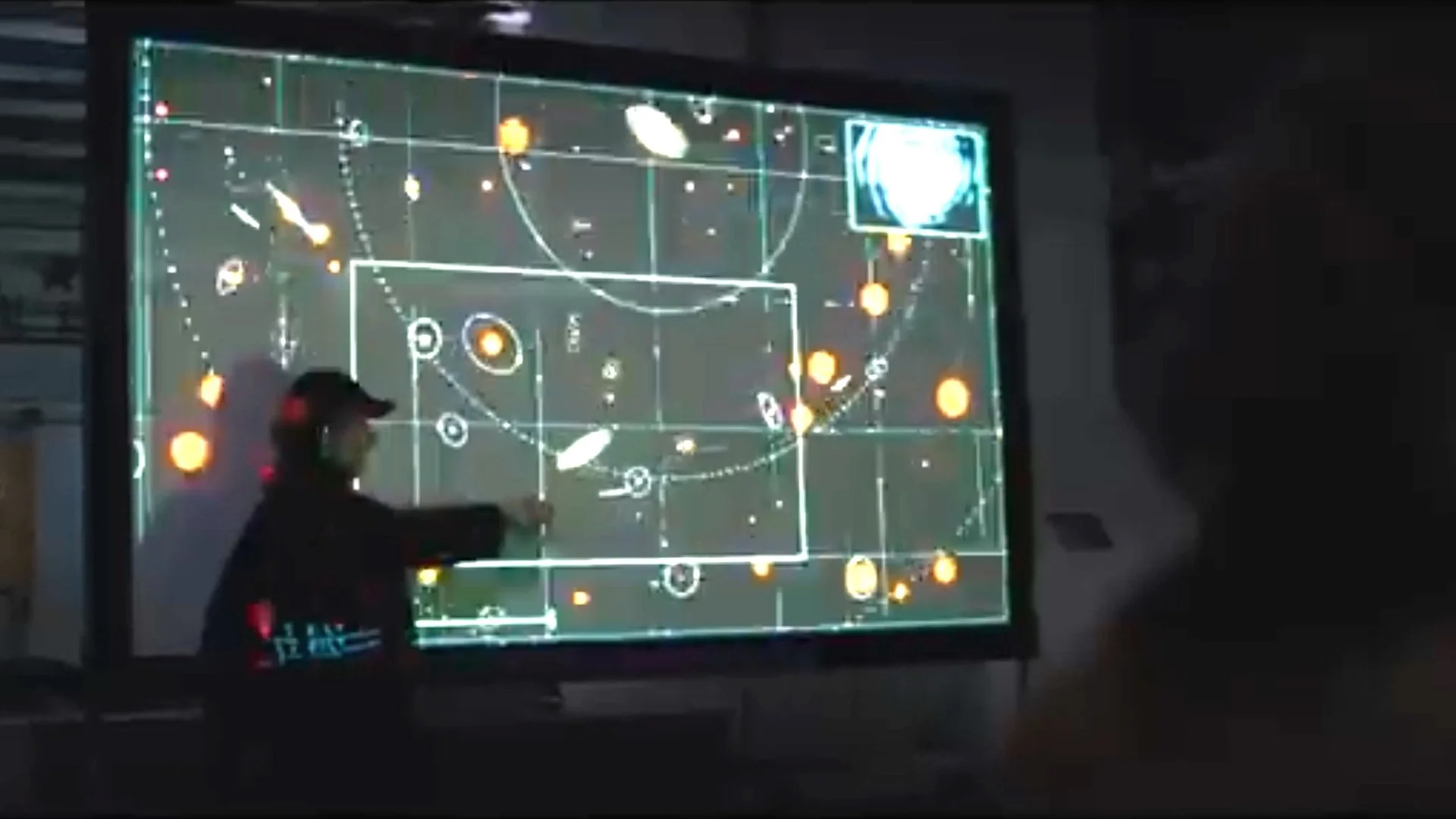
Tau Ceti E - Not affected!
The most impressive feat, however, is Rocky. Performed and voiced by James Ortiz, Rocky feels like a reactive, living presence rather than a digital throwaway. If Rocky works, the movie works—and he absolutely works.
The Verdict: A New Hope for the Genre
At a two-and-a-half-hour runtime, the film never loses momentum. It explores a world where the universe isn't a battlefield, but a laboratory where cooperation beats isolation.
"The Evolution of Sci-Fi"
"This isn't just a survival story [cite: 11]; it moves us from Survival Sci-Fi to something much rarer—Communication Sci-Fi[cite: 7, 8]. A film about the strange hope that the universe is not only hostile, but also understandable[cite: 11]."
For me, this was a five-star experience. I was 13 when Star Wars: A New Hope changed my life, and Project Hail Mary made me fall in love with science fiction films all over again. It proves that the most "human" thing we can do is find a way to talk to something that isn't human at all.
Film Stats
- 🎬 Directors: Phil Lord & Christopher Miller
- 🎭 Stars: Ryan Gosling, Sandra Hüller, James Ortiz
- 🎼 Score: Daniel Pemberton
- 👾 Genre: Hard Sci-Fi / Drama
- 🔞 MPAA Rating: PG-13 (Assumed)
- 🧠 Key Theme: Survival Through Cooperation
