Demystifying the Legend: Why 'The Death of Robin Hood' Is a Haunting, Essential Chapter in a Living Canon
A Constantly Racing Mind
Rating: 4/5
Every few decades, we wander back into the forests, dust off an old outlaw in green, and tell his story all over again. Every generation looks at this figure and quietly decides what it needs him to be. Back in 2010, when Ridley Scott and Russell Crowe took their turn with the legend, I talked about Robin Hood as a living canon—not a single true version we are all trying to rediscover, but an ongoing conversation that stretches from fireside stories and yellowed manuscripts all the way to the multiplex. As long as storytellers keep adding something to that conversation, I am happy to welcome another Robin into the fold.
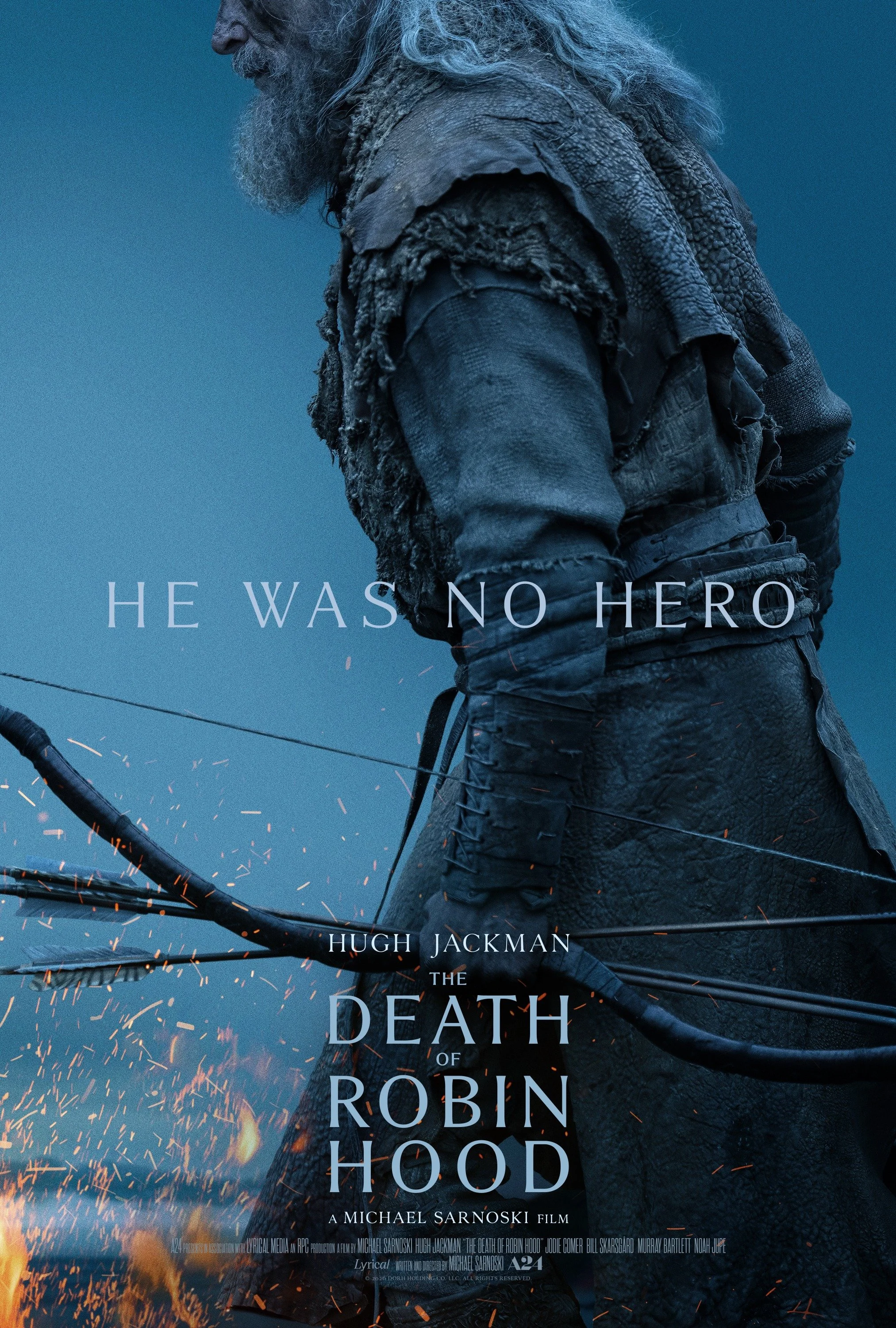
Enter 2026 and Michael Sarnoski’s The Death of Robin Hood.
The title alone tells you this isn’t a usual origin story or a greatest-hits tour through Sherwood Forest. Instead of a quippy action romp built around daring raids and clever disguises, Sarnoski walks into the woods much later, when the songs have already been sung and the legend is old, wounded, and out of breath. It quietly asks: What does it mean to be Robin Hood when the story is almost over? What happens when a legend survives long enough to bury the truth?
The Weight of the Bow
Rather than rallying a band of Merry Men toward the next triumphant target, this film spends its time with an older Robin struggling with the simple act of surviving his last fight. The battles, the robberies, and the defiance of corrupt power are mostly in the past. What the film is deeply interested in is the weight of all those choices on one man’s body and conscience. It is less about how he becomes a hero and more about what it costs to have been Robin Hood for a lifetime.
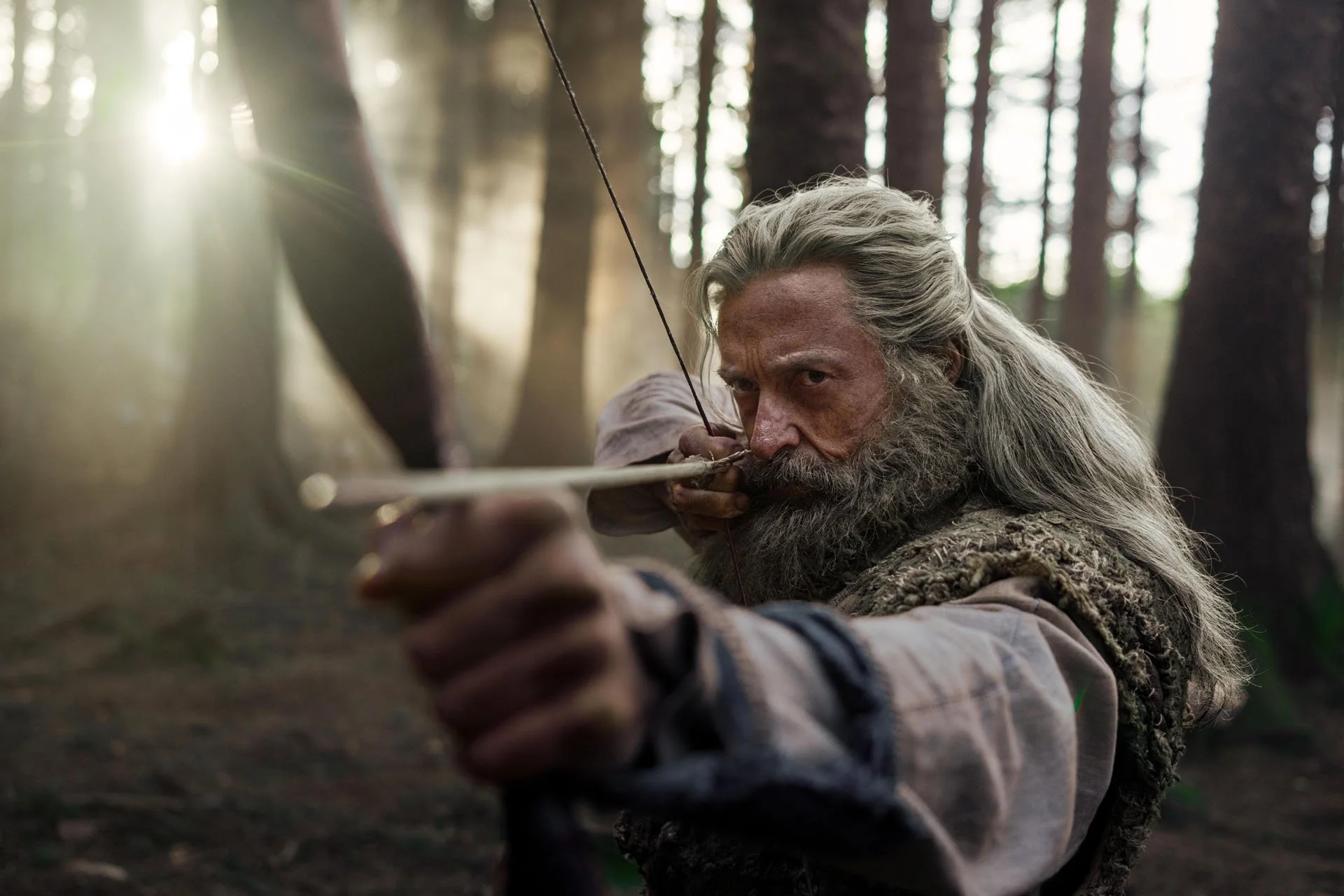
Tonally, the pace is measured, letting long stretches sit in silence, pain, and reflection rather than rushing to the next set piece. The imagery is earthy and grounded—filled with mud, wood, blood, and worn faces instead of romanticized pageantry. When violence does happen, particularly in a vivid, visceral, and genuinely unsettling first act, it feels heavy and physical rather than stylized or fun. It upfront warns you that this is a film sitting with the brutal cost of an outlaw's fantasy.
A Lived-In Ensemble
What truly sells the film's end-of-the-road perspective are the incredible, textured performances. Hugh Jackman delivers what might be his best work outside of Logan. His Robin is profoundly lived-in, not performative; you can see the physical exhaustion and stubborn defiance in his posture as he fights his own myth.
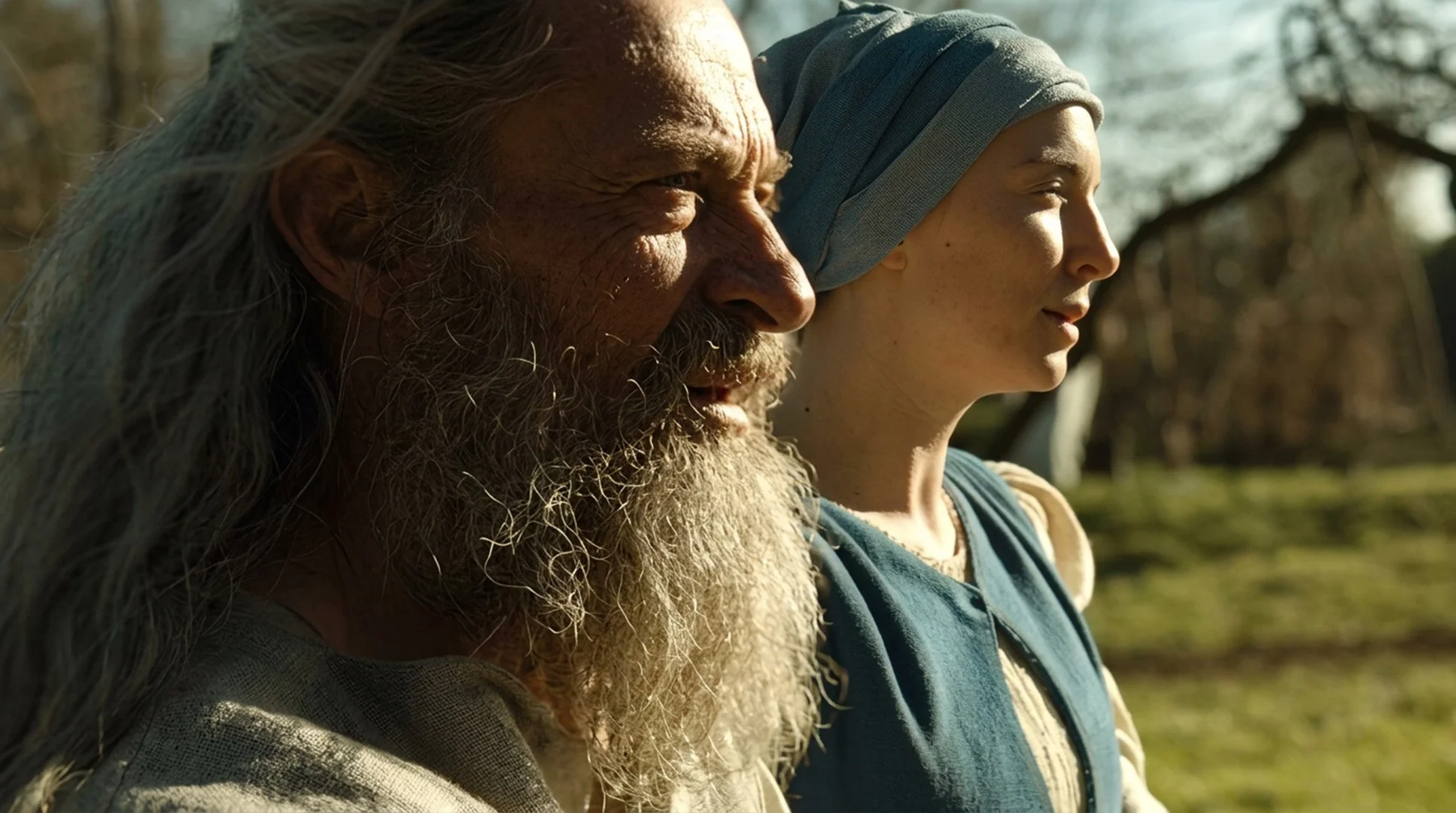
Opposite him, Jodie Comer brings grace, intelligence, and a much-needed soft touch to a harsh world. Functioning as a moral and emotional mirror, her caretaker character gives the movie its spine. The supporting cast is equally memorable: Bill Skarsgård plays a distinct Little John who has fully bought into the romanticized myth (stylishly wearing the classic green), while Murray Bartlett is unrecognizable as a textured leper at the priory. Keep an eye out for young Irish performer Faith Delaney as Little Margaret, who quietly serves as the narrative's emotional anchor.
Behind the Camera: A Gothic History
Director Michael Sarnoski (Pig, A Quiet Place: Day One) continues his brilliant pattern of utilizing genre stories to explore grief, identity, memory, and regret. Alongside cinematographer Pat Scola, who shot the film on 35mm film, they avoid a romantic storybook aesthetic in favor of a cold, rough, and distinctive gothic look. The expansive, bleak landscapes of the harsh Irish countryside beautifully mirror the internal state of the characters.
This historical immersion is supported by veteran editor Andrew Mondshein’s character-driven pacing and a phenomenal, minimalist folk score by Jim Ghedi. Ghedi, coming out of the British folk scene, crafts a dark, acoustic atmosphere that feels like it drifted in from the hazy space where rumors and ballads first began to form.
The Verdict
The Death of Robin Hood has landed squarely in the "your mileage may vary" category critically, and I understand why. The abrupt transition from a hyper-violent opening to a quiet, dialogue-sparse character study will cause tonal whiplash for anyone expecting a conventional blockbuster. Furthermore, Sarnoski's commitment to naturalistic immersion means characters mumble under their breath against cracking fires and whipping winds. If you struggle with accents, my practical advice is to utilize a closed-caption device at your theater.

But for those willing to sit with a slow, elegiac deathbed introspection movie wearing an outlaw's costume, the rewards are immense. It asks why we need legends to survive the darkness, and the answers it leaves you with hit harder than any arrow ever could. It’s a solid 4 out of 5—the kind of dangerous, nagging score that makes you want to immediately turn around and watch it again.
