Lee Cronin’s The Mummy (2026) - non spoiler film review
What if getting your child back was the worst thing that ever happened to your family? That is the chilling question at the center of Lee Cronin’s The Mummy, a film that abandons the trappings of nostalgic pulp adventure for something far more intimate and unsettling. Coming off the success of Evil Dead Rise, Cronin has delivered a possession-driven horror that uses the imagery of ancient Egypt to explore the devastating cost of saving what you love.
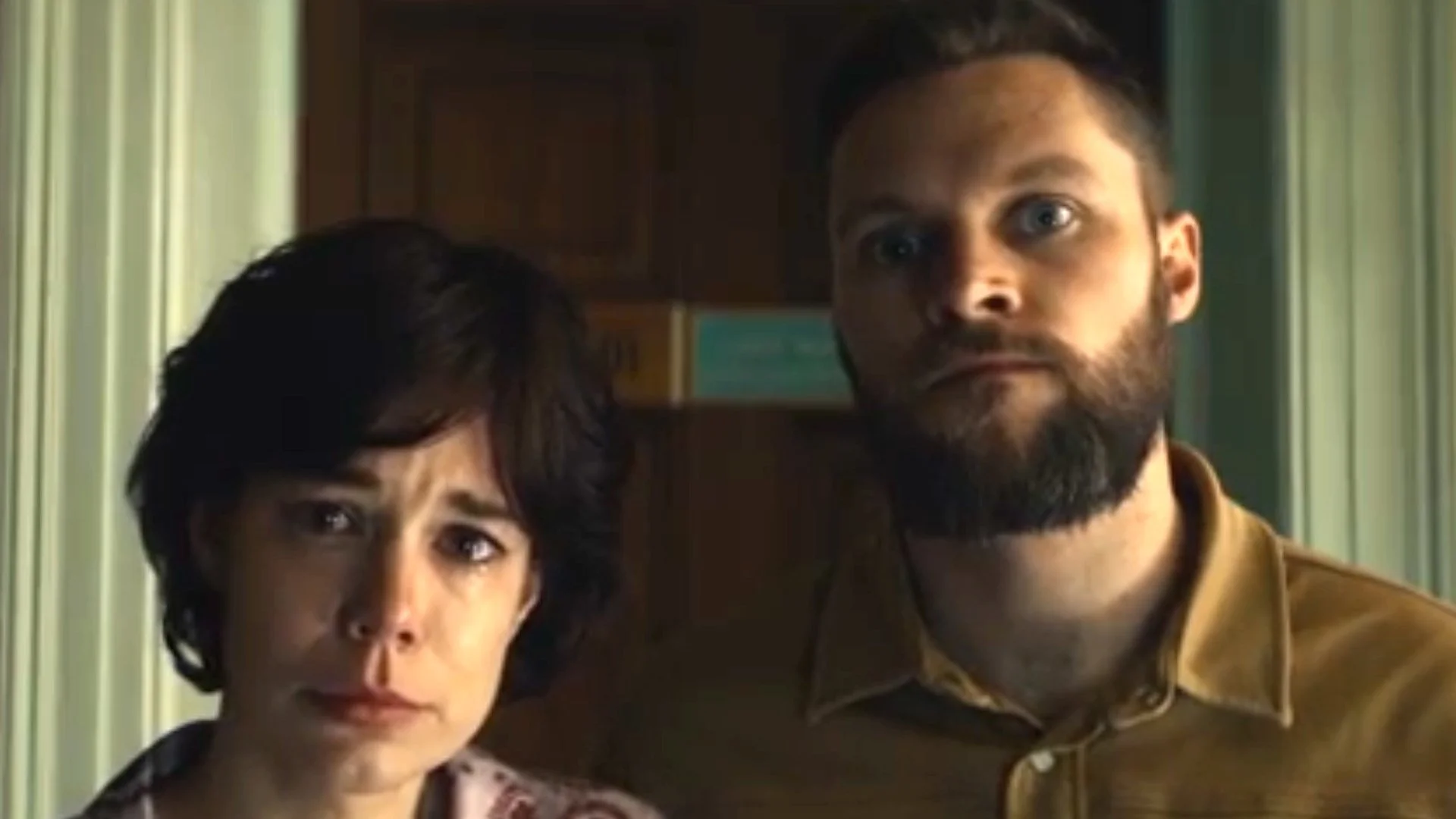
Charlie and Larissa Cannon
The Story: A Miracle Turned Nightmare
The narrative follows high-profile journalist Charlie Cannon (Jack Reynor) and his wife Larissa (Laia Costa), whose daughter, Katie, disappears while the family is stationed in Cairo. Eight years of grief pass before the authorities call with a miracle: Katie has been found alive.
However, the "Mummy" in this film isn't a bandaged priest chasing a reincarnated love. Instead, it is an ancient force that has attached itself to the child, spreading "slowly, quietly, and horribly" through the modern household. As the family tries to rebuild, the film tracks two parallel paths:
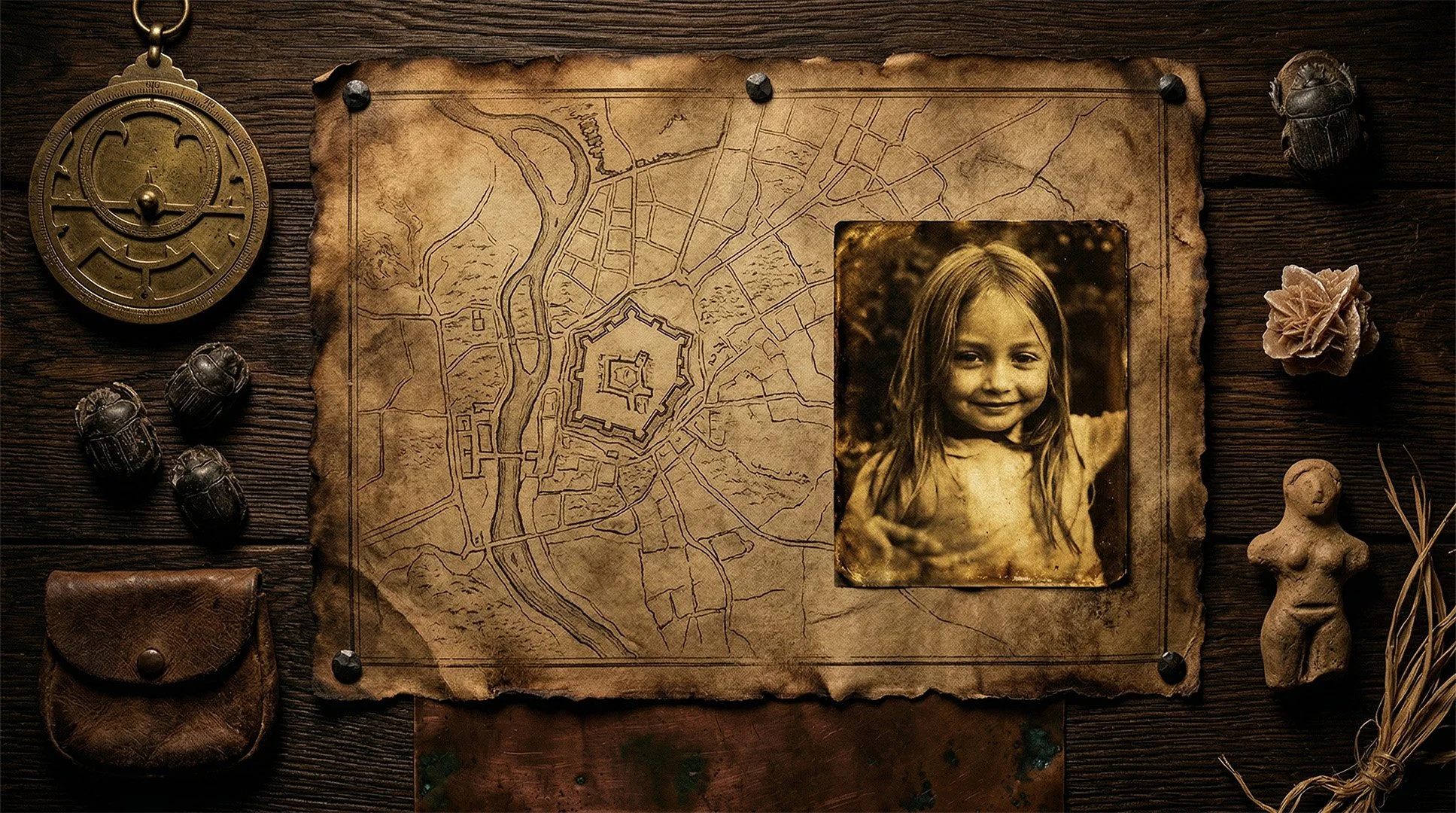
The Domestic: A family attempting to function inside a home that feels increasingly "wrong."
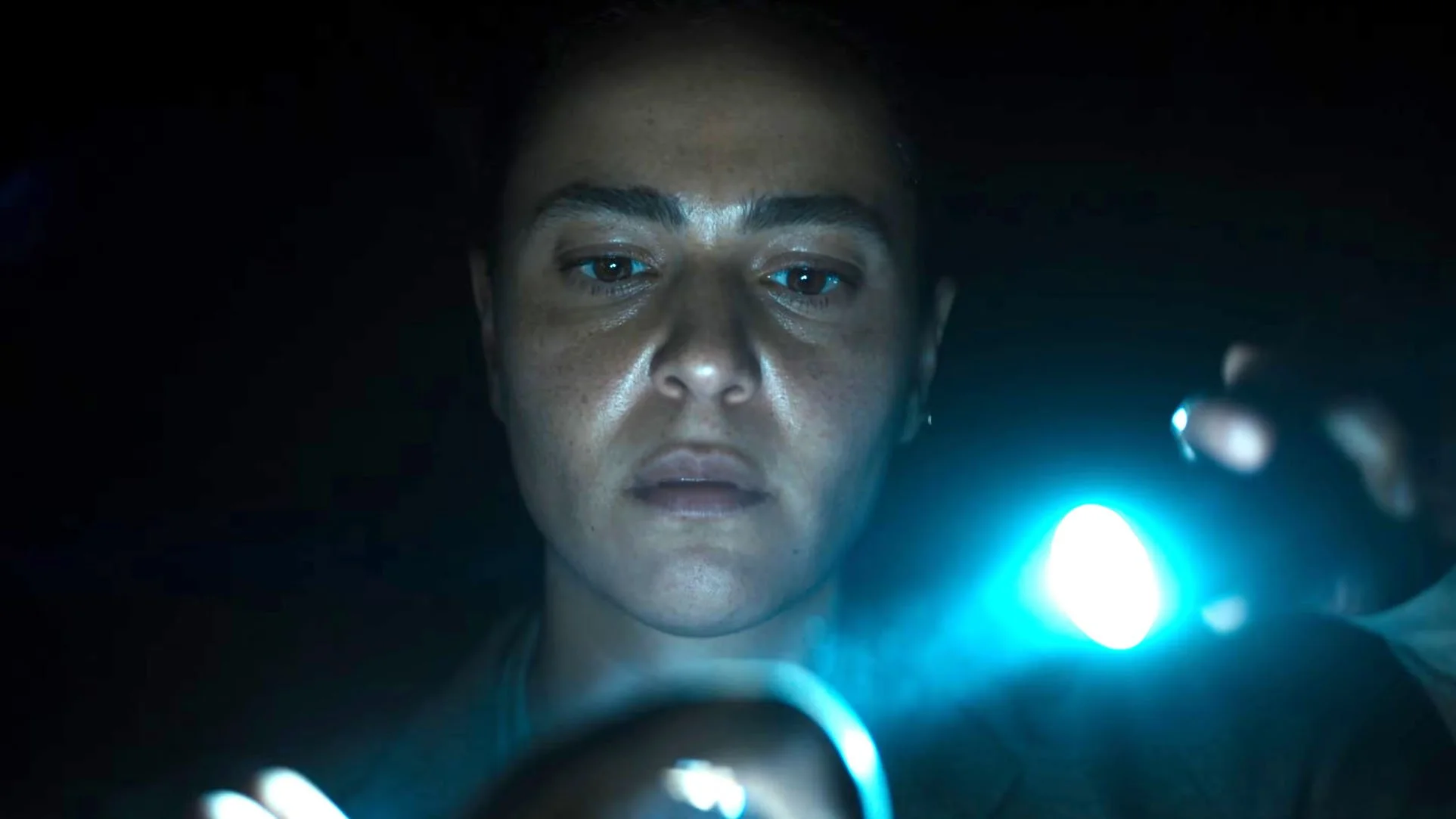
The Investigative: Detective Zaki (May Calamawy) piecing together the truth of what happened to Katie in the desert.
The Craft: Familiar Shadows
Cronin reunites much of his Evil Dead Rise creative team, lending the film a high level of "stylized genre control."

Cinematographer David Garbett
Visuals & Sound: Cinematographer David Garbett makes confined spaces feel visually alive, while Stephen McKeon’s score builds a relentless sense of unease. The sound design, in particular, is "extremely creepy" and effectively foreshadows the growing horror.
Practical Effects: Makeup artist Arjen Tuiten (Pan's Labyrinth) created Katie’s transformation through multiple phases of "necrosis." To ensure authentic terror, the final look was kept hidden from the rest of the cast until filming.
Tone: This is a "Grief Forward Horror," standing alongside films like Hereditary and Ordinary People, where the primary door for the monster is the family’s desperate need for their child to be okay.
The Verdict: A Modern Horror Standout
While some may find the 2-hour and 14-minute runtime a bit long, especially during the investigative diversions, the film presents a full, layered narrative that is anything but a typical action-adventure. The performances are excellent across the board, with Natalie Grace as Katie potentially becoming a new face of possession horror.
If you love "slimy, over-the-top, cringy, crackly, oozing horror," this is a must-see. It is a story about possession as infection—and the contamination of the family unit itself.
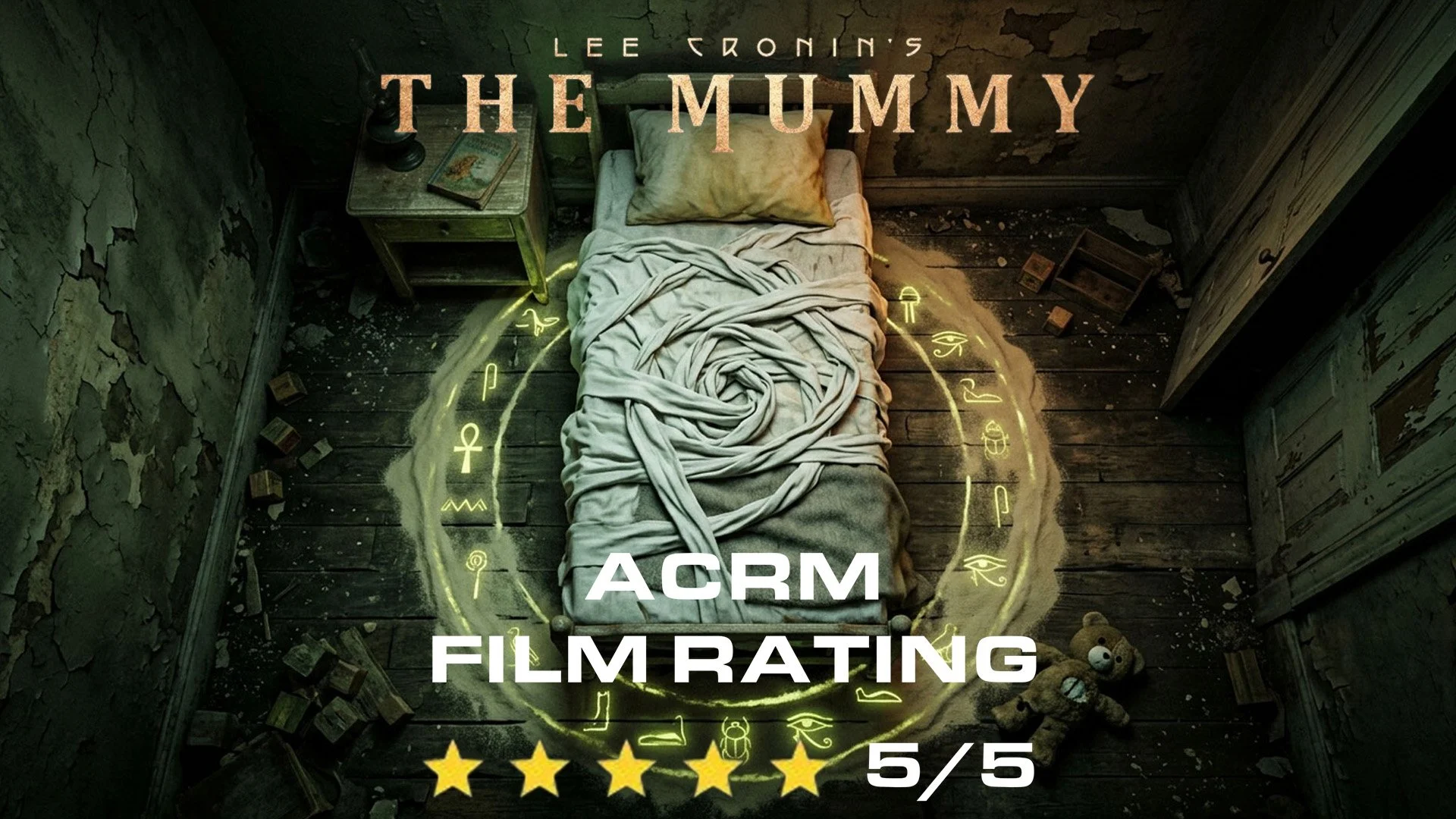
Rating: 5/5
Every frame tells a story. If you enjoyed this deep dive, subscribe to A Constantly Racing Mind for more sci-fi, horror, and pop culture breakdowns.
