28 Years Later: The Bone Temple – When Survival Turns into Ritual
28 years is a long time. It’s long enough for panic to turn into routine, for survival to stop feeling temporary, and for trauma to stop being remembered and start being inherited.
28 Years Later: The Bone Temple is not a film about the outbreak. It’s not even a film about recovery. It’s a film about what replaces society after hope has already failed. It picks up immediately after the events of 28 Years Later (2025), in a Britain that never rebuilt itself—it adapted. Quietly. Brutally.
The infected still exist, but they are no longer the center of the world. Humanity has taken that role back—and made it worse.
A Theater of Cruelty
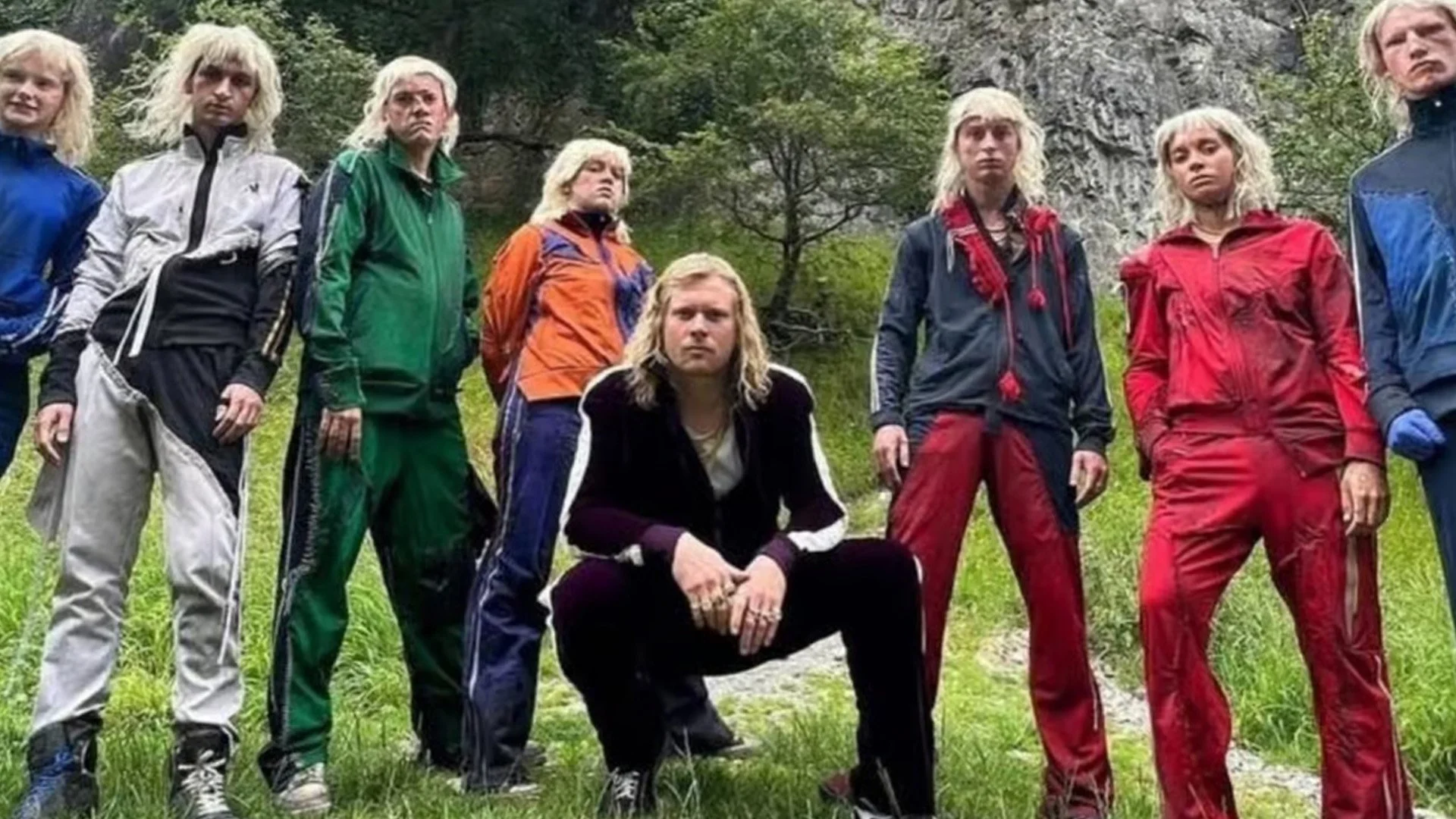
The film follows Spike (Alfie Williams), a young survivor moving through a sparsely populated countryside where isolation has allowed strange new belief systems to form. The most immediate danger comes from Sir Lord Jimmy Crystal (Jack O’Connell) and his roaming gang, "The Fingers."
Jimmy isn't a warlord in the Mad Max sense; he is a performer. His gang moves like a traveling theater of cruelty, terrorizing outsiders and tormenting each other for entertainment. There is a strong Clockwork Orange energy here—violence as identity, chaos mistaken for freedom. Jimmy Crystal is the same child seen in the opening of 28 Years Later, a boy who learned the wrong lessons from the collapse. For him, violence isn't a desperate act; it's a familiar ritual.
The Cold Logic of Dr. Kelson
Running parallel to Jimmy’s chaotic noise is the quiet, cold descent of Dr. Ian Kelson (Ralph Fiennes). Kelson represents the danger of intellect surviving longer than ethics. His actions aren’t impulsive; they are logical, justified, and terrifying.
Fiennes plays Kelson not as a villain, but as a man trapped by memory. He retreats into an underground bunker that feels less like a lab and more like a time capsule, playing New Wave hits from the 80s (Duran Duran, Iron Maiden) to drown out the silence of the dead world above. It’s not nostalgia; it’s coping.
The film introduces a disturbingly quiet inversion: while Kelson descends into a structured madness, the infected subject "Samson" (Aaron Taylor-Johnson) seems to be moving away from pure rage toward something... intentional. The relationship isn't cruelty; it's clinical curiosity. Kelson is testing a hypothesis: Is the Rage Virus purely a disease, or is it something that can be shaped?
The Verdict
The Bone Temple is not an action-horror film. It is a film about inheritance. Trauma passed down instead of processed. Violence ritualized instead of questioned.
The "Bone Temple" itself—or "The Ossuary"—functions less as a location and more as a symbol. A monument to endurance. A reminder that when hope disappears, people don’t stop building; they just build inward.
It’s not an easy watch, and it won’t satisfy viewers looking for constant motion or traditional zombie thrills. But it is confident, disturbing, and thematically rich.
Rating: 4 / 5
Blog Bonus: The Evolution of "Rage"
The 28 Days franchise has always mirrored the anxieties of its era. Here is how the threat has evolved over nearly three decades:
28 Days Later (2002): The threat was Panic. The collapse was sudden, chaotic, and immediate.
28 Weeks Later (2007): The threat was Escalation. The attempt to rebuild only created a bigger disaster.
28 Years Later (2025): The threat was Inheritance. A generation born into the ruins trying to understand a past they didn't witness.
The Bone Temple (2026): The threat is Consequence. The virus is no longer the invader; it is part of the ecosystem. The horror comes from how humans have twisted themselves to live alongside it.
🎥 The Director Swap: A Visual Shift
- The Vibe: Panic & Adrenaline
- Camera: Handheld, Kinetic, Digital
- The Focus: "Run for your life."
- The Vibe: Dread & Ritual
- Camera: Static, Wide, Painterly
- The Focus: "Build a new god."
Blog Bonus: Behind the Lens
The Shift from Punk Rock to Folk Horror
One of the most fascinating aspects of The Bone Temple is the drastic shift in the director's chair. While Danny Boyle (who directed the original 28 Days Later and the first part of this new trilogy) is known for kinetic, punk-rock energy, Nia DaCosta (Candyman) brings a completely different visual language to the franchise.

Nia DaCosta
Director - Candyman, The Marvels
Garland's Architecture Writer Alex Garland reportedly conceived this middle chapter not as a bridge, but as a pivot point in history. This film is about settling the new world, while the first was about its shock. To achieve that, the visual language had to change.
DaCosta's Atmosphere Nia DaCosta is a director interested in how stories become legends (a theme she mastered in her Candyman reboot). By handing the reins to her, the franchise deliberately moved away from the "documentary style" of the early 2000s and into something approaching "Folk Horror."
The Boyle Style: Defined by DV tape, sprinting zombies, shaky-cam, and immediate, breathless panic.
The DaCosta Style: Defined by wide static shots, myth-making, and dread.
This explains why The Bone Temple feels so different. It transforms the infected from a biological problem into a mythological backdrop—fitting for a movie that treats its setting as a temple rather than a ruin.
Blog Bonus: The Ghost of Jimmy Savile
While the name "Jimmy" connects to the franchise's history (Jim from 28 Days Later), the visual design of the gang points to a much darker chapter of British culture.
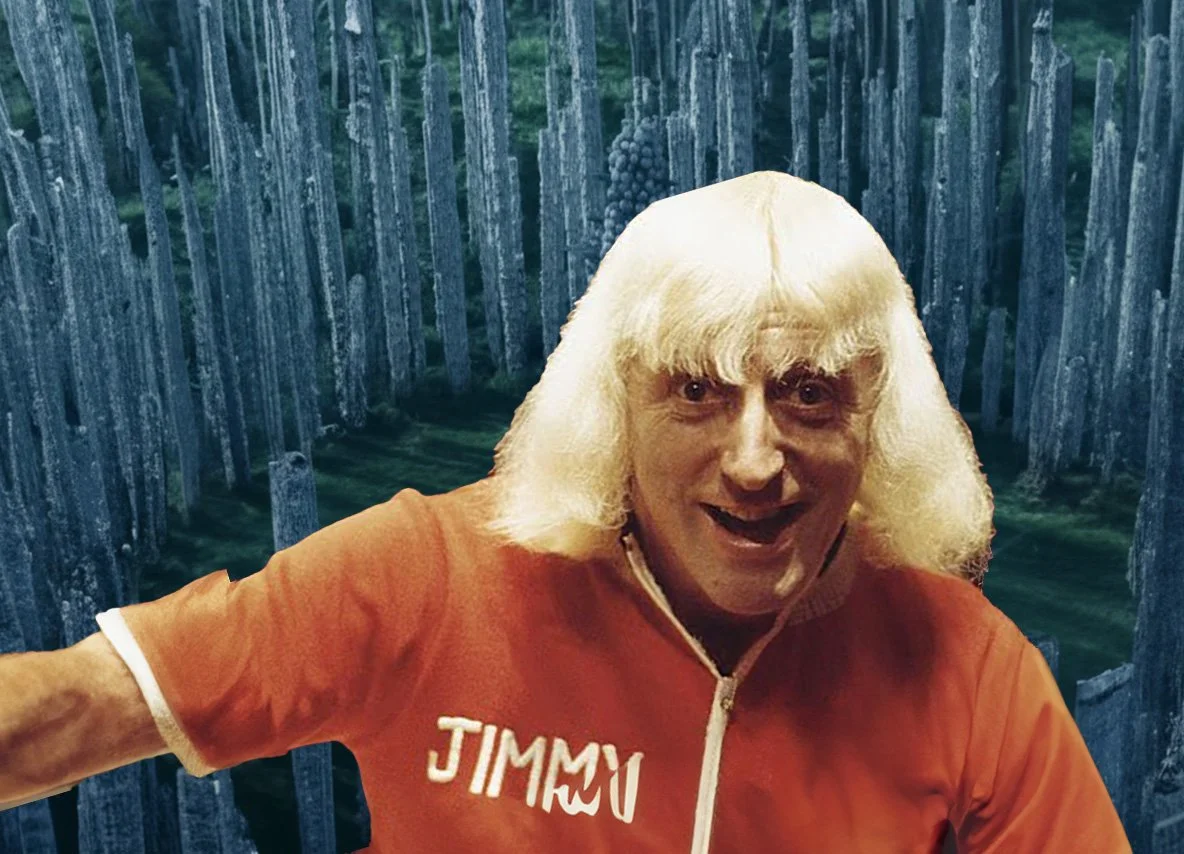
The Wigs and The Title The gang members all wear long, platinum-blonde pageboy wigs, and their leader calls himself "Sir" Lord Jimmy Crystal.
The Reference: This specific look—the blonde hair, the tracksuits/eccentric dress, the "Sir" title—evokes Jimmy Savile.
The Context: Savile was once a beloved British entertainer (host of Jim'll Fix It and Top of the Pops) who was knighted by the Queen. After his death, it was revealed he was one of the most prolific predatory offenders in British history, who used his fame and access to hospitals/schools to commit abuse for decades.
The Meaning in the Film: In the broken world of 28 Years Later, history has flattened. The "Jimmys" have likely found images or statues of this "Sir Jimmy"—a man with gold jewelry and white hair who seemed powerful—and built a cult around him.
It fits the film’s theme perfectly: They inherited the trauma, but lost the context. They worship a monster because they mistook his power for greatness. It turns the gang into a satire of the British Establishment itself—cruelty hiding behind a title and a wig.
Jimmy Savile
🇬🇧 Cultural Context: The "Savile" Shadow
Why the blonde wigs and the title "Sir"?
For British audiences, the gang's appearance is a grotesque reference to Jimmy Savile.
- The Look: The platinum blonde pageboy wigs mirror Savile's iconic hairstyle.
- The Title: Calling the leader "Sir" mocks the fact that Savile was knighted by the British Establishment.
- The Meaning: The gang unknowingly worships a historical predator, proving the film's thesis that "the wrong lessons were learned from the past."
If you enjoyed this review, consider subscribing to A Constantly Racing Mind for more thoughtful takes on Sci-Fi, Horror, and Genre films.
