The King’s Final Bow: Remembering the 1985 Revival of The King and I
In 1985 I was a young man in my 20's and Broadway wasn't on my mind much. However, the revival of The King and I stands as one of the most poignant chapters in Broadway history, at least for me. It wasn't just a restaging of a classic Rodgers and Hammerstein musical; it was a final, triumphant lap for Yul Brynner, the man who had become synonymous with the role of King Mongkut. Of course, I had seen the film with Yul and Deborah Kerr. Thanks to reruns on the limited amount of channels available when i was growing up, I saw most of Yul Brynner's career. My dad was a fan, and I guess this rubbed off on me.
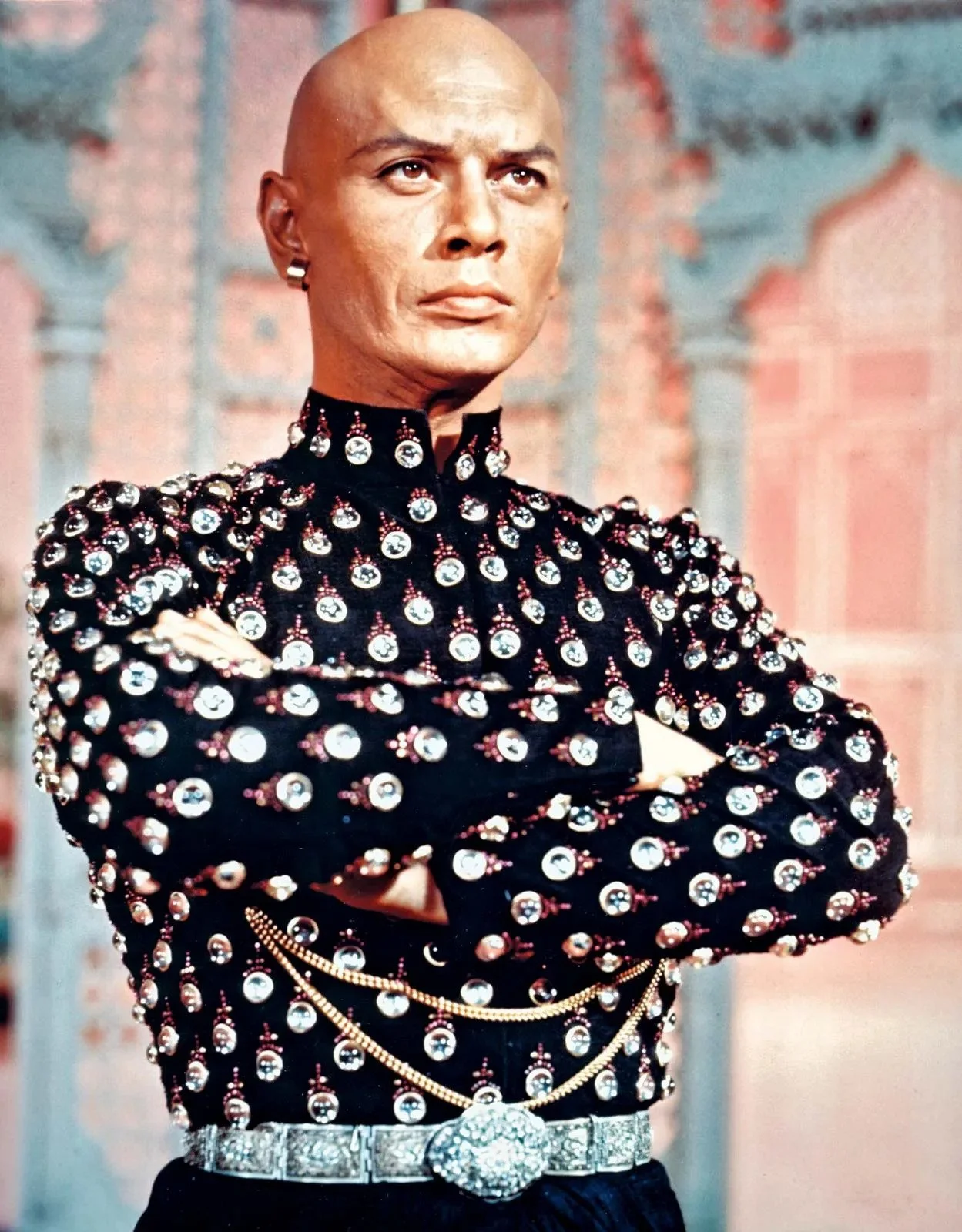
Yul Brynner(1920-1985)
Yul Brynner’s career was a masterclass in establishing a singular, powerful presence that could bridge the worlds of the Broadway stage and the Hollywood blockbuster. While he is often defined by his role as the King of Siam, his filmography throughout the 1950s and 60s showcases a remarkable ability to command a variety of genres.
He arrived in Hollywood following his stage success and immediately solidified his status as an A-list leading man, often utilizing his distinctive voice and formidable physicality to play "larger than life" characters.
Career-Defining Classic Films
The King and I (1956): Recreating his Broadway role, Brynner won the Academy Award for Best Actor. His performance as King Mongkut remains one of the most iconic in musical cinema, balancing imperial authority with a growing, vulnerable curiosity about the changing world.The Ten Commandments (1956): In the same year, he appeared as the Egyptian Pharaoh Rameses II. His portrayal provided a chilling and powerful foil to Charlton Heston’s Moses, anchoring one of the most commercially successful films in history.Anastasia (1956): Completing a trio of massive 1956 hits, Brynner played General Bounine alongside Ingrid Bergman. His performance displayed his ability to play a more cynical, sophisticated operative, further broadening his appeal.The Magnificent Seven (1960): Brynner led this iconic Western ensemble as Chris Adams. The film reimagined Seven Samurai for an American audience and established the archetypal "honorable gunslinger" that would influence the genre for decades.The Brothers Karamazov (1958): In this adaptation of the Dostoevsky classic, he played Dmitri Karamazov, demonstrating his capacity for heavy dramatic literature.Westworld (1973): Later in his career, he leaned into his own persona by playing the "Gunslinger" android. His silent, unrelenting performance became the cornerstone of this science-fiction thriller and introduced him to a new generation of film fans.
A Career-Defining Connection
Yul Brynner first played the King in 1951. By the time the 1985 revival arrived, he had performed the role over 4,500 times. It is rare in entertainment to see an actor’s identity so thoroughly fused with a piece of literature. For many, Brynner didn't just play the King; he was the King.
The 1985 production was billed as a "Farewell Tour," and there was a palpable sense of gravity every time the curtain rose. Brynner was battling terminal lung cancer during the run, yet his stage presence remained formidable. He didn't lean on the audience’s sympathy; he commanded their respect through a performance that remained as sharp and authoritative as it had been decades prior.
Professional Achievements at a Glance
Yul Brynner: Stage to Screen Timeline
Debuts as the King of Siam in the original Broadway production of The King and I.
The "Triple Threat" year: Stars in The King and I (film), The Ten Commandments, and Anastasia.
Solidifies action-hero status as Chris Adams in The Magnificent Seven.
Reinvents his image for sci-fi audiences in the cult classic Westworld.
The Farewell Tour: Completes his record-breaking Broadway run shortly before his passing.
The Philosophy of the Revival
What makes this specific revival worth discussing today is the way it addressed the passage of time. The King and I is fundamentally a story about the clash between tradition and progress, between the old world and the new. In 1985, with Brynner's health failing, those themes took on a meta-textual weight.
The Performance: Beside Mary Beth Peil as Anna Leonowens, Brynner played the role with a softened edge—a King who was perhaps more aware of his own mortality and the shifting sands of his kingdom.
The Production: It was a lush, traditional staging that didn't try to reinvent the wheel, but rather aimed to perfect it. It was a celebration of the Golden Age of Broadway at a time when the industry was beginning to shift toward the "mega-musical."
The Final Curtain
Yul Brynner passed away on October 10, 1985, only four months after the revival closed. This timeline casts the entire production in a nostalgic, almost sacred light. It was a rare instance where an artist was able to say a proper goodbye to their audience through the work that defined them.
When we analyze the 1985 revival, we aren't just looking at set designs or vocal arrangements. We are looking at the end of an era. It serves as a reminder of the ephemeral nature of live theatre—that a performance exists in a specific moment in time, never to be truly replicated.
1985 Revival Snapshot
i remember tha the 1985 revival remains a benchmark for how we honor the legends of the stage. It was respectful, it was grand, and most importantly, it allowed a king to vacate his throne on his own terms.
Critical Reception: The Final Bow
"The star remains the show itself... a new high standard for the musical stage."
— NY Daily NewsRemarked on his "unrelenting dignity" even as his physical strength waned.
— The Stage (London)Honoring his "record-breaking" and "indelible" performance.
— Special Tony Award Committee
One of the most shocking event that affected me even more than his career, was his Pusblic Service Announcement (PSA), telling his followers and the public that he had cancer and not to smoke as it killed him
