Does Sébastien Vaniček’s ‘Evil Dead Burn’ Keep the Franchise Dangerous, or Just Keep the Lights On?
Author: Rob (A Constantly Racing Mind) Rating: 3.5 / 5 Stars (Wavering between a 4.5 and 5 on the ACRM Scale)
Introduction: The Book is Back
The Evil Dead series has spent over four decades cementing itself as one of the most remarkably consistent horror franchises in cinema history. A major key to that longevity has been its willingness to pass the torch, letting new directors step into the sandbox and bring their own unique stylistic madness to the Necronomicon. Walking into the theater, my question for French filmmaker Sébastien Vaniček’s Evil Dead Burn was simple: Does this entry still feel genuinely dangerous, or are we just watching a reliable horror brand find a new way to keep the lights on?
As a dedicated fan who proudly keeps a replica Necronomicon on my shelf, I’ll admit my baseline bias upfront. But a prop book isn't enough; an Evil Dead movie has to earn its blood. Fortunately, while Burn faces a few structural pacing hiccups, it mostly delivers a punishing, claustrophobic, and relentlessly mean-spirited addition to the modern mythos.
The Setup: A Family Reunion From Hell (Spoiler-Free)
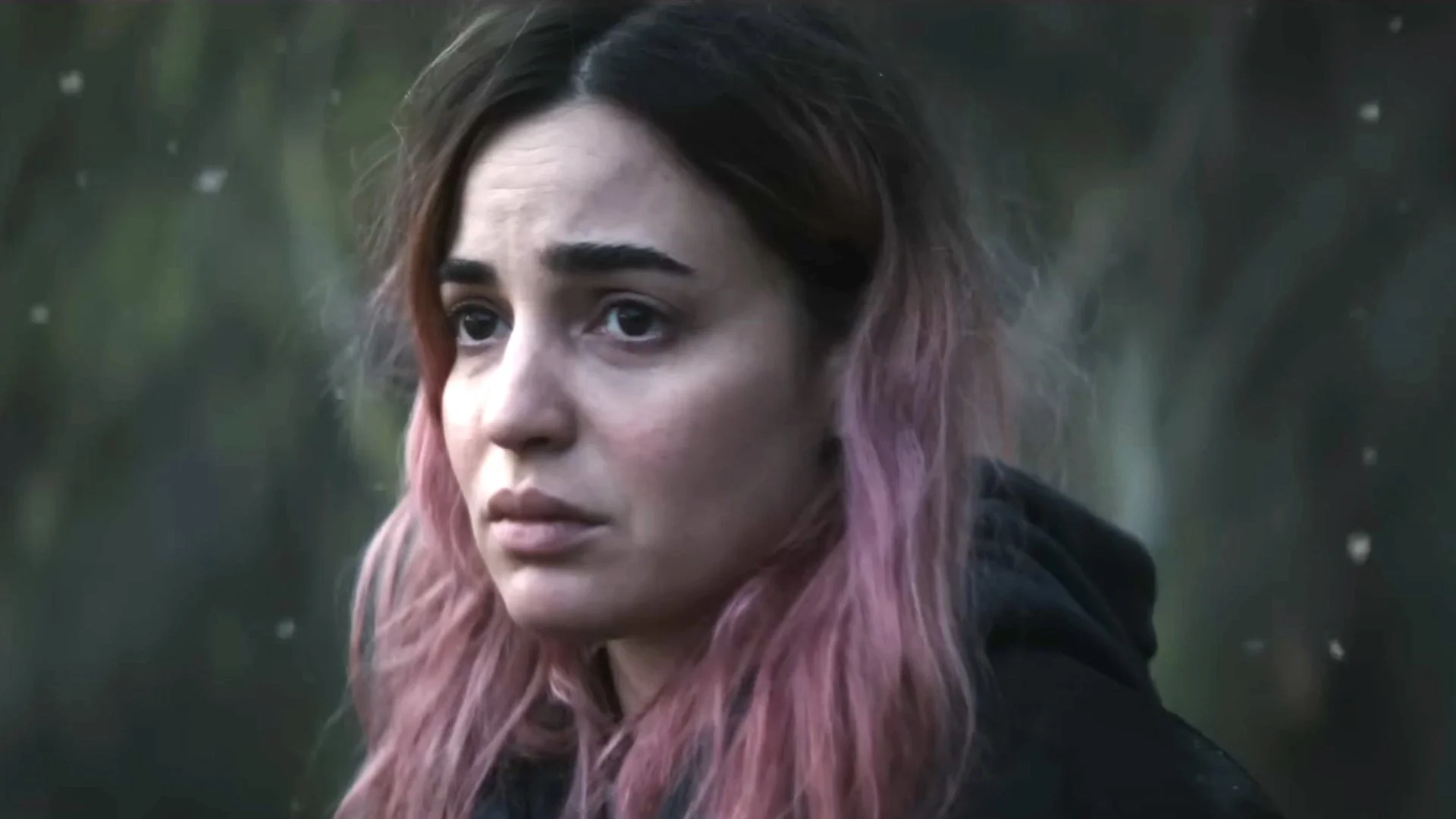
The narrative centers on Alice (Souheila Yacoub), a grieving Parisian widow traversing profound personal loss. In an attempt to process her grief and reconnect with her late husband Will's estranged family, she travels to their secluded, deeply isolated home. What is intended to be a tense but ordinary visit with her complicated in-laws quickly fractures under the weight of old familial wounds.
Because this is an Evil Dead story, that emotional rot acts as an invitation for something much darker. A dark history links the property back to the Necronomicon, and the visit rapidly spirals into a brutal, highly confined Deadite nightmare. Vaniček effectively twists marriage vows, grief, and family obligations into physical and psychological weapons, trapping Alice in a claustrophobic cage with the people she loves as a demonic force warps that love into pure violence.
What Works: Visual Suffocation and Massive Lore Connections
From a technical standpoint, Vaniček makes incredibly bold choices behind the camera. He relies on constant close-ups paired with an incredibly shallow depth of field. By keeping the backgrounds perpetually blurred and suffocatingly uncertain, you lose spatial awareness. You cannot see what is lurking directly behind the characters, creating a deeply stressful, high-heart-rate theatrical experience.
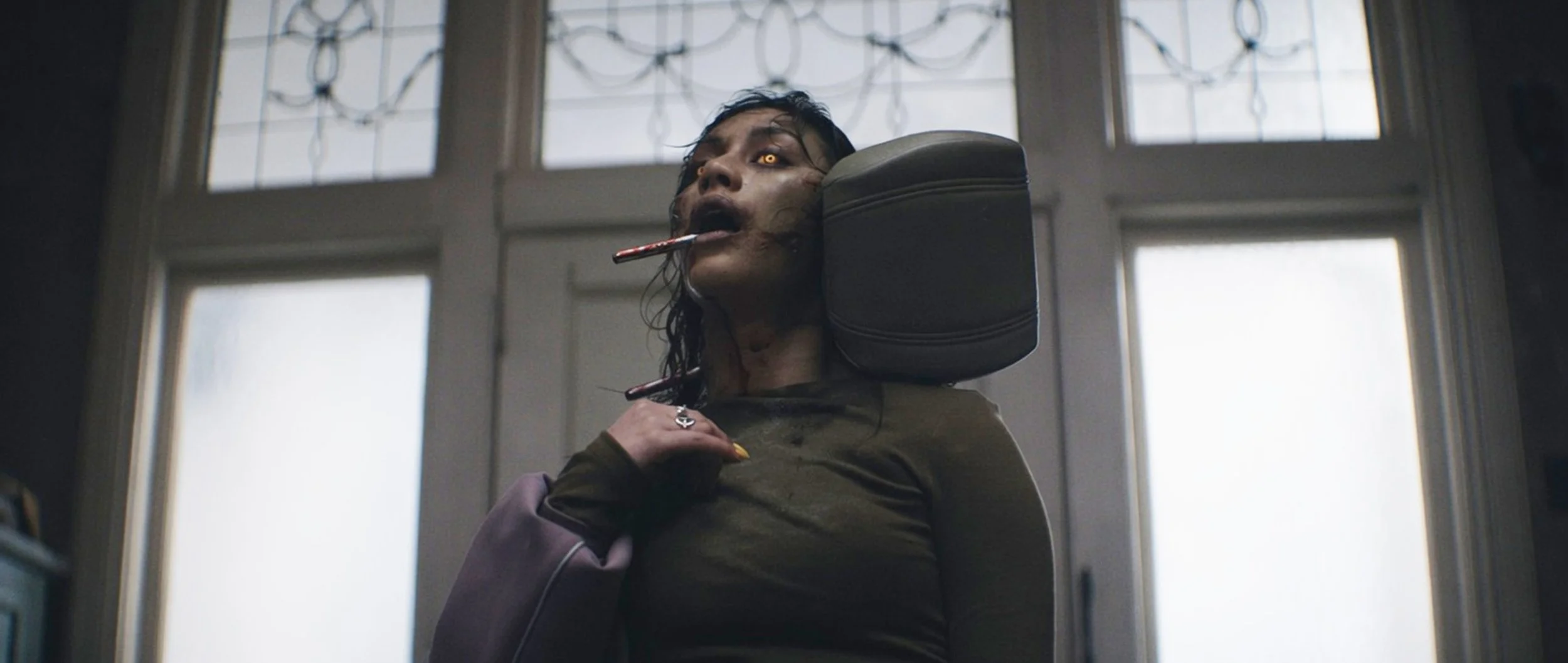
Additionally, the practical effects are outstanding. After some CGI-heavy marketing trailers left me anxious, the final film beautifully prioritizes tangible, physical gore. The kills are profoundly imaginative—featuring a wince-inducing sequence with a playfully French weaponization of a corkscrew. There is also a stunningly surreal aesthetic moment where a Deadite with a bag over its head walks up a wall and onto the ceiling.
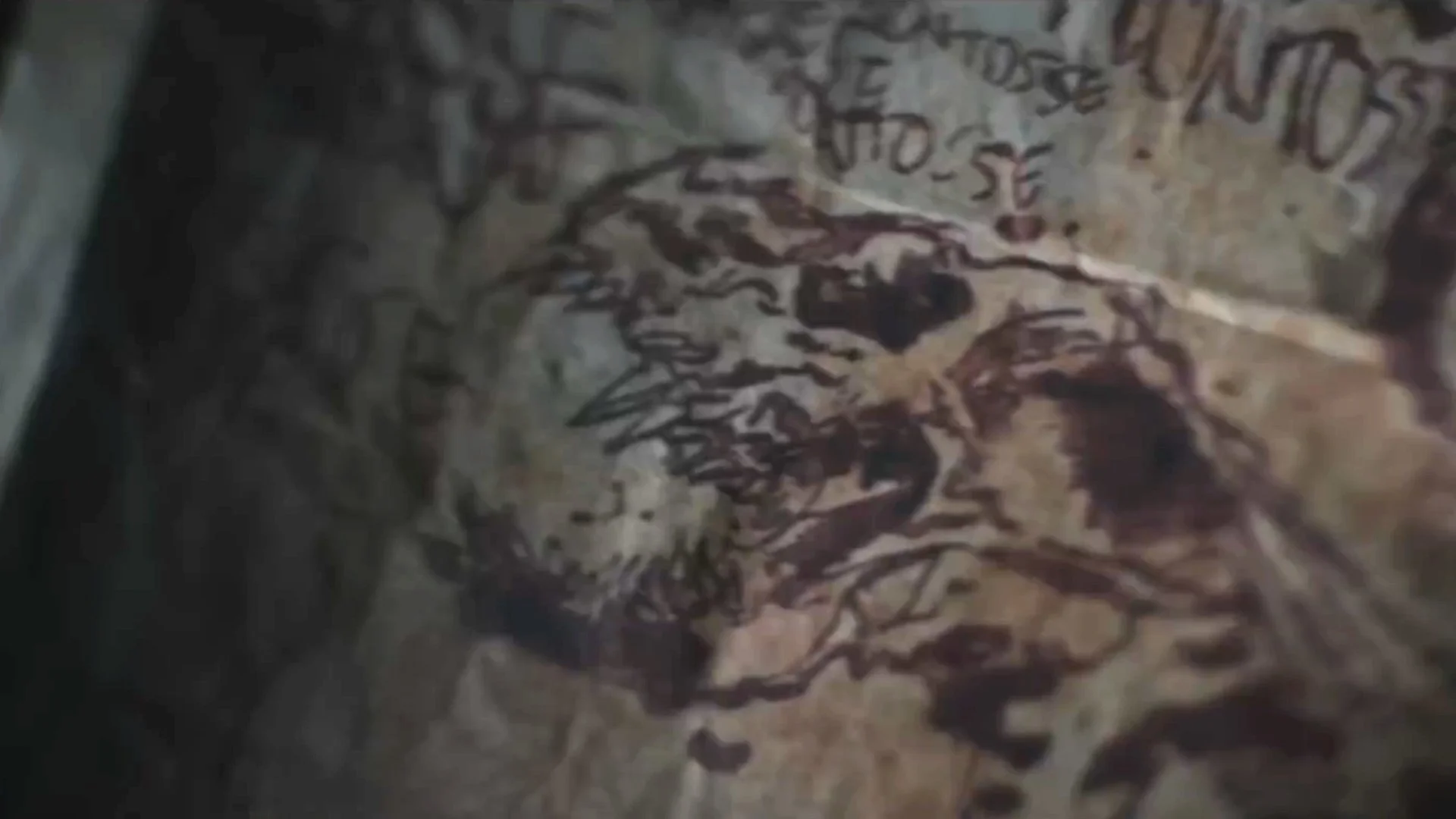
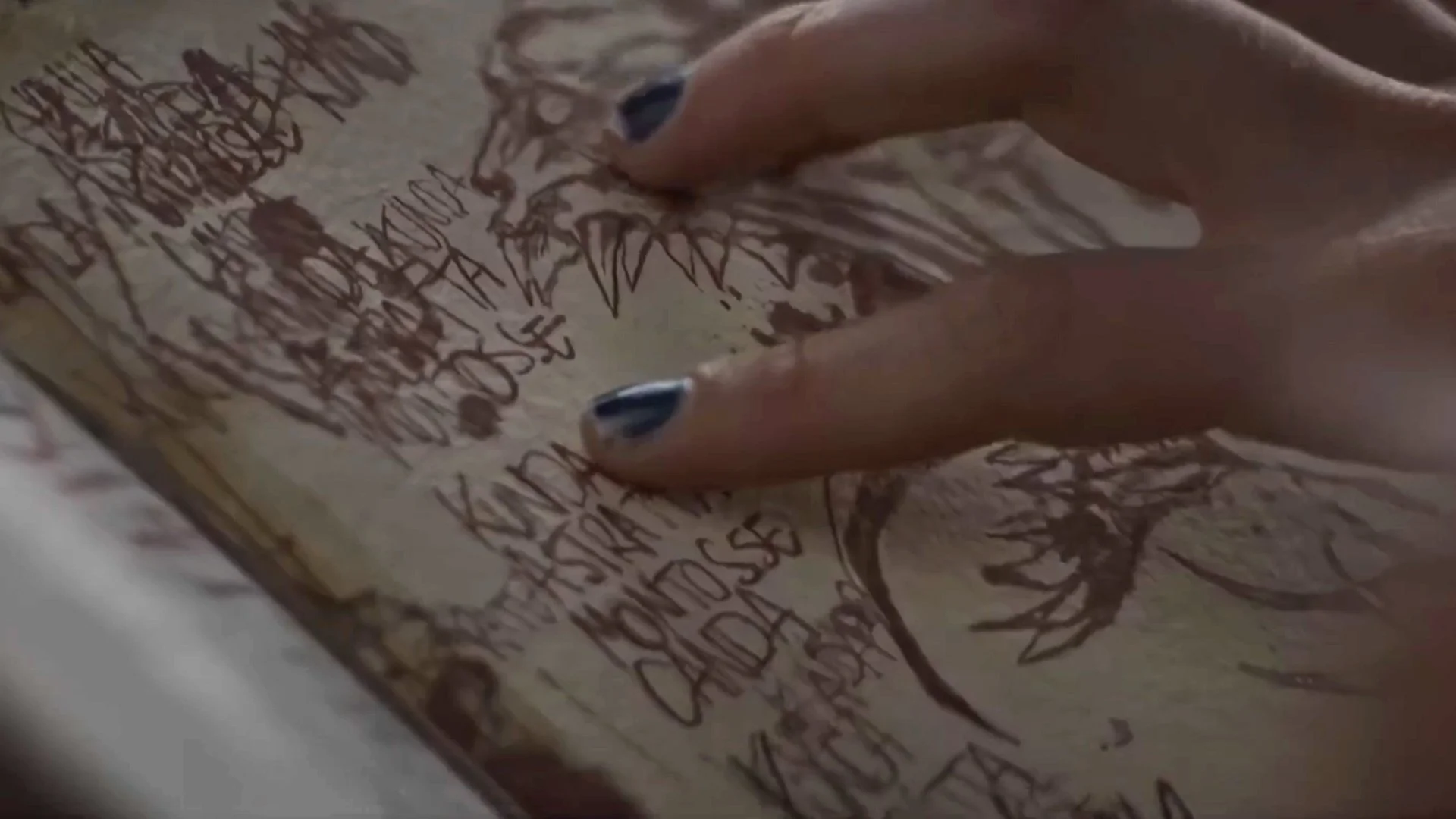
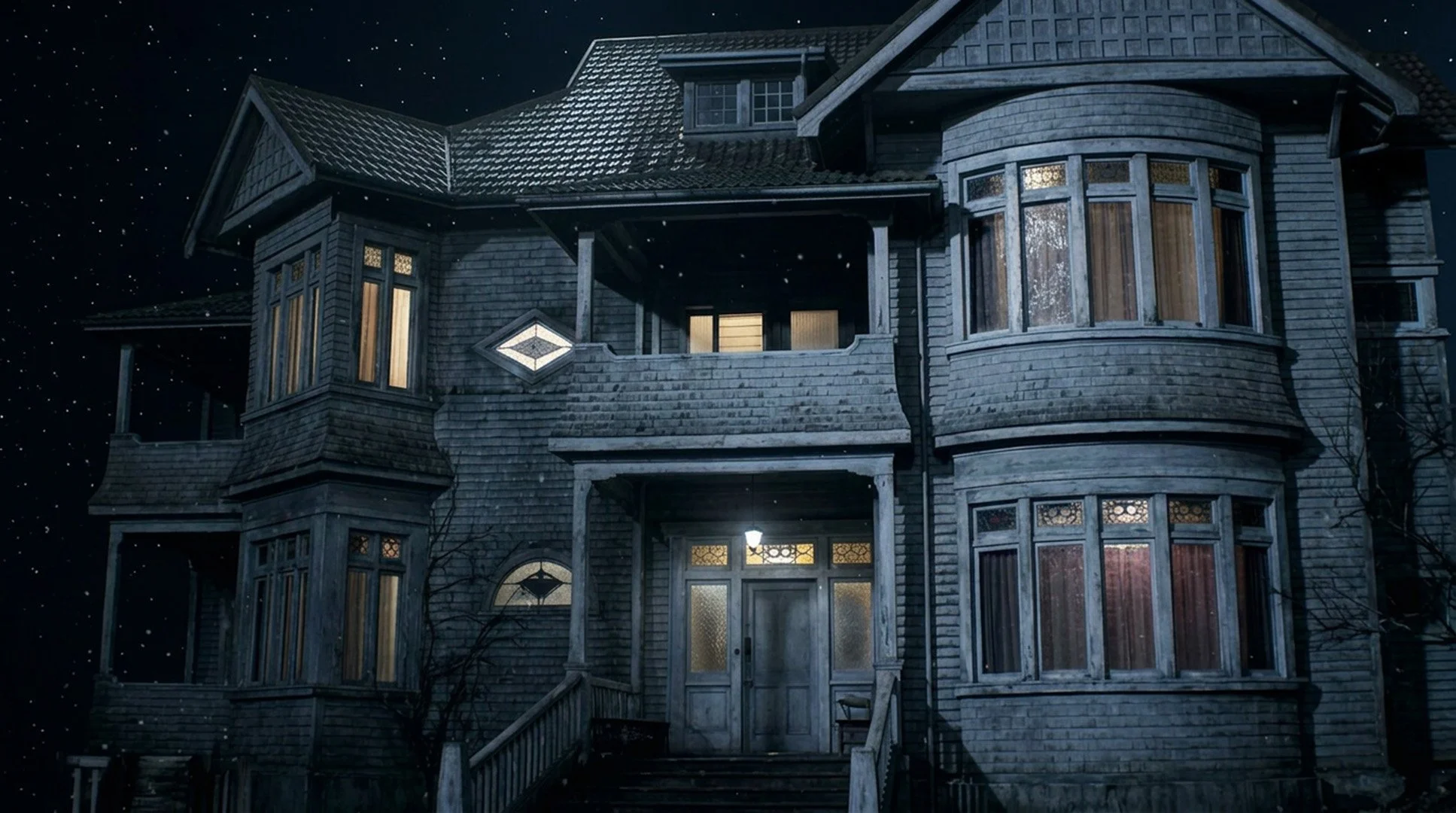
For the hardcore geeks on this channel, this is easily the most lore-heavy Evil Dead movie yet. The modern films have historically operated on a standalone nightmare model—spanning Fede Álvarez's Evil Dead (2013), Lee Cronin's Evil Dead Rise (2023), and even Cronin's The Mummy from earlier this year. Burn brilliantly establishes that these stories are finally noticing each other. The house itself is the exact location used for Ruby Knowby's house in the Ash vs. Evil Dead TV series. The Necronomicon here resembles an investigator's scrapbook complete with newspaper clippings referencing the 2013 cabin fire, and we even get a direct narrative link back to Rise with the return of Jessica, the Deadite from the lake.
The cast carries this heavy burden perfectly. Souheila Yacoub uses her background in physical dance and discipline to bring incredible endurance to Alice's torment. Supporting players like Hunter Doohan (Wednesday) as Joseph and Tandi Wright (Pearl) as the mother-in-law build a genuinely layered, complicated family dynamic before the blood starts flowing.
What Didn't Work: The Comedy Deficit and Pacing Fatigue
Where Burn might alienate long-time fans is its tonal identity. If your favorite era of this franchise belongs to the campy, slapstick chaos of Sam Raimi’s Evil Dead II or Army of Darkness, Burn is a tough sell. The classic dark comedy is stripped away to almost zero, landing much closer to the grim, gritty, and desaturated "French Extremity" vibe of the 2013 remake. While it captures a signature sick sense of humor through the sheer absurdity and depravity of its practical effects, the written dialogue comedy misses the mark far more than it hits.
The film also suffers from a noticeable pacing issue in its final act. Evil Dead Burn could have easily ended 10 to 15 minutes earlier. Once the climax peaks and the horror reaches its absolute ceiling, the movie keeps going to meticulously resolve Alice's emotional grief arc. While I appreciate the narrative commitment to character, stretching out the runtime when the audience is already physically exhausted feels like it overstays its welcome.
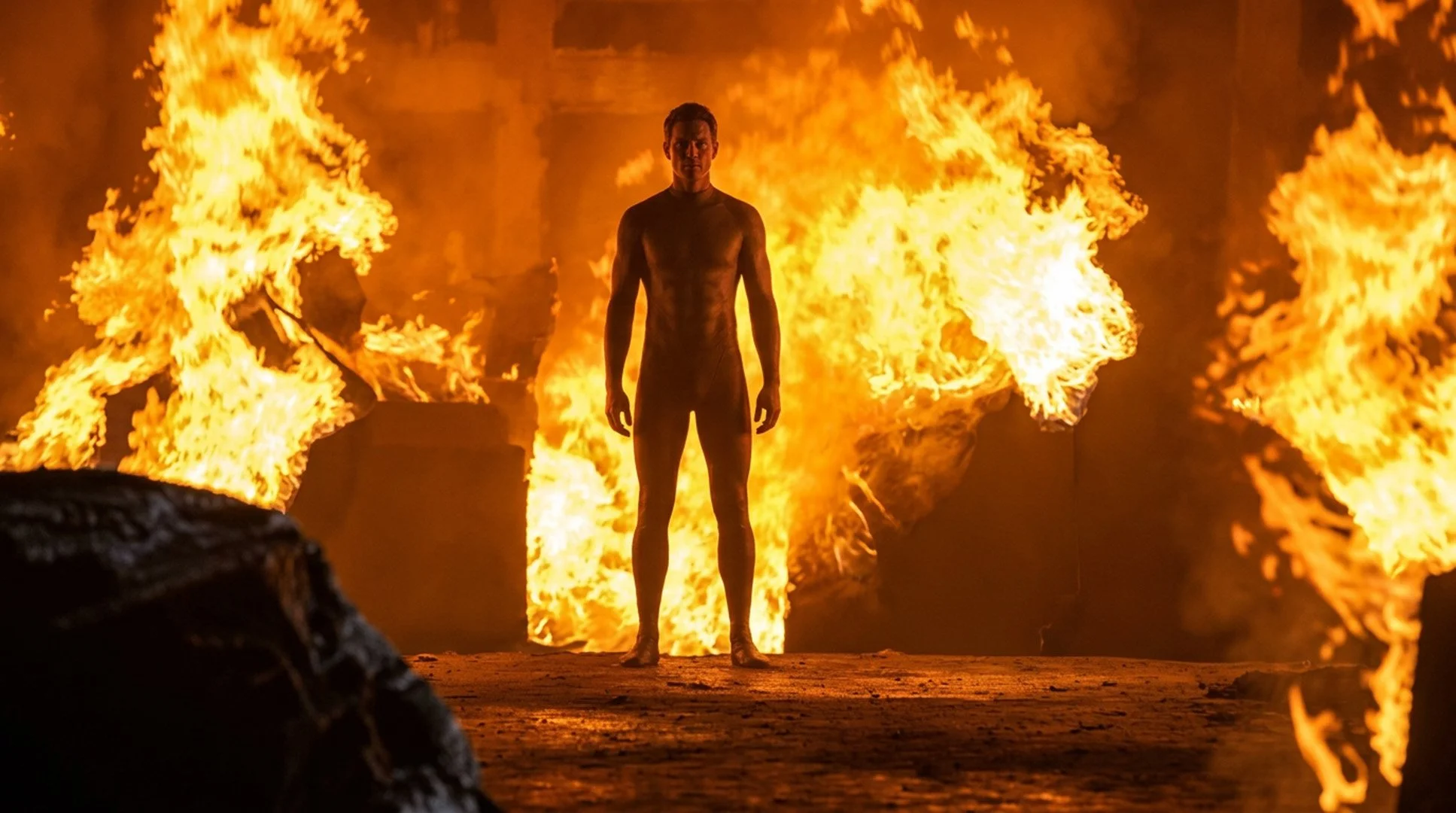
Furthermore, we are starting to hit a bit of "standalone fatigue". While the Easter eggs are fantastic, it might be time for the franchise to stop hitting the soft-reset button and finally weave survivors like Mia, Beth, and Alice together into a continuous saga.
The Verdict
Evil Dead Burn reminds us that this franchise isn’t just about blood; it’s about punishment. It’s about ordinary people realizing way too late that evil does not negotiate.
For Hardcore Fans: An absolute essential theater watch for the lore expansions and brutal practical set-pieces.
For General Horror Fans: A definite must-see, provided you temper your expectations regarding comedic levity and brace yourself for a grim, trauma-forward ride.