Dracula: A Love Tale (2025) – Why We Keep Rewriting the Monster [SPOILERS]
WARNING: This review contains FULL SPOILERS for Dracula: A Love Tale (2025).
The Dracula most people picture today is not the Dracula that existed originally in Bram Stoker’s novel. In the book, there is no reincarnated lover, no tragic romance, no redemption, and no moral ambiguity. Stoker's Dracula is not misunderstood. He is not grieving. He isn't broken by love. He is a force—invasion, disease, corruption, decay. He represents fear of the unknown, fear of contamination, and fear of the outsider.
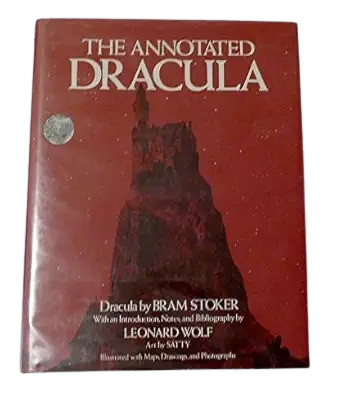
Dracula by Bram Stoker - Annotated by Leonard Wolf
And that version worked for its time. So the real question isn't why we adapt Dracula. The real question is: Why did we stop being satisfied with that version?
Luc Besson’s 2025 take, Dracula: A Love Tale, answers that question by leaning fully into the tragedy beneath the fangs.
The Shift from Monster to Lover
The narrative shift doesn't actually start with Dracula. It starts with The Mummy (1932/1999). That was the moment when immortality stopped being about hunger or domination and became about love. Imhotep isn't terrifying because he lives forever; he's tragic because he cannot let go. His crime isn't conquest; it's devotion.
That idea—that eternal life is fueled by love rather than appetite—became one of the most influential narrative pivots in horror cinema. Once that door opens, Dracula can't go back to being just a monster.
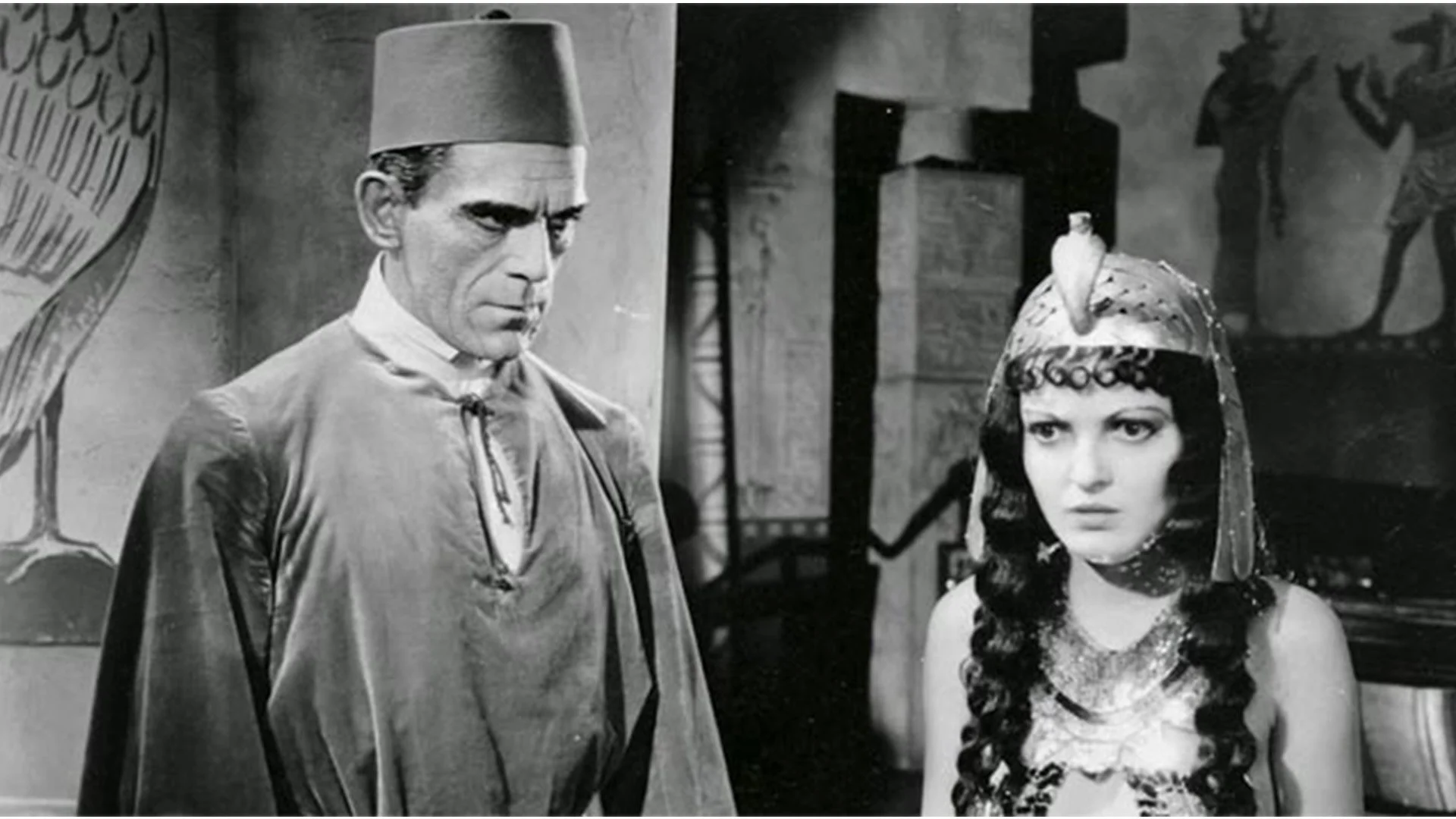
Ardeth Bay (the Mummy) and Ak Sum Amun
This pivot fully crystallizes in Coppola's Bram Stoker's Dracula (1992). This is where the reincarnation becomes explicit. Elisabeta dies. Dracula renounces God. Mina is framed as her rebirth. Suddenly, Dracula isn't just damned; he's defiant. He chooses human love over divine authority. This is no longer gothic horror; it is a theological rebellion. Coppola turned Dracula into a radical: a man who believes love should outrank God.
That idea, not blood, not fangs, is the one that echoes forward into Besson’s film.
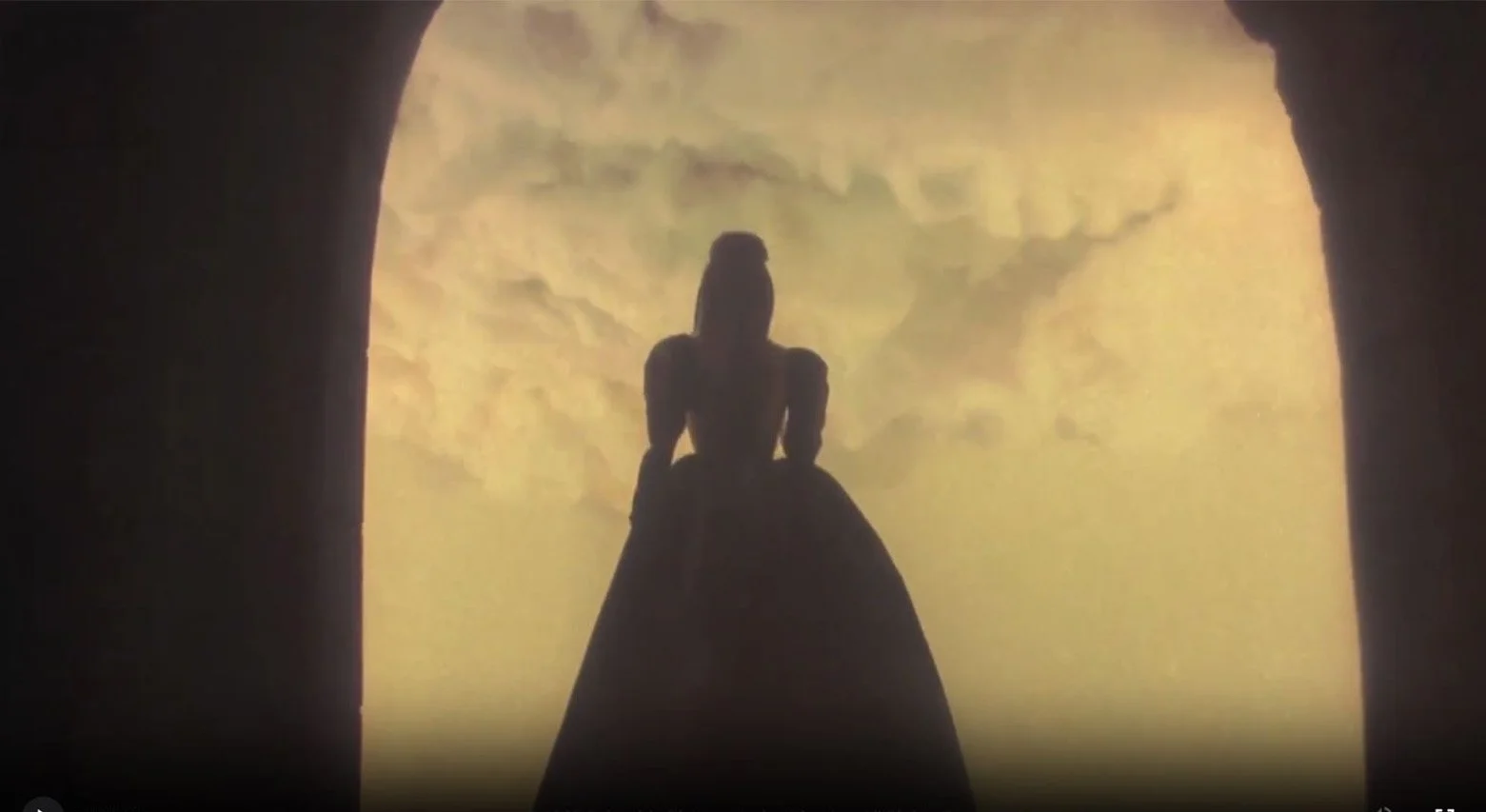
Elizabeta throwing herself out a window.
Besson's Romantic Absolutism
This is not a neutral adaptation. This is a Luc Besson film, written and directed by him. Besson’s work consistently centers on outsiders, emotional absolutism, and characters who choose feeling over systems. Subtly has never been the point. So this version of Dracula was never going to be restrained, clinical, or purely horrific. It was always going to be romantic, operatic, and emotionally maximalist.
This reframes what we are watching. The film isn't asking "Is Dracula evil?" It's asking, "What does it cost to love something more than the world allows?"
Reincarnation here is not a romantic destiny—it is repetition. Every rebirth doesn't heal Dracula; it re-opens the wound. Love doesn't free him; it tempts him to repeat the same defiance. Immortality becomes a loop, not a gift. And that is where this film very quietly becomes one of the bleakest Dracula stories ever told.
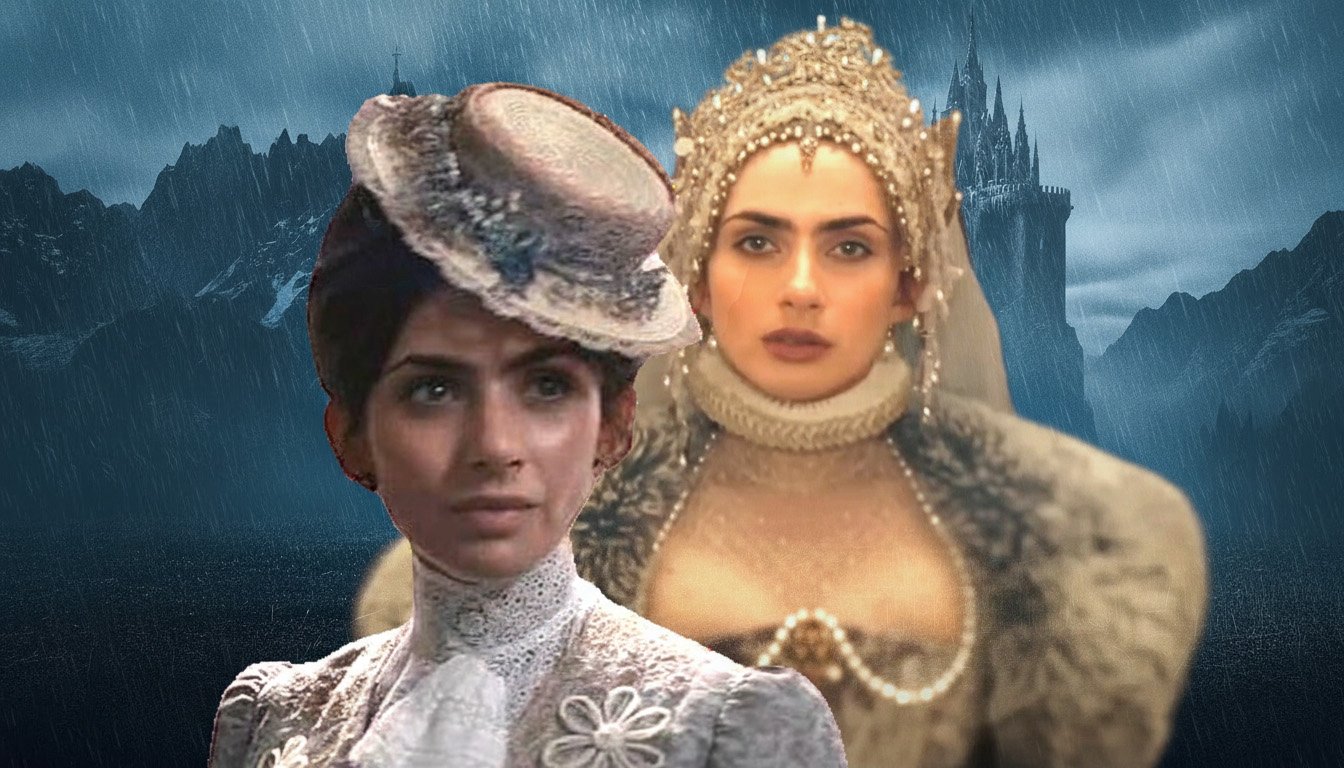
The Cast: Fragility vs. Certainty
Caleb Landry Jones brings something unusual to Dracula: fragility. You might remember him from The Last Exorcism or Antiviral, and that same vulnerability carries over here. This is a Dracula who feels breakable. He isn't dominating every frame; he’s barely holding himself together. That choice alone reshapes the character.
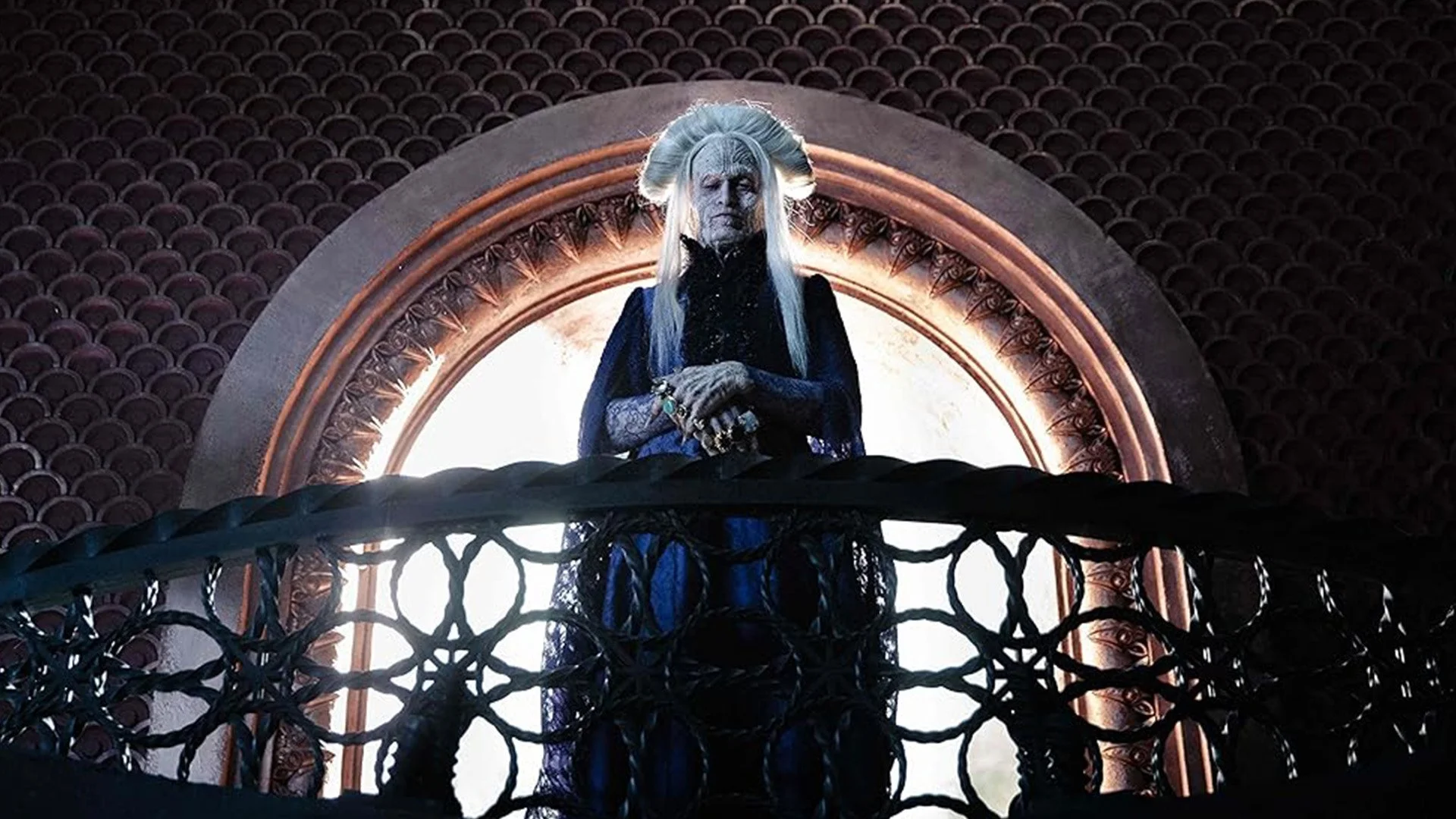
Caleb Landry Jones as Dracula
Christoph Waltz, by contrast, is control personified. Playing The Priest (a replacement for Van Helsing), he isn't evil, and he isn't cruel. He is certain. Waltz plays authority calmly, precisely, without doubt. This priest doesn't hate Dracula; he believes in order. That is the real conflict of the film: Dracula stands for Love, The Priest stands for Certainty. This isn't Good vs. Evil. It's Emotion vs. Institution.
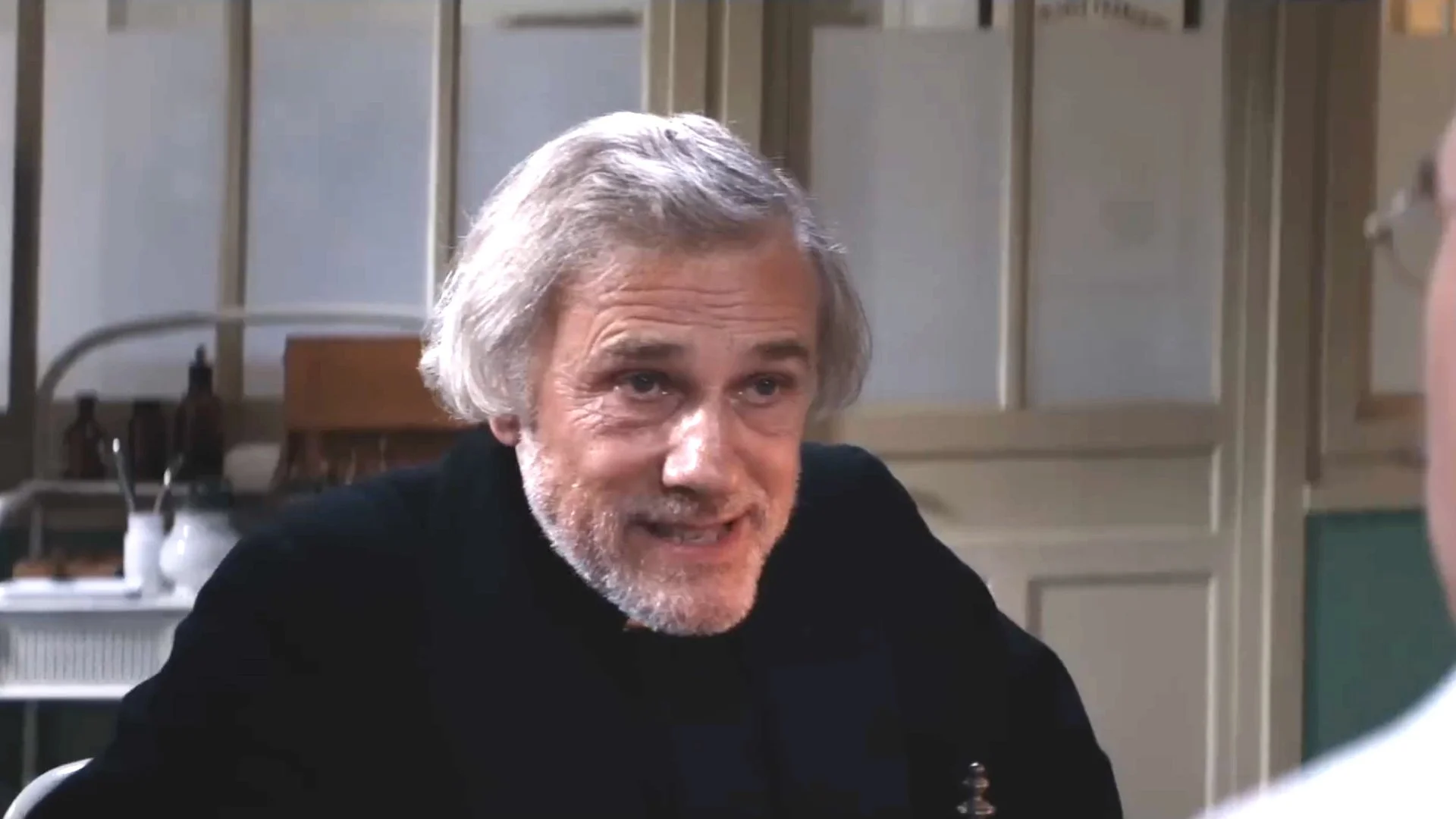
Chrisoph Waltz as “the Priest”
A Story Reshaped
Besson makes significant changes to the lore to fit this theme:
Mina (Zoë Bleu) is no longer an anchor of rationality; she is repositioned closer to memory and echo.
Jonathan Harker is no longer the narrative backbone; the story shifts away from investigation toward inevitability.
Maria (Matilda De Angelis) replaces Lucy. Instead of a Victorian morality warning, she frames the tragedy of what love erodes over time.
No Renfield, No Van Helsing: There is no "madness" to sensationalize, and no "scientist" to explain the rules. What remains is Belief versus Love with no mediator.
One contextual choice that is easy to miss is that Besson situates the backstory against the French Revolution—one of the bloodiest periods of history. This feels personal. It’s a film made by a French filmmaker reflecting on collective trauma, cycles of violence, and a memory that refuses to fade.
The Verdict
The reaction to Dracula: A Love Tale has been mixed but engaged globally. Critics have pointed out the excess, the repetition, and the lack of grounding. And honestly? They aren't wrong. The film is excessive. It is repetitive.
But it is also committed.
The thing about Luc Besson's films, and I am thinking of The Fifth Element and Valerian, is that he interjects a certain Besson flavor of humor that can be absurd and silly at times.
Besson throws in an insane dance scene as Dracula seduces the women of Paris right before the French Revolution. I am still processing that right now. But hey, that's Besson for you. I also want to mention the gargoyles that appeared sometime during Vlad's 400 years of immortal suffering, serving as his personal servants and defenders. Think of the Fifth Element's Mangalores.
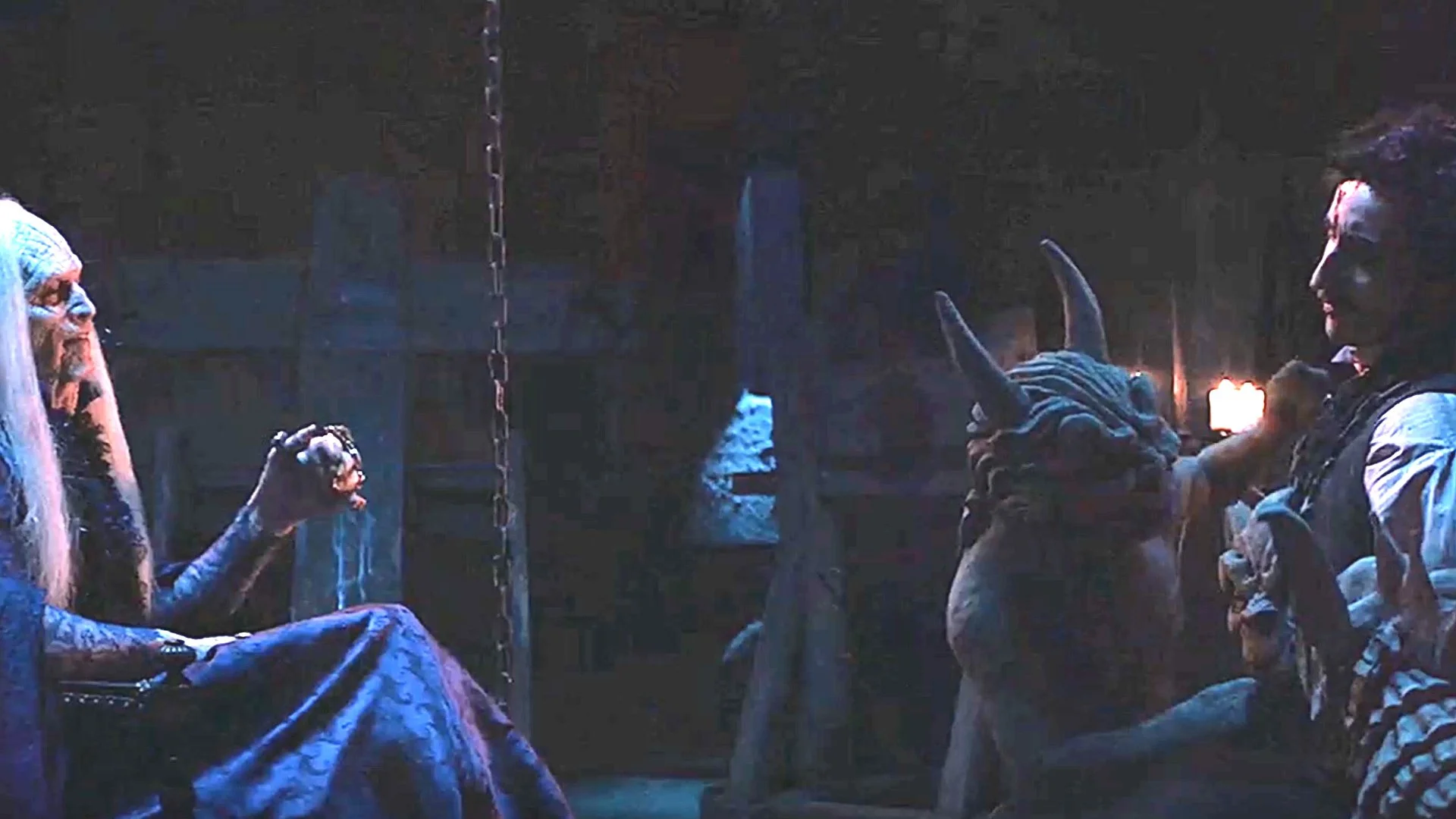
Caleb Landry Jones, while playing a reluctant warrior, a tortured, broken soul pining after his first and only love, handled the many knife and sword fighting scenes extremely well. He was willing to go all out at Besson's direction.
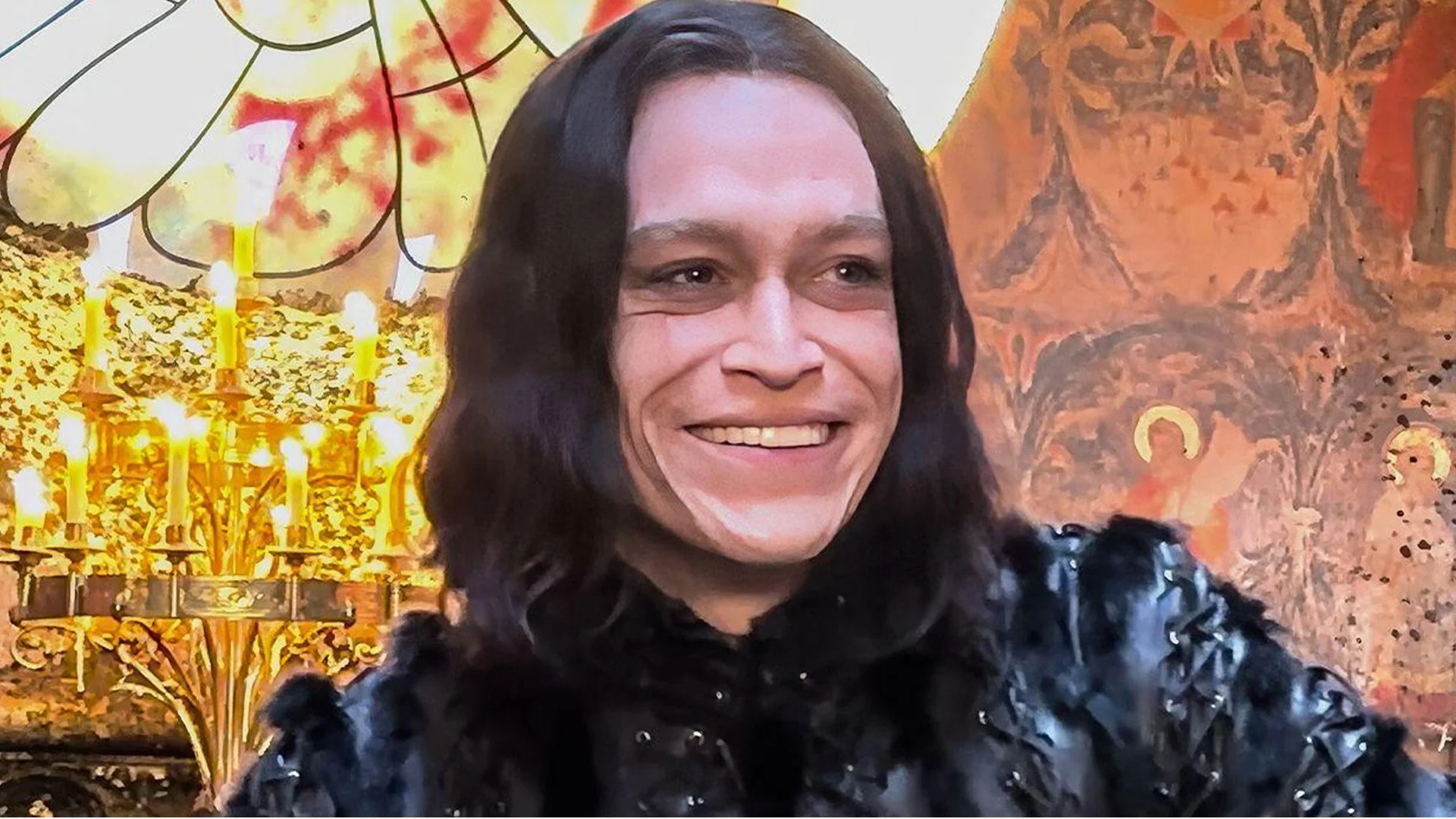
I do recommend this film—but with intention. If I had to give it a rating, I’d land at 3 out of 5—not because it’s flawless, but because it’s committed.
And commitment matters.
If I had to give it a rating, I landed around 3.5 to 4 out of 5. Not because it's flawless, but because it is sincere. It treats love as something dangerous and defiant. It asks you to sit with emotion, repetition, and unresolved grief.
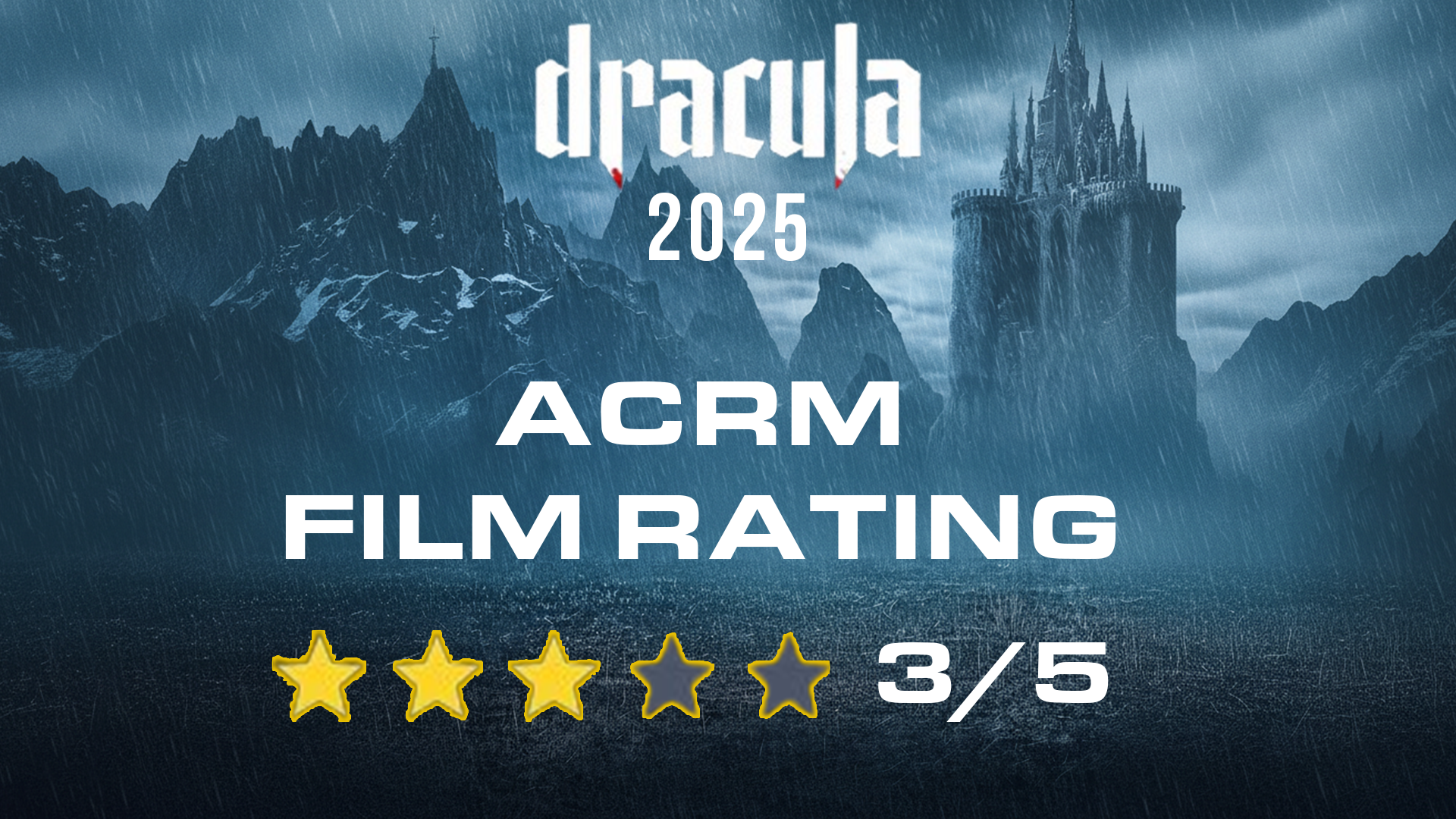
ACRM RATING - 3/5
If you believe love should outrank divine or institutional authority, this film might haunt you. If you don't, it will frustrate you. But in a landscape of safe remakes, a film willing to take a risk like this is worth your time.
Blog Bonus:
dracula: Plot Breakdown
Since the film has different cuts and details circulating, here is the verified plot structure for the 2025 release:
Part I: The Origin (1462) Prince Vladimir (Caleb Landry Jones) returns from war to find his wife, Elisabeta, has died by suicide. The Priest (Christoph Waltz) refuses to bury her in consecrated ground. Vladimir renounces his faith, drinking blood from the chalice and vowing to survive death to find her.
Part II: The Reign of Terror (1793) A significant sequence absent from the novel. Dracula is in Paris during the French Revolution. He saves a young aristocrat, Maria (Matilda De Angelis), from the guillotine by turning her. She becomes his companion, establishing a centuries-long bond before the main story begins.
Part III: The 19th Century Dracula arrives in a stylized European capital. He spots Mina (Zoë Bleu), the reincarnation of Elisabeta. The "Lucy" character is replaced by Maria, who becomes jealous as Dracula abandons their bond to pursue his lost love. There is no Renfield or Van Helsing; The Priest returns as the primary antagonist, representing the Church's long memory.
Part IV: The Finale The climax occurs in a Castle Dracula. Realizing that his war with God has only brought suffering to Mina, Dracula chooses sacrifice. He refuses to fight, allowing himself to die in Mina's arms, ending the cycle of defiance not through victory, but through release.
If you enjoyed this review, consider subscribing to A Constantly Racing Mind for more thoughtful takes on Sci-Fi, Horror, and Genre films.
