Author: Rob Barbere (A Constantly Racing Mind)
Rating: 4.5 / 5
Beyond the Spectacle: Building on Minus One
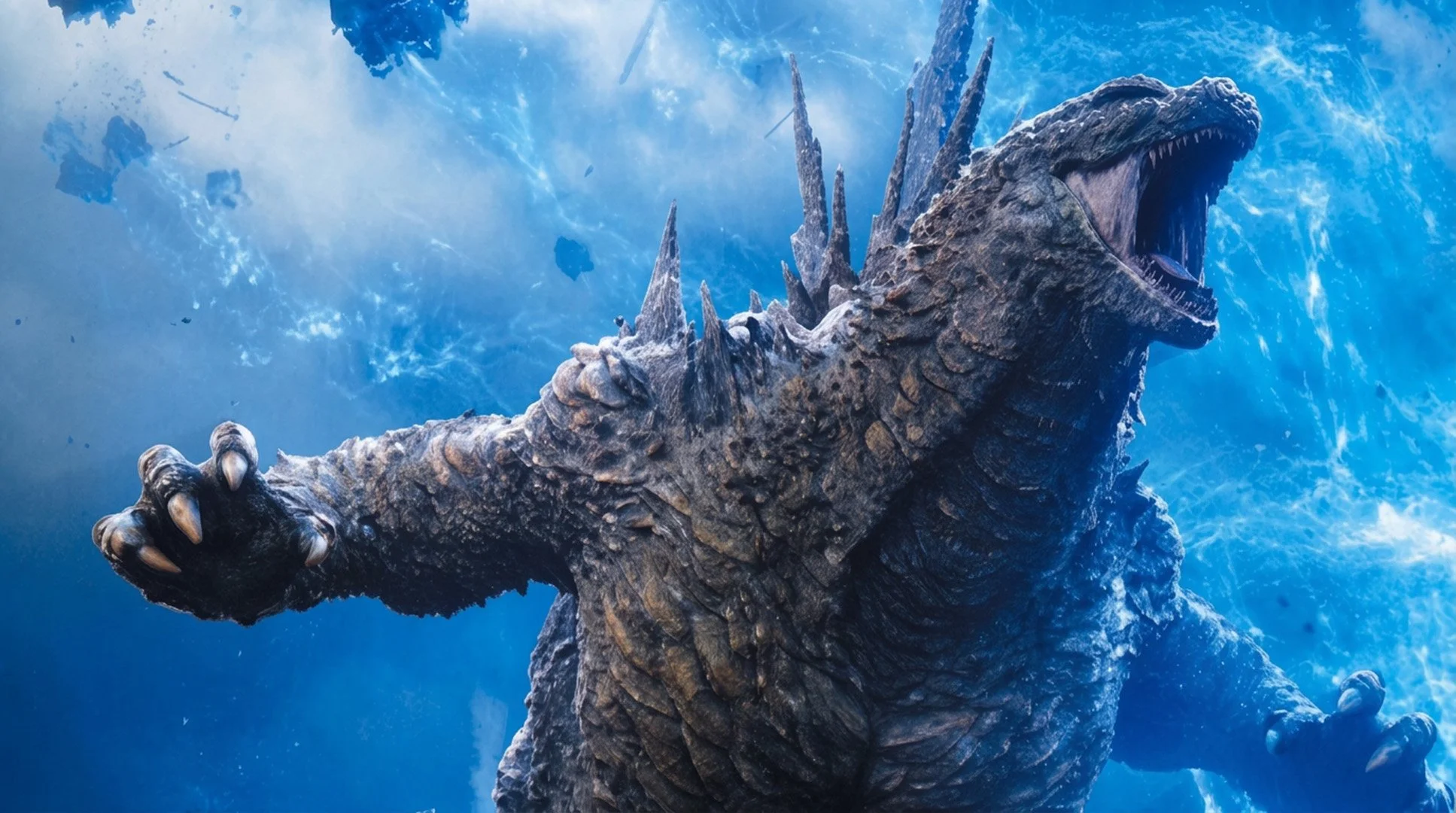
Godzilla Minus One achieved what so few contemporary creature features manage: it resurrected the raw, suffocating dread of the King of the Monsters while anchoring the destruction to characters whose survival actually mattered. Following an internationally acclaimed, Academy Award-winning breakthrough is an unenviable task. Rather than simply ramping up superficial spectacle, director and writer Takashi Yamazaki expands the canvas without abandoning the thematic core. Godzilla Minus Zero returns to postwar Japan in 1949, approximately two years after the devastating events of the previous film. The physical ruins are slowly clearing, but the psychological wreckage remains acute.
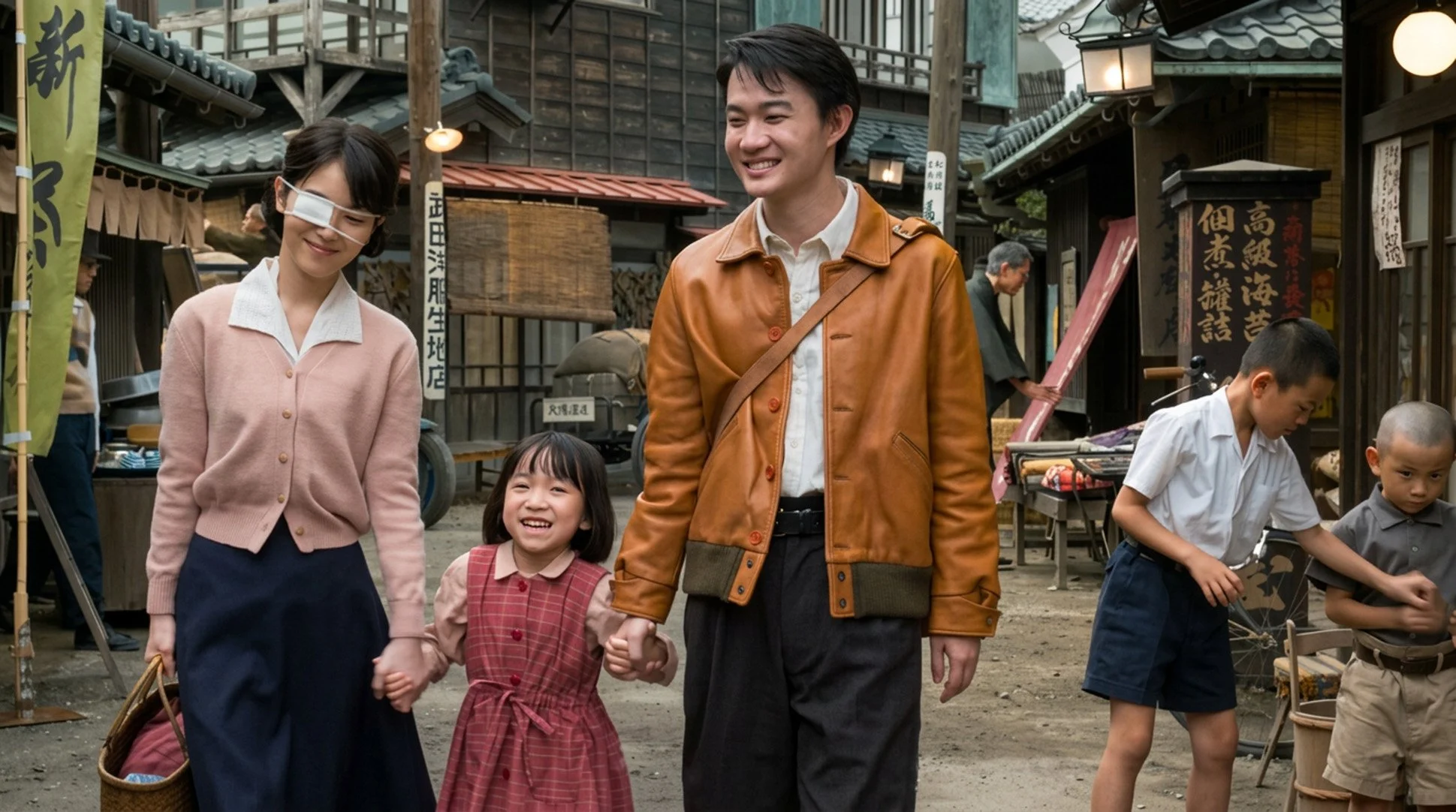
Koichi Shikishima (Ryunosuke Kamiki) and Noriko (Minami Hamabe) are striving to provide a quiet, stable life for young Akiko. This domestic rhythm—characterized by tentative smiles, modest shared meals, and the lingering trauma that causes a child to flinch at sudden noises—grounds the narrative before the genre elements intrude. Yamazaki understands that the monster's arrival hurts only if the audience feels the fragility of what is being threatened.
Craft, Continuity, and Technical Ambition
The production retains the core creative unit that made Minus One a technical marvel. Working with an expanded visual effects department—grown modestly from roughly 35 artists to 41—Yamazaki demonstrates how deliberate framing, street-level perspectives, and physical environmental displacement can make digital titans feel terrifyingly tactile. While a handful of visual effects composites reveal their seams in broader daylight shots, the vast majority of the destruction carries tremendous physical weight.

Cinematographer Kōzō Shibasaki maintains visual continuity through deliberate framing that balances claustrophobic human reactions against towering geographic destruction. Naoki Satō’s score alternates effectively between Akira Ifukube’s iconic thematic brass and restrained, ambient pauses that allow tension to simmer. Ryūji Miyajima’s editing maintains narrative clarity through dense action sequences, even if the middle section suffers from occasional pacing lulls during heavier technical expositions. The sound design delivers an immense physical presence; the low-frequency resonance of footsteps and rubble conveys scale well before Godzilla's definitive roar cuts through the theater.
(Theatrical note: While there is no mid- or post-credit scene, the closing credits conclude with the sound of heavy footsteps crushing debris, followed by a final, ominous roar.)
Critical Analysis: The Metaphysics of Escalation and Human Cost (Spoilers)
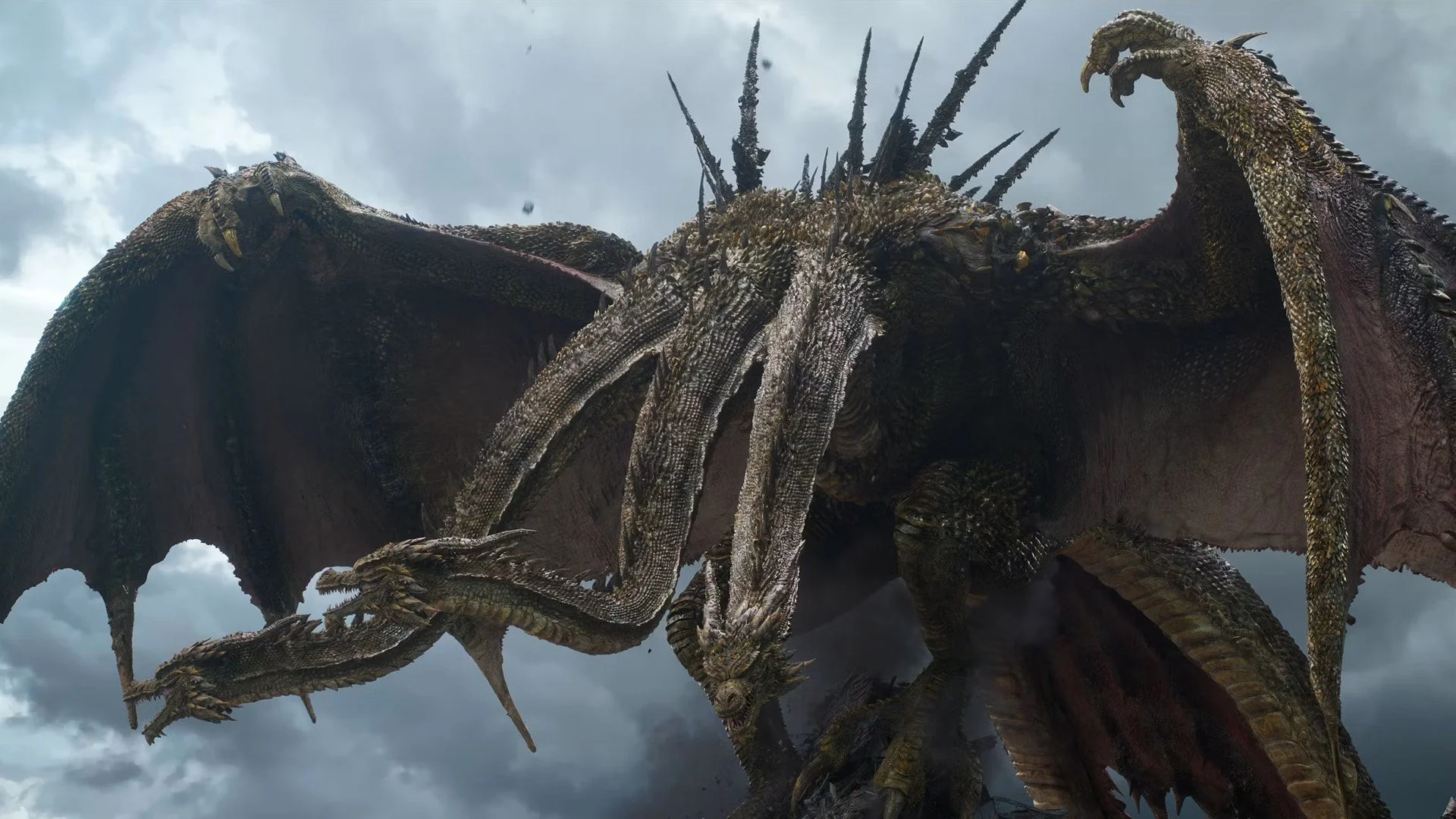
The narrative shifts gears dramatically with the arrival of Ghidorah. Rather than appearing immediately as an all-powerful titan, the creature debuts in a serpentine, single-headed form that attacks Matsumoto City with concentrated lightning breath, bringing an intimate, dread-soaked horror before evolving into its classic three-headed monstrosity.
Faced with an adaptable threat immune to conventional military hardware and experimental lightning harpoons, the civilian-led scientific cadre turns to Professor Murakami’s study of Godzilla’s regenerative G-cells. The revelation that survivors carrying residual G-cell infections function as biological homing beacons forces an agonizing tactical pivot: Noriko becomes the lure.
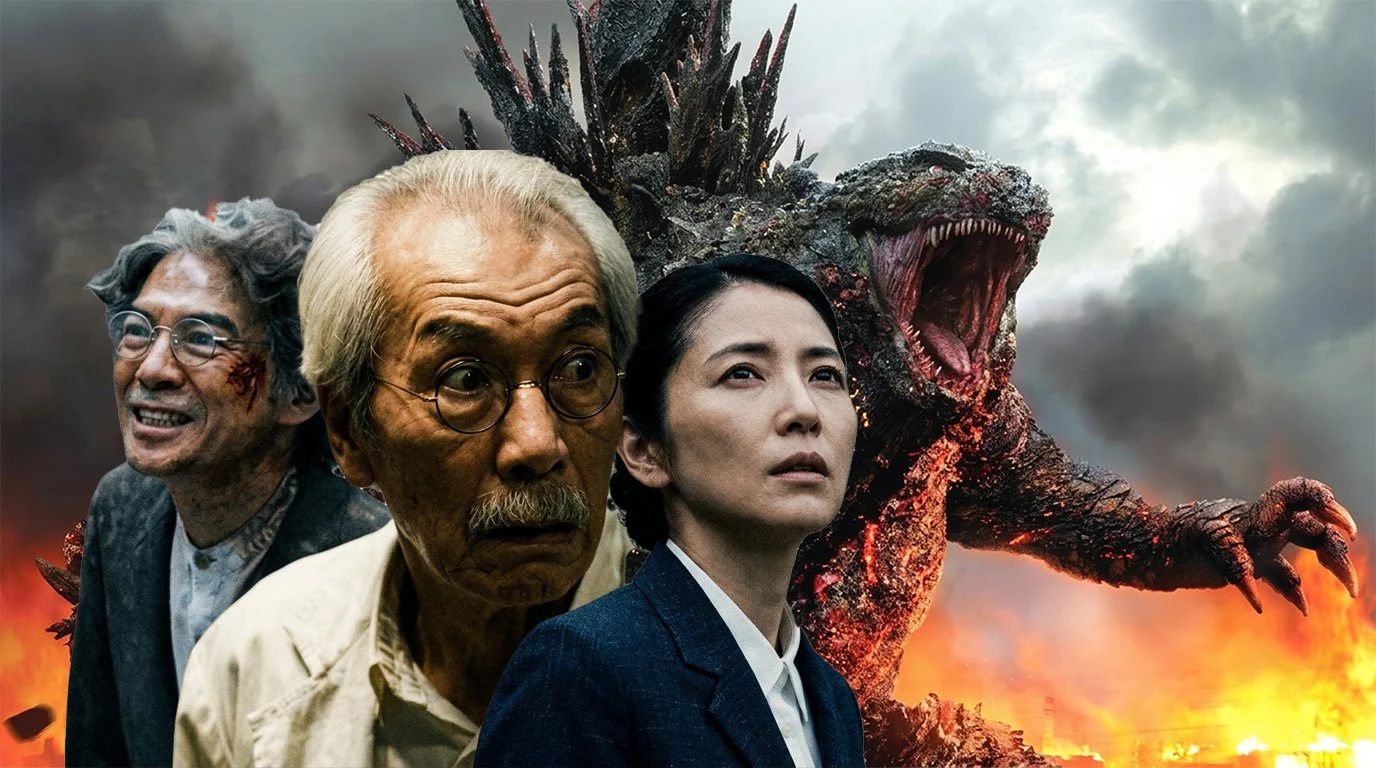
This sequence represents the dramatic high-water mark of the film. Yamazaki sidesteps exploitative tropes by framing Noriko not as passive bait but as an agent choosing an existential risk to preserve her community. For Shikishima, who spent years clawing his way out of suicidal survivor's guilt, watching the anchor of his reconstructed family placed deliberately in the path of two apex horrors is pure psychological torment.
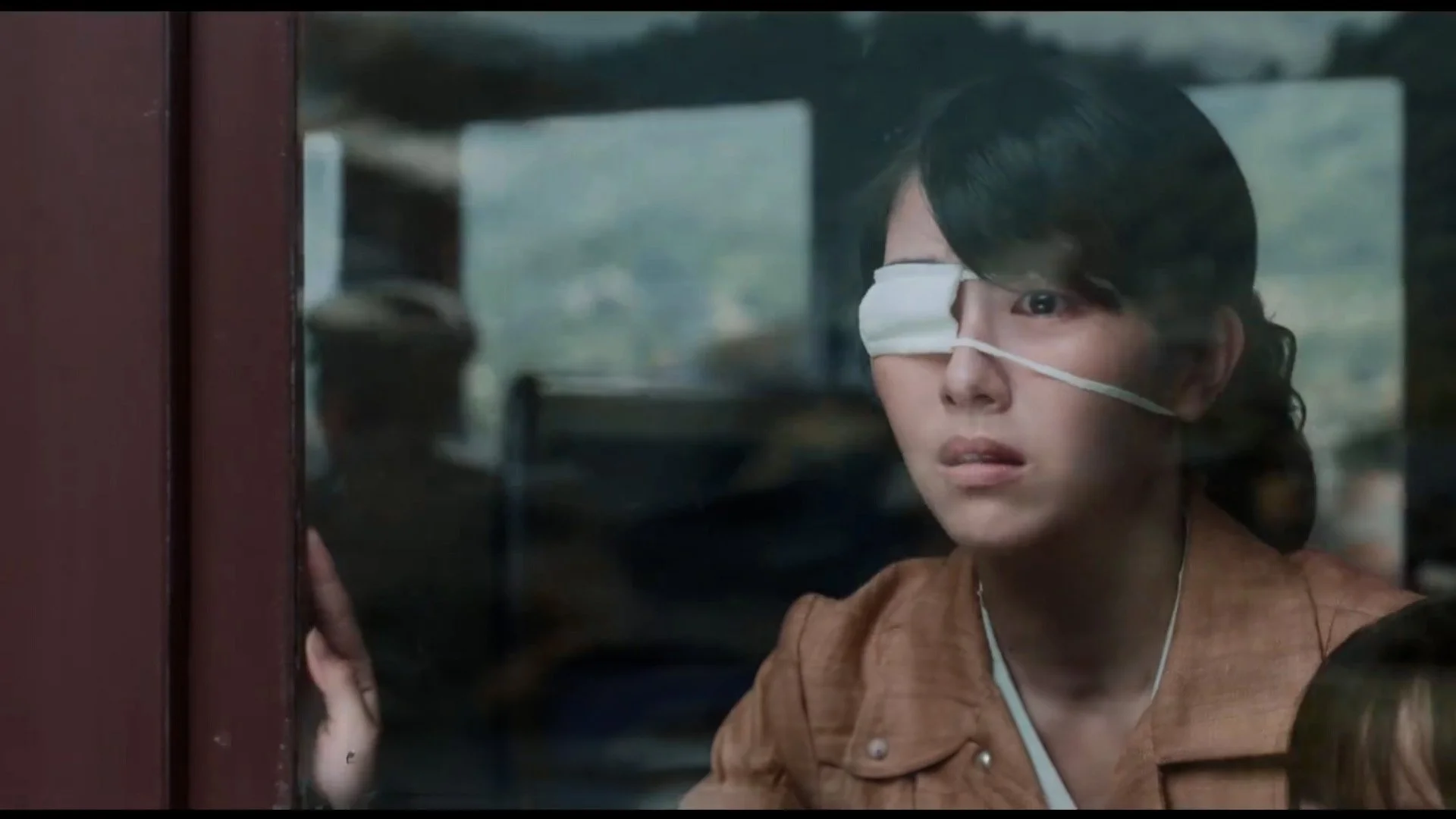
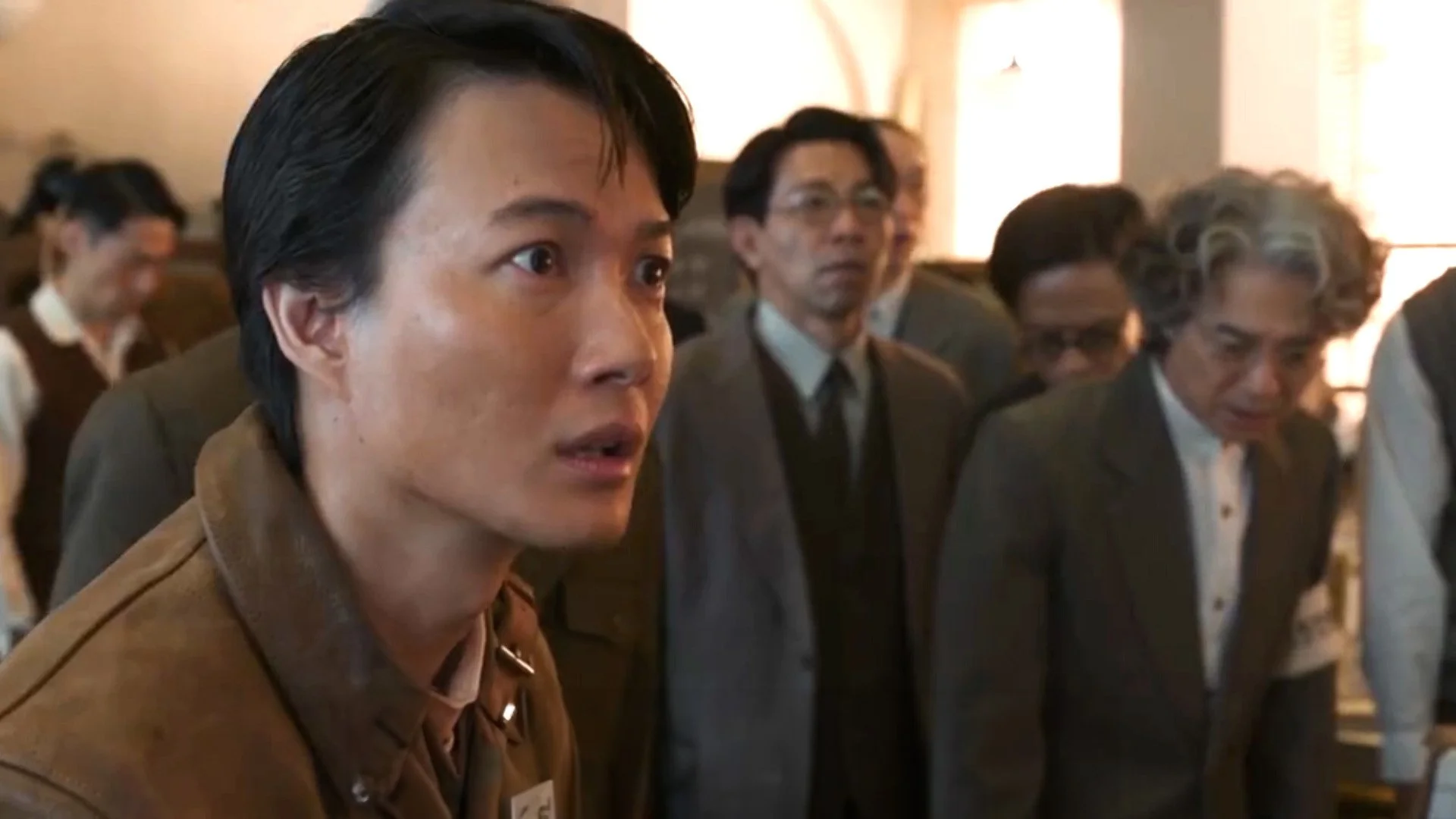
When the titans clash, the violence carries an uncompromising, brutal weight. Ghidorah’s golden gravity beams tear open urban centers, while Godzilla’s tail strike cleanly severs one of his rival’s heads in a ferocious display of territorial brutality. Yet victory extracts a severe toll. Kenji Noda (Hidetaka Yoshioka)—the intellectual spine of the postwar civilian resistance—perishes amid the falling structural debris of his own trap, leaving behind the parting charge, "I leave the rest to you."
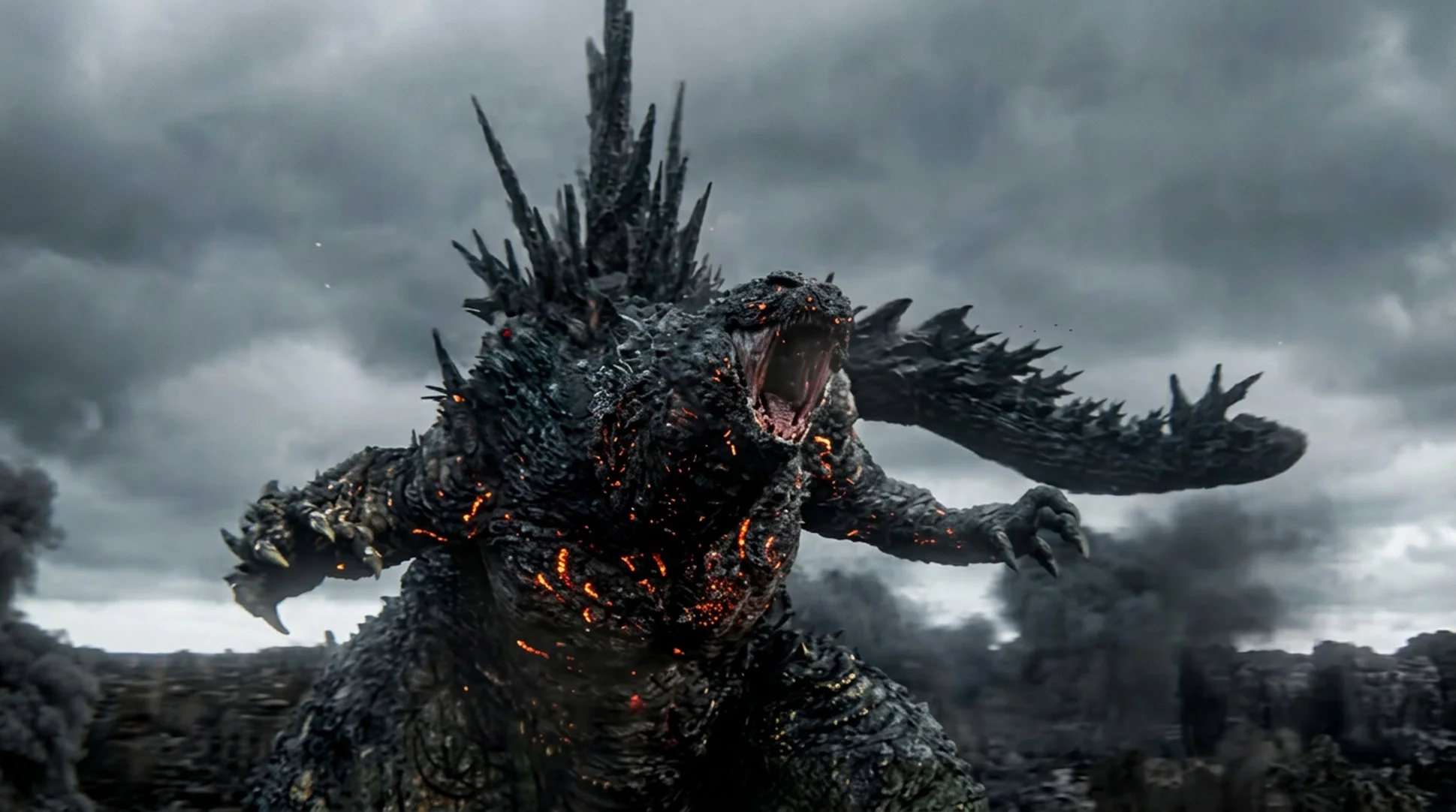
The film’s final act ventures into chilling geopolitical cynicism. With Ghidorah destroyed, arriving American forces do not seek relief or stabilization; they seek custody of Murakami’s G-cell research and view Noriko as a biological asset. Rather than surrendering to an emergent military-industrial arms race, Dr. Murakami burns his life's work, and Shikishima chooses flight—taking Noriko and Akiko into hiding. They abandon hard-won domestic stability to prevent their family from becoming cogs in another empire's weapons division.
Underneath the monster conflict lies a stark warning regarding escalation. Minus One explored the trauma of the atomic blast; Minus Zero confronts what happens when superweapons trigger an endless competitive race for greater destructive power. Against the crushing weight of systemic power and cosmic scale, the film locates its only genuine defense in moral duty, self-restraint, and chosen family.