Grief as the Only Ritual: Analyzing We Bury the Dead (2026)
Welcome back to the A Constantly Racing Mind blog. If you’ve been following the A Constantly Racing Mind YouTube channel, you know we don't just review films; we examine their emotional and cultural architecture. Today, we’re diving into Zach Hilditch’s latest effort, We Bury the Dead—a film that subverts the traditional "undead" narrative to ask a far more unsettling question: What happens after everything has already gone wrong?.
The Anatomy of the Aftermath
Most horror films obsess over the moment of collapse—the spectacle of the dead rising. We Bury the Dead begins where those stories end. Set in a quarantined, post-disaster Tasmania, the film treats loss as a logistical process. Survival here isn't about grand heroism; it is institutionalized and administrative.
Director Zach Hilditch prioritizes emotional realism over genre mechanics, creating a world where death is no longer a shock, but a routine task. Pair that with the cinematography of Steven Annis (Color Out of Space), and you get a film defined by desaturated palettes and vast, empty spaces that visually mirror the isolation of the characters.
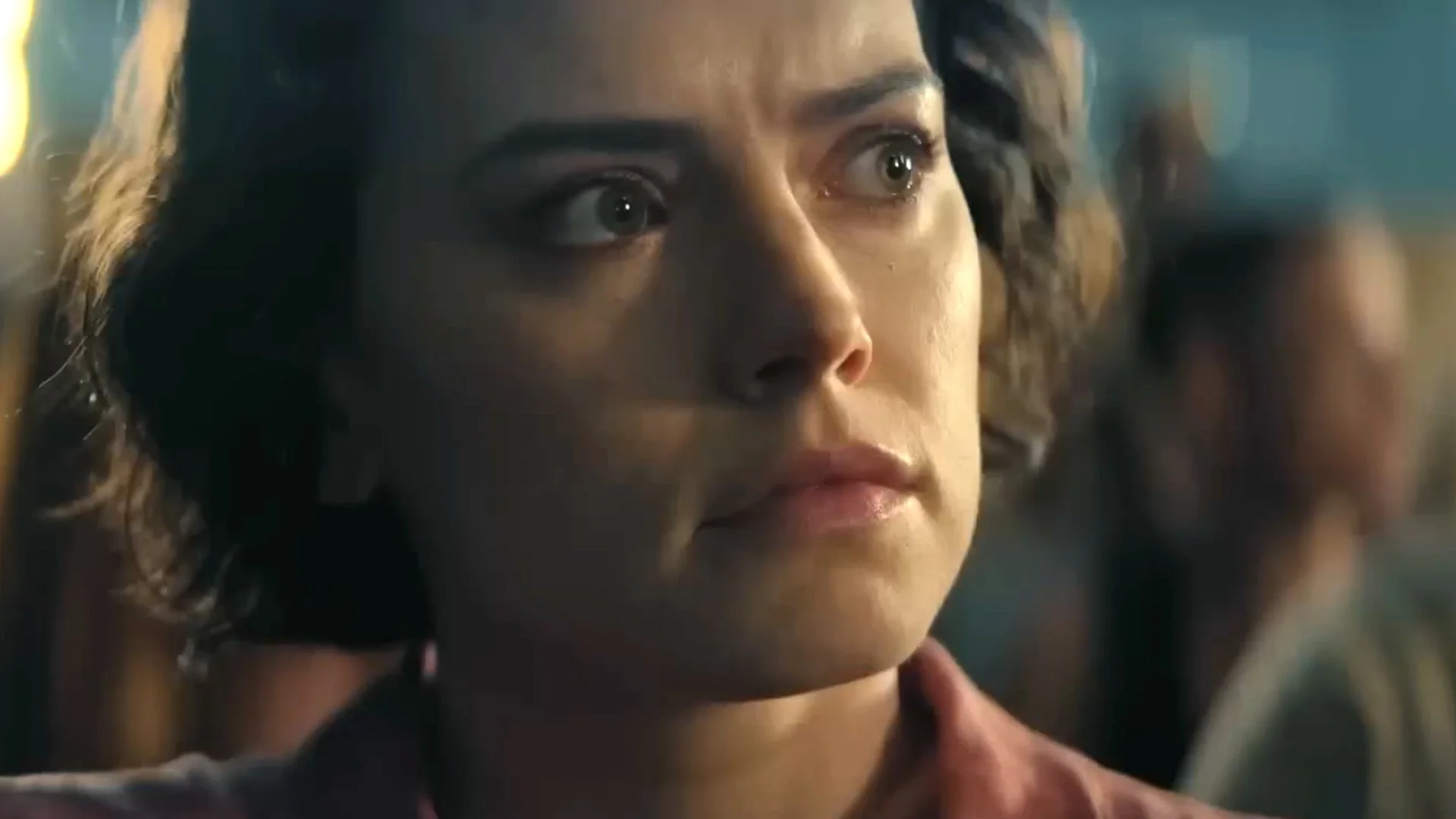
Daisy Ridley as Ava, a woman who is desperate for closure rather than reconciliation.
Casting Against Expectation
One of the most fascinating aspects of this production is the way it utilizes its lead actors’ genre histories to deepen the psychological impact:
Daisy Ridley (Ava Newman): Globally recognized as a symbol of mythic heroism in Star Wars, Ridley is stripped of all "chosen one" spectacle here. Ava is not reacting to horror; she is carrying it. Her search for her missing husband isn't fueled by hope, but by the permanent weight of unresolved guilt and regret.
Brenton Thwaites (Clay): Typically cast as the reluctant hero in fantasy worlds (Pirates of the Caribbean, Titans), Thwaites plays a man who has mastered emotional compartmentalization. His arc serves as a powerful reminder that sacrifice and good intentions cannot always undo past harm.
Grief as a Force of Nature
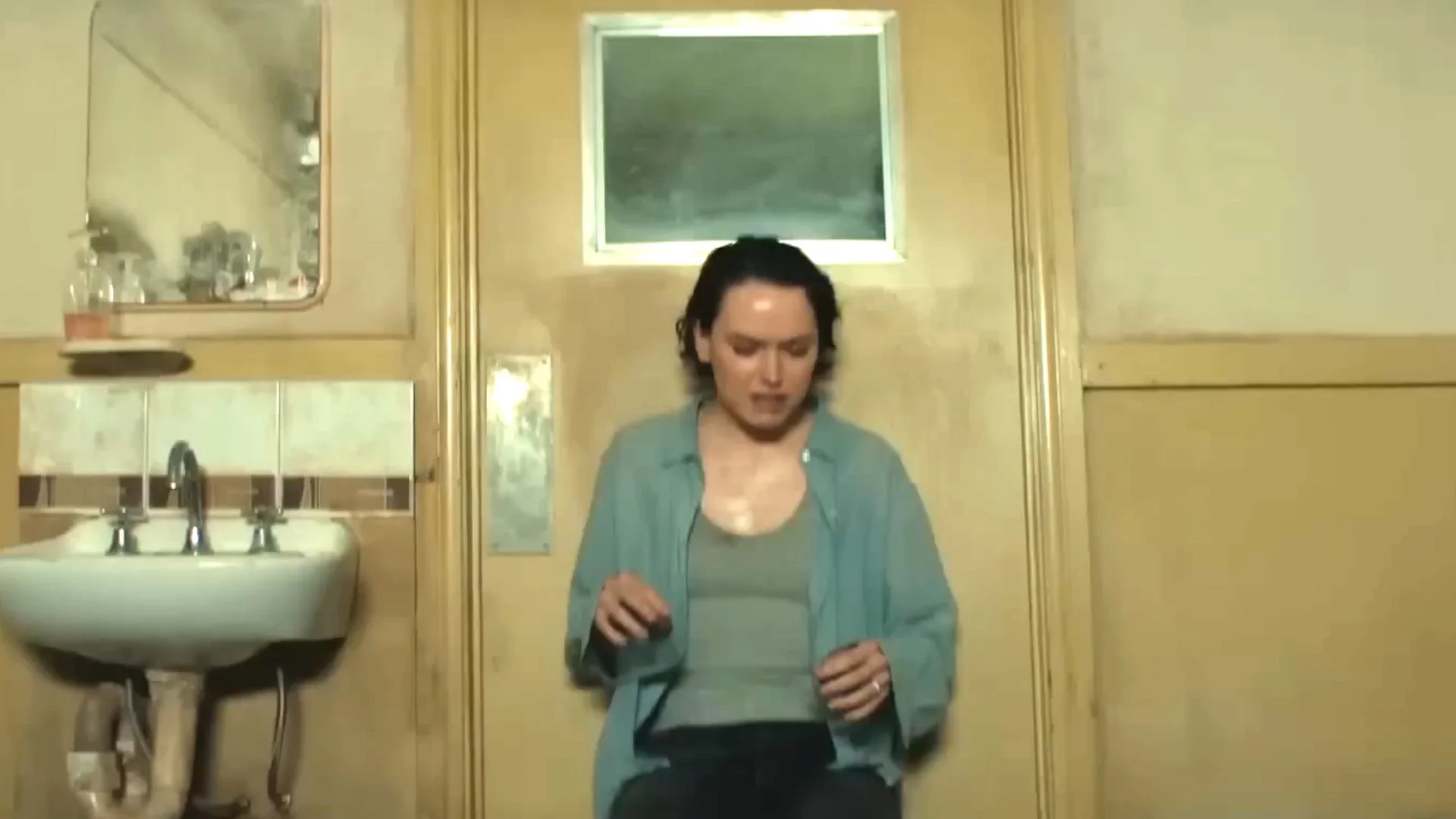
In this narrative, the reanimated dead aren't the primary villains—grief is the inescapable force.
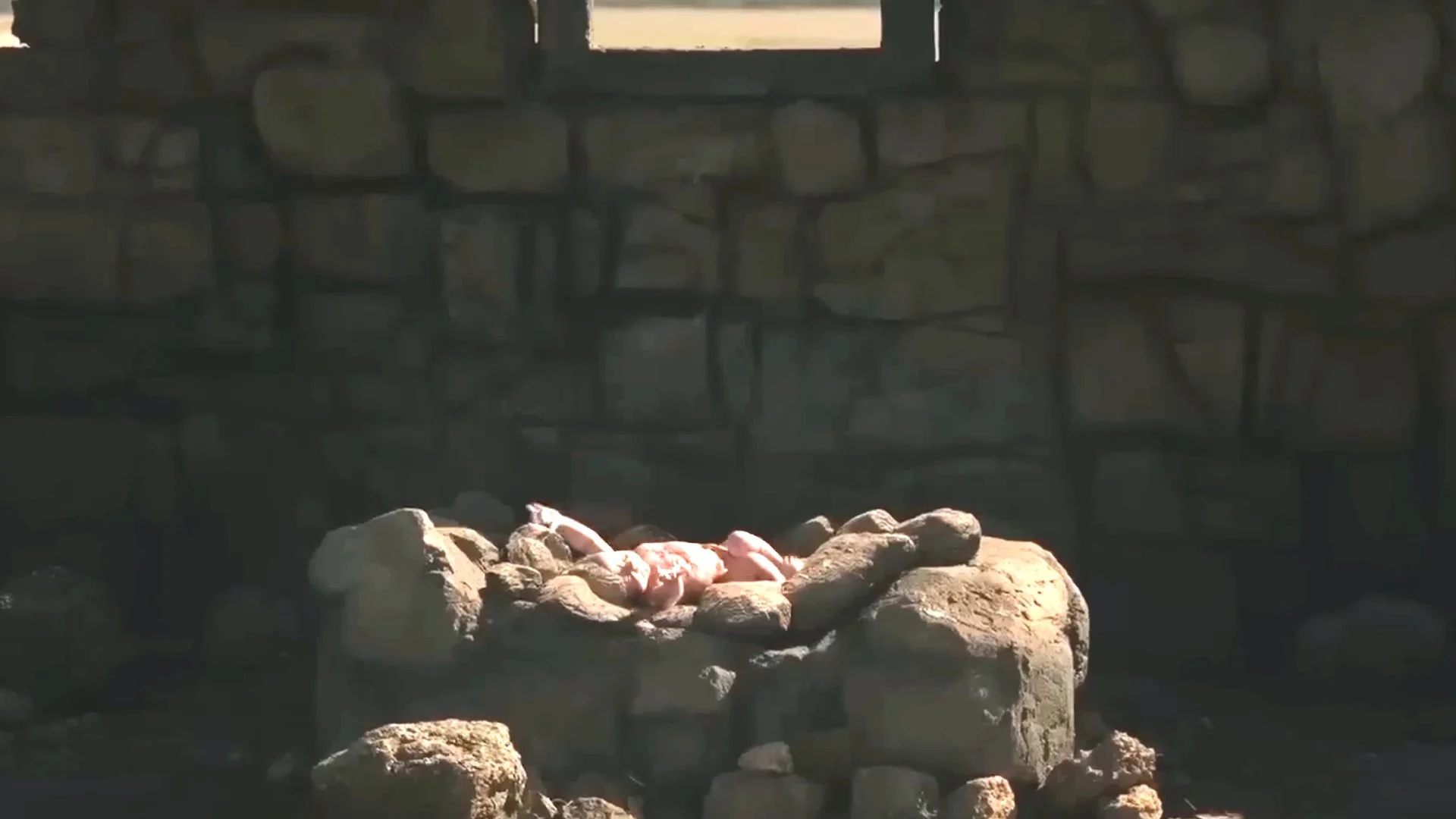
The film’s turning point occurs when Ava helps an undead man bury his own family. In that moment, she stops reacting to the horror and begins managing it. The final act, involving a live newborn discovered at a stone altar, offers no easy comfort. It suggests a world where life and loss coexist in a cycle that can be endured, but never fully "solved".
Production Snapshot: We Bury the Dead
Film Specs & Economics
The Zach Hilditch Thematic Evolution
To understand the "Grief-Horror" of We Bury the Dead, watch these earlier works in order:
Explores the final day before global annihilation. It establishes his interest in how we choose to behave when survival is no longer an option.
An adaptation of Stephen King's novella. This film focuses on guilt that refuses to stay buried, manifesting as moral decay rather than supernatural spectacle.
A synthesis of his career. It treats internal collapse as the true horror, accepting that the catastrophe has already happened.
Join the Discussion
We Bury the Dead fits into a modern horror lineage that replaces jump scares with trauma-forward storytelling. It is designed to linger, not to shock.
Did the ending feel like a moment of hope to you, or just a grim continuation of the cycle?
Let’s discuss in the comments below.
