Onslaught 2026 - is it worth watching?
After two movies watching Godzilla and Kong beat the hell out of everything in sight, Adam Wingard has gone small again. Well, smaller. Onslaught trades giant monsters for genetically engineered super soldiers, drops them into the New Mexico desert, and puts Adria Arjona between them and her daughter. It’s bloody, fast, weird, very weird, and much closer to the Wingard who gave us You’re Next and The Guest. The question is whether going back to his roots actually works.
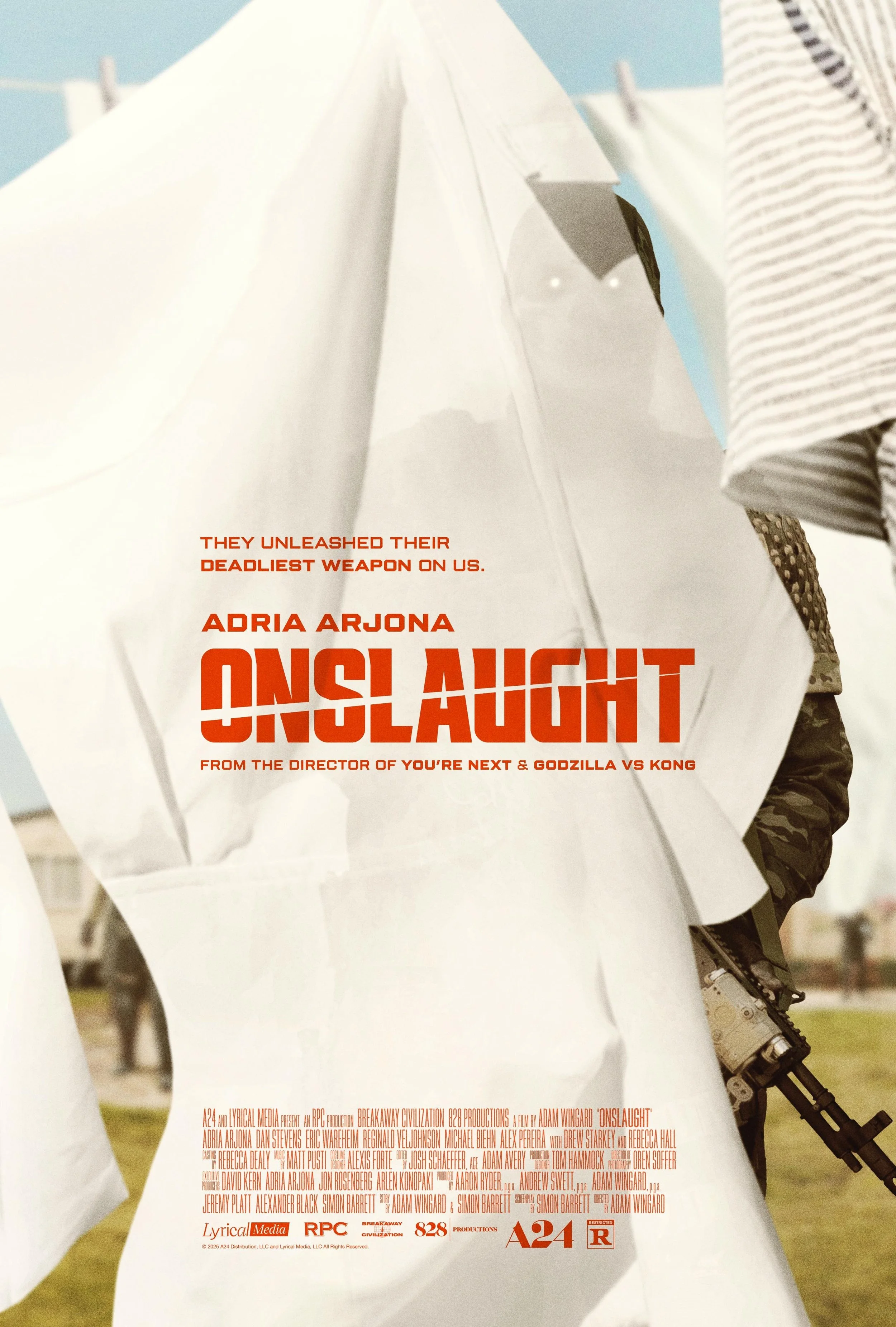
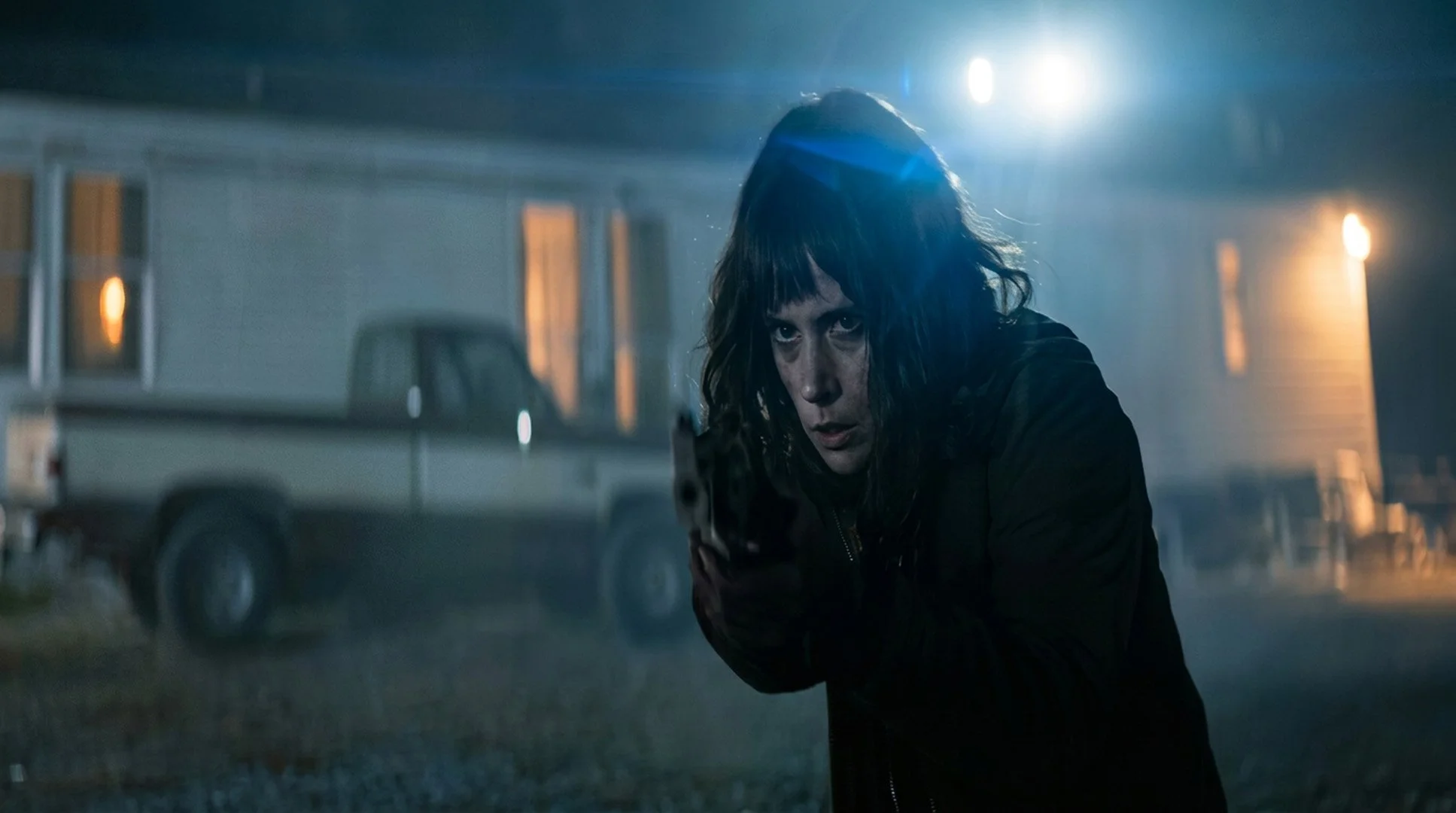
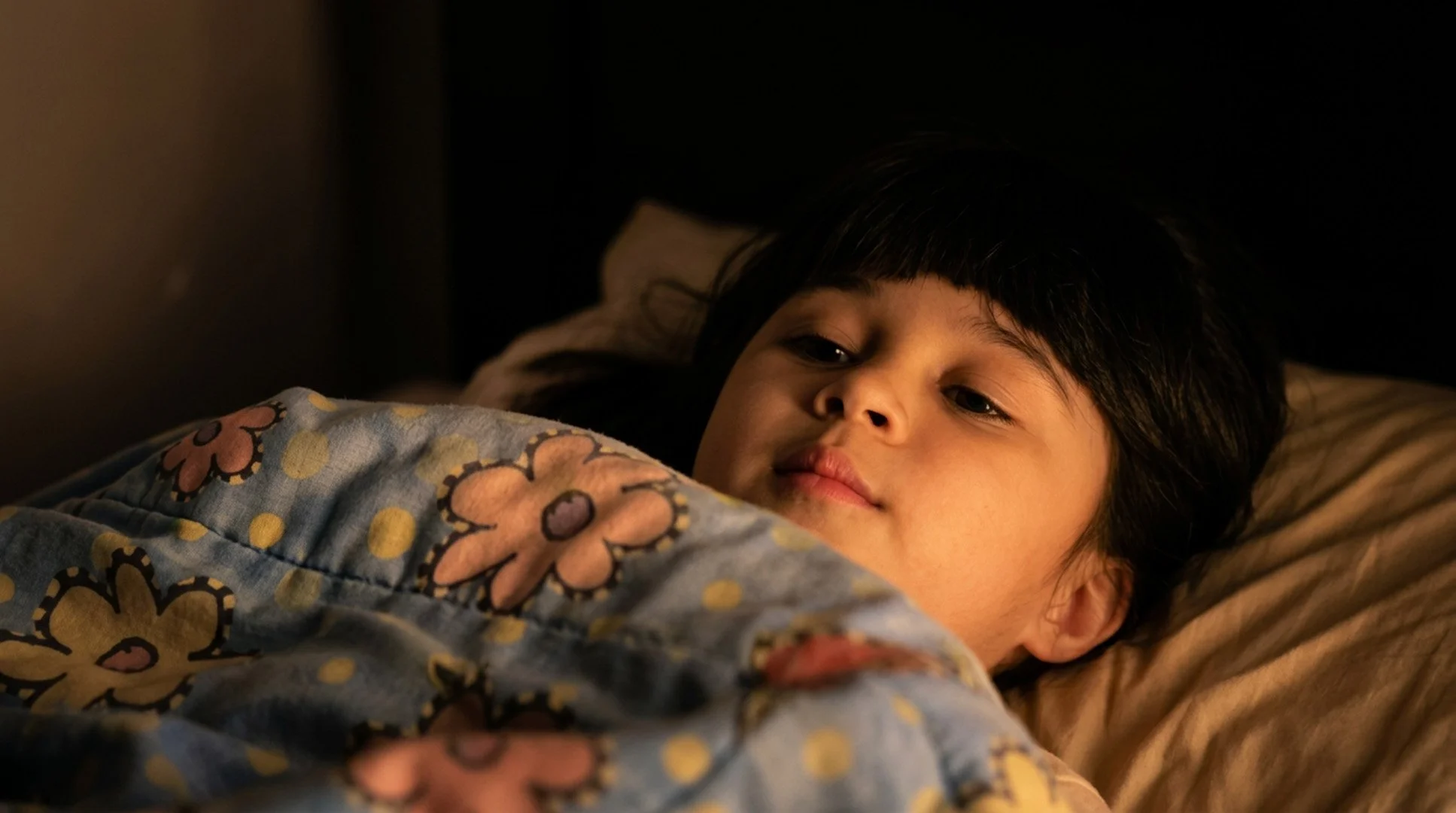
Adria Arjona plays Celeste, a former Army sniper who is now managing a trailer park in Moriarty, New Mexico. Her young daughter Daisy comes to stay with her for the weekend, just as something goes very wrong at a secret facility nearby. Three genetically engineered soldiers escape, and they're designed to do one thing extremely well: kill. When they begin moving toward Celeste's community, her old military training suddenly becomes very useful. What follows is a contained survival story that mixes military Action, Sci-Fi, Horror, and a healthy dose of dark humor.
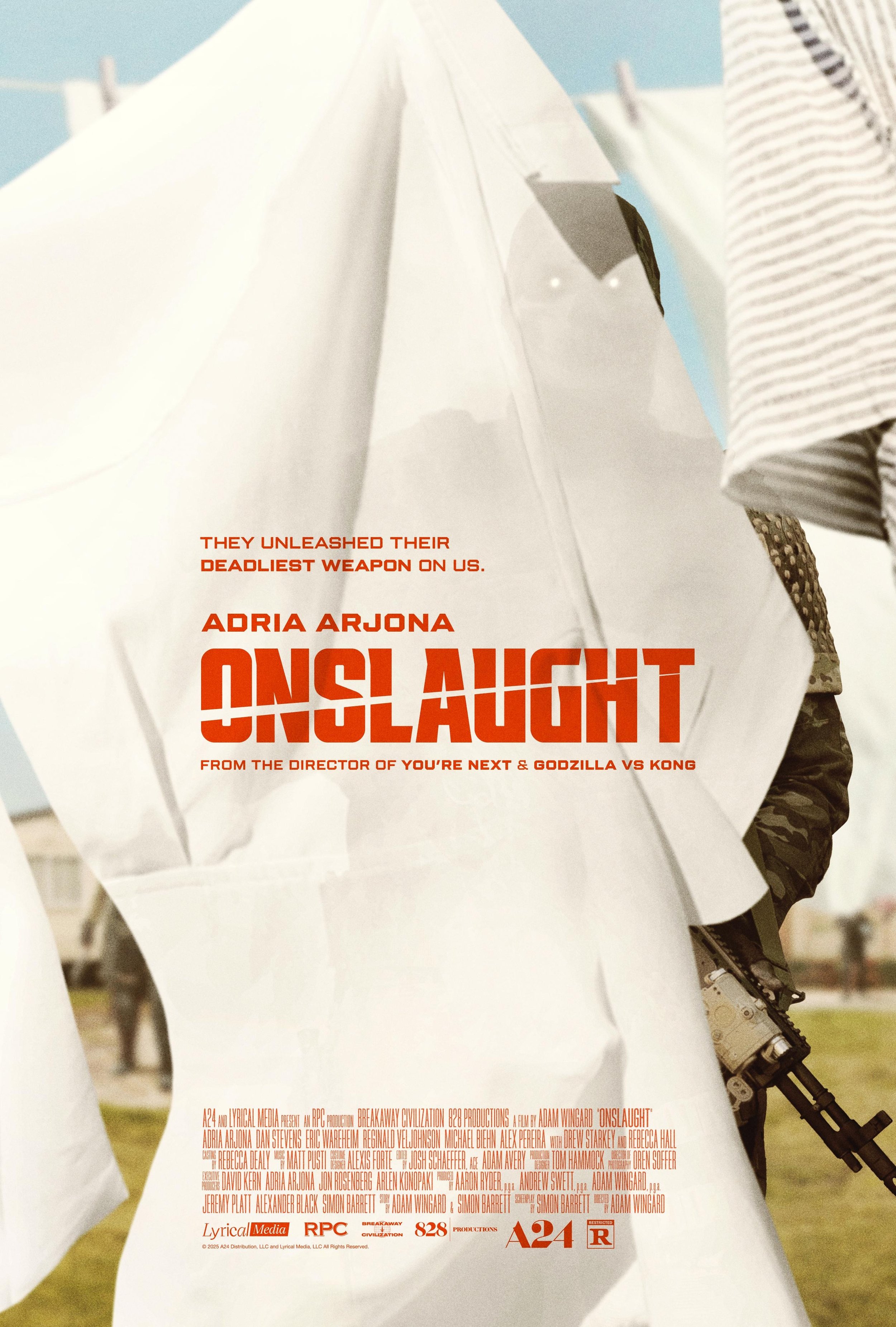
Behind the Camera & Screenplay
Adam Wingard has spent much of his career moving between Horror, Action, and big-budget genre filmmaking. He first built his reputation in independent horror with films like A Horrible Way to Die and You’re Next. But one of the most important films for understanding Onslaught is 2014’s The Guest, which paired Wingard with screenwriter Simon Barrett and Dan Stevens, combining action, horror, dark comedy, and a seemingly unstoppable soldier into one very strange package.
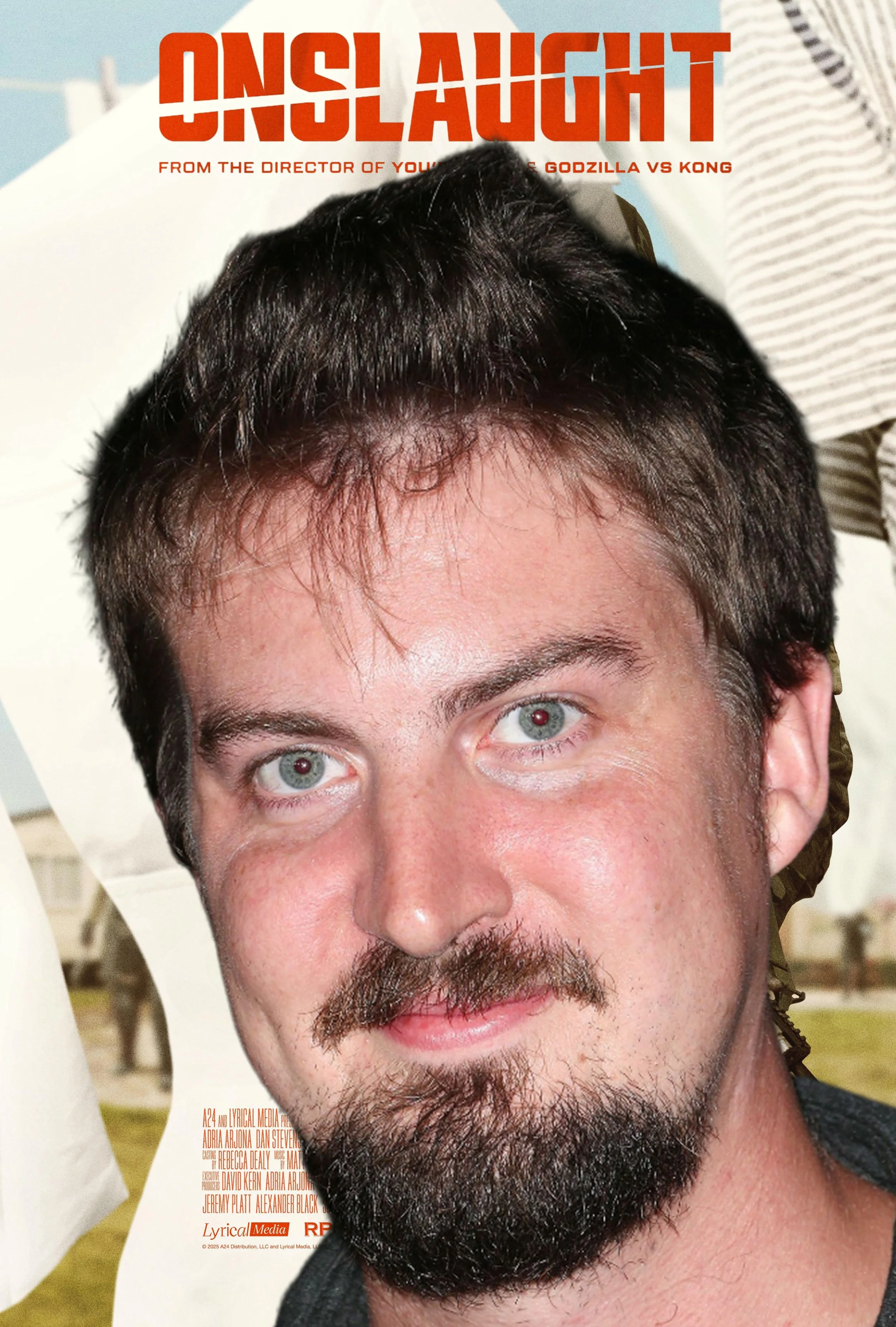
Adam Wingard - Director
Wingard later moved into much larger productions, directing Blair Witch, Netflix’s Death Note, and then entering the MonsterVerse with Godzilla vs. Kong and Godzilla x Kong: The New Empire. Those movies gave him experience handling massive action sequences and visual effects on a completely different scale.
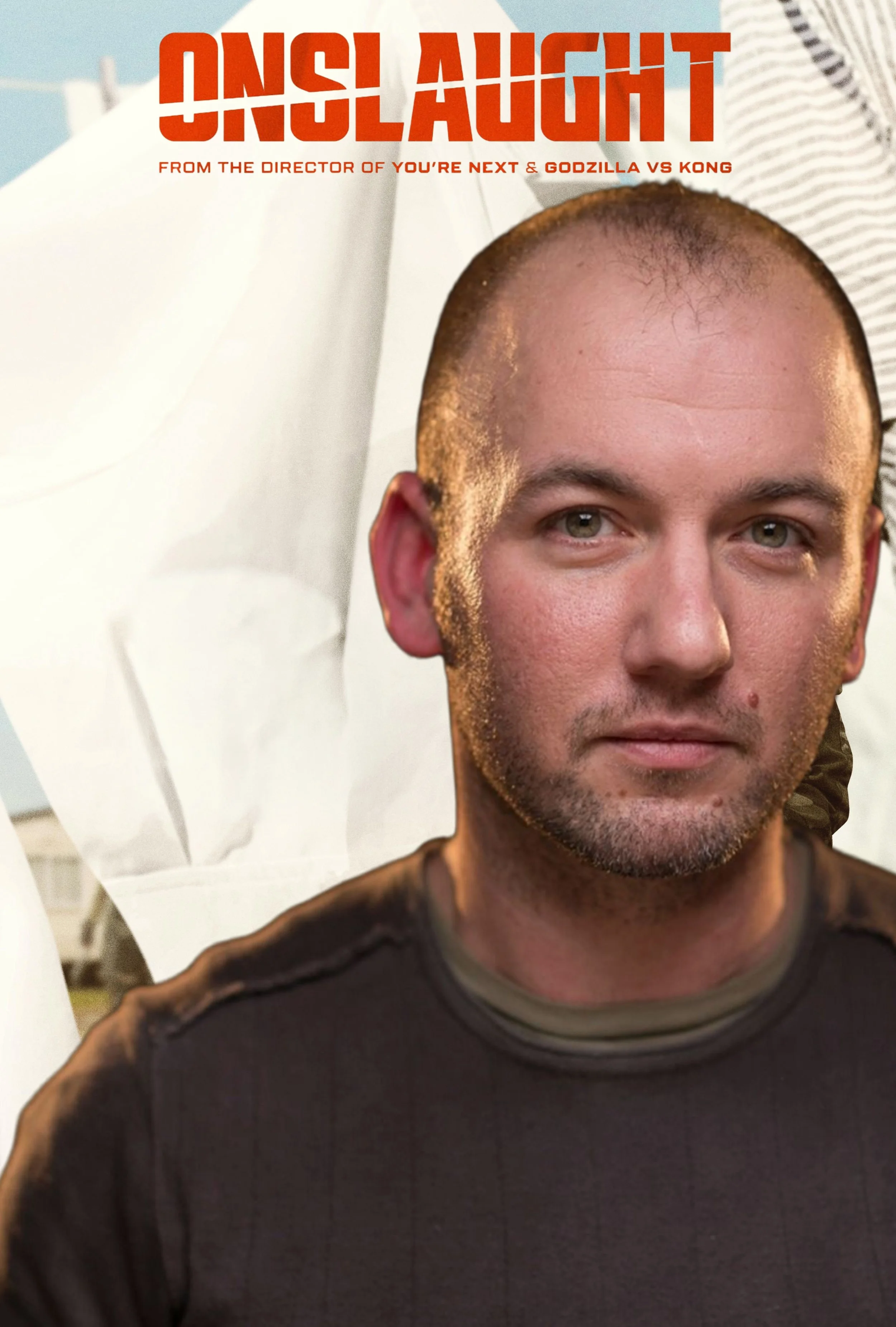
Onslaught brings Wingard back together with Simon Barrett and gives him something much smaller and nastier to work with. Instead of giant monsters destroying cities, the movie centers its action around Celeste, her daughter, and a trailer park under attack by genetically engineered soldiers. You can still see some of the lessons Wingard picked up from those bigger movies: the action is aggressive, the violence is exaggerated, and the film isn't afraid to get ridiculous. But the smaller setting lets him return to the kind of contained genre filmmaking that helped establish him in the first place. In some ways, Onslaught feels like Wingard taking the scale back down without taking the energy down with it.
The screenplay from Simon Barrett takes some familiar ingredients from military Sci-Fi and survival Horror and builds them around a much simpler core: a mother trying to keep her daughter alive. At only about 92 minutes, Barrett doesn't spend much time overcomplicating the premise. The experiment creates the threat, the threat gets loose, and the characters have to survive it.
Craft, Cinematography & Editing
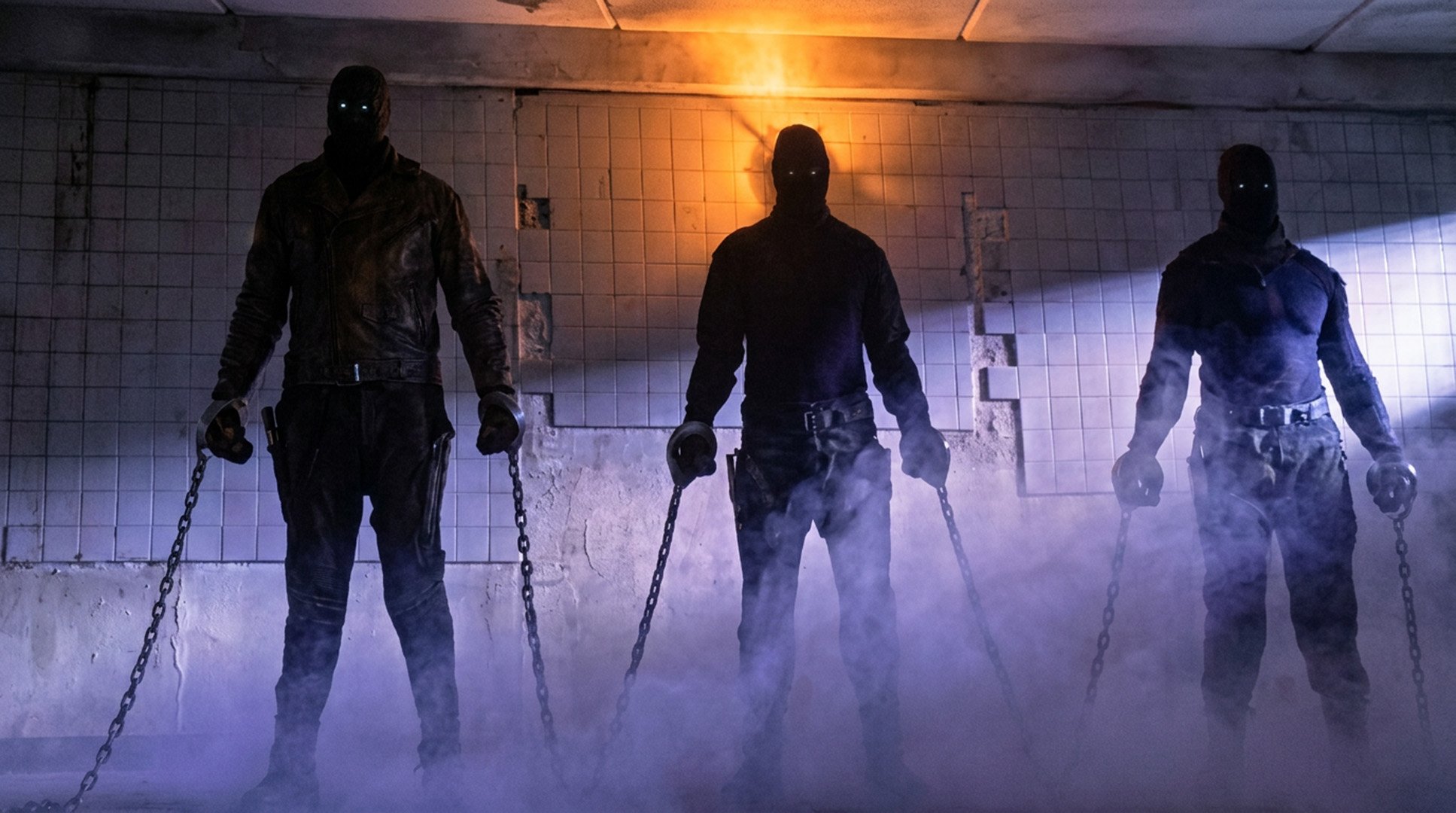
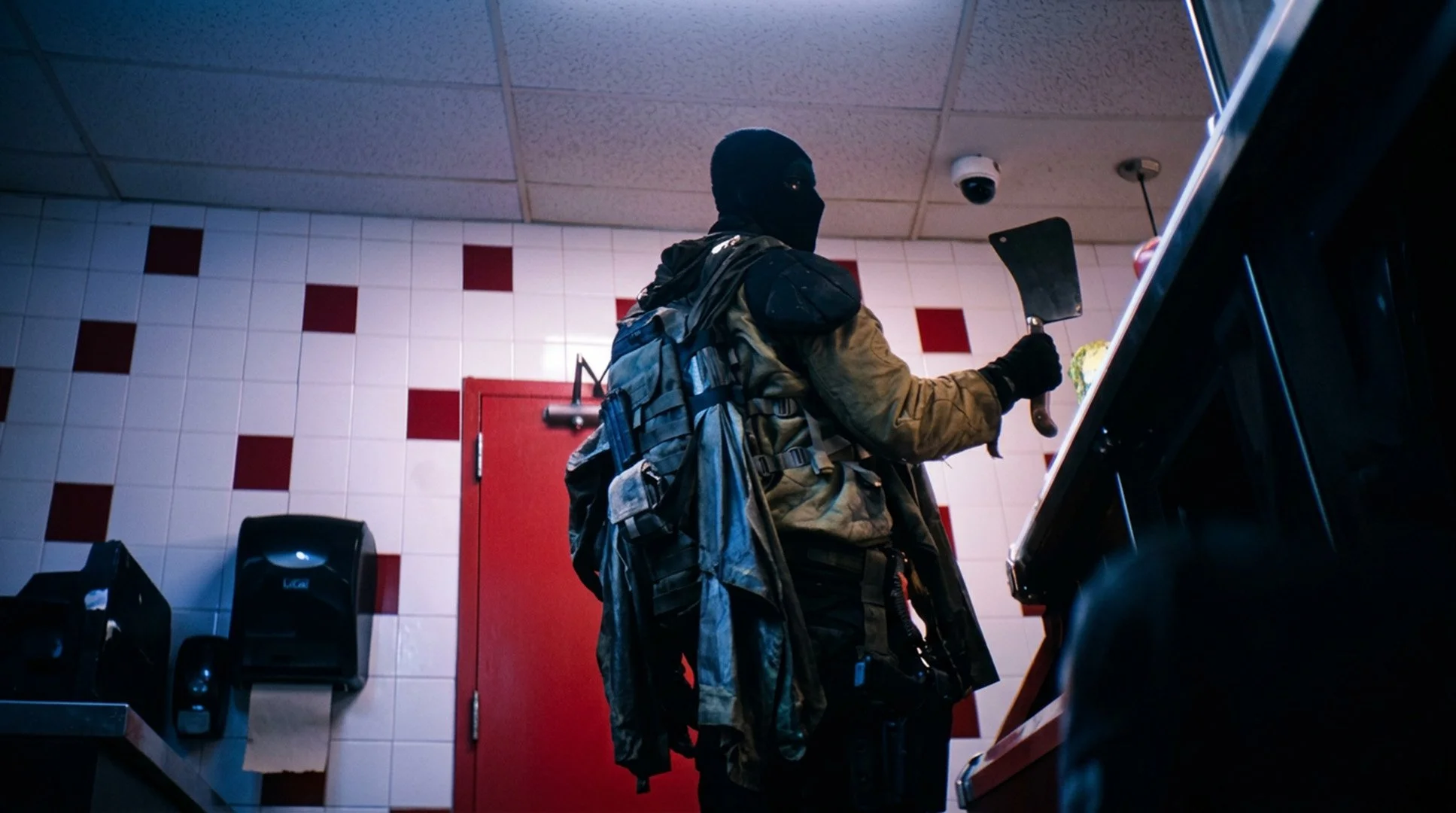
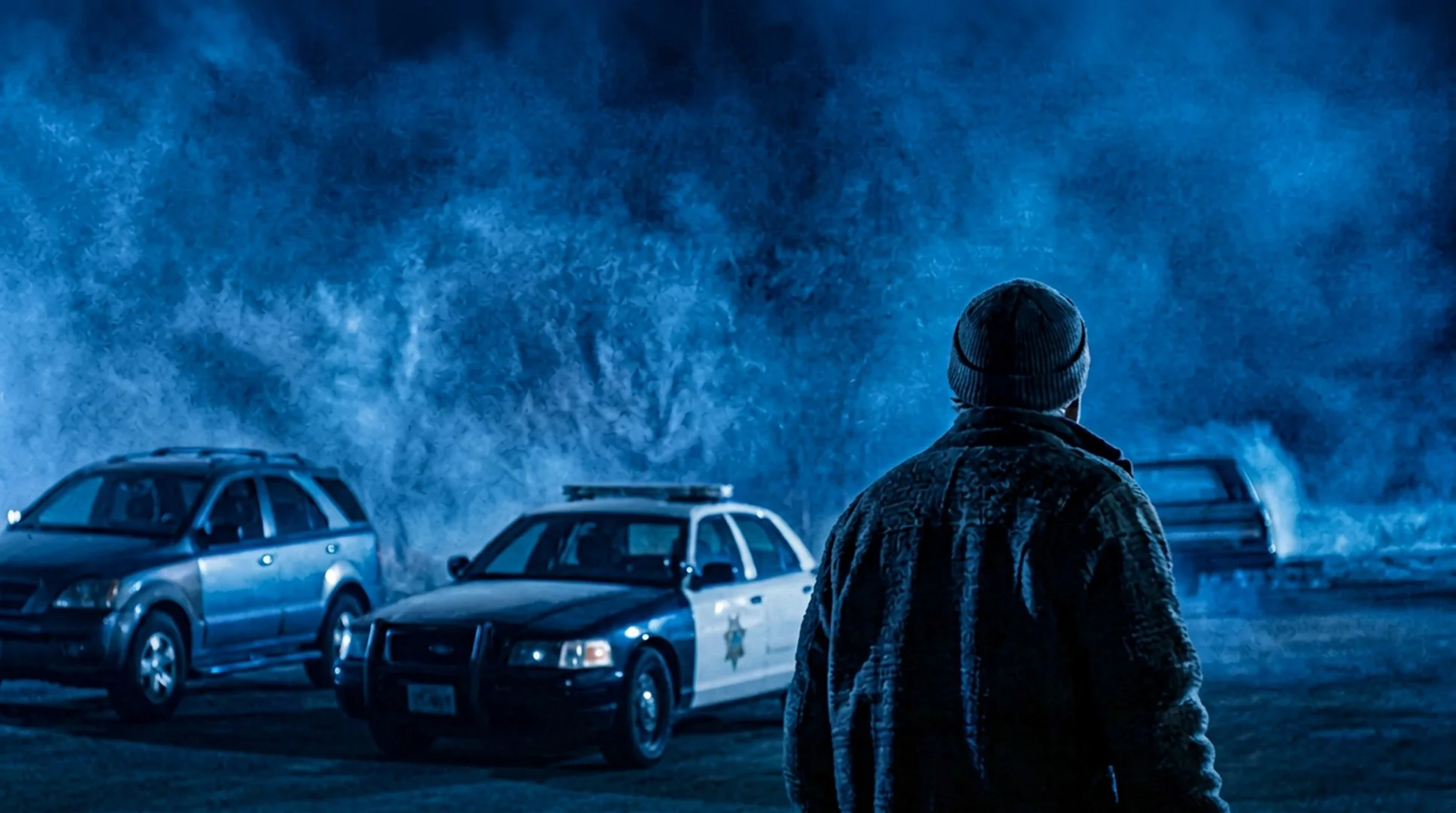
Visually, Onslaught makes strong use of the New Mexico desert and the Windy Oasis trailer park. During the day, there's a huge open landscape around the characters. But once darkness takes over, that same environment becomes much more confined. The trailers, vehicles, narrow spaces, and limited lighting turn the park into a contained battleground. The glowing eyes of the enhanced soldiers also give them a simple visual signature in the darkness. Once the action starts, the camera keeps the violence close and physical, helping the movie gradually move away from straightforward military action and toward something that feels much more like survival Horror.
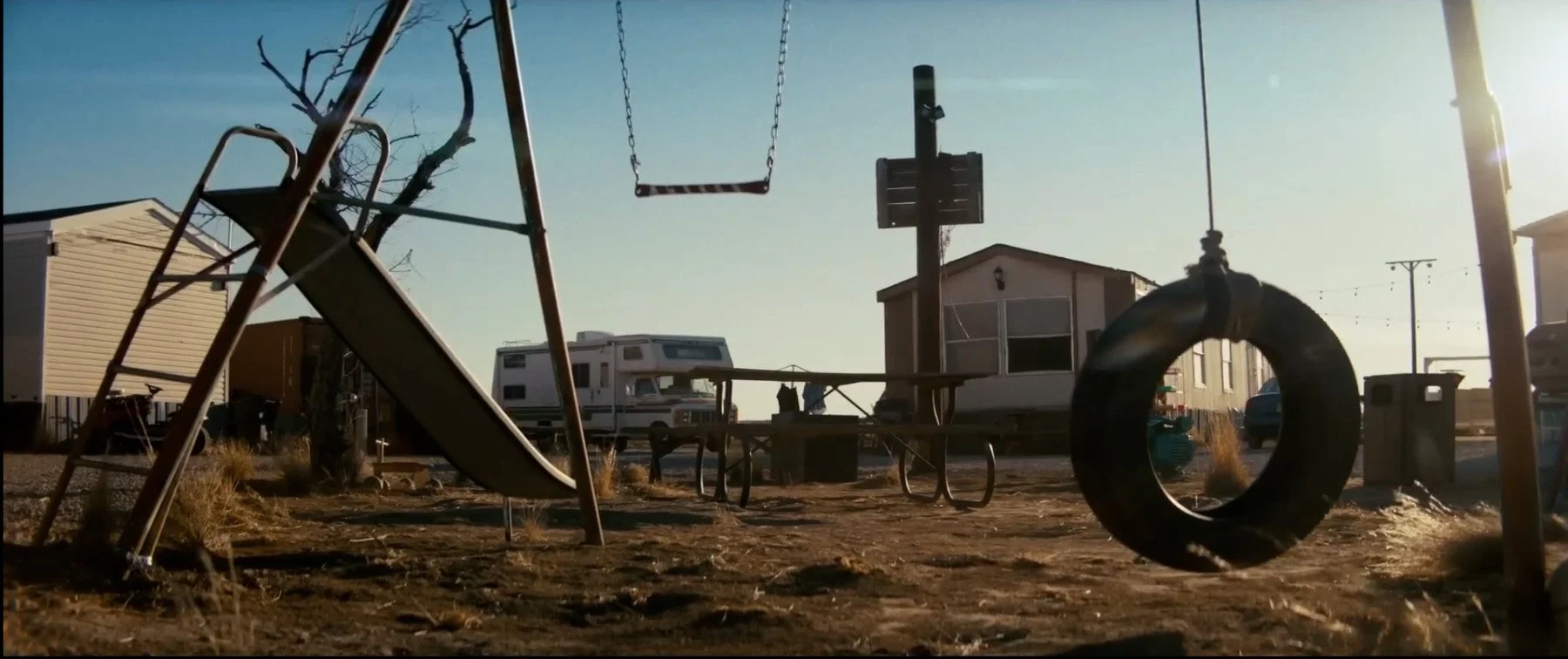
New Mexico - Desert
The editing moves quickly. Once the soldiers are loose, the film starts jumping between Celeste and Daisy, the people around the trailer park, the escaped soldiers, and the operation trying to contain everything. The action also shifts as the movie progresses: firearms, vehicles, hand-to-hand fighting, and increasingly brutal ways of trying to stop opponents who are specifically designed to keep coming. That allows these soldiers to function almost like slasher villains. Celeste may have the weapons and training of an action hero, but the things coming after her behave more like monsters that refuse to stay down.
The Cast
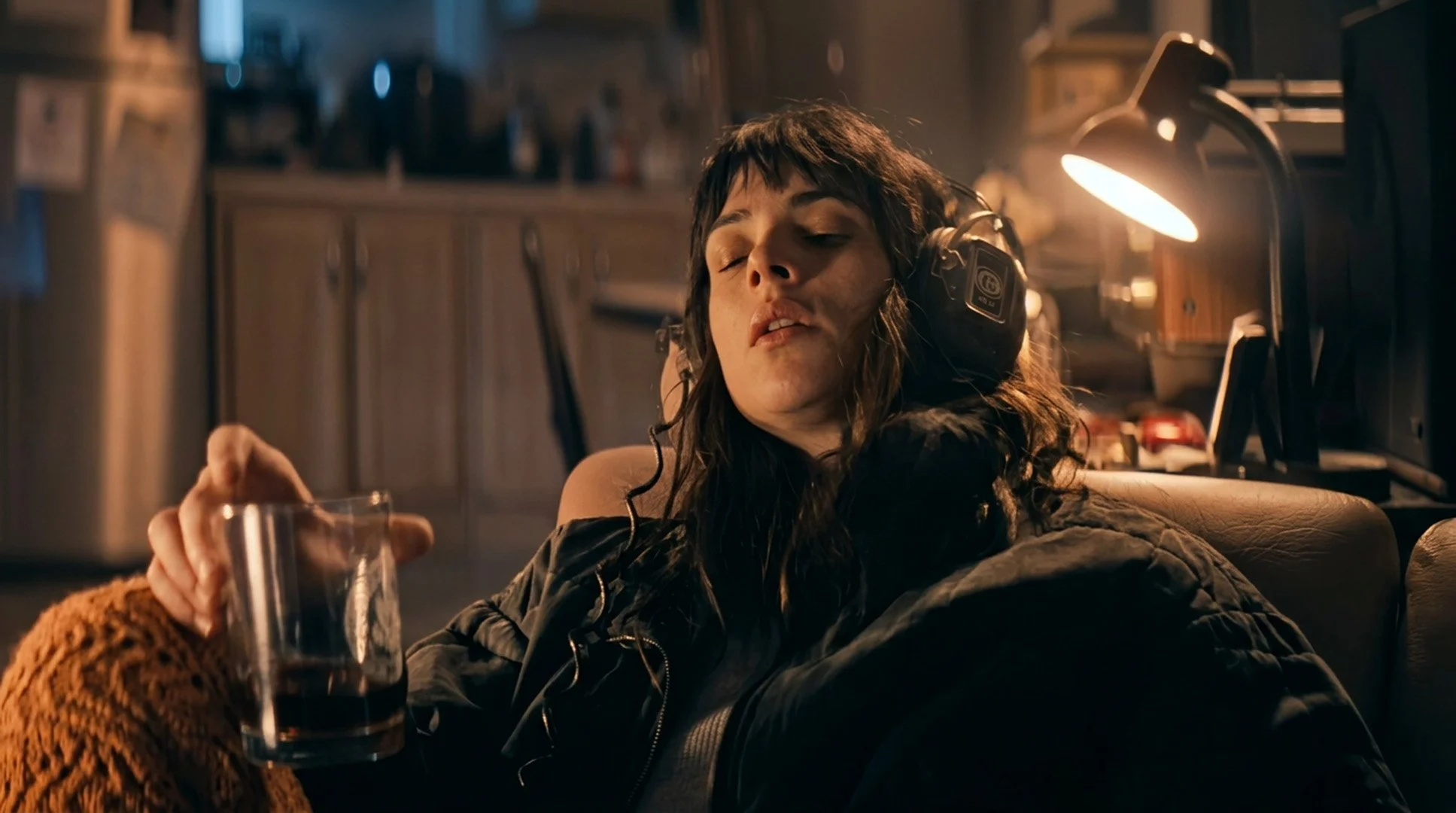
At the center is Adria Arjona as Celeste, a former Army sniper who is managing a trailer park while dealing with the effects of her military service. Arjona has steadily built a career across diverse genre projects, from Pacific Rim: Uprising, Triple Frontier, and Morbius, to Bix Caleen in Andor, and Richard Linklater’s Hit Man. Onslaught asks something very different from her. Celeste's military background establishes that she already knows how to handle herself, so putting a rifle in her hands makes sense. But Arjona also sells Celeste as a mother. Her relationship with Daisy gives all of that action a very simple motivation—she is just trying to save her daughter, keeping the stakes personal even as everything around her gets increasingly ridiculous.

Dan Stevens reunites with Wingard as Dr. Hans Cameler, the scientist behind the genetically engineered soldiers. After working together on The Guest and Godzilla x Kong: The New Empire, and delivering standout genre turns in Legion, Apostle, Abigail, and Cuckoo, Stevens has become particularly good at playing characters who are just a little off-center.
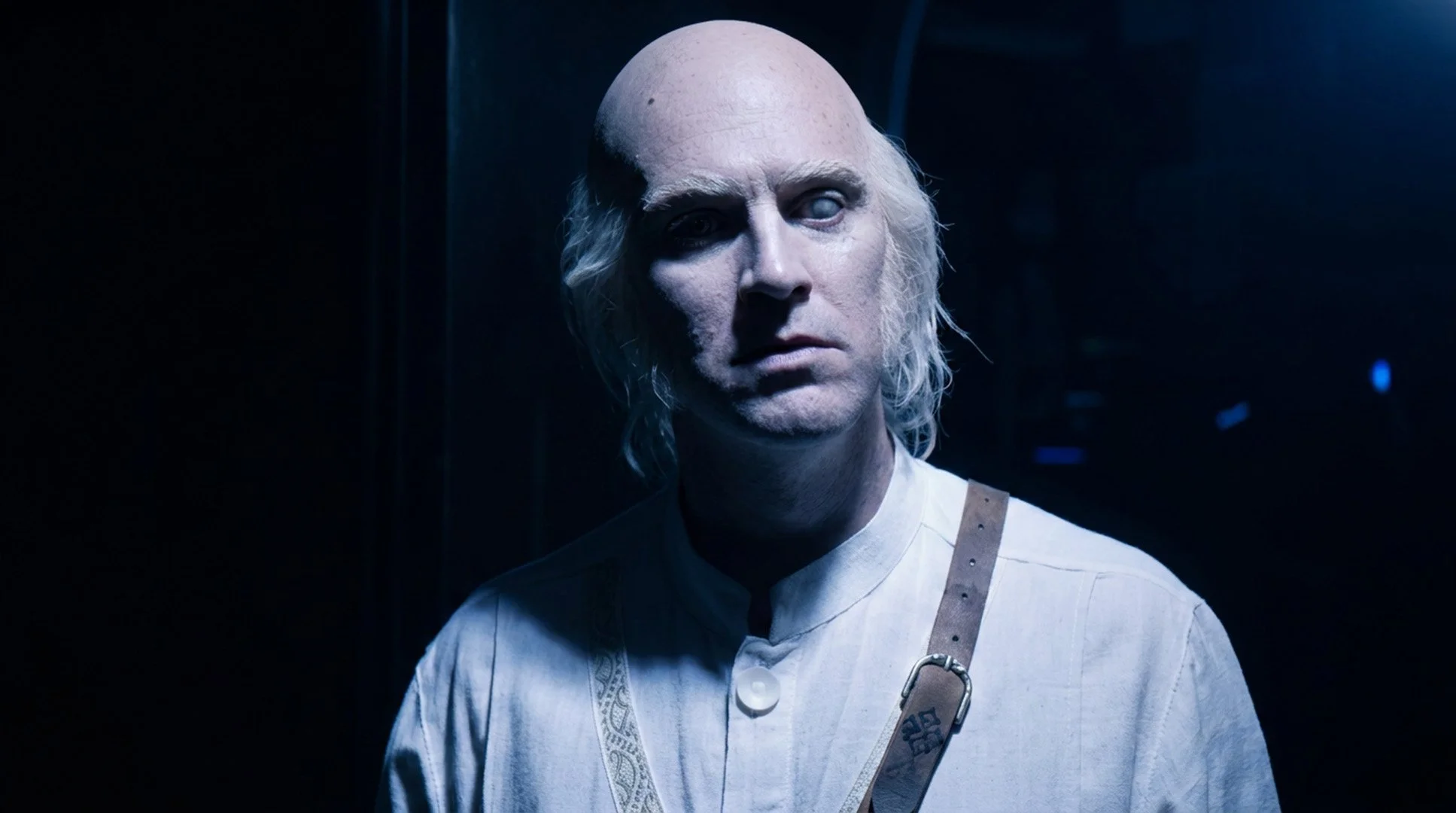
Dan Stevens as Dr. Hans Camele
Rebecca Hall plays Hannah Cameler, also returning to work with Wingard after the MonsterVerse entries. Hall brings a colder presence to this side of the story, helping connect the immediate physical threat to the larger operation behind it.
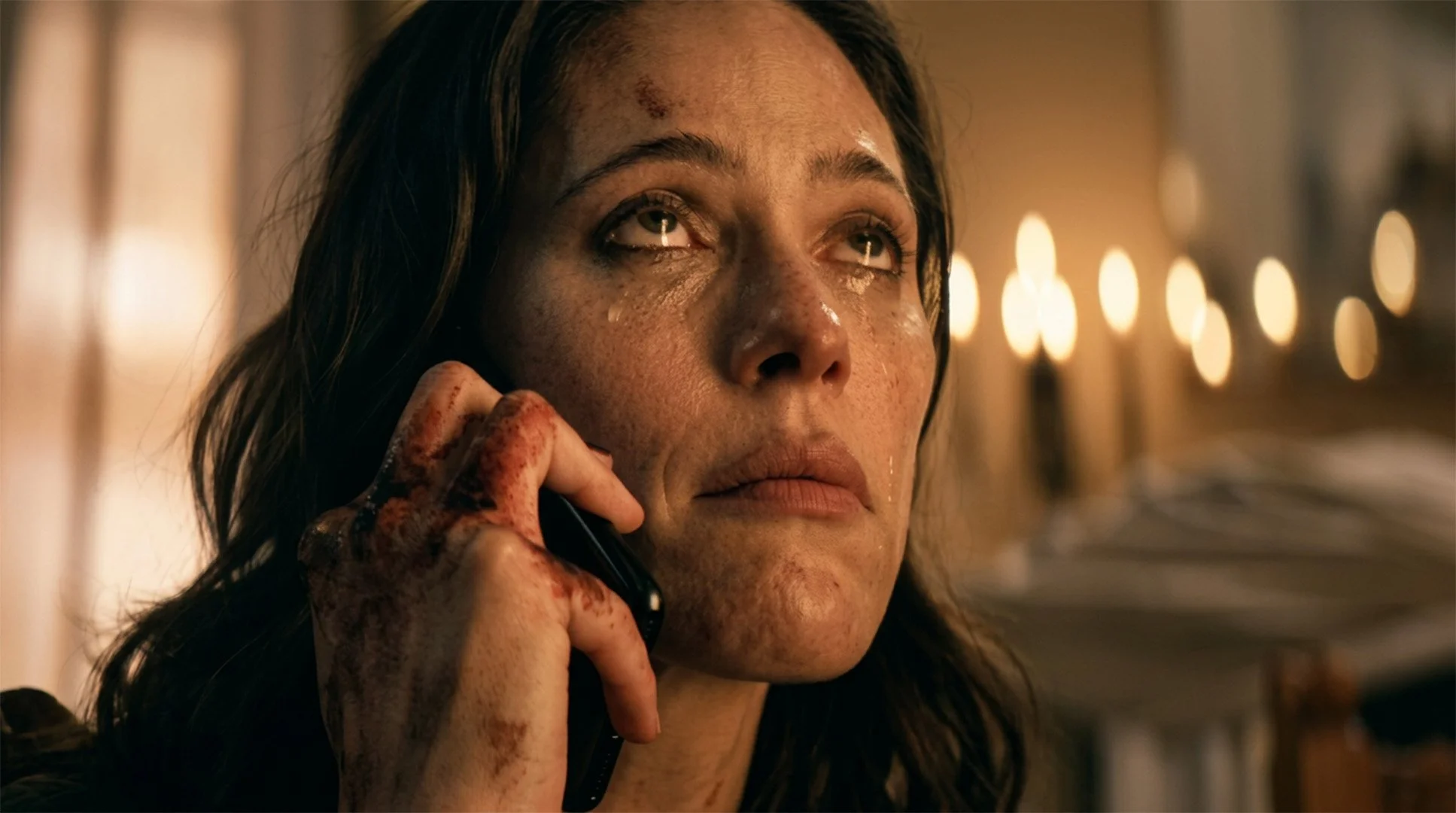
Rebecca Hall as Hannah Cameler
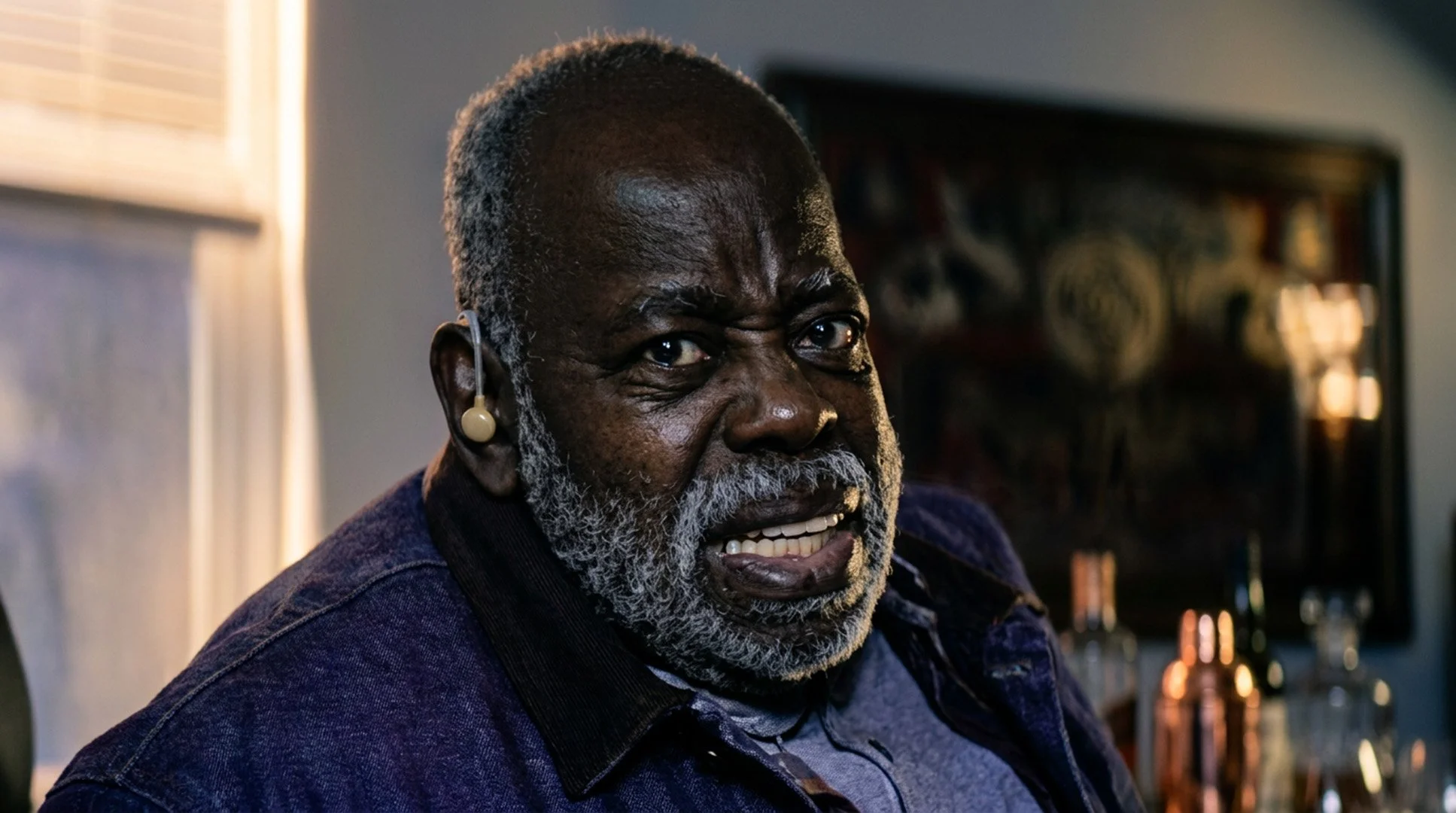
Reginald VelJohnson plays Josiah, Celeste's neighbor and a Vietnam veteran. Most people know VelJohnson as Carl Winslow from Family Matters, but he also has strong action credentials as Sgt. Al Powell in Die Hard and Die Hard 2. Putting him into another violent siege situation is great casting, while Josiah's military background gives Celeste an ally who understands what happens when things turn bad.
Eric Wareheim plays Kovac, the local police officer out of his depth once these things show up. Wareheim's comedic background makes him a natural fit for the stranger side of the film's humor.
Drew Starkey plays Cyrus, a government cleaner connected to the containment operation, injecting twisted personality into what could have been an anonymous operative.
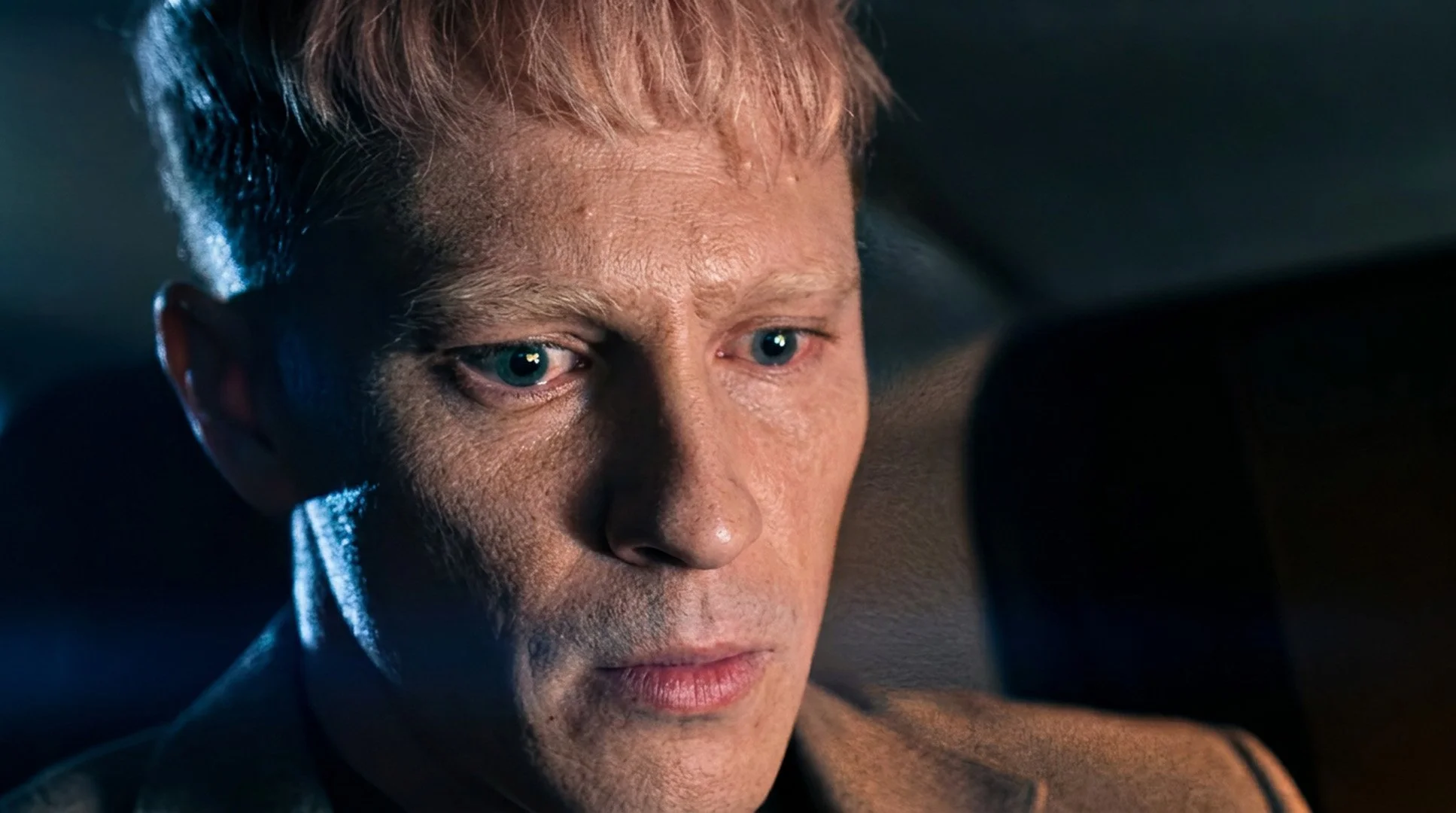
Drew Starkey as Cyrus
Finally, UFC fighter Alex Pereira appears as the Butcher, the most physically imposing of the enhanced soldiers. Pereira has no dialogue, essentially functioning as a monster designed to absorb punishment, keep advancing, and look genuinely terrifying.
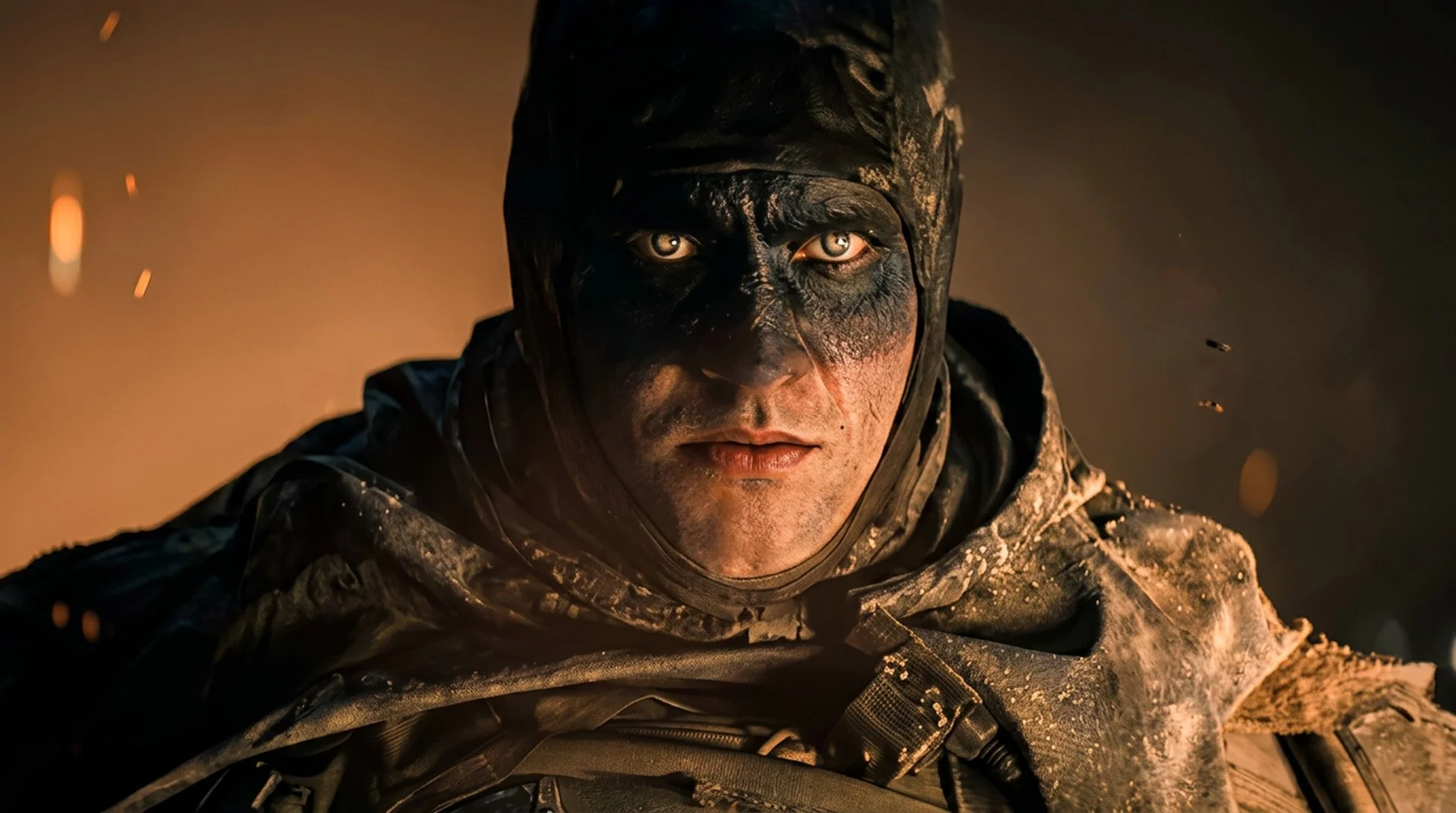
Alex Pereira as the Butcher
The biggest highlight is Adria Arjona. As Celeste, she carries most of this movie and does about as much as she could with what she was given. She is believable when the military training kicks in, but she also sells the protective mother trying to keep her daughter alive. There are definite Sarah Connor shades here.
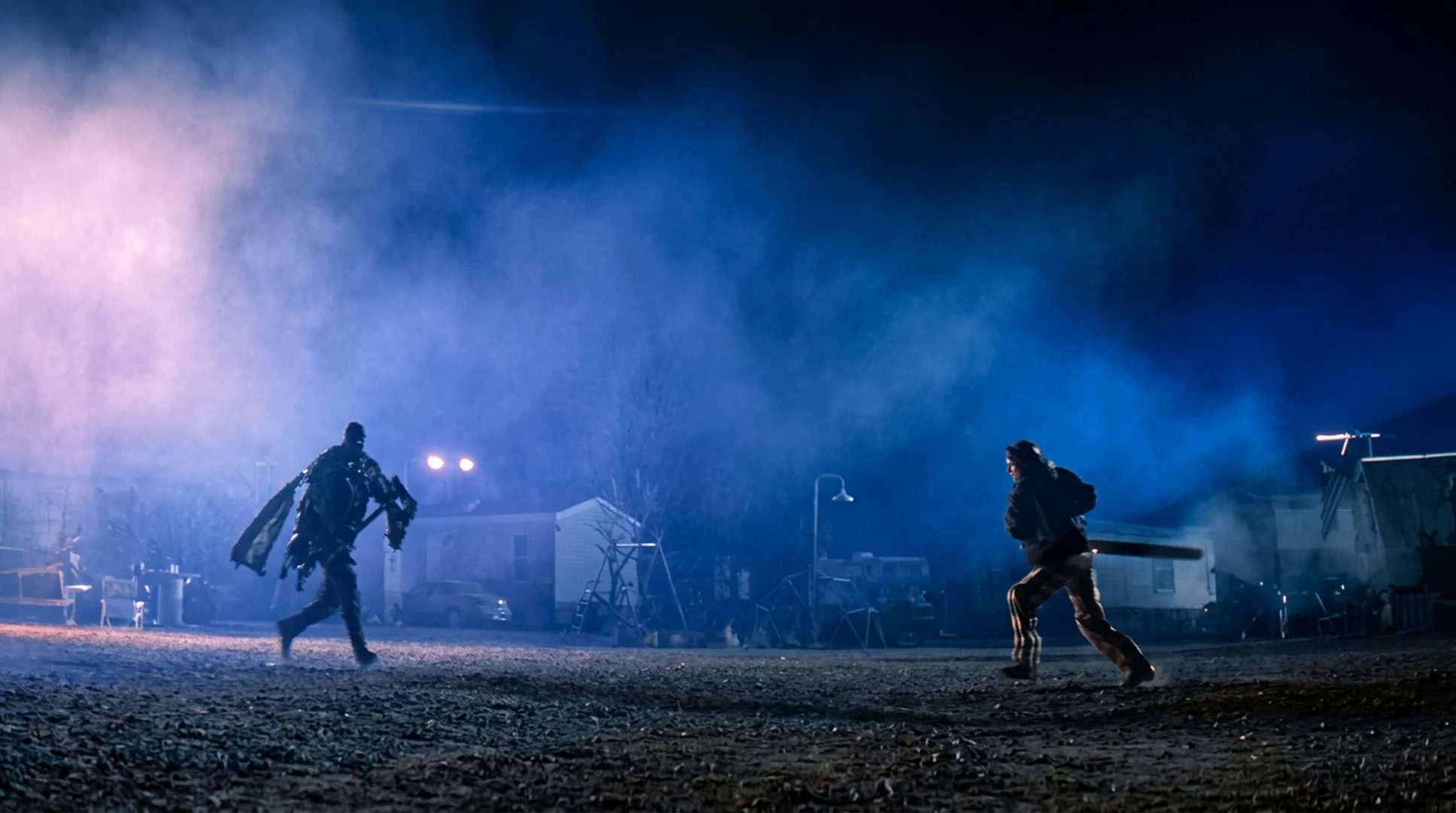
The basic retro look and sound also stand out. There is a lot of John Carpenter influence, with obvious shades of Halloween, The Fog, and Assault on Precinct 13. The sunbaked desert daytime contrasts nicely with the nighttime set pieces, and Matthew Pusty's pulsing synth score understands the exact 1980s Action-Horror movie Onslaught wants to be.
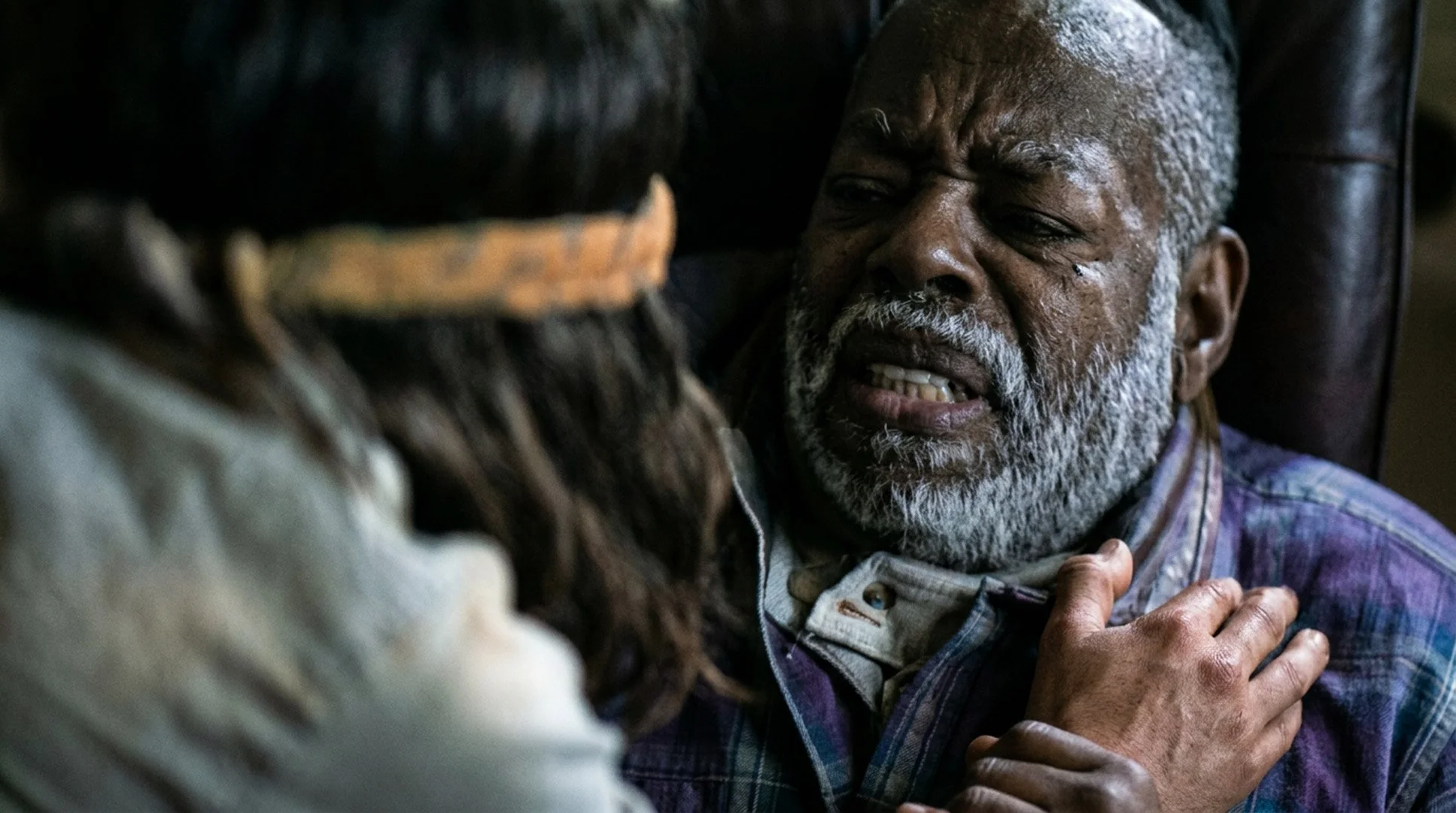
Reginald VelJohnson as Josiah
Reginald VelJohnson brings some much-needed warmth and humor as Josiah. Blake Kennedy works well as Daisy because she feels like a real kid rather than a walking plot device. And when the film lets itself become a bloody horror movie, the practical gore and nasty energy in set pieces like the truck-stop sequence deliver flashes of the late-night B-movie Wingard was chasing.
What Didn't Work
Unfortunately, Simon Barrett's screenplay is incredibly thin. There are characters and detours that don't go anywhere, along with repetitive sequences that slow things down when a 92-minute movie should be sprinting. Despite the R rating, Wingard occasionally holds back; there is plenty of blood, but some of the actual violence is obscured, blurred, or framed indirectly instead of showcasing the impact.
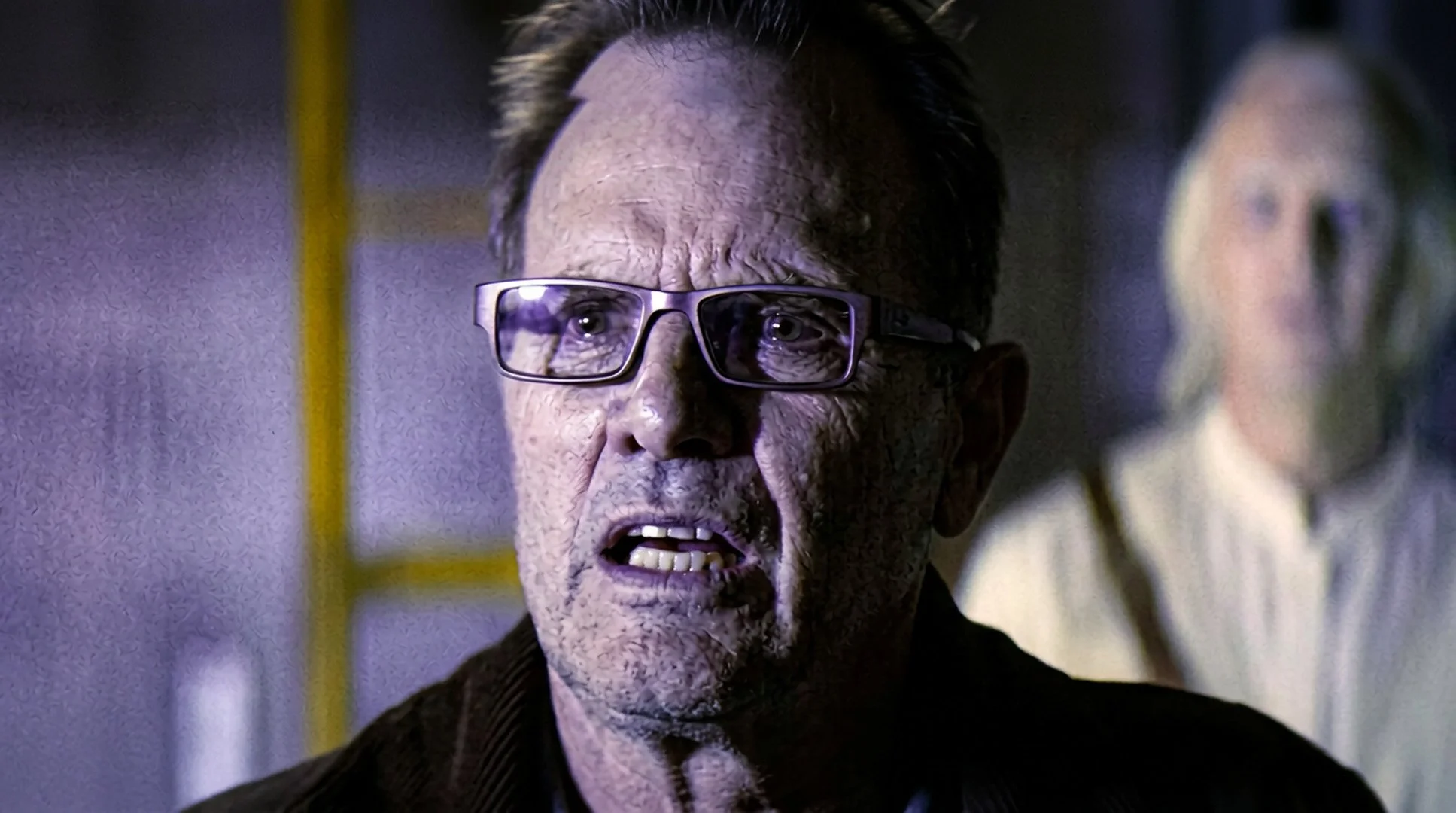
Michael Biehn as Baylor
The cast is also surprisingly underused. Michael Biehn seems like tailor-made casting for a movie playing around with Terminator and 1980s action tropes, yet he is given very little to do. Rebecca Hall runs into a similar problem, feeling more like a setup for a sequel than an essential part of this narrative.
The central issue is the payoff. The movie spends most of its runtime establishing these genetically engineered soldiers as nearly unstoppable killing machines, but it fails to deliver the showdown that setup promises. Instead of giving the story a satisfying conclusion, the ending puts far too much emphasis on setting up what could happen next.
Box Office & Critical Reception
The critical reception reflects that disconnect. Rotten Tomatoes sits at 57%, noting plenty of gore and stylish action without enough substance to live up to the title. Metacritic stands at 57 across 30 reviews, with an IMDb score of 6.3/10. Opening-night audience polling yielded a C CinemaScore, showing that the dissatisfaction extends to theatergoers as well.
Financially, the three-day opening pulled in just $1.88 million, ranking outside the Top 10 against original projections of roughly $7 million. With a domestic total around $2.326 million against a reported $15 million production budget (before marketing and distribution), it struggled significantly at the box office.
Full Spoilers & Ending Breakdown
The deeper narrative reveals why the film stumbles so badly in its second half.
The secret underground facility near the trailer park is funded by a private defense contractor where Dr. Hans Cameler (Dan Stevens)—a third-generation product of Operation Paperclip—is engineering soldiers who feel no pain, do not hesitate, and possess glowing eyes for night operations. Three escape: the Butcher, the Cockroach, and the Crybaby.
In a bizarre narrative choice, both Dan Stevens and Michael Biehn are killed within roughly the first ten minutes. Once loose, the trio massacres a nearby diner and marches toward the Windy Oasis trailer park, prompting Celeste to break out an arsenal and team up with Josiah and Officer Kovac.
Meanwhile, government cleaner Cyrus (Drew Starkey) is introduced high on Molly in a BDSM club before being deployed, alongside Rebecca Hall’s Hannah Cameler, who is presented as a dominatrix figure running the operation.
The siege itself dispatches the threats far too easily. Celeste snipes the first soldier through her rifle scope. Kovac takes out the second by ramming him with a police cruiser, sending him through the windshield as his brain leaks out.
That leaves the Butcher (Alex Pereira), who turns out to have served overseas with Celeste. Earlier, Celeste recounted an unsanctioned military boxing match where she kicked a fellow soldier in the groin—that soldier was the Butcher. Now transformed into an apex predator, he corners Daisy. After an entire movie hyping his lethality, the climactic fight is over in seconds: Celeste slides under his attack and kills him with a chainsaw. There is no prolonged tactical battle; he just dies.
At dawn, Cyrus and Hannah arrive in black SUVs. Instead of a rescue, they force Celeste, Daisy, and a surviving Josiah into an ultimatum: disappear or die. A mid-credits sequence reveals the trio has been black-sited in an Alaskan containment facility. Hannah intends to study Celeste to determine how an unaugmented human mother defeated three biological super soldiers, looking to weaponize maternal instinct for future Black Ops programs.
Celeste defeated the experiment, only to become the next one.
Verdict
Onslaught constantly reaches back toward recognizable imagery from older action and horror movies without doing enough to establish an identity of its own. Hans' hair immediately evokes Richard O'Brien from The Rocky Horror Picture Show, and once Celeste takes an eye injury and dons a headband, the imagery leans heavily into First Blood.
The visual staging repeatedly relies on shots of the three super soldiers posing ominously in the distance, promising an explosive showdown that never materializes. Ideas are introduced and abandoned—such as an early scene where Baylor laughs off Hans' experiments as failures right before they break out. Emotional beats are undermined when seemingly fatal consequences (like Josiah’s apparent death) are casually walked back, draining all tension.
Adria Arjona gives it her all, and the synth score alongside sporadic practical gore provides momentary entertainment. But thin characters, anticlimactic confrontations, and an ending completely hijacked by sequel setup leave Onslaught falling far short of its potential.
Score: 1.5 / 5
