OTHER MOMMY (2026) REVIEW + SPOILERS: ENDING VS. THE BOOK
There’s a genuinely disturbing idea at the center of Other Mommy. Imagine being a young kid and discovering that something inside your house looks exactly like your mother, but it definitely isn’t her. That’s the kind of premise that should make for some seriously unsettling horror. And yet, despite some interesting visuals and solid performances, the film never quite lives up to its full potential. It’s not bad, and it offers a reasonably good time, but rushed pacing and a lack of genuinely frightening moments keep pulling you out of the experience.
Other Mommy is a 2026 supernatural horror film directed by Rob Savage, produced by James Wan, and distributed by Universal Pictures. Adapted from Josh Malerman’s 2024 novel Incidents Around the House, it stars Jessica Chastain, Arabella Olivia Clark, Jay Duplass, and Arian Moayed. The story centers on eight-year-old Bela, a young girl living with her parents in a household already fractured by serious marital problems. Things escalate dramatically when Bela encounters a mysterious supernatural presence that looks and sounds identical to her mother. She dubs this entity "Other Mommy," and what starts as an eerie domestic disturbance gradually threatens the entire family.
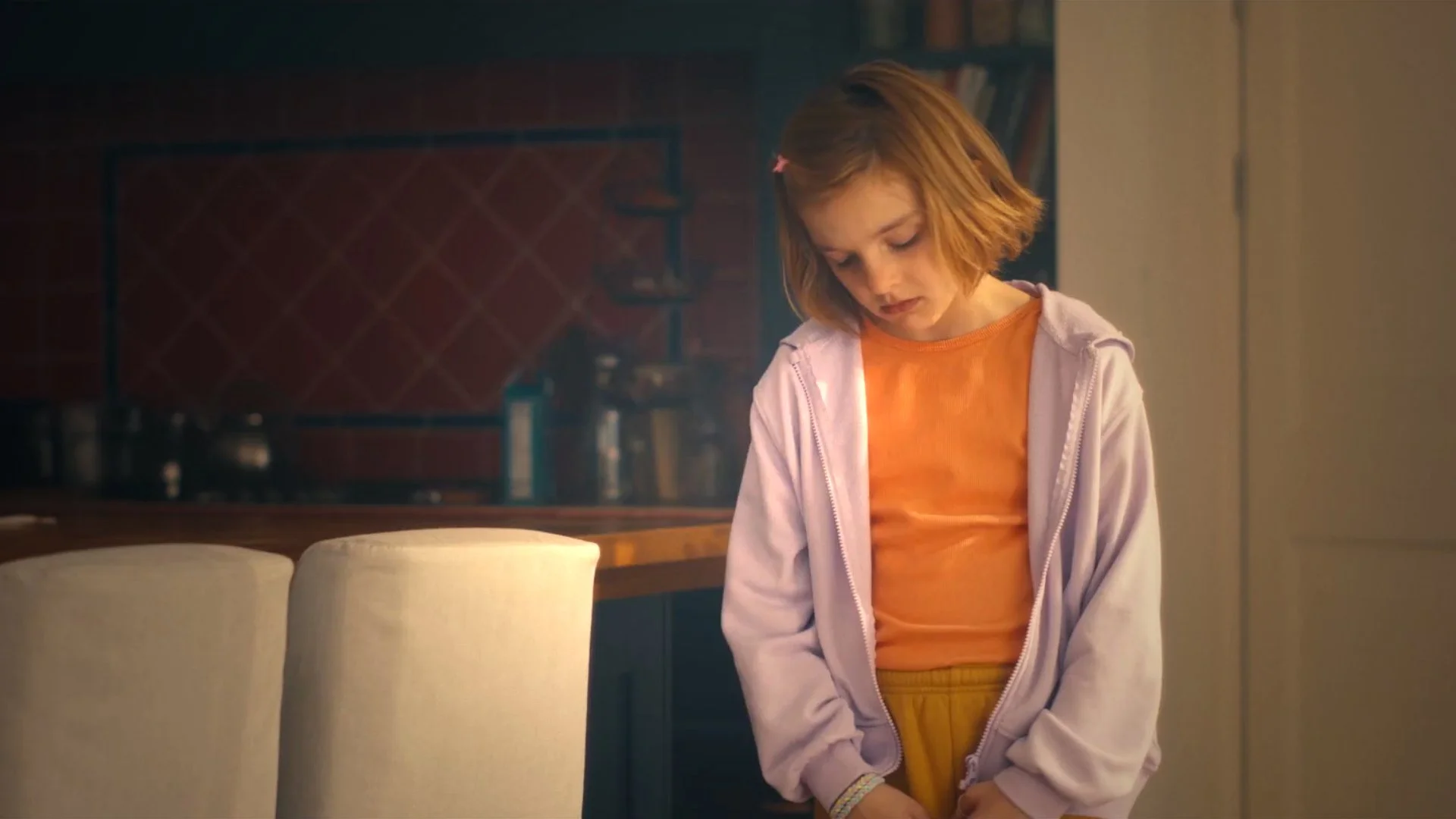
Sometimes secrets are a bad thing.
Running about an hour and thirty-three minutes, the film wastes virtually no time getting started. In fact, that rapid momentum serves as both one of its strengths and one of its primary weaknesses. The core premise is inherently creepy, offering rich psychological ground for exploring an entity that mimics someone a child loves and trusts. Unfortunately, the movie rarely gives that concept enough room to breathe before throwing everything at the screen.
The pacing is immediately noticeable. The film hits the ground running, which isn’t inherently negative—especially in a genre that often spends forty minutes meandering before anything happens. But there is a clear difference between cutting to the chase and rushing past the very atmosphere that makes horror effective. Other Mommy moves so quickly that the tension never has the space to build naturally. While individual encounters are entertaining and boast genuine visual oddities, the narrative often prioritizes getting to the next scare over letting the dread settle. In supernatural horror, anticipation is just as crucial as the payoff; what is withheld or hidden in the shadows is frequently far more disturbing than whatever ends up fully illuminated.
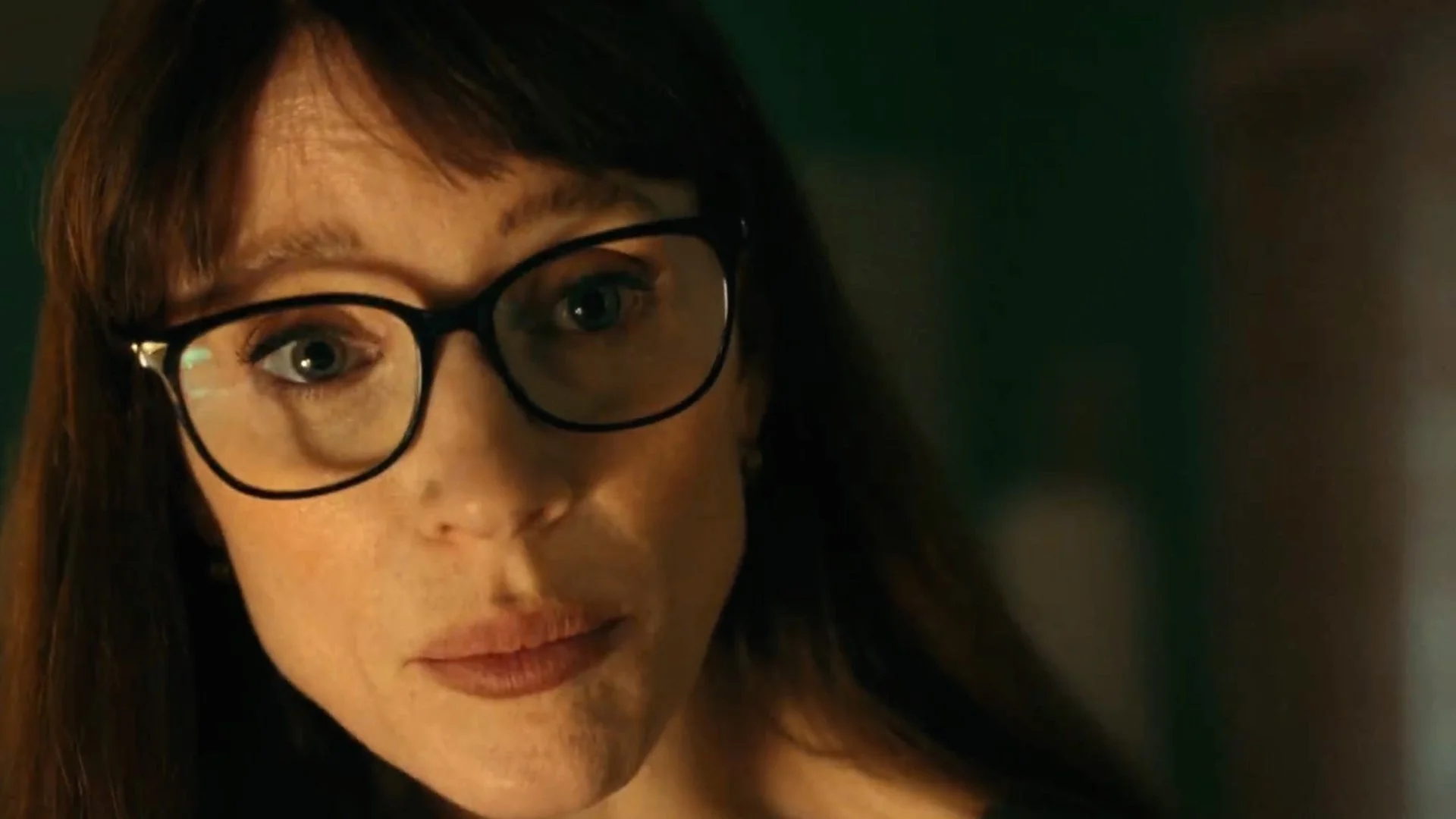
Mommy or Mama?
Another distinct quality is just how strange the film allows itself to become. There are dreamlike sequences that feel detached from reality, showcasing an experimental streak that deserves credit. The filmmakers play freely with unsettling imagery, distorted architecture, and disorienting perspectives. These set pieces lend the production a distinct personality, but bizarre imagery does not automatically equate to terror. The movie struggles to cross that crucial threshold from visually weird to skin-crawlingly frightening. There is plenty of runway for deep, lingering dread, yet the direction leans more toward keeping the viewer off-balance with constant surprises rather than letting true terror take hold.
None of this makes Other Mommy a failure. It sits comfortably in the realm of accessible popcorn horror—an entertaining ninety-minute ride that delivers surface-level thrills without completely sticking the landing. The visual flair and spirited performances keep the momentum alive. However, a more deliberate screenplay that spent more time fleshing out the family dynamics and establishing the supernatural threat would have elevated the entire experience.
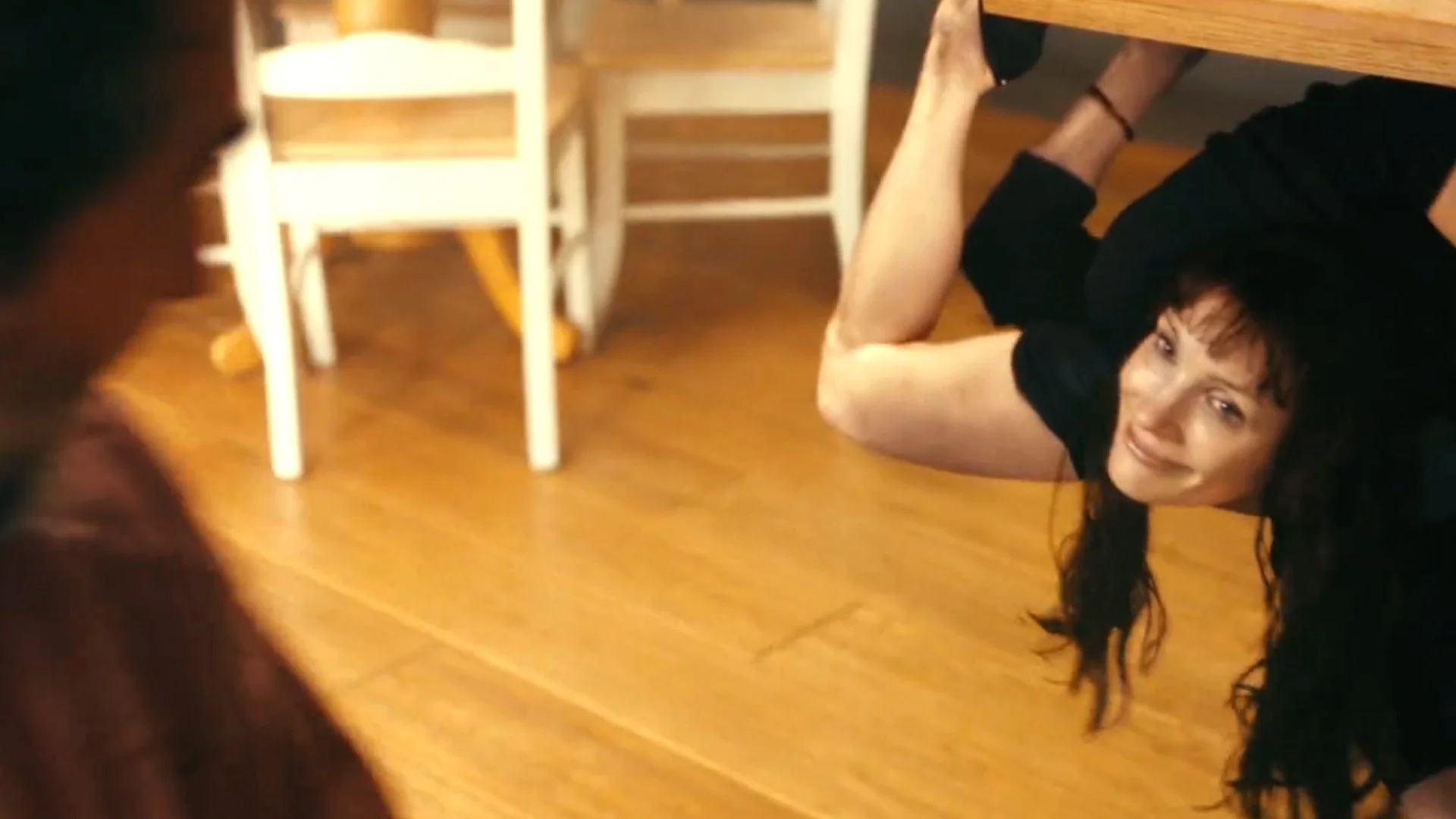
Trailer scene appears less than 10 minutes into the film.
For those heading to the theater, it is worth noting that there is a micro-sting at the very conclusion of the credits. Lasting barely a second, Other Mommy briefly appears above the frame to offer a parting gesture—a small, creepy final wink rather than an elaborate setup. Behind the camera, director Rob Savage brings notable genre pedigree. After breaking out with 2020’s screen-life hit Host, he helmed Dashcam and stepped into studio horror with 2023’s adaptation of Stephen King’s The Boogeyman. Savage has a clear fascination with confined environments and domestic spaces turned hostile. With Other Mommy, the concept of a sanctuary turned predatory fits his wheelhouse. His surreal visual choices are intriguing, but his staging would have benefited from a slower, more deliberate ramp-up in tension rather than an immediate sprint into overt encounters.
The screenplay, penned by Nathan Elston (Succession), adapts Malerman’s Incidents Around the House. Malerman—best known for Bird Box—crafted the novel around the narrow, authentic viewpoint of a young child observing things she cannot fully process, which naturally allowed adult fractures and supernatural terror to intertwine. In translating this to the screen, the adaptation makes significant alterations to the pacing and the creature’s mechanics, occasionally bypassing rich opportunities for deeper character work.
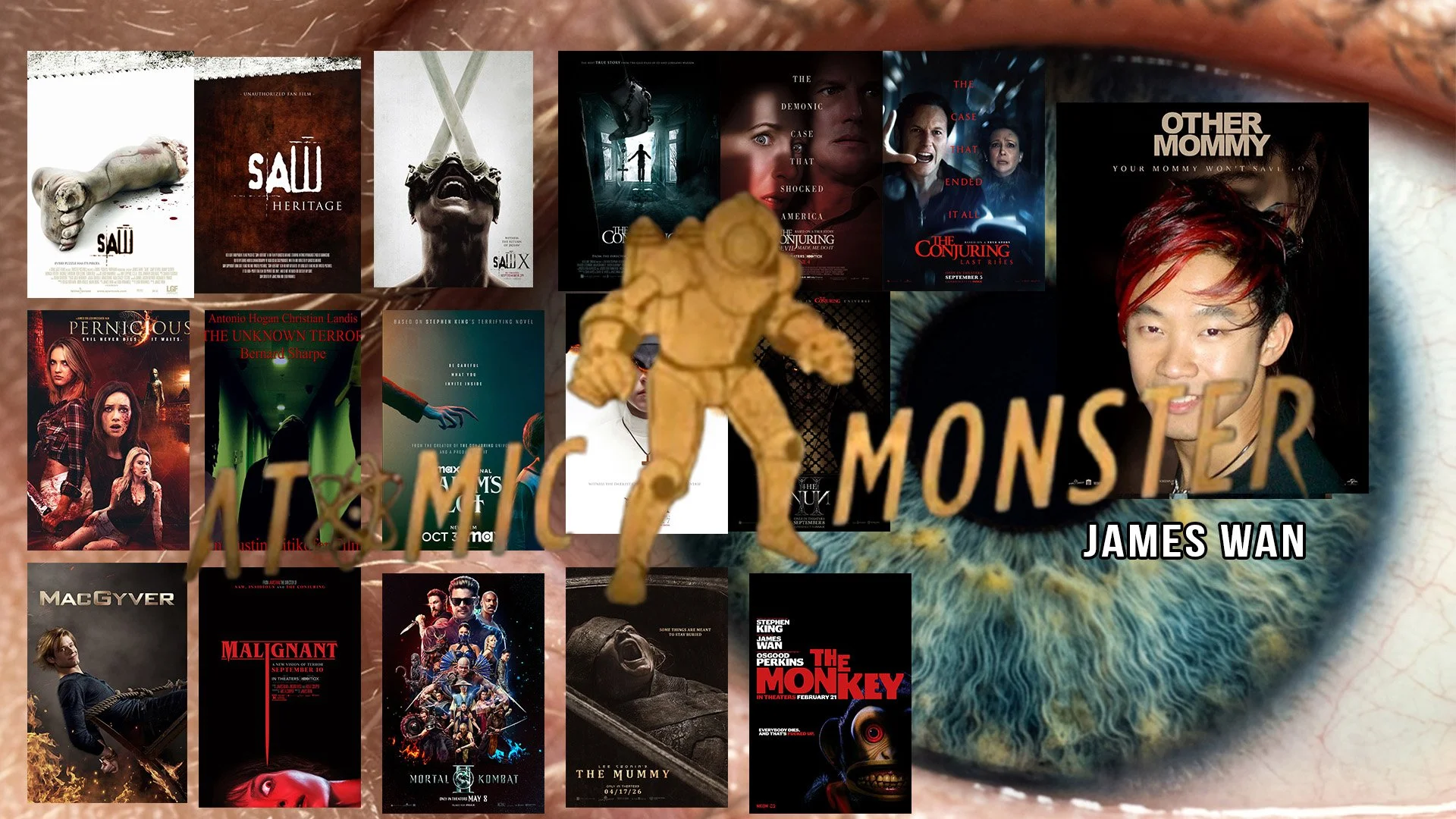
Produced by James Wan—the architect behind Saw, Insidious, and The Conjuring, whose Atomic Monster banner merged with Blumhouse—the film carries the hallmarks of contemporary studio horror. You get the grounded family unit, sudden jolts, and an increasingly aggressive adversary. While these tropes function, relying on them so heavily dilutes the singular mood the premise demanded.
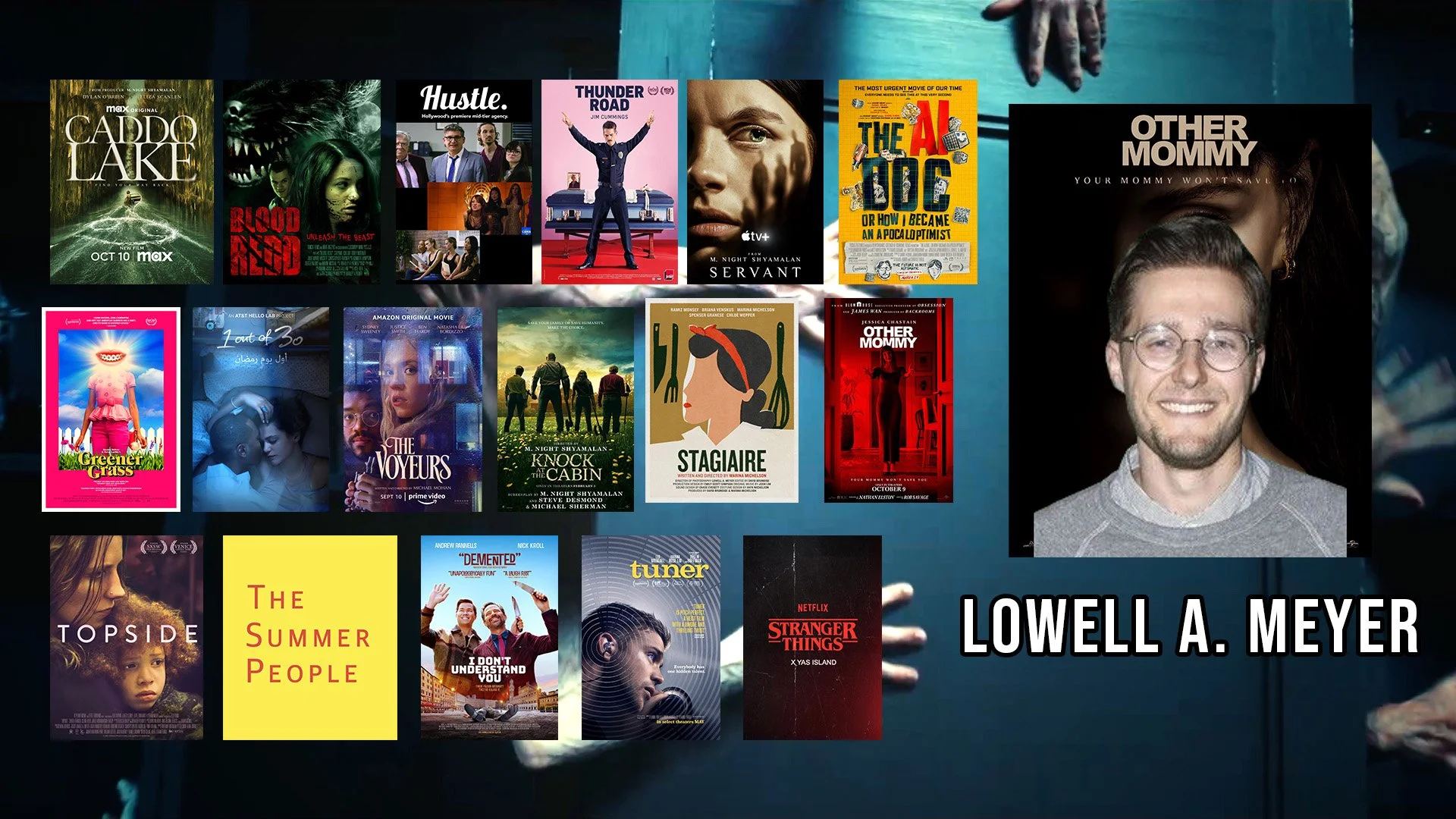
Lowell A. Meyer’s cinematography (Knock at the Cabin, Servant) handles domestic unease well, especially as spaces distort into dream logic. Yet, the visual framing often rushes past rooms that could have held lingering suspense. The editing, handled by John Cutler and Peter Gvozdas, keeps things energetic, but horror editing relies on restraint; sitting in an uncomfortable beat is often what gives a scare its weight. Here, scenes often cut away just as the discomfort begins to take root. Patrick Jonsson’s score leans heavily into sudden orchestral swells and sharp audio stingers to drive the frights, occasionally overpowering the natural, quiet ambient tension that makes supernatural stories thrive. Meanwhile, production designer Jeremy Woodward (The Boogeyman, Antebellum) succeeds in bending ordinary architectural realities into uncanny spaces, giving the stranger sequences a tactile, disorienting presence.
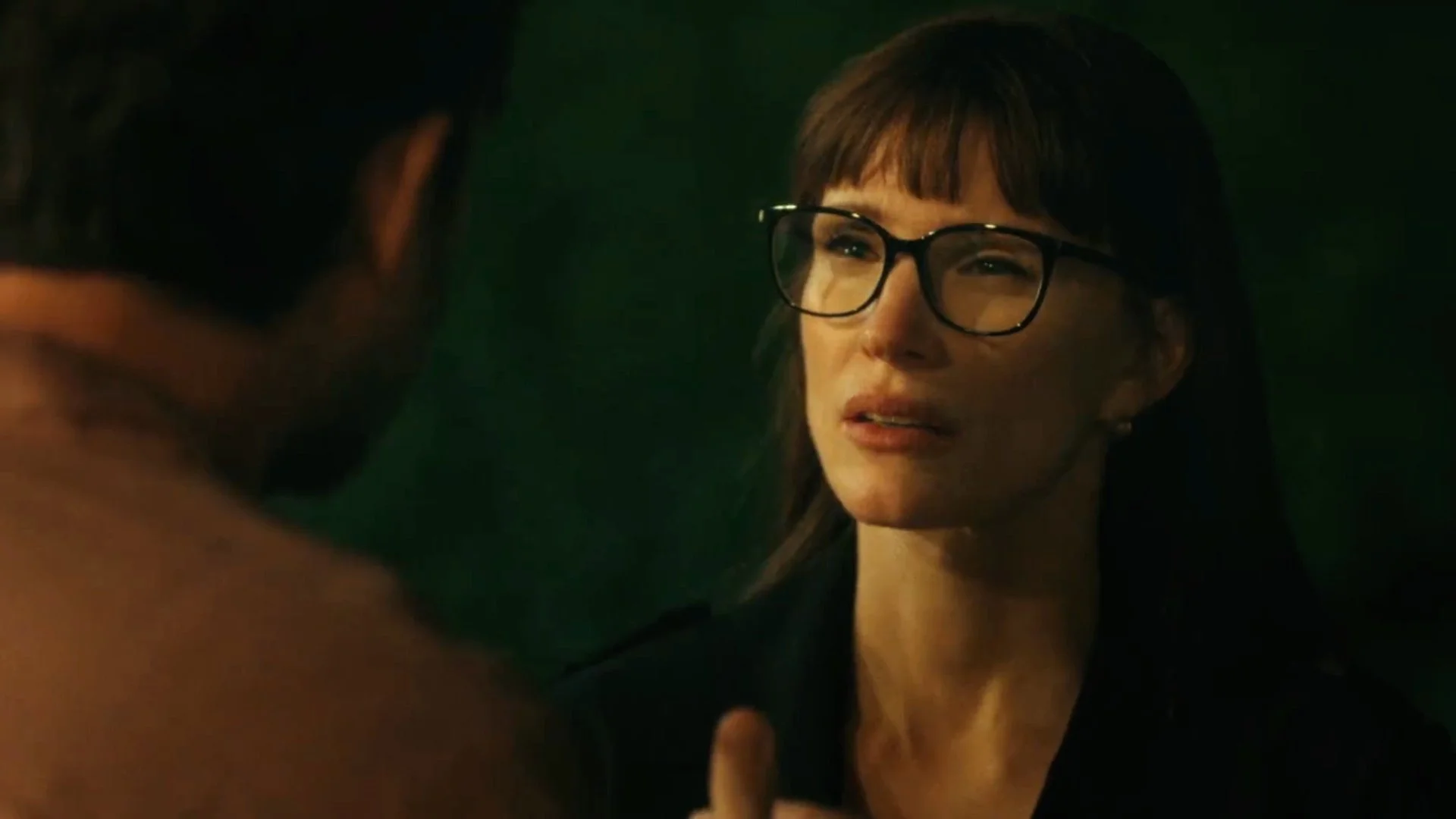
Jessica Chastain with Mommy Issues
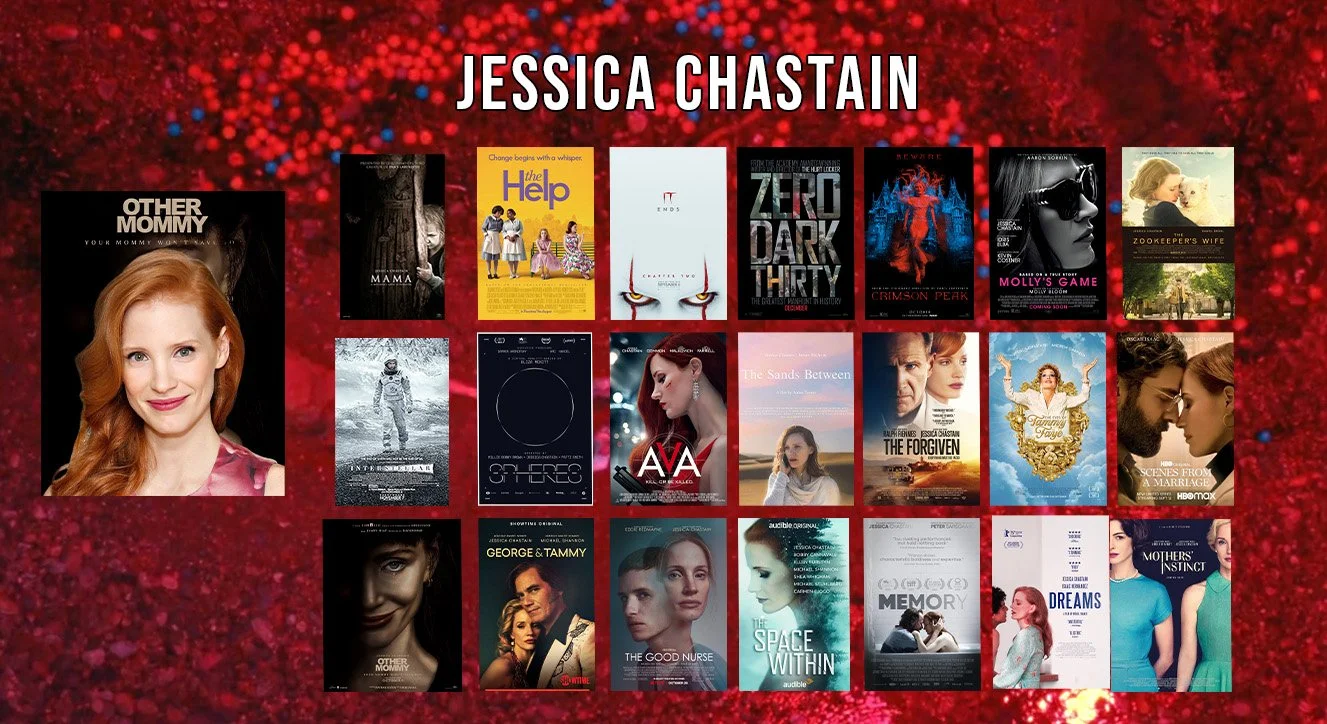
Leading the ensemble, Jessica Chastain pulls double duty as Bela’s mother, Ursula, and the malevolent Other Mommy. Returning to maternal horror territory after 2013’s Mama, Chastain brings nuance to the duality. Playing both a loving, flawed parent and an entity hollowly mimicking parental affection allows her to explore unsettling emotional contrasts, anchoring the movie even when the script stumbles.
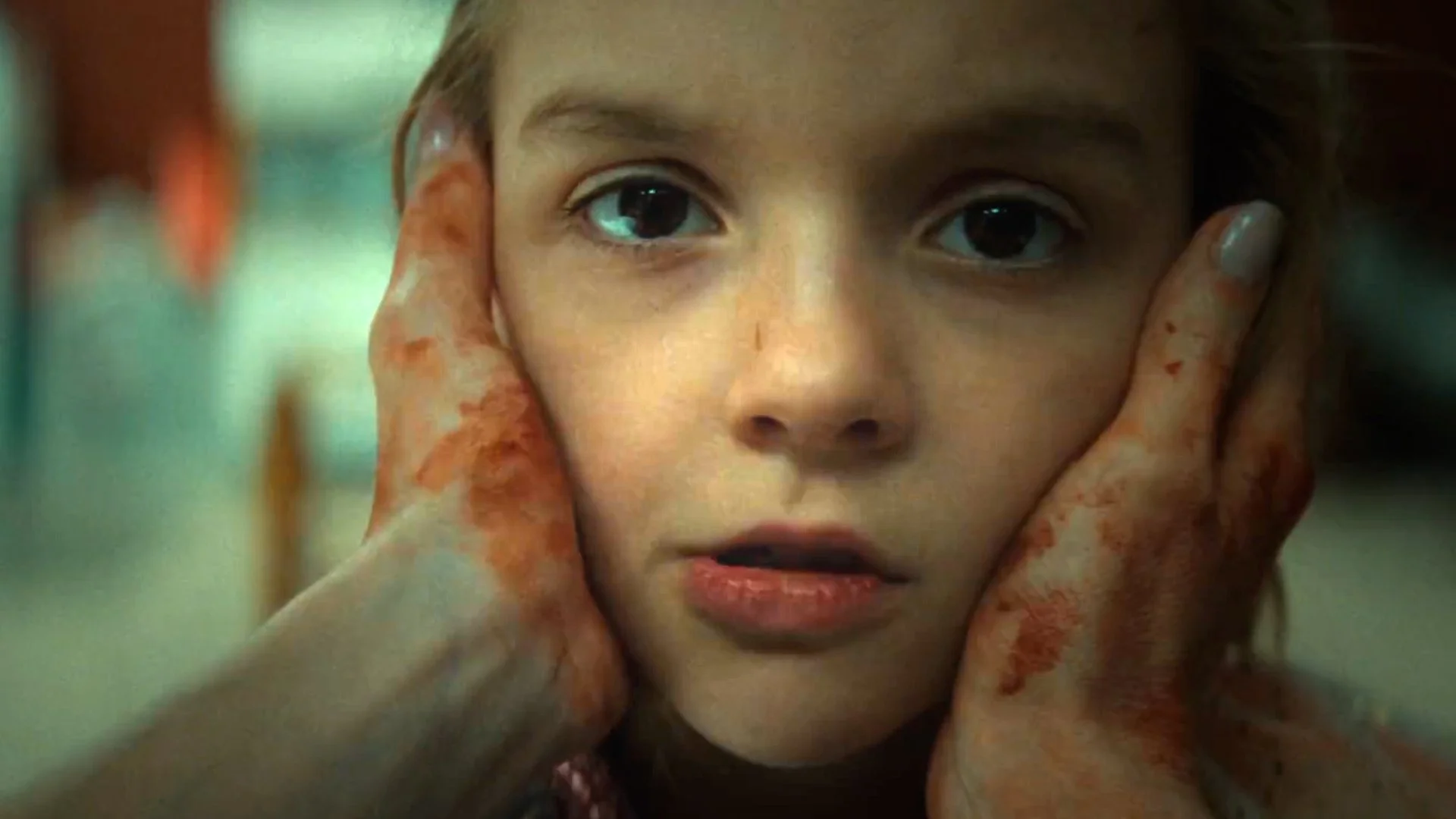
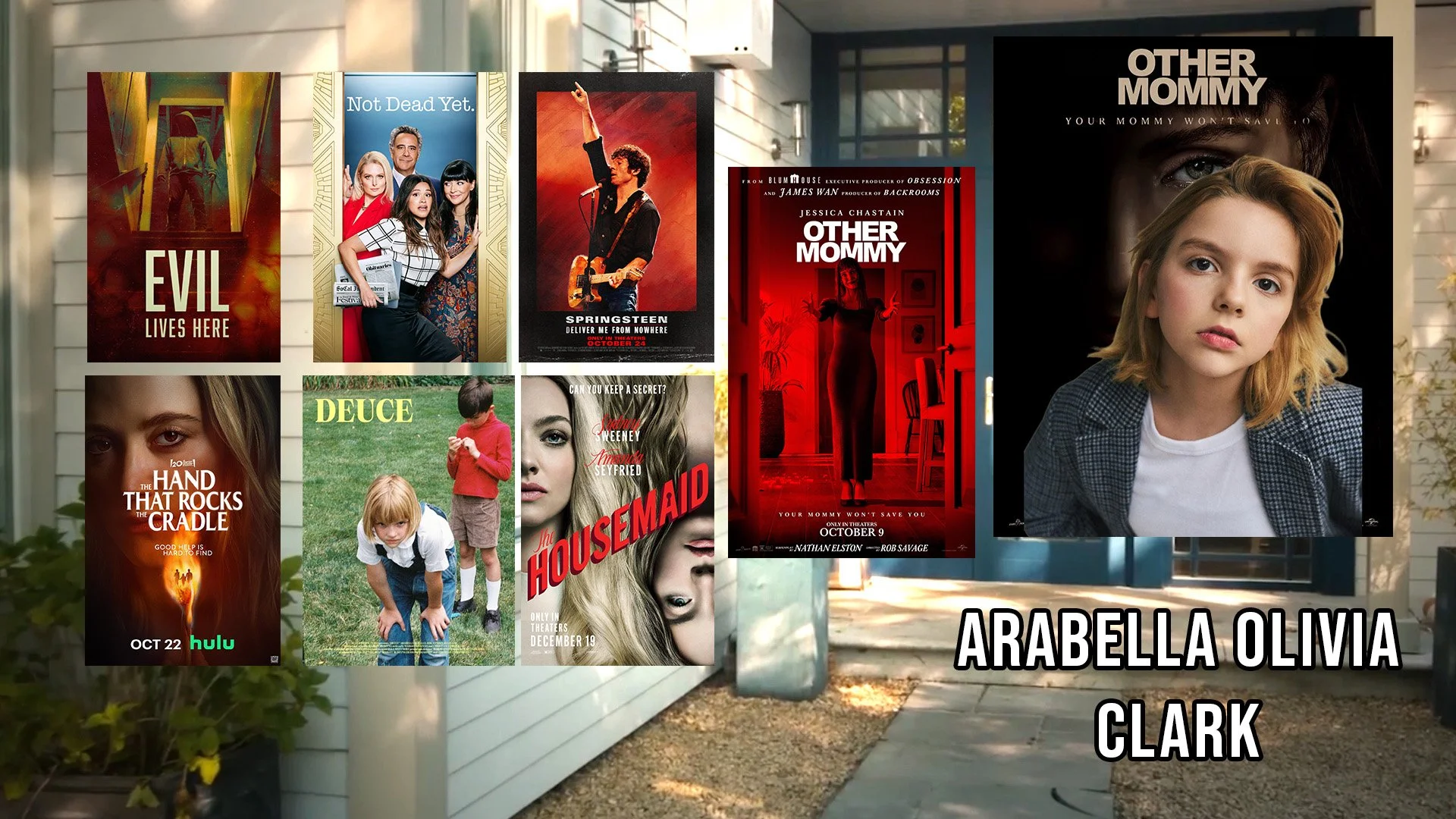
Arabella Olivia Clark as Isabella Martin or Bela.
Eight-year-old Arabella Olivia Clark (The Housemaid, The Hand That Rocks the Cradle) bears the heavy responsibility of carrying the narrative through Bela’s eyes. Clark avoids the artificial precociousness that often derails child performances, grounding the increasingly bizarre occurrences with genuine vulnerability.
Jay Duplass portrays Bela’s father, Russ ("Daddo"). Known for naturalistic, character-driven work (Togetherness, Transparent), Duplass brings an understated authenticity to a husband grappling with a crumbling marriage while simultaneously facing impossible domestic horrors.
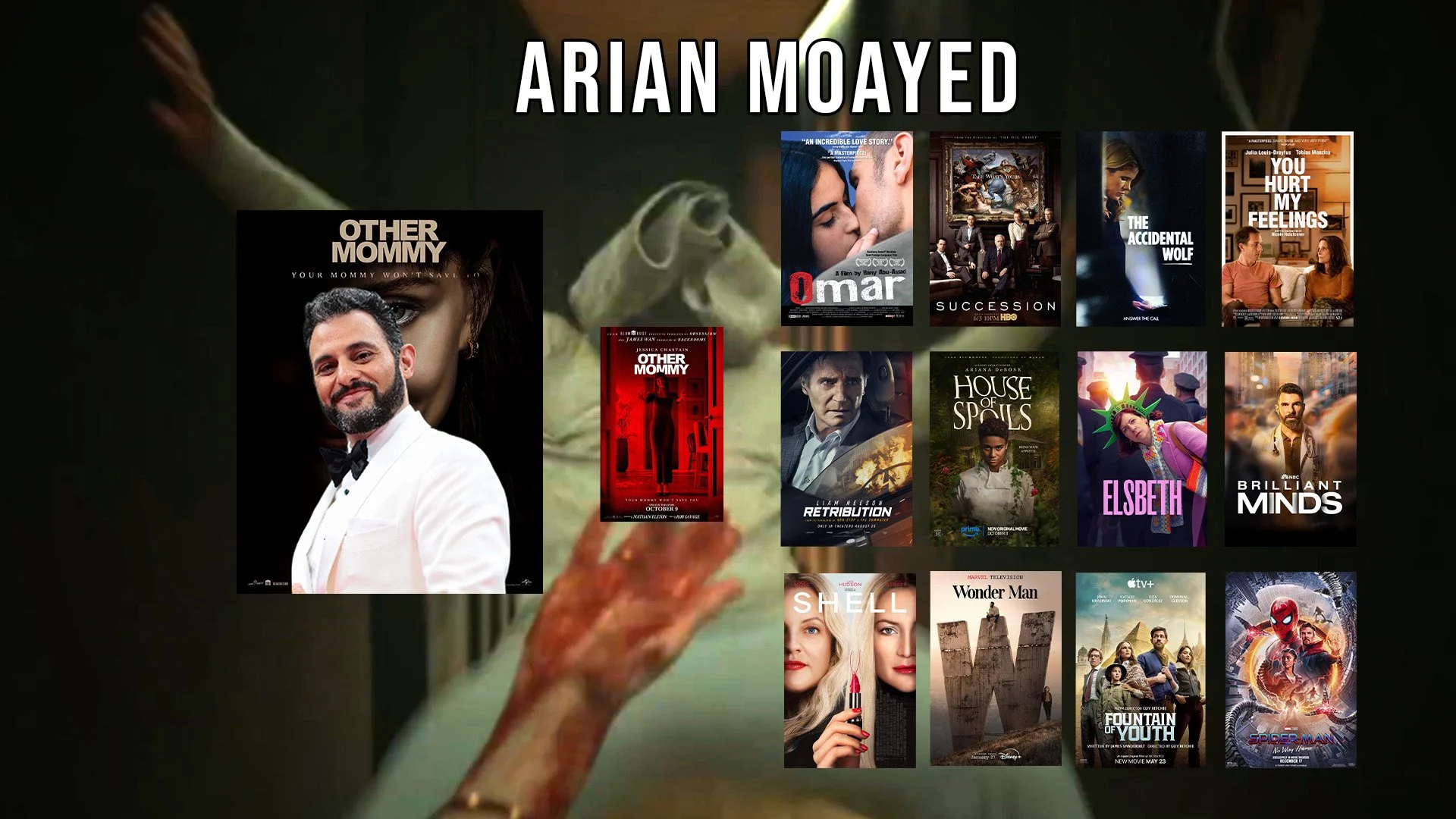
Arian Moayed (Succession, A Doll's House) rounds out the key cast as Uncle Frank. Moayed adds weight and dramatic credibility to the supporting roster, making the interpersonal fractures feel rooted in real adult complexities.

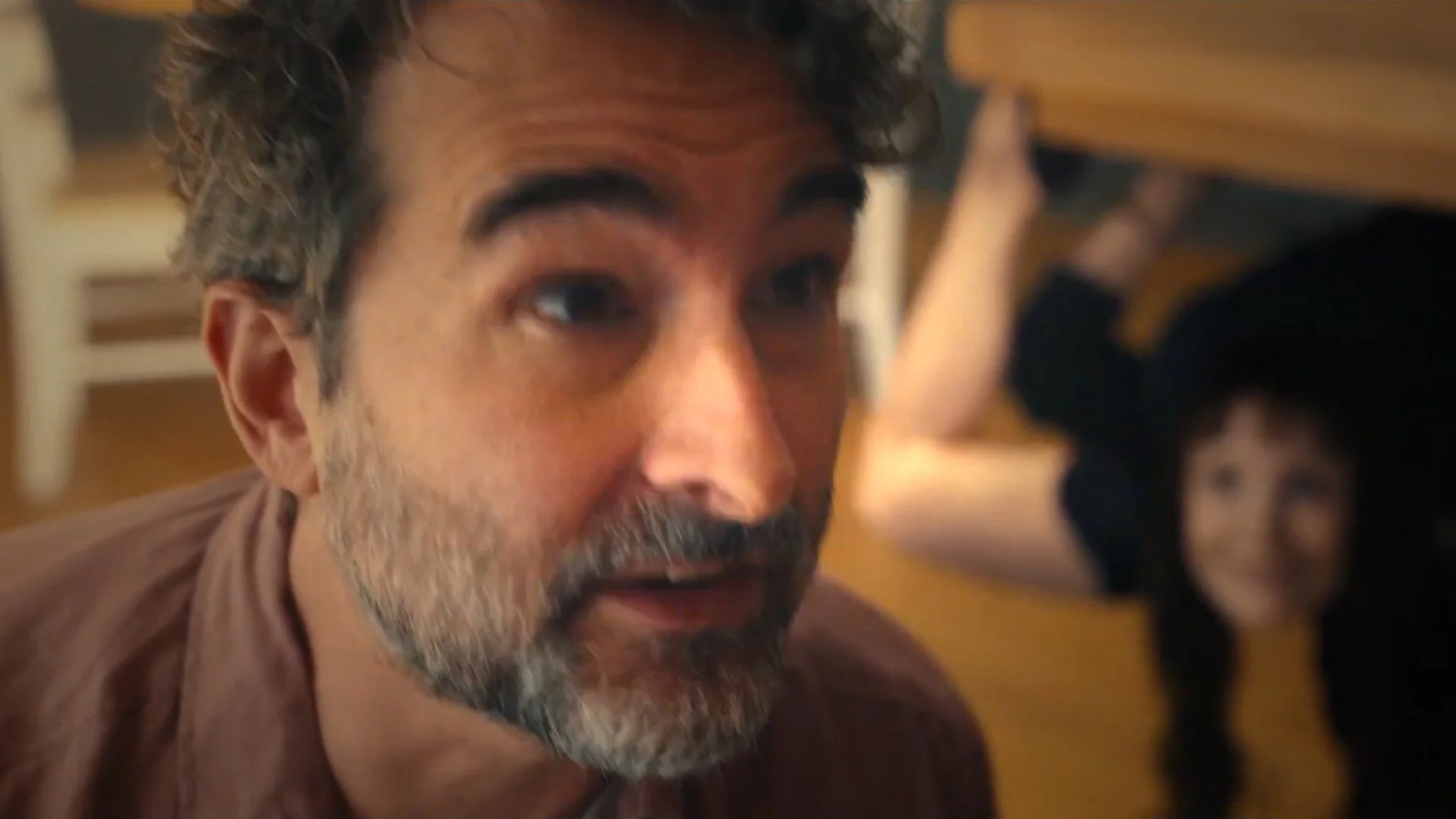
Jay Duplass as Russ “Daddo” Martin
Diving Into the Narrative and the Book Warning: Specific plot points, scene breakdowns, character fates, and major differences from the novel follow. One of the most jarring narrative choices occurs in the opening act. The memorable image of Other Mommy contorting beneath the kitchen table arrives roughly ten minutes into the runtime. In Malerman’s book, the entity remains largely Bela’s secret for an extended period; the parents’ initial skepticism creates an excruciating psychological barrier. By having Russ witness the entity almost immediately, the film strips away that lingering ambiguity. While it spares the audience the cliché of adults pointlessly denying the obvious, it also forfeits the slow burn of questioning whether the danger is real or imagined.
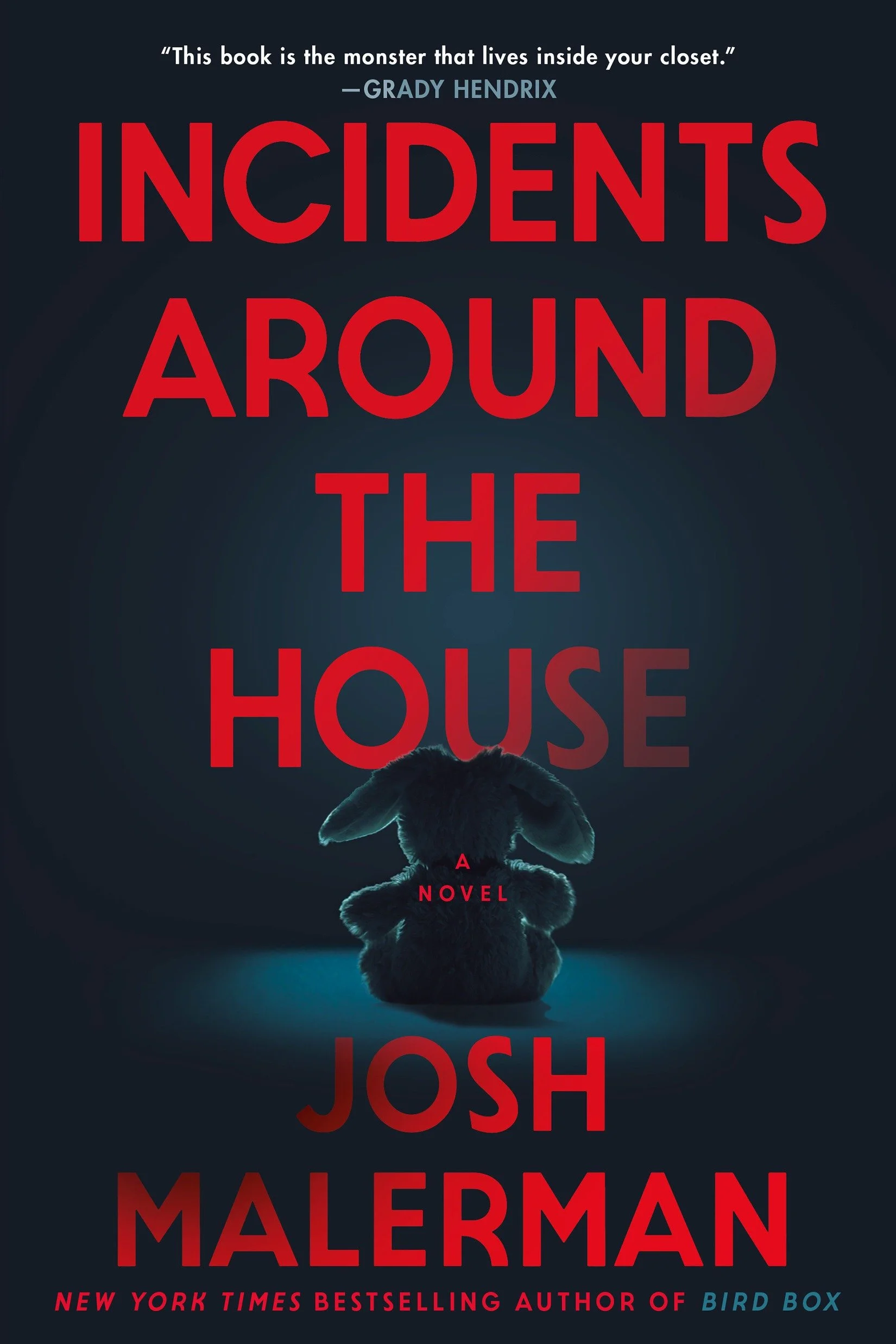
Incidents Around the House by Josh Malerman—the source material
The visual rendering of the entity marks another stark departure. In the novel, Other Mommy is an explicitly monstrous, refrigerator-sized blue figure with hair along its arms and roving eyes across its form. The film pivots entirely to doppelgänger dread, using Chastain’s likeness as the foundation. The unnatural body contortions and digital warps make for disturbing imagery, though overexposing the entity diminishes the terror of the unseen.
The surreal set pieces—such as Bela being pulled beneath a ball pit into a winding, impossible network of red play tubes—demonstrate an admirable ambition to step outside standard haunted house conventions. However, as the entity begins altering physical space, shifting rules, and materializing anywhere at will, the boundaries of danger become murky. When the internal logic of a monster’s abilities becomes too loose, the stakes naturally begin to soften.
This tonal shift is equally apparent during Frank’s graphic supernatural demise, where his head literally disintegrates into a glittering cloud of particles. It’s a memorable, spectacular visual flourish, but it pulls the movie far away from the quiet, claustrophobic intimacy of the novel into splashy visual effects. Similarly, introducing paranormal investigators only to rapidly discard them locks the second act into a repetitive cycle: flee, seek answers, get attacked, repeat.
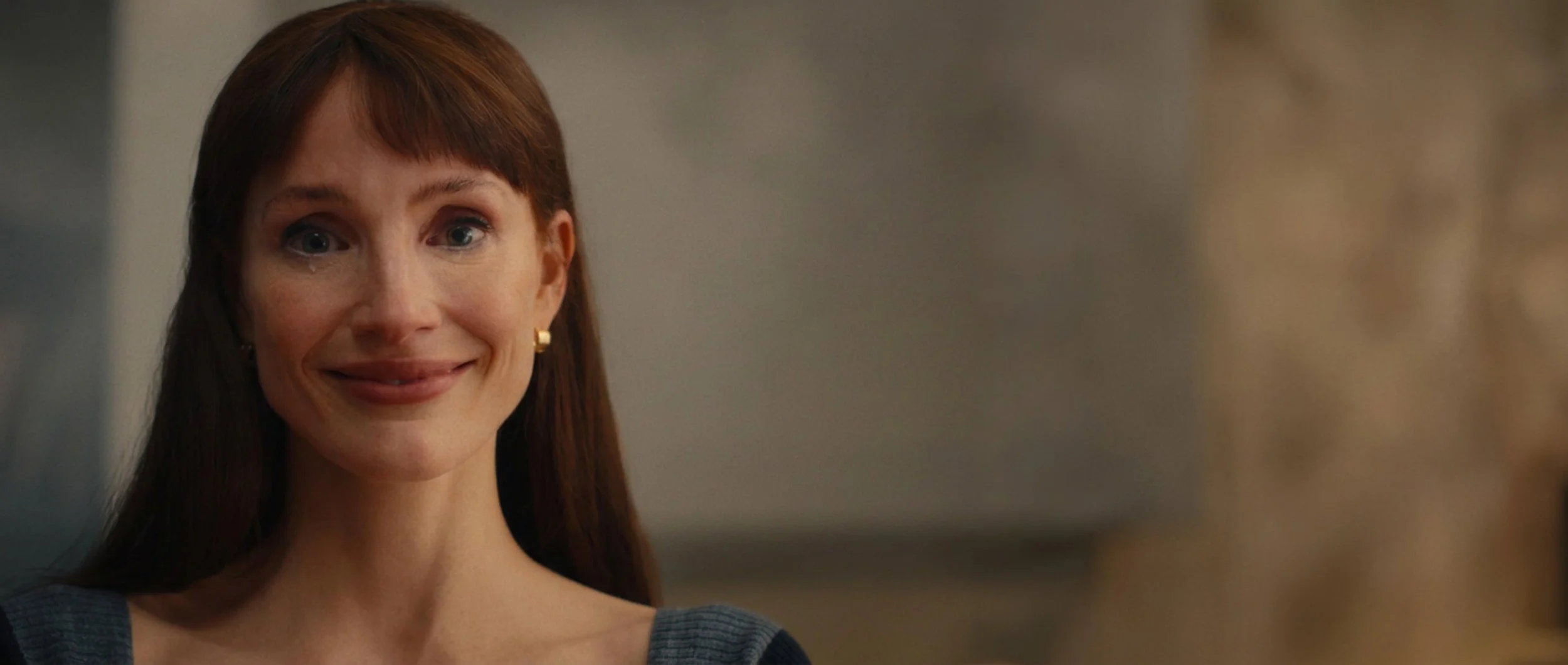
Creepy Other Mommy who wants to come into Bela’s heart.
At its core, the most compelling thematic layer remains the collision between supernatural horror and domestic guilt. The marital strain and Ursula's infidelity mean Other Mommy isn't just an external predator; she is an entity weaponizing parental failure, offering Bela a twisted substitute for a mother whose stability is cracking. The foundation for a devastating psychological tragedy is right there, yet the film's relentless tempo constantly prioritizes the next set piece over developing that emotional decay.
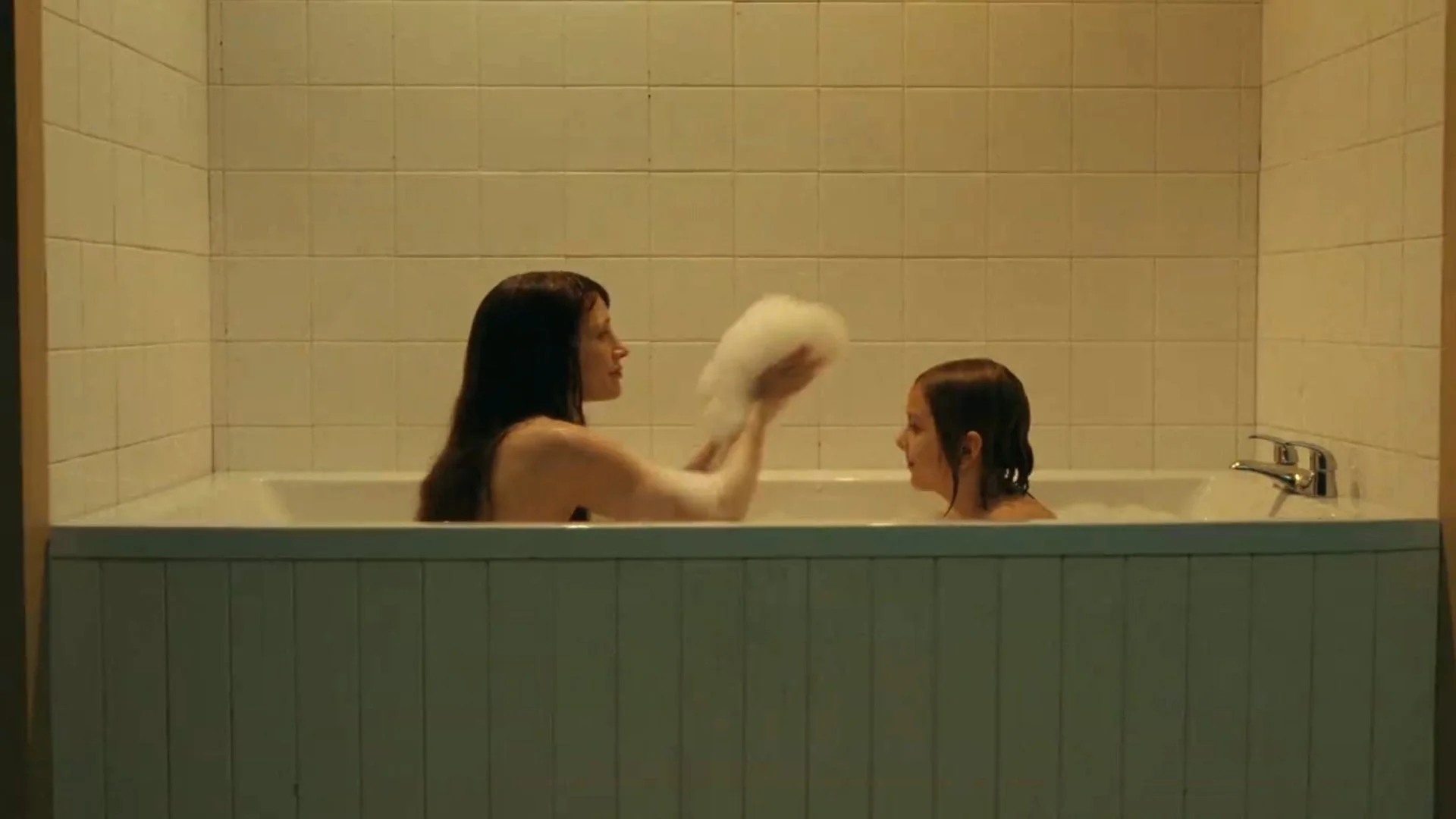
Bela and mommy or Other Mommy?
This divergence culminates in the ending. Malerman’s novel concludes on an unsparingly bleak note: Grandma Ruth, Russ, and Ursula are killed, leaving Bela utterly isolated until she finally concedes, allowing the entity to possess her physical form while her soul is banished to a desolate void—trapped in a perpetual, cyclical nightmare. The cinematic adaptation backs away from such an uncompromising slaughter. Instead, it opts for an ambiguous final beat, leaving the audience to question the true identity of the maternal figure and whether the haunting was ever genuinely thwarted. It’s a softer, more open-ended resolution, trading the devastating finality of the book for unresolved unease.
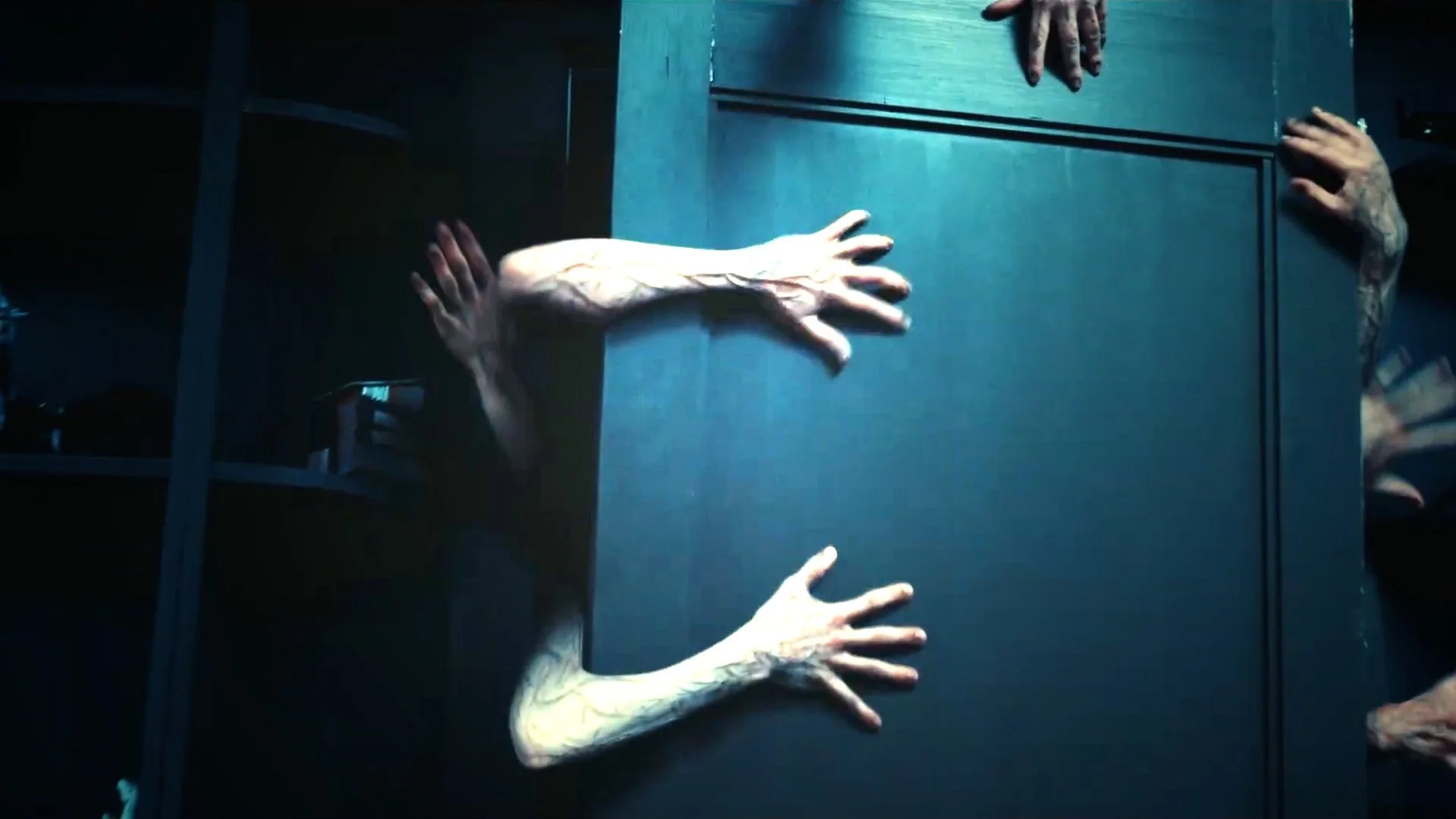
The critical reception surrounding the film’s rollout—which bypassed standard advance screenings—has leaned notably harsh, with many reviewers calling out the reliance on sudden jumps and uneven digital effects. While those criticisms carry weight regarding the rushed execution, the outright dismissals overlook the film's visual ambition and compelling cast.
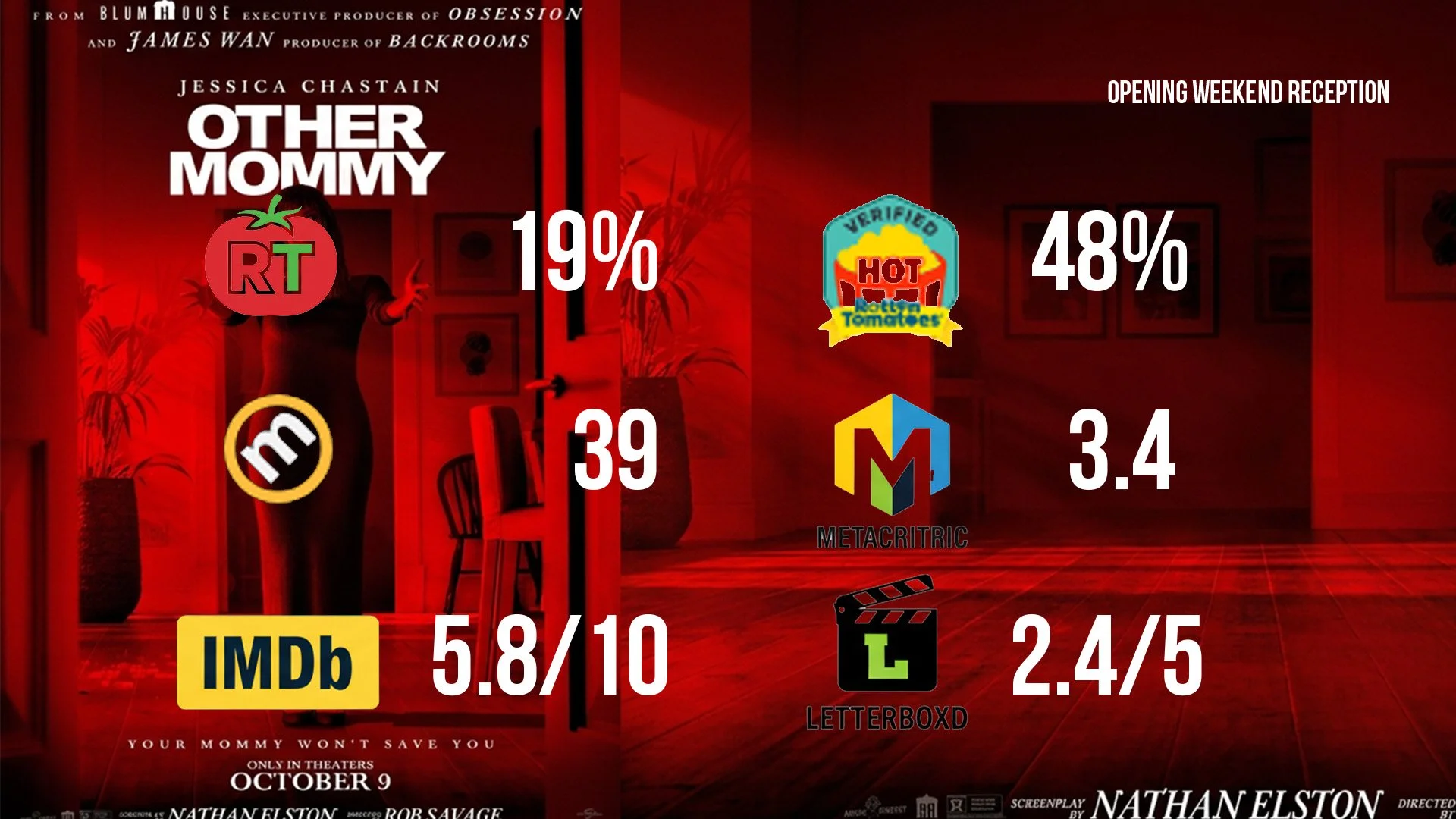
At the time of recording 10/9/2026 10:00 pm
Other Mommy doesn't rewrite the horror playbook, nor does it deliver the sustained dread of its literary counterpart. But anchored by strong performances from Chastain and Clark, and driven by Rob Savage’s willingness to embrace surreal imagery, it serves as a solid, fast-moving ninety-minute genre entry. Approach it with calibrated expectations, and there is plenty of eerie fun to be had.
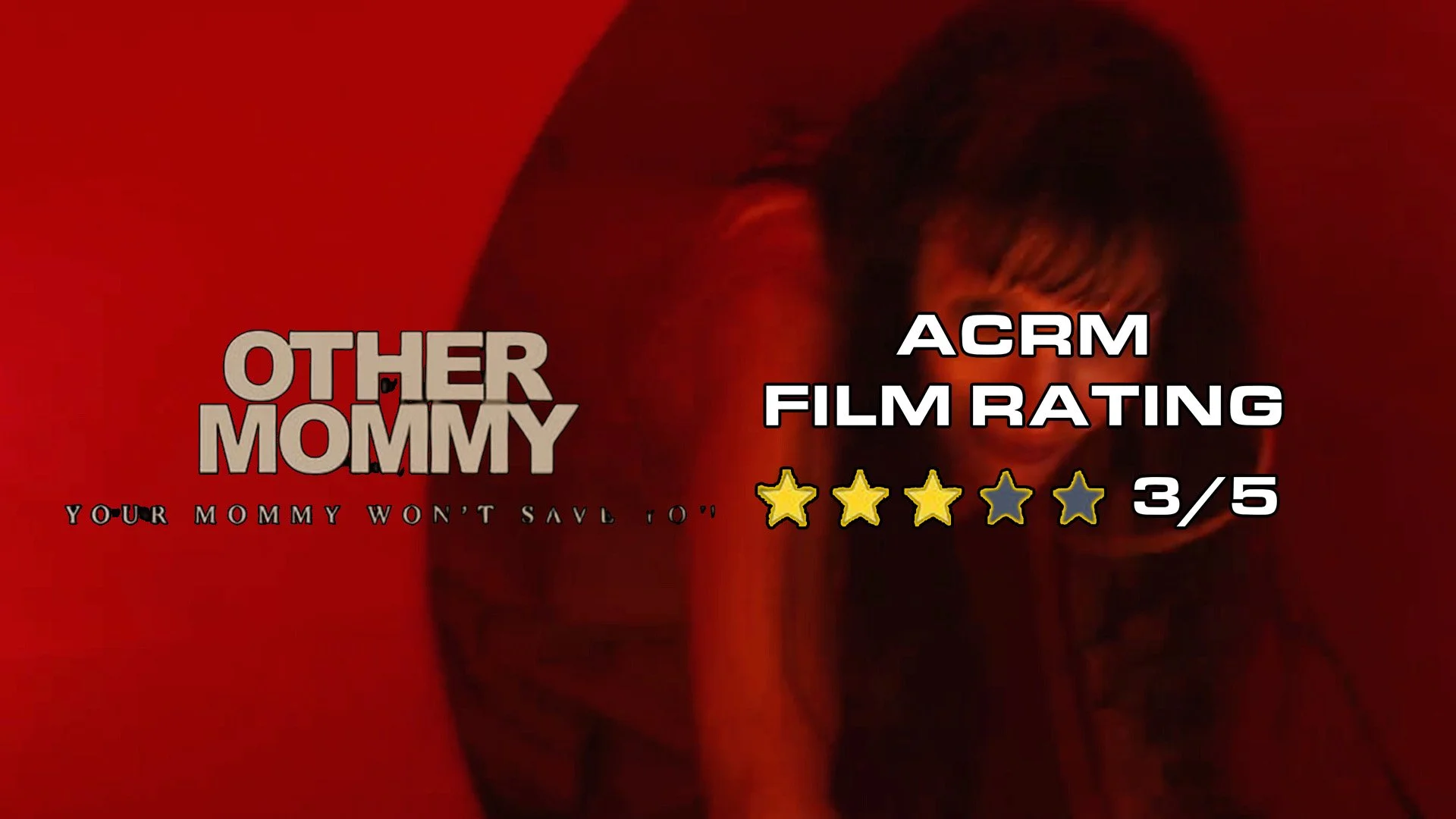
Final Rating: 3 out of 5
