The Bride 2026 Explained — Frankenstein's Bride What Changed A Non-Spoiler Analysis
In 1935, the Bride of Frankenstein lived for only a few minutes. She opened her eyes, screamed, spurned the monster, and vanished for nearly a century. That scream defined her, but while other iconic monsters of the 1930s like Dracula have reappeared in many guises, the Bride remained tantalizingly incomplete. Maggie Gyllenhaal’s 2026 film finally poses the question the original never could: What if she lives?.
A Gothic Tale of Self-Definition
Set in 1930s Chicago, The Bride retells the classic legend as a Gothic tale of self-discovery. In this version, Frankenstein's monster longs for a companion, leading Dr. Euphronius to assist in the resurrection of a murdered woman. When she awakens, she rejects both her maker and her proposed husband.
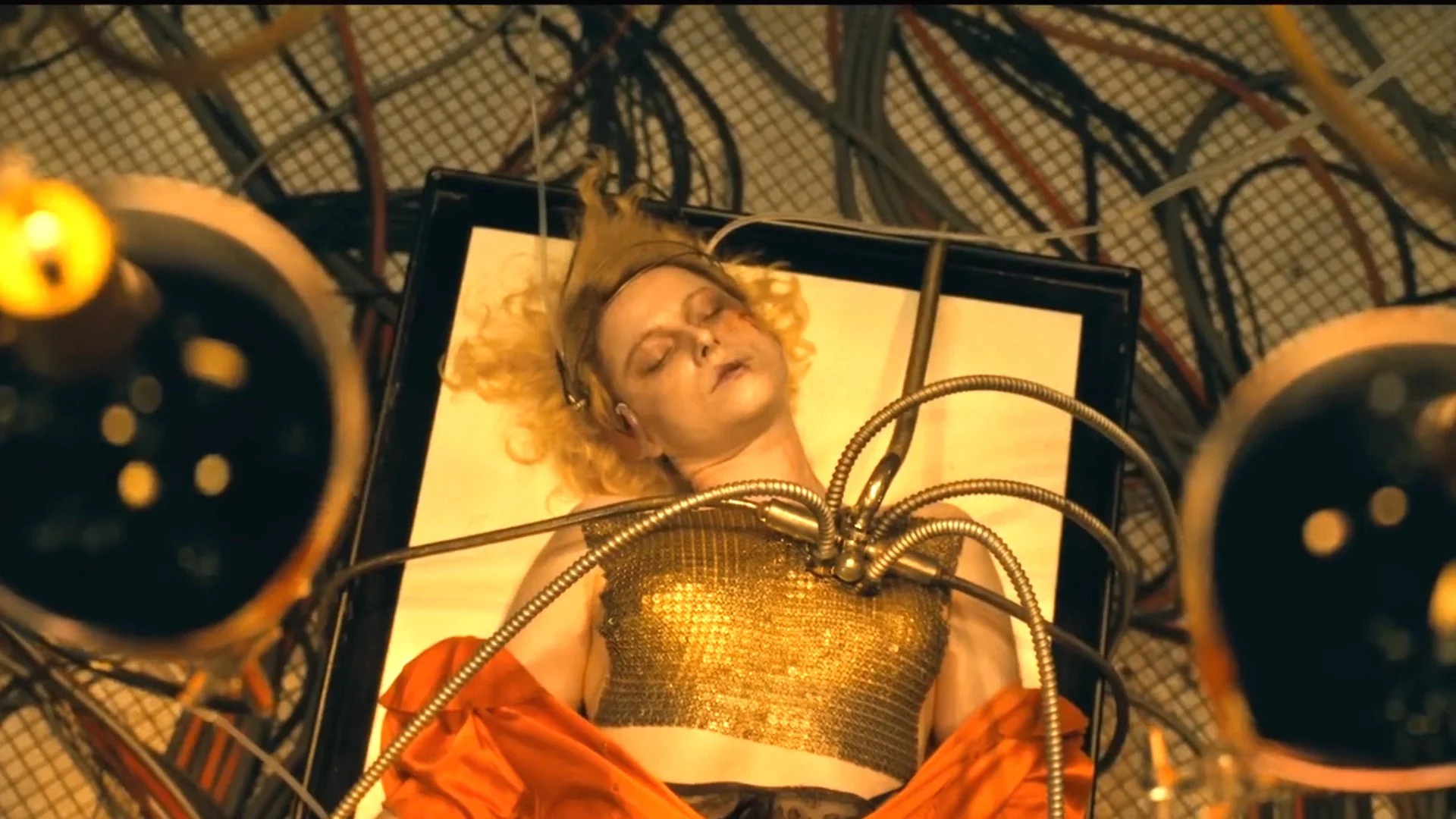
Jesse Buckley as The Bride 2026
The film subverts traditional horror tropes by shifting the focus from fear to social isolation. The Bride is feared not because she is a "monster," but because she defies ownership and the "script" others have written for her. She is no longer an accomplishment or a puppet; she is a being.
The Craft of Creation
The film introduces significant departures from the 1935 original to create its own identity:
Scientific Shift: The 2026 film replaces the showman Dr. Pretorius with Dr. Euphronius, named after the ancient artist famous for lifelike human forms.
Atmosphere: The tone leans toward a melancholic fairy tale rather than standard horror, focusing on themes of love and freedom.
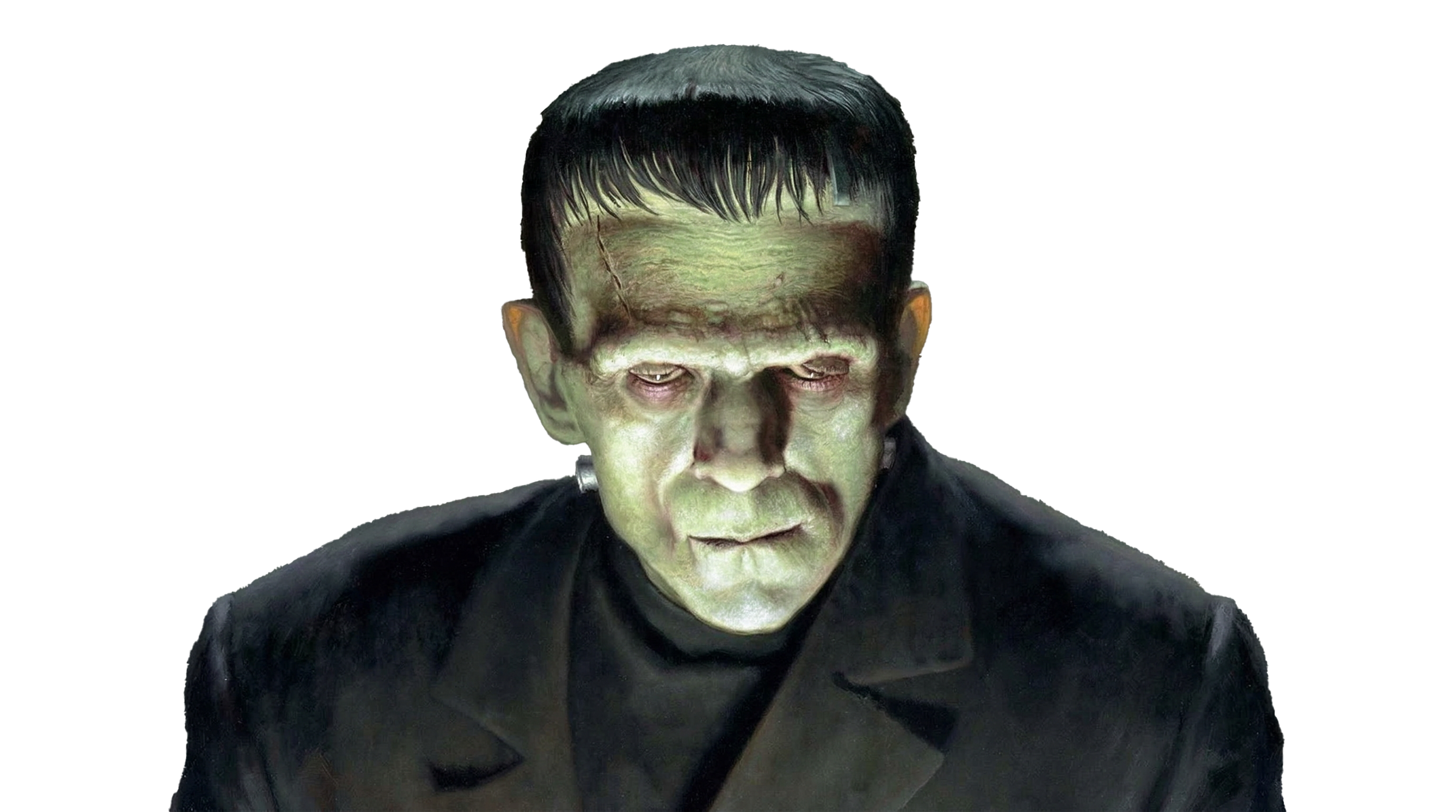
Legal & Visual Ingenuity: While the 1818 novel is in the public domain, Universal Pictures still holds the copyright to the "flat-top" head and green skin. Warner Bros. and Gyllenhaal sidestepped these trademarks by setting the film in a "grimy, punk-rock Chicago" and using inky black "resurrection tar" instead of neck bolts.
A Community of Collaboration
The cast of The Bride is not a result of random prestige casting; rather, it consists of a community of artists with a deep history of collaboration and a shared performance language[cite: 9, 47].
Jessie Buckley (The Bride)
- Previous Collaboration: Reunited with director Maggie Gyllenhaal after their work on The Lost Daughter[cite: 48].
- Thematic Signature: Buckley frequently portrays women defined by fractured identities, loss, and the struggle against imposed perfection[cite: 49, 52, 62].
- Character Context: Her performance as the Bride, a woman made for another who must find her own voice, was influenced by the openness she developed while filming Hamnet[cite: 40, 57].
Christian Bale (Frankenstein’s Monster)
- Physical Narrative: Bale uses his history of extreme physical transformation—seen in The Machinist and The Fighter—to portray a monster whose flesh is literally constructed history[cite: 71, 73, 75, 77].
- Thematic Couplet: While Buckley represents a self emerging from construction, Bale represents a self imprisoned within it[cite: 86].
- Mythic Resonance: His pairing with Gyllenhaal echoes their relationship in The Dark Knight, reversing the trope of the "impossible idealization" of a woman[cite: 87, 88, 90].
Peter Sarsgaard (Det. Jake Wiles)
- Authority Figures: Sarsgaard often plays characters situated within legal or scientific systems who are forced to confront things they cannot control[cite: 99].
- The Social Gaze: In this film, he represents the social order that seeks to categorize and define the Bride, who resists such definitions[cite: 100].
- Personal Connection: As Gyllenhaal’s husband and longtime creative partner, his presence adds a layer of complex authorship and observer-creator dynamics to the production[cite: 101, 102, 110].
Together, this ensemble utilizes their shared history in character-driven genres to root the film’s agency in emotional truth rather than simple creature horror[cite: 66, 67, 116, 117].
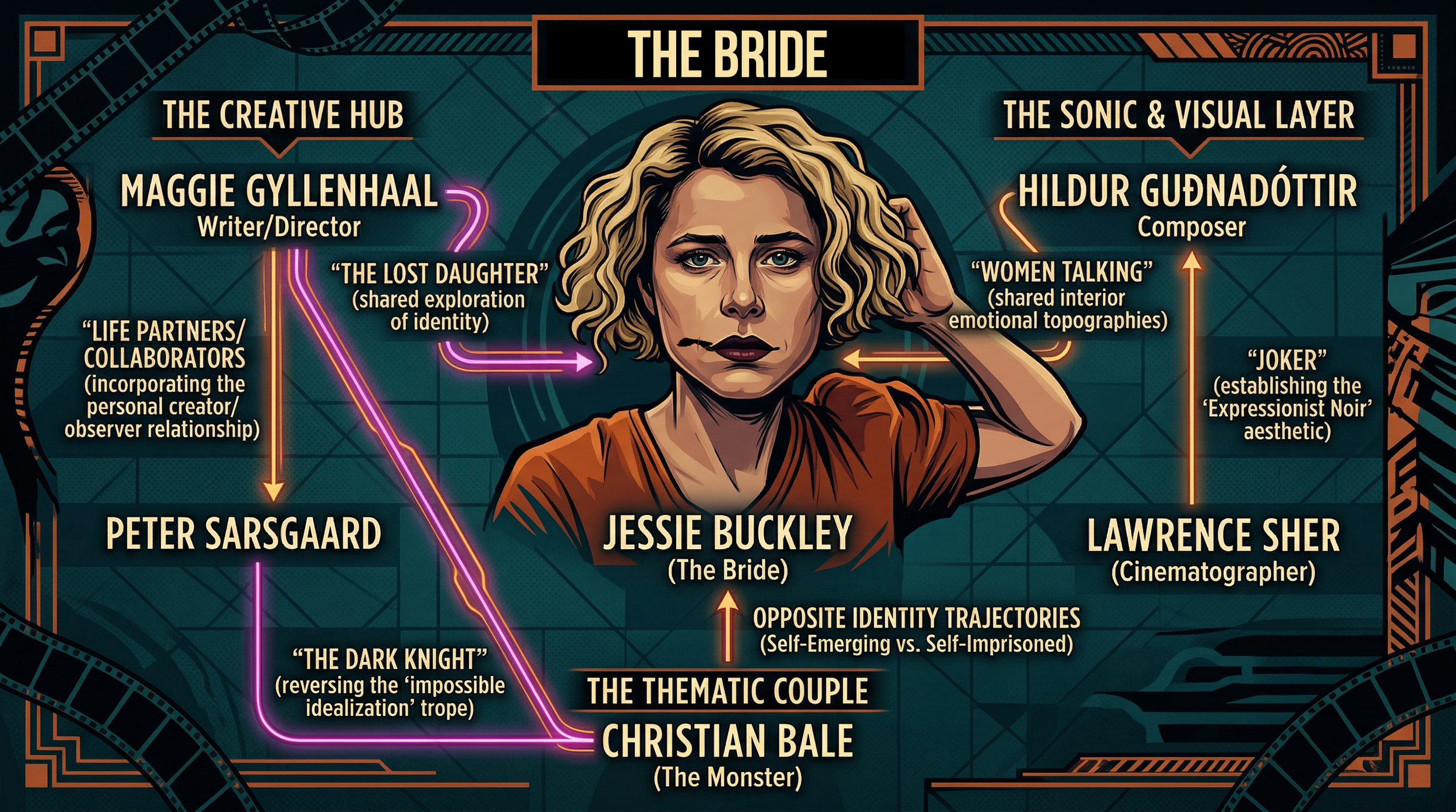
All Connected - The Bride 2026
Beyond the Horror Label
If you expect a traditional horror movie, you may be surprised. While there are grotesque and unsettling moments, horror is not the primary point. The film is a blend of Gothic imagery, social exile, and romance that feels closer to a tragic love story. It even incorporates comedic moments and dance sequences that fit within its unique world.
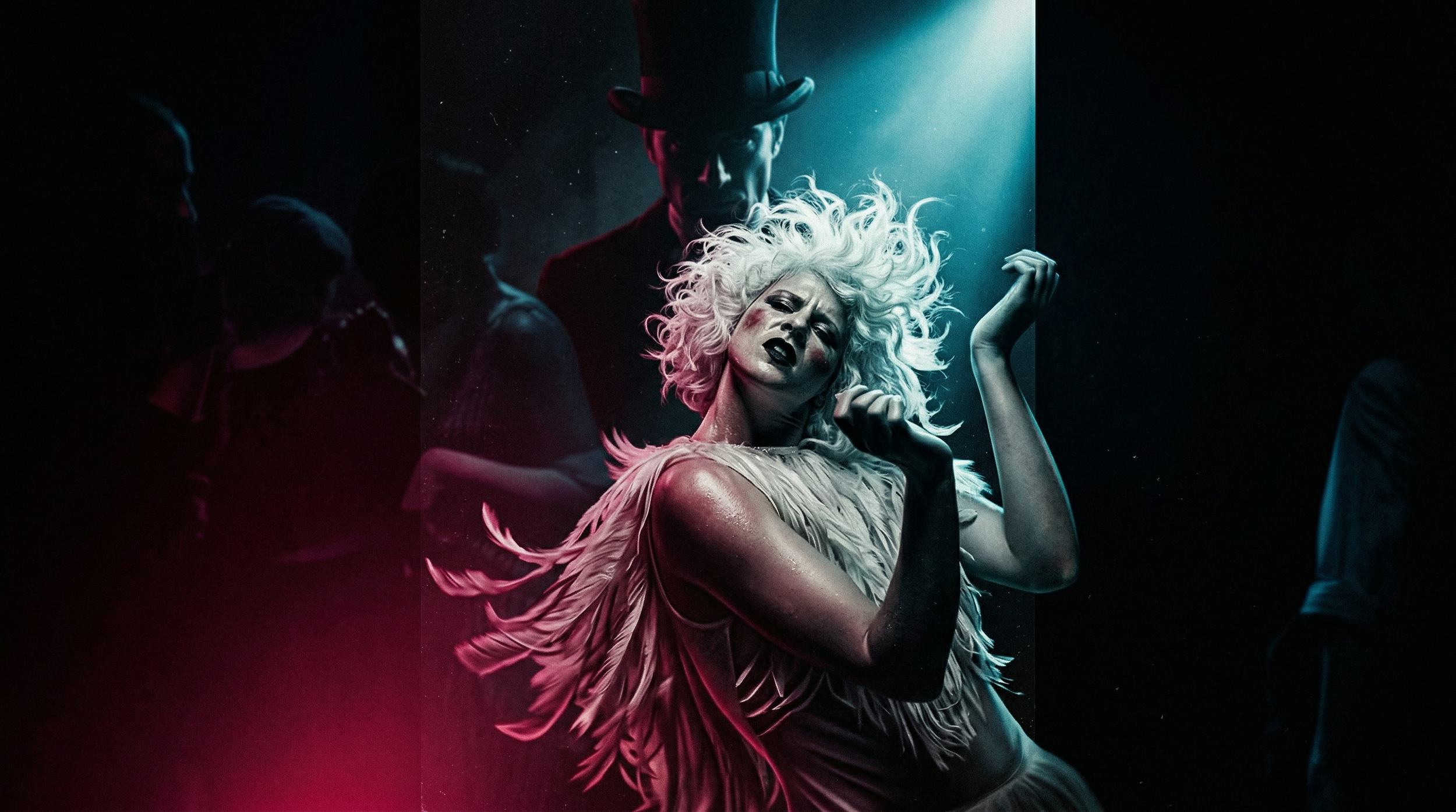
The Bride earns a 4 out of 5. It is a strong film that reminds us that the best monsters aren't the ones that scare us—they are the ones that remind us what it means to be human.
ACRM RATING
The Verdict
"This isn't a traditional horror film; it blends Gothic imagery, social exile, and romance into something that feels closer to a tragic love story. A striking film about a woman made for another who must find her own voice."
- 🎬 Director: Maggie Gyllenhaal
- 🎭 Stars: Jessie Buckley, Christian Bale, Peter Sarsgaard
- 👾 Genre: Gothic Romance / Sci-Fi Drama
- 🏷️ MPAA Rating:R
- 🧠 Key Theme: Imposed Identity & Self-Definition
Pro Tip: Stay for the credits! About 30 seconds in, there are additional scenes that hint at the world the Bride and "Franc" have created.
