The Science of the Shadow: Rayleigh Scattering
The "Blood Moon" isn't just a visual trick; it’s a global atmospheric filter. During a total lunar eclipse, the Earth blocks direct sunlight from reaching the moon. The only light that hits the lunar surface is filtered through the Earth’s atmosphere.
This is Rayleigh scattering—the same reason sunsets are red. The Earth's atmosphere scatters shorter blue wavelengths and allows longer red wavelengths to pass through.
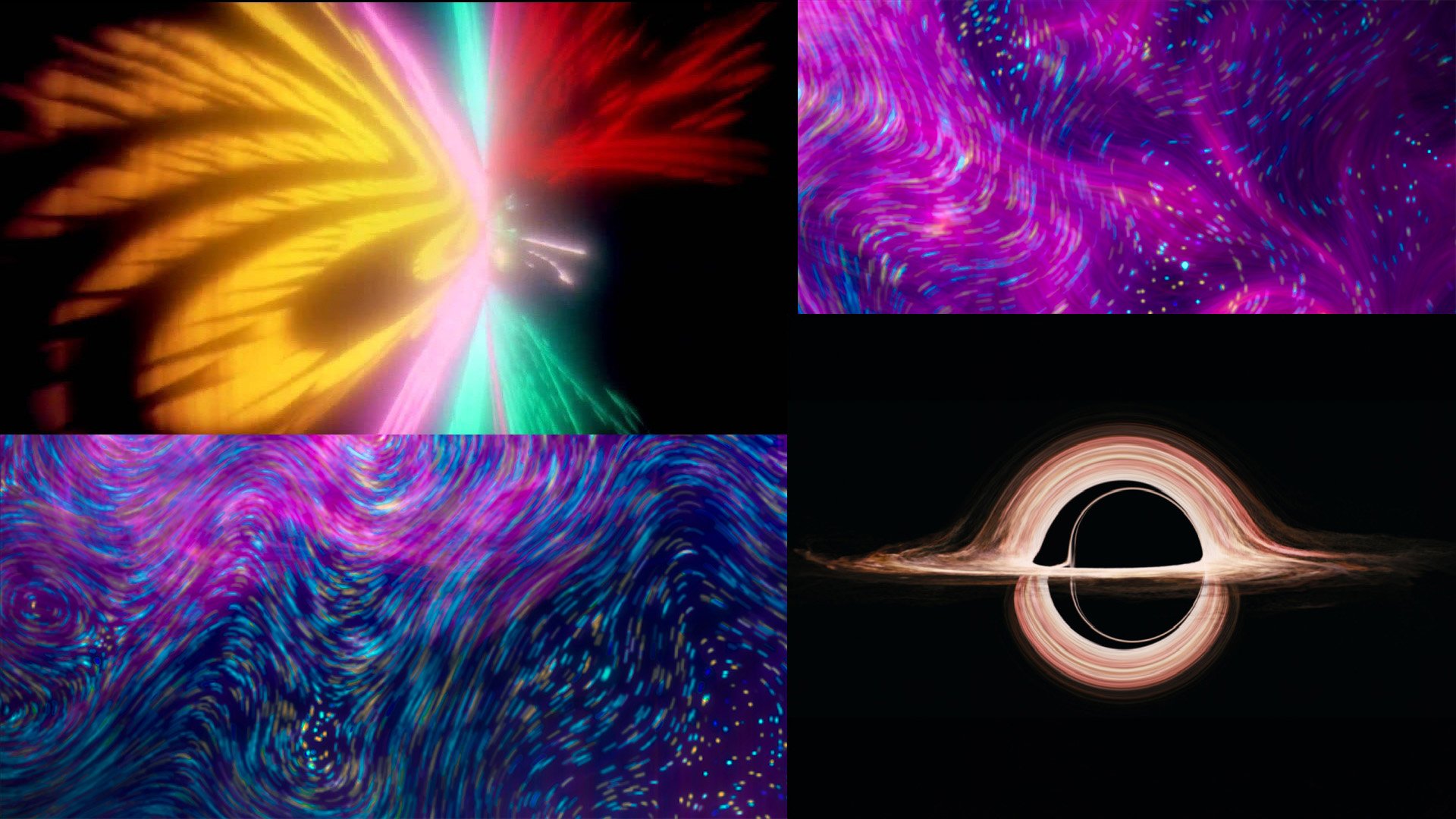
Visually, this creates a "Natural Technicolor" effect. In sci-fi, we see this palette used in films like Interstellar (the wormhole sequence) or 2001: A Space Odyssey. It’s a moment when the cosmos adopts a cinematic color grade in real time.
The Southwest Viewing Window (MST)
3:15 AM: Partial eclipse begins (The "bite" out of the moon).
4:25 AM: Totality Begins. This is when the moon turns deep copper-red.
5:23 AM: Maximum Eclipse.
6:22 AM: Totality ends as the moon sets over the western horizon.
