The Legend of Zelda: The Architecture of Adventure
In 1986, a gold cartridge changed how we define "exploration." Forty years later, the Legend of Zelda franchise remains the blueprint for building a world that feels vast without needing thousands of pages of "procedural" lore.
The "Show, Don't Tell" Masterclass
Modern cinema often gets bogged down in explaining the rules of its world. Zelda does the opposite.
Visual Storytelling: You see a cracked wall; you know you need a bomb. You see a distant peak; you know you can eventually stand on it.
This is "Organic Project Management." The world provides the tools (items) and the milestones (dungeons), but the path is yours. It respects the player's intelligence by letting them discover the "how" through action rather than dialogue.
Bridging to Cinema
The "Zelda Formula" is visible in the best action/adventure films you cover:
The Indiana Jones Connection: The sense of "archeology in motion"—using ancient tech to solve environmental puzzles.
The Star Wars Parallel: Much like Link, Luke Skywalker starts as a farm boy in a vast, dangerous world, slowly acquiring the "tools" (The Force, a lightsaber) to unlock new areas of the galaxy.
The Evolution of Hyrule: A Technical Timeline
1. The "Miniature Garden" Era (1986–1997)
The Philosophy: Shigeru Miyamoto famously described the original Zelda as a "miniature garden" in a box. The focus was on density and hidden secrets within a fixed overhead grid.
Key Innovation: The Legend of Zelda (1986) was the first console game to feature an internal battery for saving progress. This changed the medium from a "one-sitting" arcade experience to a multi-day project.
The Peak: A Link to the Past (1991) introduced the Dual World mechanic (Light World/Dark World), a technical workaround that effectively doubled the map size without requiring entirely new assets.
2. The "3D Revolution" & Structural Rigidity (1998–2011)
The Philosophy: With the jump to 3D, the focus shifted to Z-Targeting and cinematic storytelling. The world became more linear, acting as a series of "puzzle box" dungeons connected by a central hub.
Key Innovation: Ocarina of Time (1998) set the standard for 3D combat and camera management. However, this era also saw the introduction of more "procedural" hand-holding (like Navi or Fi), which limited the player's sense of raw discovery.
The Pivot: The Wind Waker (2002) used cel-shading to create a timeless, "playable cartoon" aesthetic, proving that art style could be a technical solution to the limited hardware of the GameCube.
3. The "Chemistry & Physics" Era (2013–Present)
The Philosophy: Starting with A Link Between Worlds and culminating in Breath of the Wild, Nintendo "rethought the conventions" of Zelda. They moved away from item-gating and toward a Chemistry Engine.
Key Innovation: In Tears of the Kingdom (2023), the world isn't just a map; it's a physics playground. Using tools like Ultrahand, players solve problems through engineering rather than finding a specific "key" in a dungeon.
The ACRM Angle: This era represents the "Neural" shift. The game no longer tells you how to solve a puzzle; it provides the laws of physics and lets your mind race toward a unique solution.
| Era | Primary Tech/Platform | World-Building Philosophy |
|---|---|---|
| 8-bit/16-bit | NES/SNES (Sprites) | The "Miniature Garden" - Dense, grid-based secrets. |
| Early 3D | N64 (Polygons) | Z-Targeting and the "Puzzle Box" dungeon design. |
| Stylized HD | Wii U/Switch | Chemistry Engines: Interaction over linear progression. |
| The Future | Switch 2 (Rumored) | Seamless verticality (Sky, Surface, and Depths). |
To understand why The Legend of Zelda has maintained such a dominant hold on the cultural imagination for 40 years, we have to look past the "fantasy" surface and look at the psychology of the play.
For a brand like A Constantly Racing Mind, the popularity of Zelda isn't about the specific characters—it’s about the Architecture of Autonomy.
1. The "Sense of Agency" (Anti-Procedural Play)
Most games and many modern films treat the audience like a passenger. They give you a quest marker and tell you exactly where to go.
The Zelda Difference: From the very first game in 1986, Zelda dropped you in a field with no instructions. It didn't tell you to go to a dungeon; it just let you see a cave and wondered if you were brave enough to enter.
The Appeal: It rewards curiosity over compliance. That sense of "I found this because I looked for it," rather than "I found this because the game told me to," creates a powerful emotional bond with the world.
2. Universal Archetypes (The "Silent" Protagonist)
Link is famously silent. While some see this as a technical limitation of the 80s, it became the series' greatest strength.
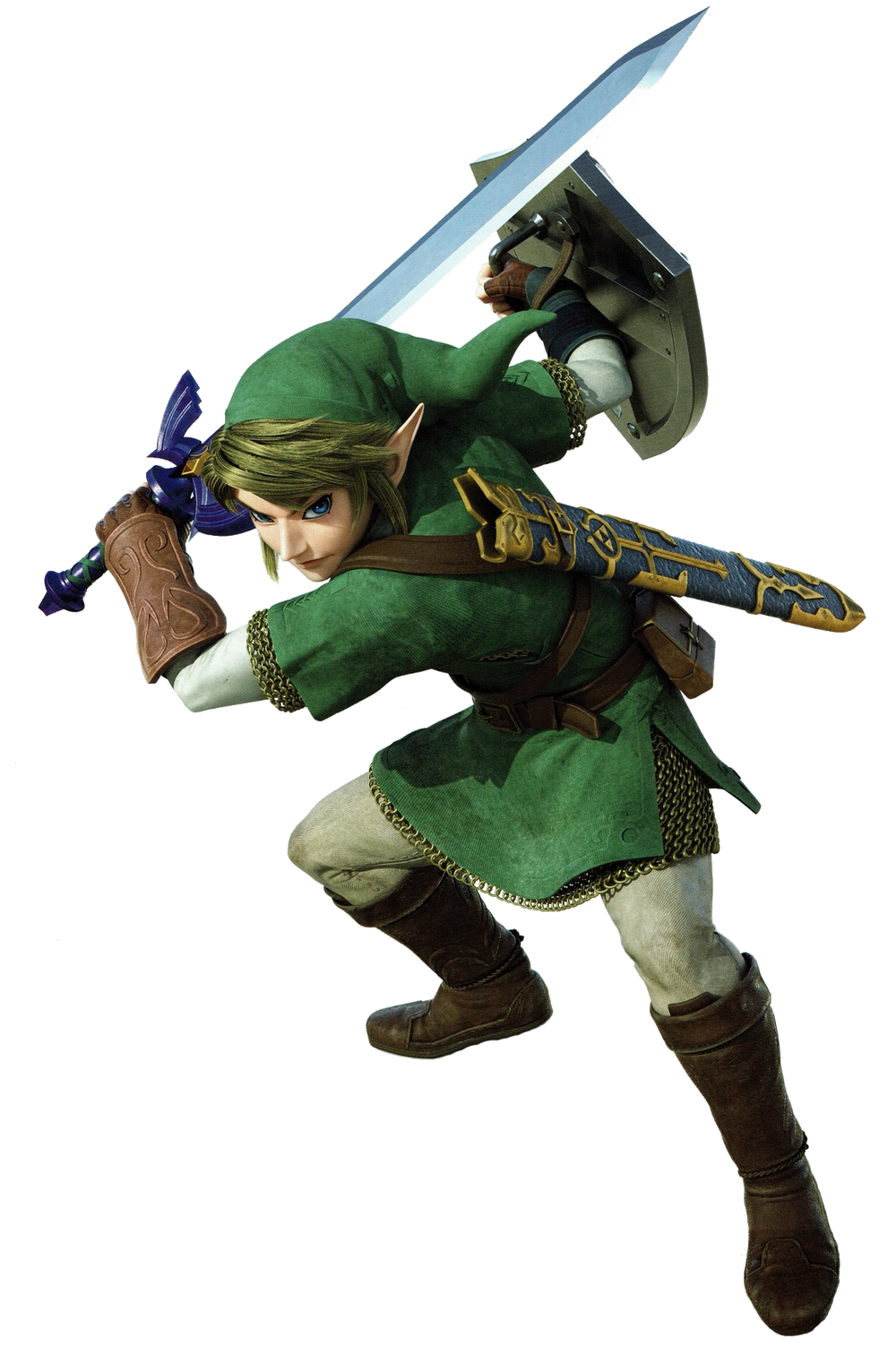
The "Avatar" Effect: Because Link doesn't have a defined personality or voice, the player (or the viewer) projects their own courage and fear onto him. He is a vessel for the audience’s racing mind.
The Hero’s Journey: Zelda utilizes the Joseph Campbell "Hero's Journey" in its purest form. It’s a clean, high-stakes struggle between Order and Chaos that feels timeless, similar to Star Wars or The Lord of the Rings.
3. The "Toolbox" vs. The "Key."
In most adventure media, you find a "Key" to open a "Door." It’s a binary interaction.
The Evolution: Zelda shifted the "Key" to a "Tool" (the Boomerang, the Hookshot, the Glider). Suddenly, you aren't just opening doors; you are changing how you interact with the entire environment.
Modern Popularity: With the latest entries (Breath of the Wild and Tears of the Kingdom), they moved even further into Systemic Gameplay. If you see a fire, you can use it to create an updraft to fly. This appeals to the "technical" mind that loves to deconstruct how things work.
The Chemistry of Chaos: Breath of the Wild (2017)
Before BotW, Zelda was governed by "triggers." If you hit a switch with an arrow, a door opened. Breath of the Wild replaced those triggers with a Chemistry Engine.
The Elements: Fire, ice, electricity, and wind interact with the world naturally. Rain makes surfaces slippery; lightning is attracted to metal armor; fire creates thermal updrafts.
The ACRM Angle: This shifted the player’s mindset from "What does the developer want me to do?" to "How can I exploit these laws of nature?" It turned the game into a technical troubleshooting exercise. You aren't just a hero; you're a survivalist managing resources and environmental variables.
The "Administrative" Death: Nintendo famously removed the traditional "tutorial" and "quest log" clutter. They gave you the tools in the first hour and said, "The final boss is over there. Good luck." It is the ultimate anti-procedural experience.
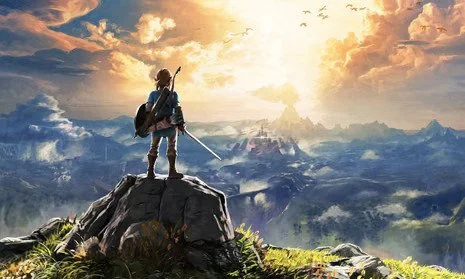
Breath of the Wild
The Engineering of Imagination: Tears of the Kingdom (2023)
If BotW was about biology and chemistry, TotK is about Mechanical Engineering.
Ultrahand and Fuse: These aren't just magic spells; they are CAD (Computer-Aided Design) tools for the masses. The ability to glue any two objects together to create vehicles, bridges, or weapons turned every player into a Project Manager of their own ingenuity.
Verticality: The map expanded into a tri-level "Project Site": The Sky, The Surface, and The Depths. Navigating these layers required building specialized machinery—drones, hot air balloons, and off-roaders.
The Technical Triumph: From a coding perspective, the "Fuse" system is a miracle. It allows for millions of combinations without breaking the game’s physics—a level of stability that even high-end IT projects struggle to achieve.
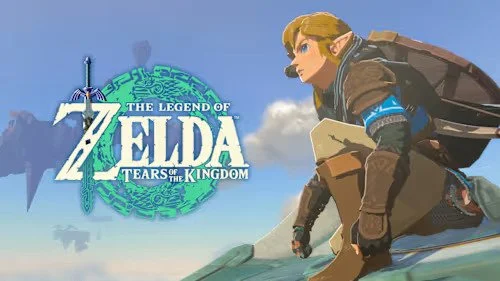
Tears of the Kingdom (2023)
| Technical Pillar | Breath of the Wild (2017) | Tears of the Kingdom (2023) |
|---|---|---|
| Primary System | Chemistry: Elemental interactions (Fire, Ice, Lightning). | Physics: Structural engineering and Fuse mechanics. |
| Navigation | Horizontal exploration of a "Ruined" world. | Vertical exploration (Sky to Depths) via custom machinery. |
| Player Role | The Scavenger: Surviving the environment. | The Architect: Rebuilding and manipulating the world. |
