The Death of the Static: Why Modern Horror is Losing its Signal
This Tuesday, February 17, marks the anniversary of the 2009 transition from analog to digital television. For most, it was a technical upgrade; for the horror genre, it was the day the ghosts lost their favorite hiding place.
In the tradition of looking at the tech behind the tropes, let’s analyze why the death of the static actually made horror a lot harder to pull off.
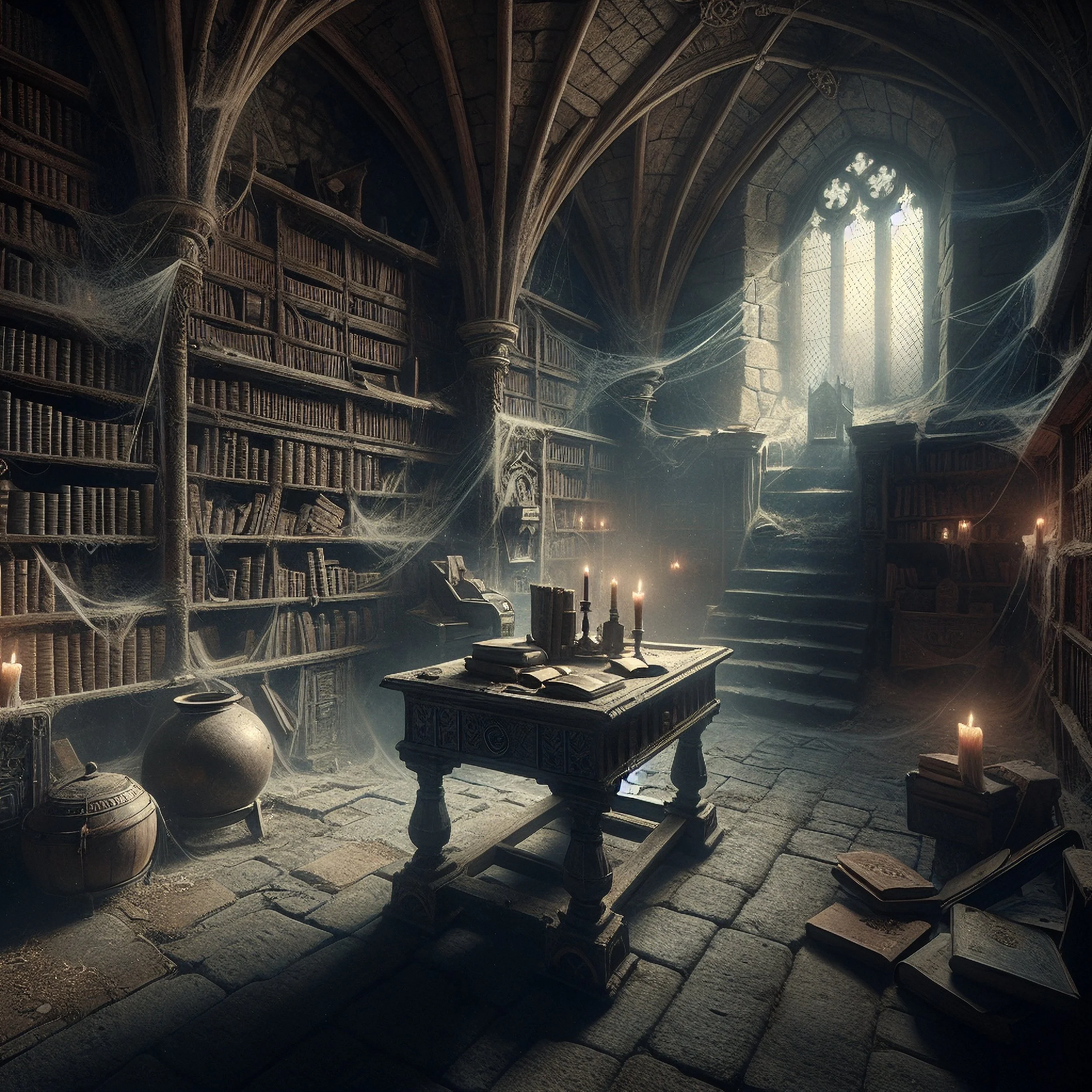
Physical Media
The Aesthetics of the Unknown
Analog technology was inherently "haunted." Between the frames and the tracking lines was a layer of white noise—the "snow."
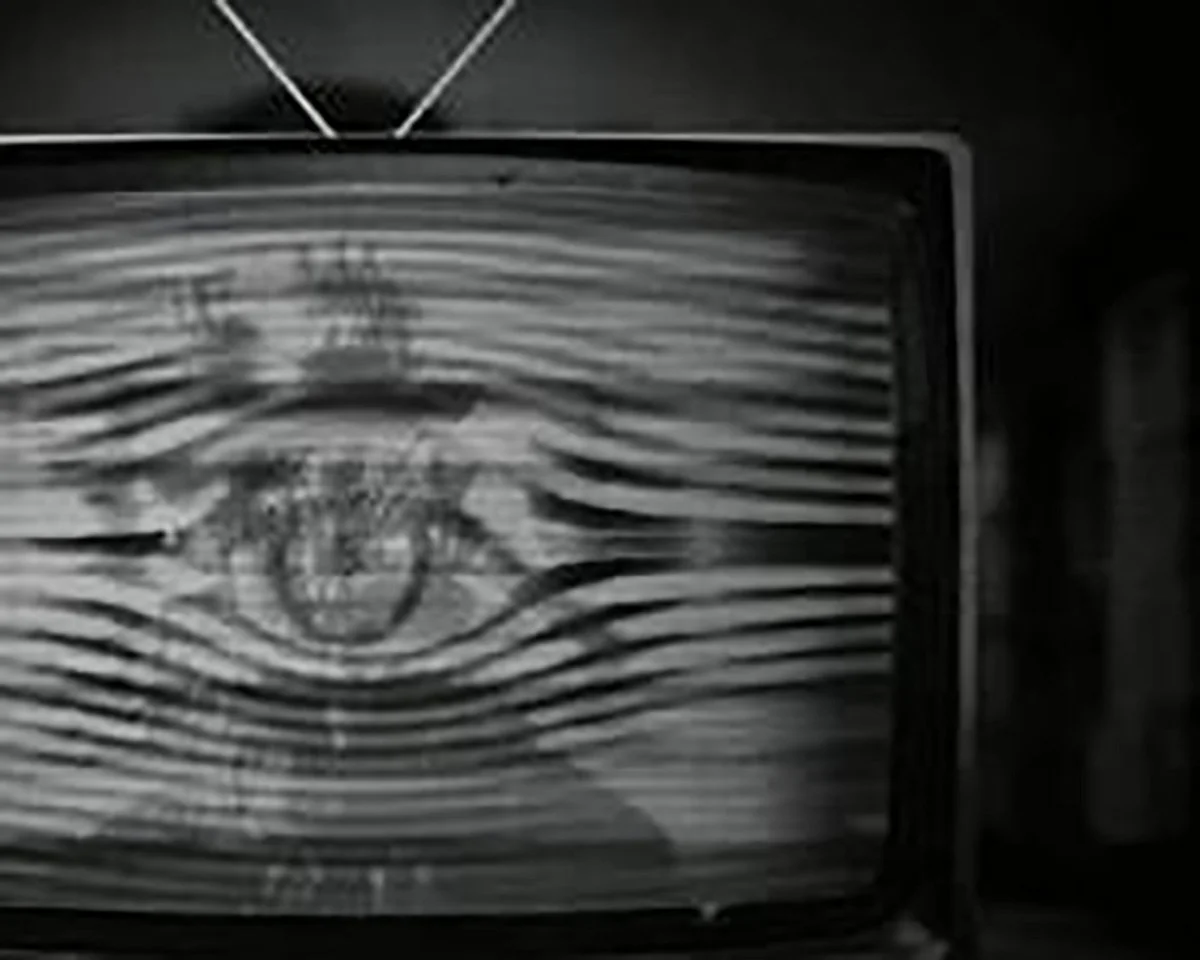
The Poltergeist Effect: In 1982, Poltergeist turned the television into a portal. The static wasn't just a lack of signal; it was a physical space where things could live.
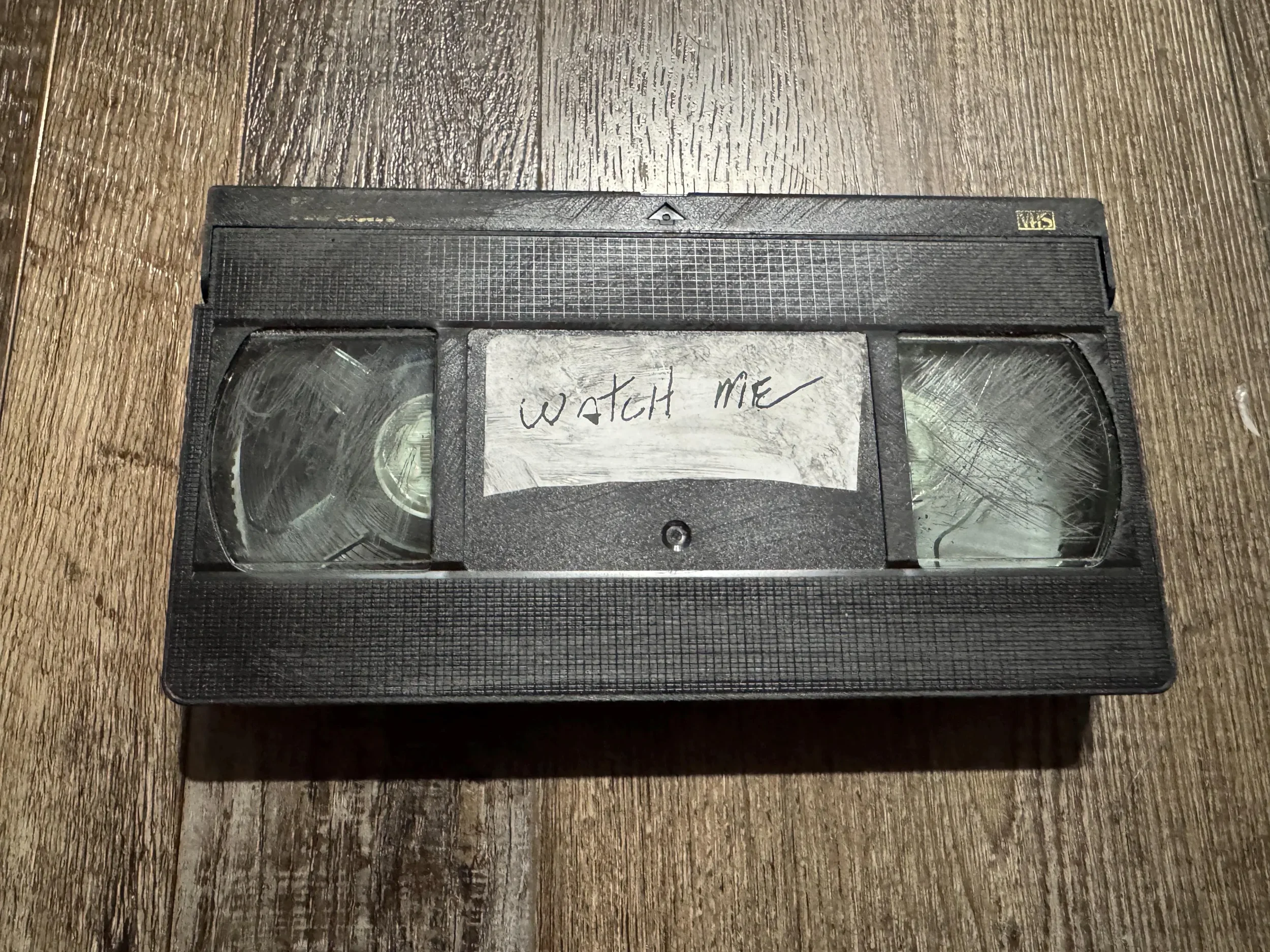
The Ring and the VCR: The Ring (2002) relied on the physical degradation of magnetic tape. The "tracking" errors and grainy visual artifacts provided a sense of organic rot that digital video simply cannot replicate.
The Digital Problem
Digital signals are binary. You either have a perfect, high-definition image, or you have a frozen, pixelated block. There is no middle ground. There is no "snow."
Digital Glitch
The Loss of Mystery: High-definition (4K/8K) leaves nothing to the imagination. When everything is crystal clear, the "creature in the corner" has to be perfectly rendered, or the illusion breaks.
The "Clean" Apocalypse: Modern horror has had to pivot. Instead of finding ghosts in the static, we find them in the "glitch"—uncanny digital errors, deepfakes, and corrupted files (think Unfriended or Skinamarink).
| Feature | Analog Horror (Pre-2009) | Digital Horror (Modern) |
|---|---|---|
| The Medium | Magnetic Tape / White Noise. | Cloud Storage / Glitch Art. |
| Visual Artifacts | Grain, tracking lines, "snow." | Buffering, pixelation, frame-freezing. |
| The Threat | The Ghost in the Machine. | The Viral Curse / Rogue AI. |
| Key Example | The Ring (VHS tape). | Skinamarink (Digital noise). |

The Black Mirror
