The Real Cost of a Family Night at the Movies (And the Bag That Fights Back)
Family Entertainment | Movie Culture | Smart Spending
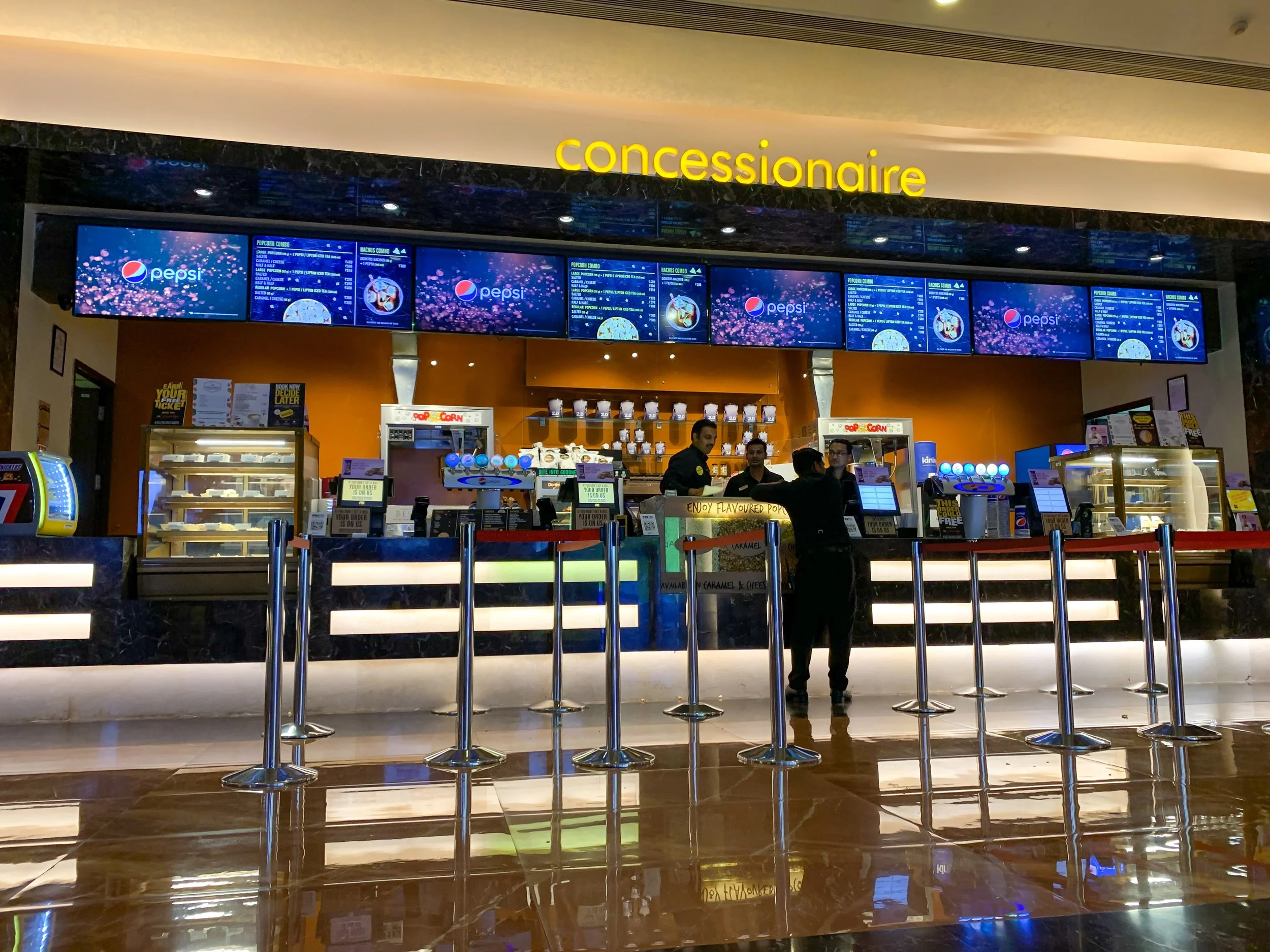
There is a moment every parent knows. You're standing at the movie theater concession stand, kids bouncing with excitement beside you, and you're staring at a menu that looks less like snack pricing and more like a line item from a corporate expense report. Large popcorn: $12. Two sodas: $14. A box of candy the size of your fist: $7. You do the mental math, wince quietly so the kids don't see, and reach for your card anyway.
Because that's what you do. You're at the movies. You're making memories. And apparently memories cost $33 in popcorn alone.
I've been a professional moviegoer for years. I say that literally — I review films, I analyze them through a philosophical lens, and I go to theaters the way some people go to church. Regularly, intentionally, and with a certain reverence for the experience. And over the years I've watched the cost of that experience quietly become something that prices families out of what should be one of the most accessible forms of entertainment we have.
So let's talk about what a family night at the movies actually costs in 2026. And then let's talk about what you can do about it — without sacrificing a single frame of the experience.
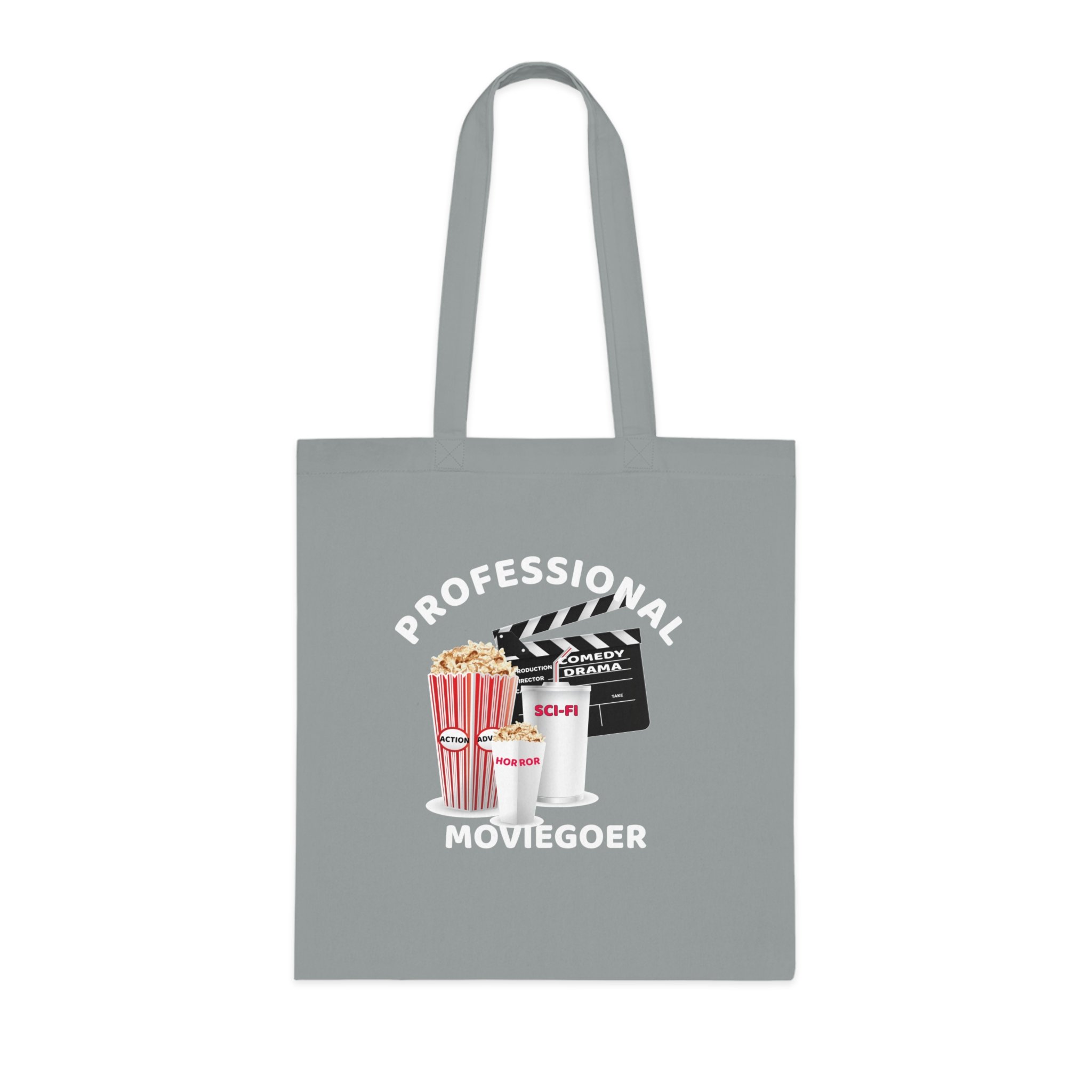
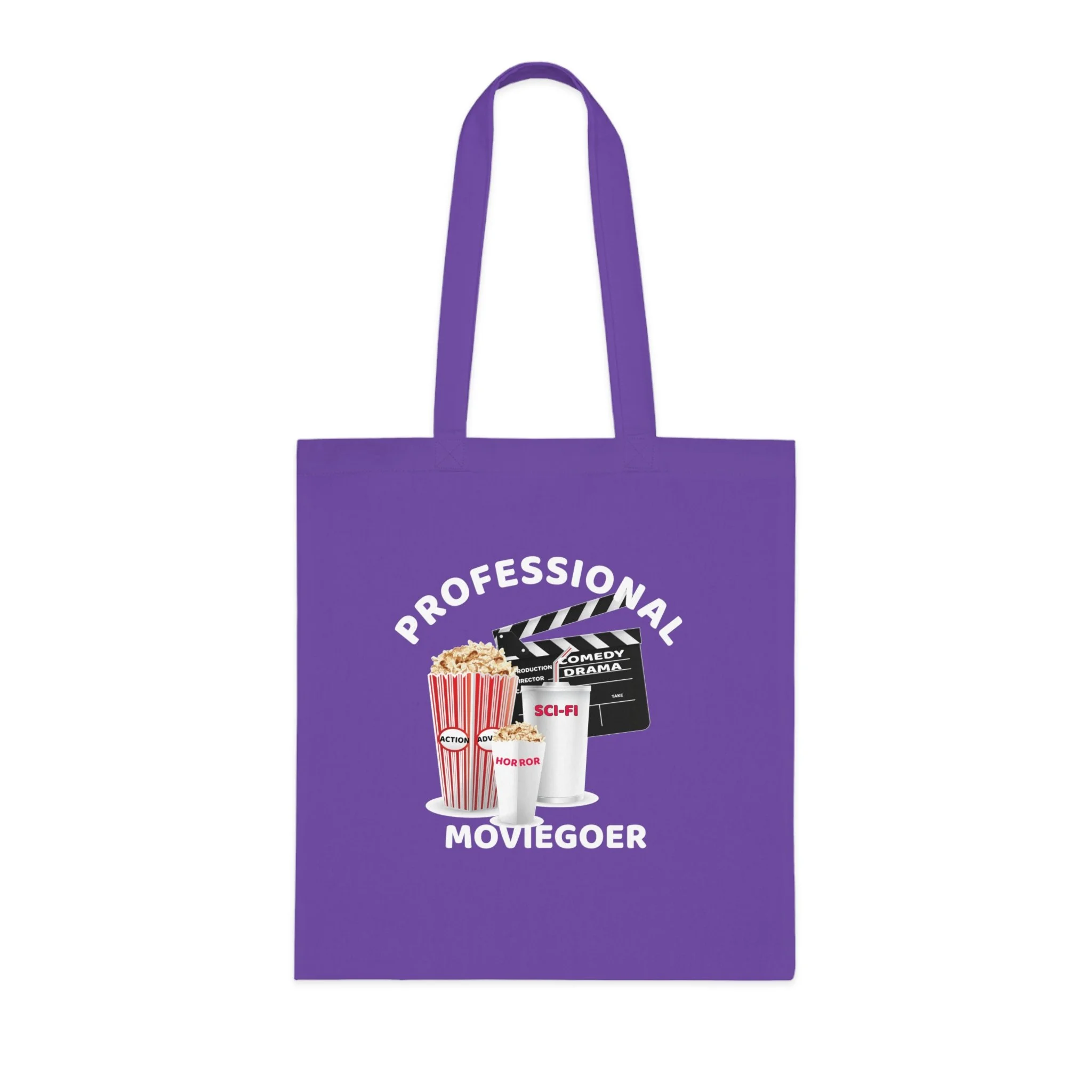
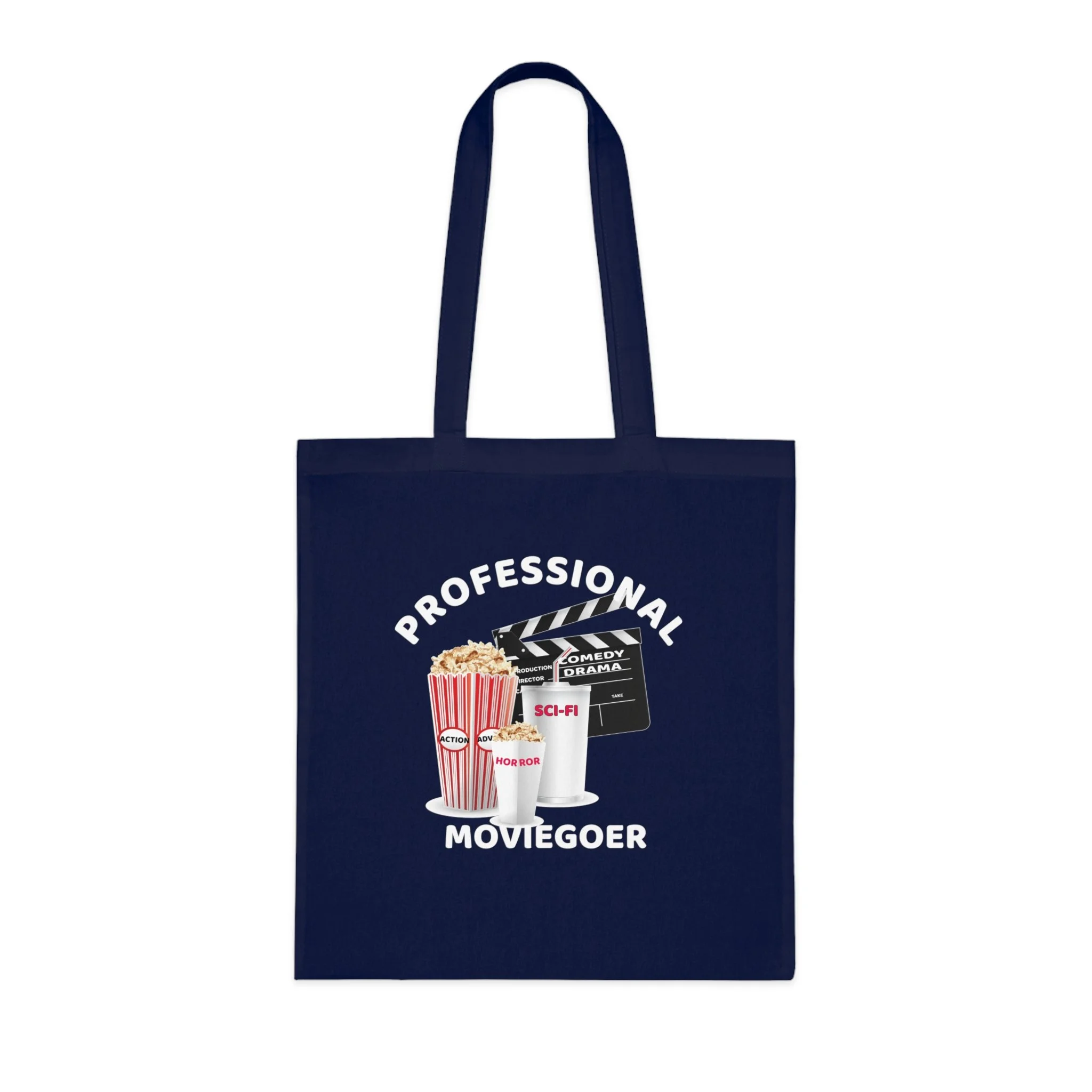
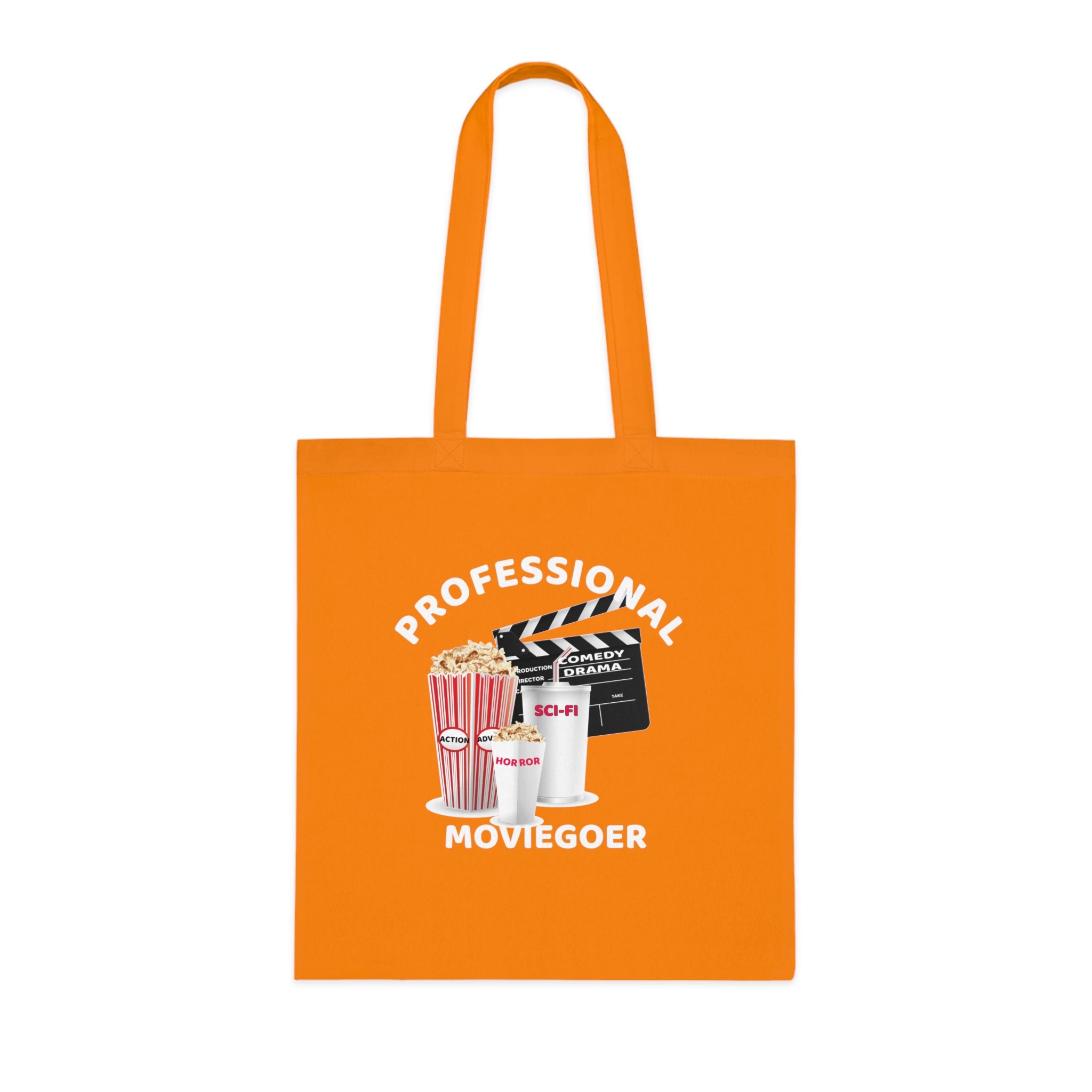
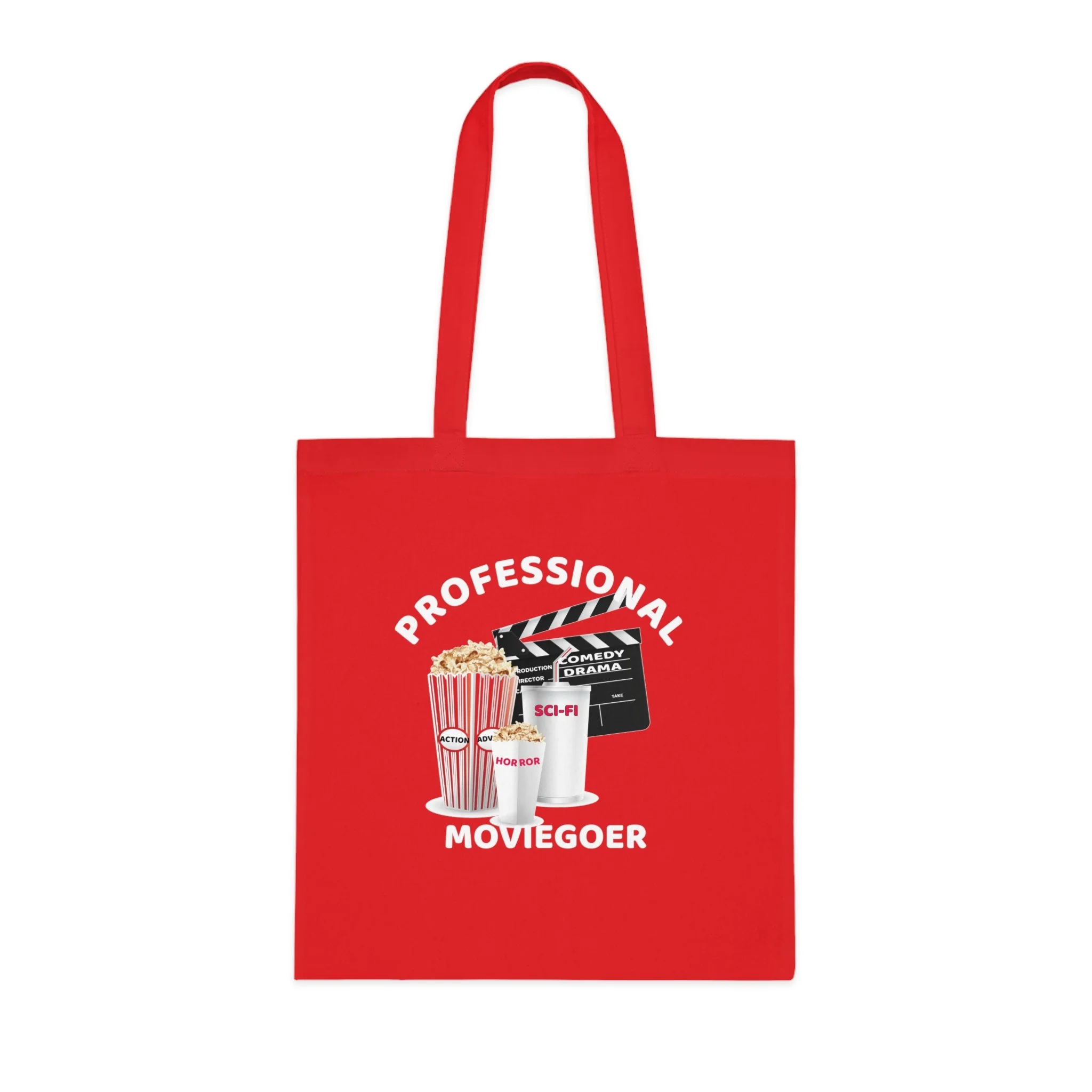
THE MATH THAT MATTERS:
🎬 Theater concessions: $20-25 per visit
🛒 Grocery store snacks: $4-6 per visit
💰 This bag: $24.99 (one-time purchase)
ROI: ONE MOVIE. That's it. After that, it's pure savings.
SPECIFICATIONS:
- 100% cotton canvas construction
- 15" x 16" (generous capacity)
- 22" shoulder-carry handles
- Reinforced stitching at stress points
- Professional screen printing
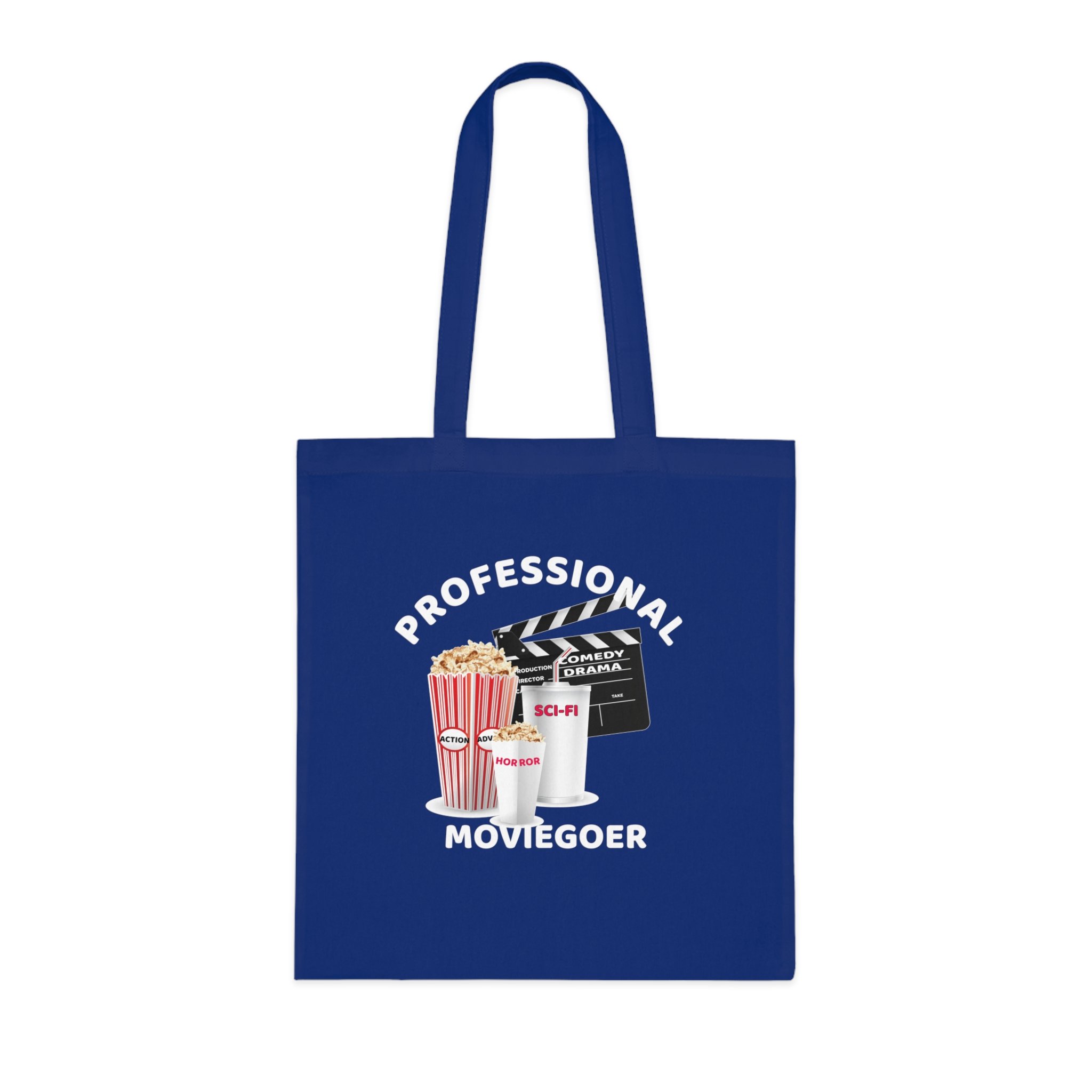
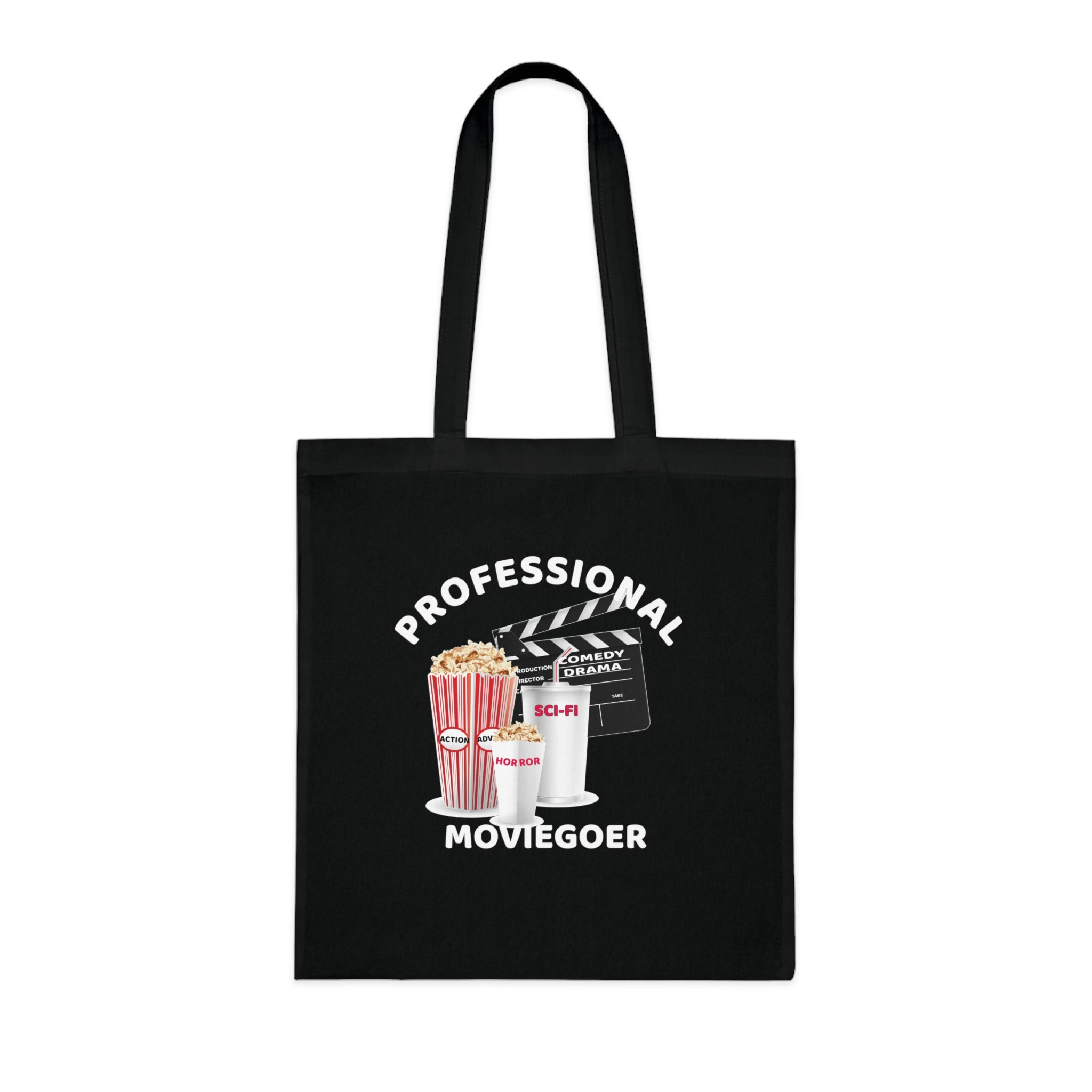
- Available in Red (theater classic), Natural, and Black
HOLDS:
✓ Large container of popcorn
✓ Two 16-20oz drinks
✓ Multiple candy boxes
✓ Phone, wallet, keys
✓ Your dignity (because $10 for a small popcorn is absurd)
This is the exact bag I carry to theaters for my film reviews.
After hundreds of screenings, I can confirm: it works, it lasts,
and it's paid for itself many times over.
.: Vibrant color options
EU representative: HONSON VENTURES LIMITED, gpsr@honsonventures.com, 3, Gnaftis House flat 102, Limassol, Mesa Geitonia, 4003, CY
Product information: Generic brand, 2 year warranty in EU and Northern Ireland as per Directive 1999/44/EC
Warnings, Hazard: For adults, Made in India
Care instructions: Hand wash only. Let the bag air dry
The Real Numbers: What a Family Movie Night Actually Costs
Let's build out a real-world scenario. Two adults, two kids, a Tuesday evening, a standard multiplex showing a new release.
Tickets
The average movie ticket in the United States now hovers between $13 and $16 for a standard adult showing. Premium formats — IMAX, Dolby, 3D — push that to $20-25 per person. For our family of four at standard pricing, we were looking at $52-64 before anyone had touched a single kernel of popcorn.
Concessions
This is where the real damage happens. The National Association of Theatre Owners doesn't publish official averages, but anyone who has visited a multiplex recently doesn't need statistics to confirm what their receipts already show.
Here's a conservative breakdown for a family of four:
Large popcorn (to share, hopefully): $12-15
Two adult sodas: $12-14
Two kids' drinks or juice boxes: $8-10
One box of candy (because someone will ask): $6-8
Upgrade to a combo meal "deal": $5-8 additional
Concession total for four people: $43-55
Parking
In suburban areas, often free. In urban theaters, add $10-20.
Before-or-After Dinner
If this is a proper family outing — and for most families it is — dinner is part of the equation. Even a casual sit-down meal for four runs $60-80 easily in today's restaurant economy. Fast-food "savings" still add up to $35-45 for a family.
The Full Night: What Are We Actually Spending?
| Expense | Conservative | Realistic |
|---|---|---|
| Tickets (4 people) | $52 | $68 |
| Concessions | $43 | $55 |
| Parking | $0 | $15 |
| Dinner/food before or after | $40 | $75 |
| Total | $135 | $213 |
Read that again. A family night at the movies in 2026 costs between $135 and $213.
For a family doing this twice a month — which isn't unusual for movie lovers — that's $270 to $426 per month. Over a year, that's north of $3,200 to $5,000. For movies.
Now, I am not here to tell you not to go to the movies. I go constantly. I believe in the theatrical experience. There is something irreplaceable about seeing a film in a darkened room with an audience, with sound that you feel in your chest, on a screen that fills your vision. Streaming has its place, but it is not the same thing. Not even close.
What I am here to tell you is that there is a smarter way to approach it.
The Concession Stand Is the Weak Link
Of all the expenses listed above, concessions are the only ones that are entirely optional at their current price point. You can't negotiate ticket prices. You can't get parking for free in a city. But you can absolutely choose not to pay $12 for popcorn that cost the theater about thirty-five cents to produce.
The standard advice — "bring your own snacks" — has been around as long as movie theaters have been overcharging for them. Most theaters have official or unofficial policies about outside food; many explicitly permit it or simply don't enforce restrictions on small personal items brought in a bag. A quick check of your theater's policy is always worthwhile, and the vast majority of moviegoers who bring their own snacks do so without incident.
The math is not subtle. The same experience — popcorn, drinks, candy, two hours of cinema — costs $4-7 when you bring it yourself versus $43-55 when you buy it inside. That delta is not a small thing. Over the course of a year of regular moviegoing, we are talking about hundreds of dollars.
But here's where most people stop the conversation. Bring a bag. Save money. Done.
I want to go further than that.
The Bag You Bring Says Something About You
Any bag can hold snacks. A reusable grocery tote from your last Trader Joe's run technically works. A backpack works. A plastic bag technically works, though I would gently discourage you from being that person in a quiet theater.
The bag you carry to the movies, though, is part of the experience. It's part of who you are as a moviegoer.
This might sound like I'm overthinking it. I'm a film analyst who spends a lot of time thinking about philosophy and cinema. Overthinking is somewhat my brand.
But consider: you dress for the theater. Even casually, you make choices. You carry yourself a certain way in that space. The movie theater, at its best, is a place of intentionality. You chose this film. You chose this night. You chose to be here in this seat, in this dark room, for this specific story.
The bag that sits at your feet should reflect that same intentionality.
What the Professional Moviegoer Tote Actually Is
I designed the Professional Moviegoer collection because I needed something that reflected how seriously I take this. Not in a pompous, gatekeeping way. I believe film is for everyone, full stop. But in the way that a carpenter takes their tools seriously. In the way that a chef takes their knife seriously. When you love something, you show up for it properly.
The Professional Moviegoer Tote is a heavy canvas cotton tote that I carry to every screening. It holds a full-size popcorn container, two drinks, multiple snack items, my phone, wallet, and whatever else the night requires. The straps are long enough for comfortable shoulder carry, which matters when you're also handling tickets, holding a kid's hand, or digging for your loyalty card.
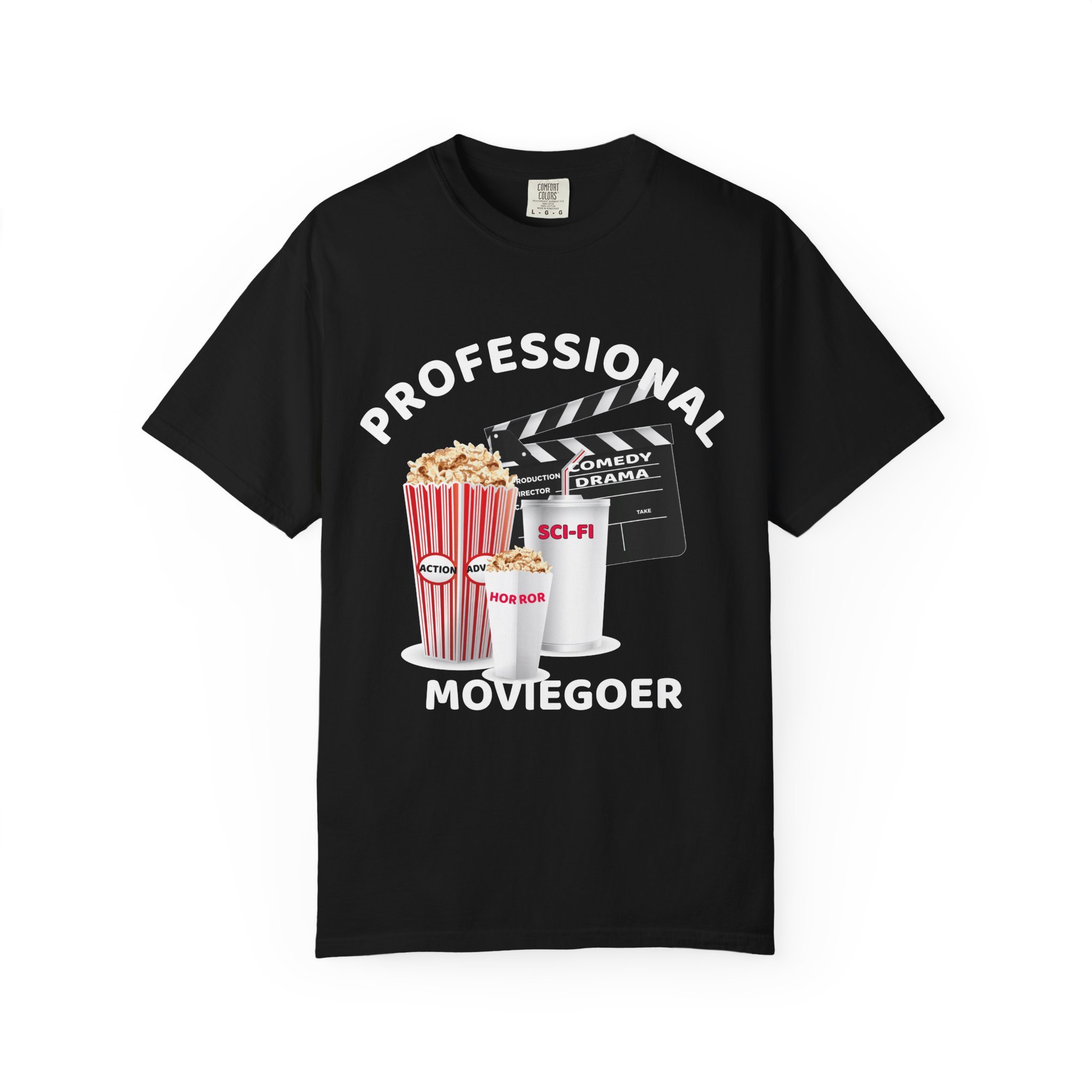
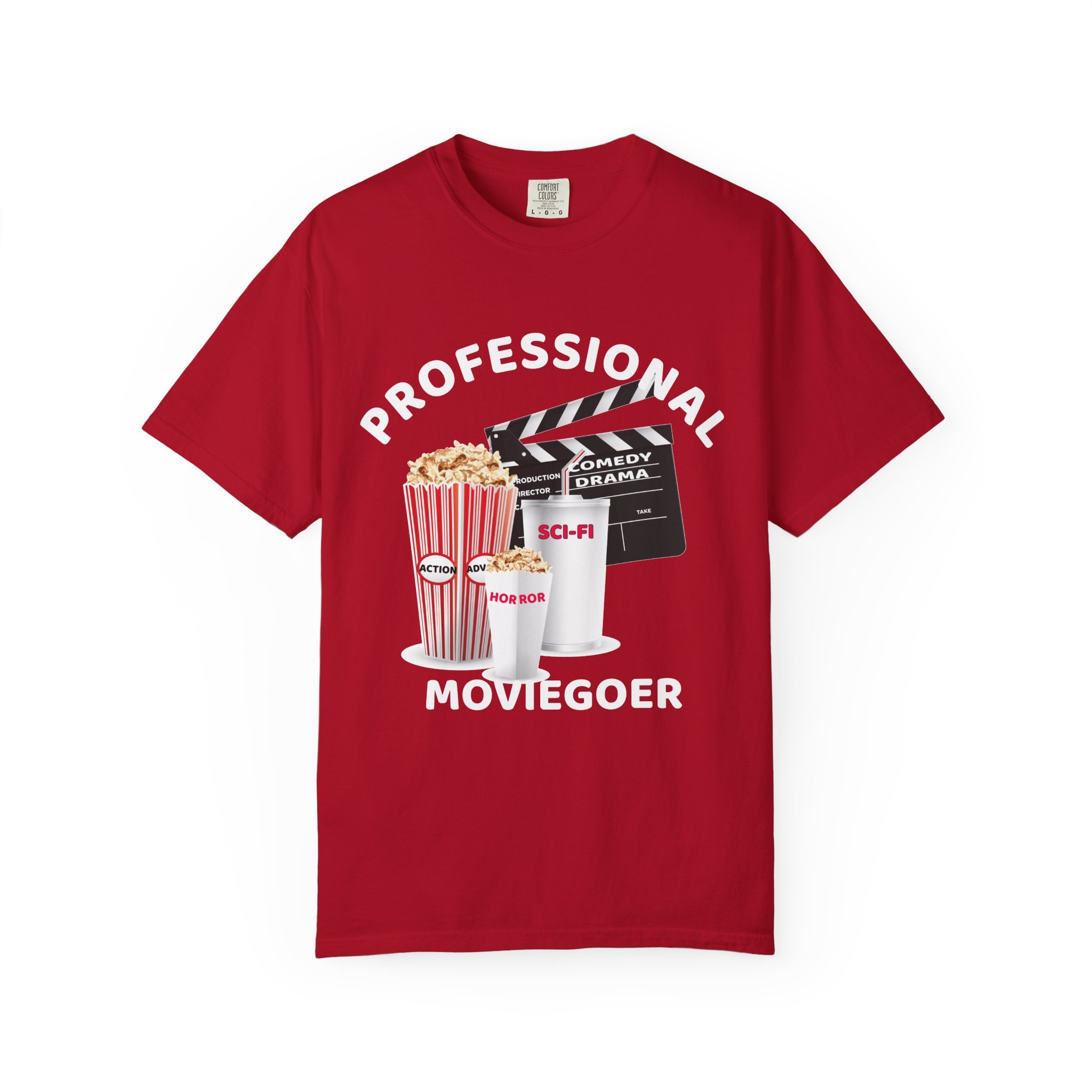
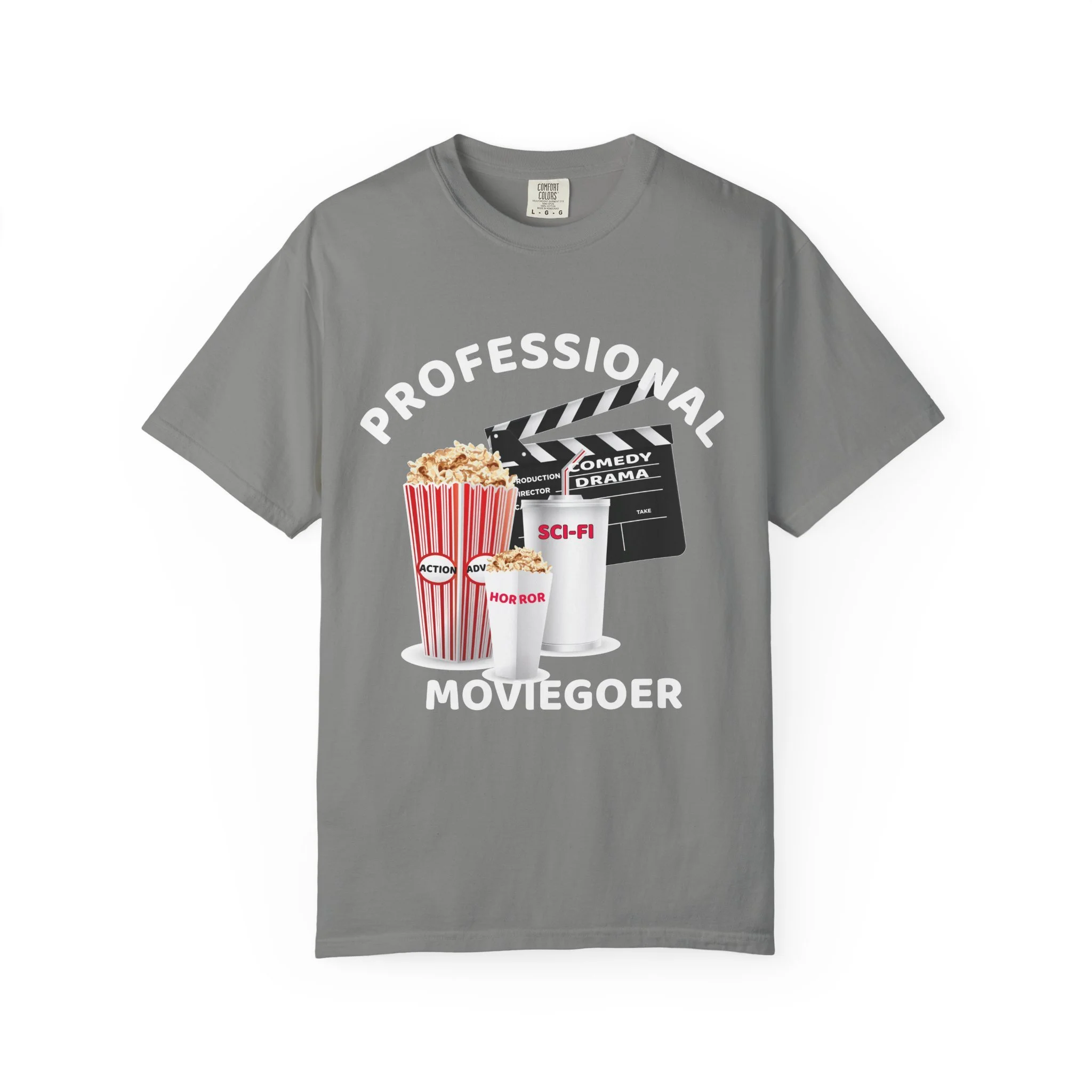
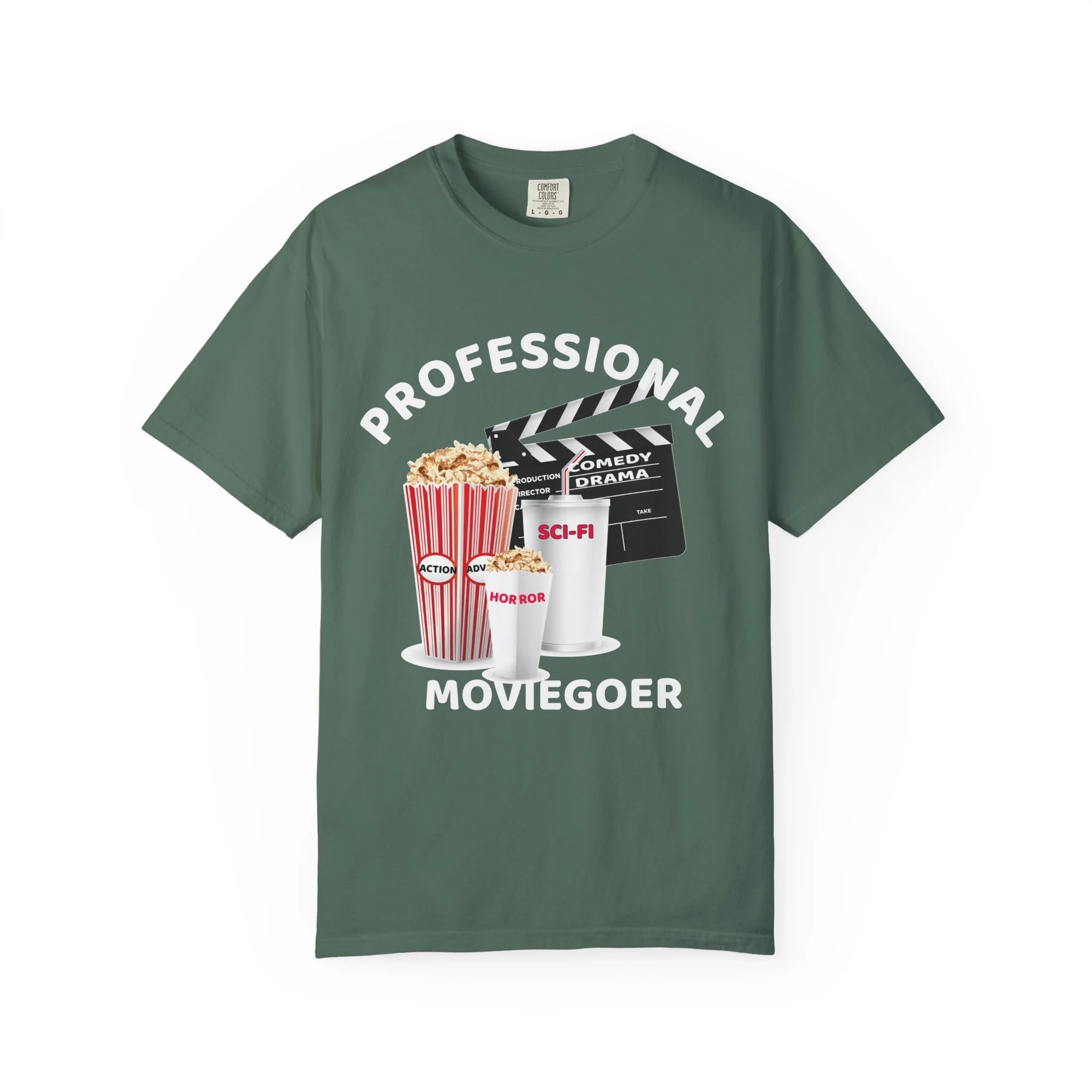
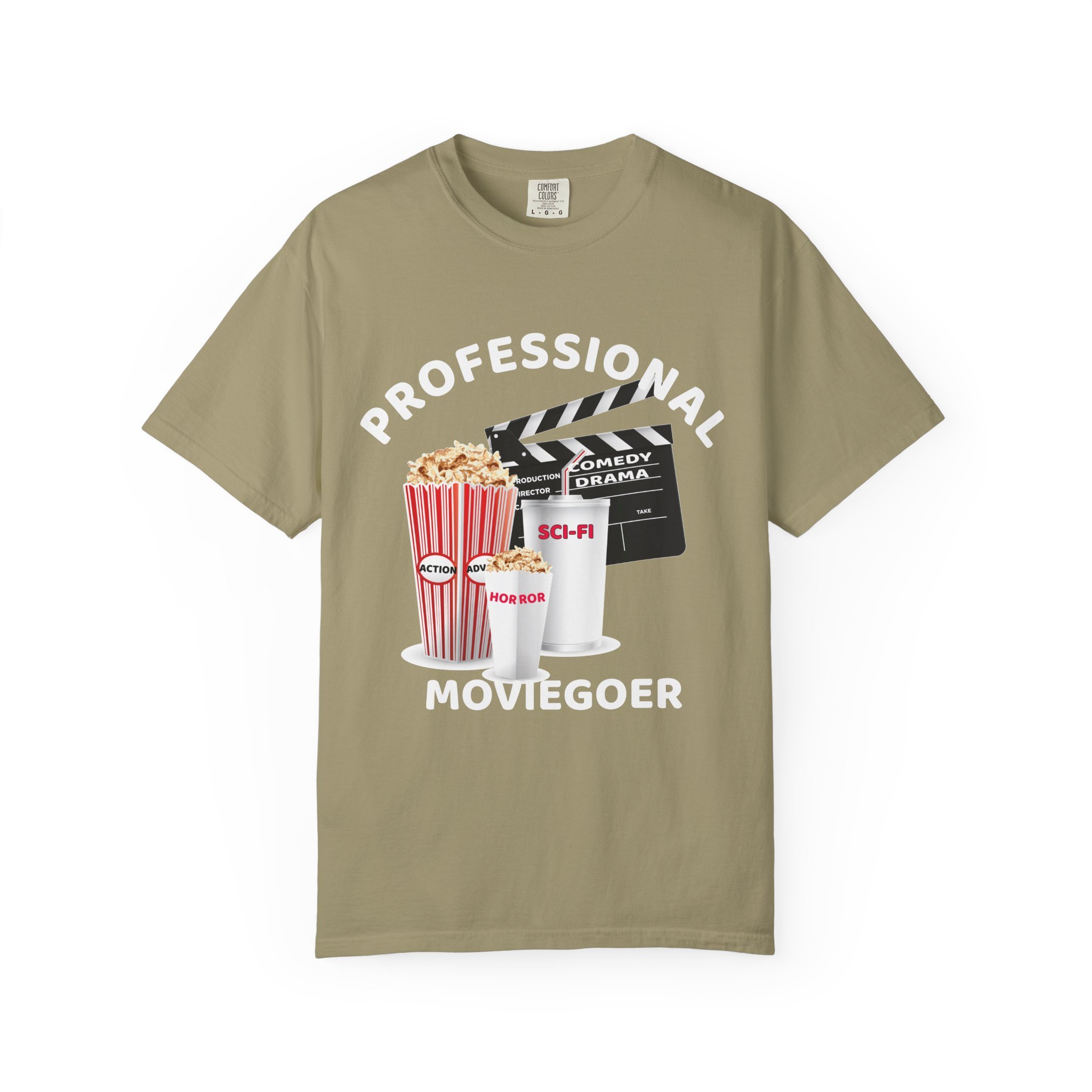
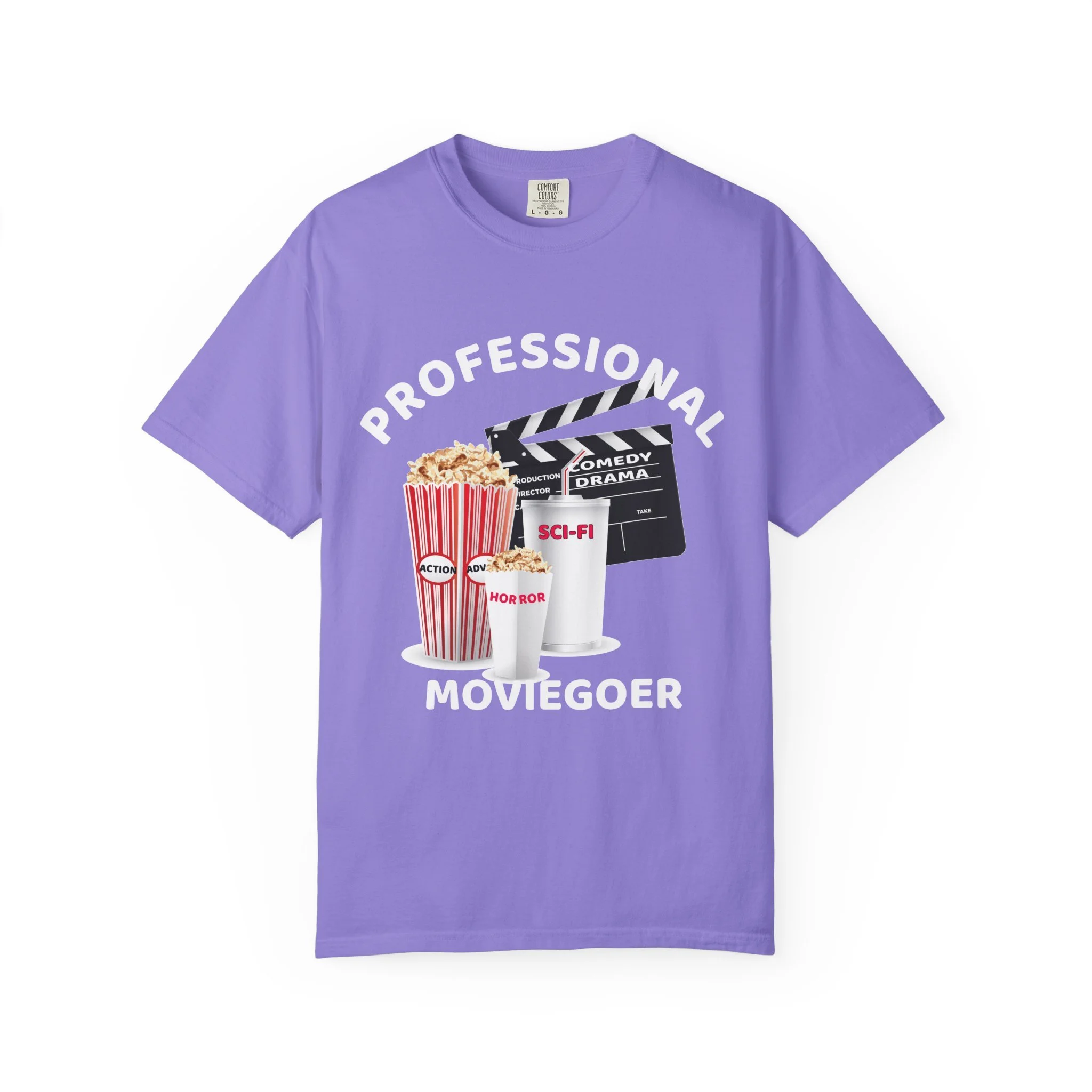
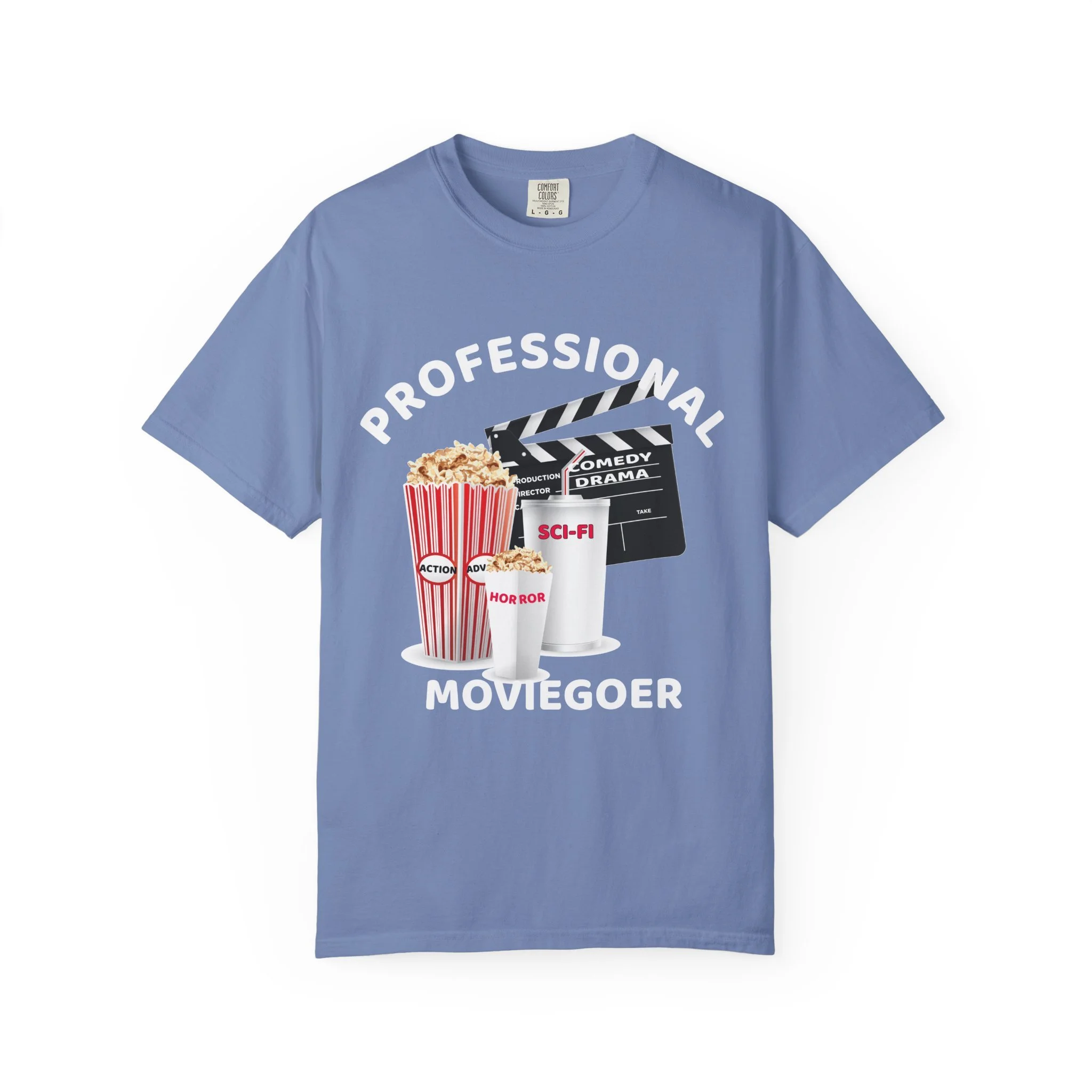
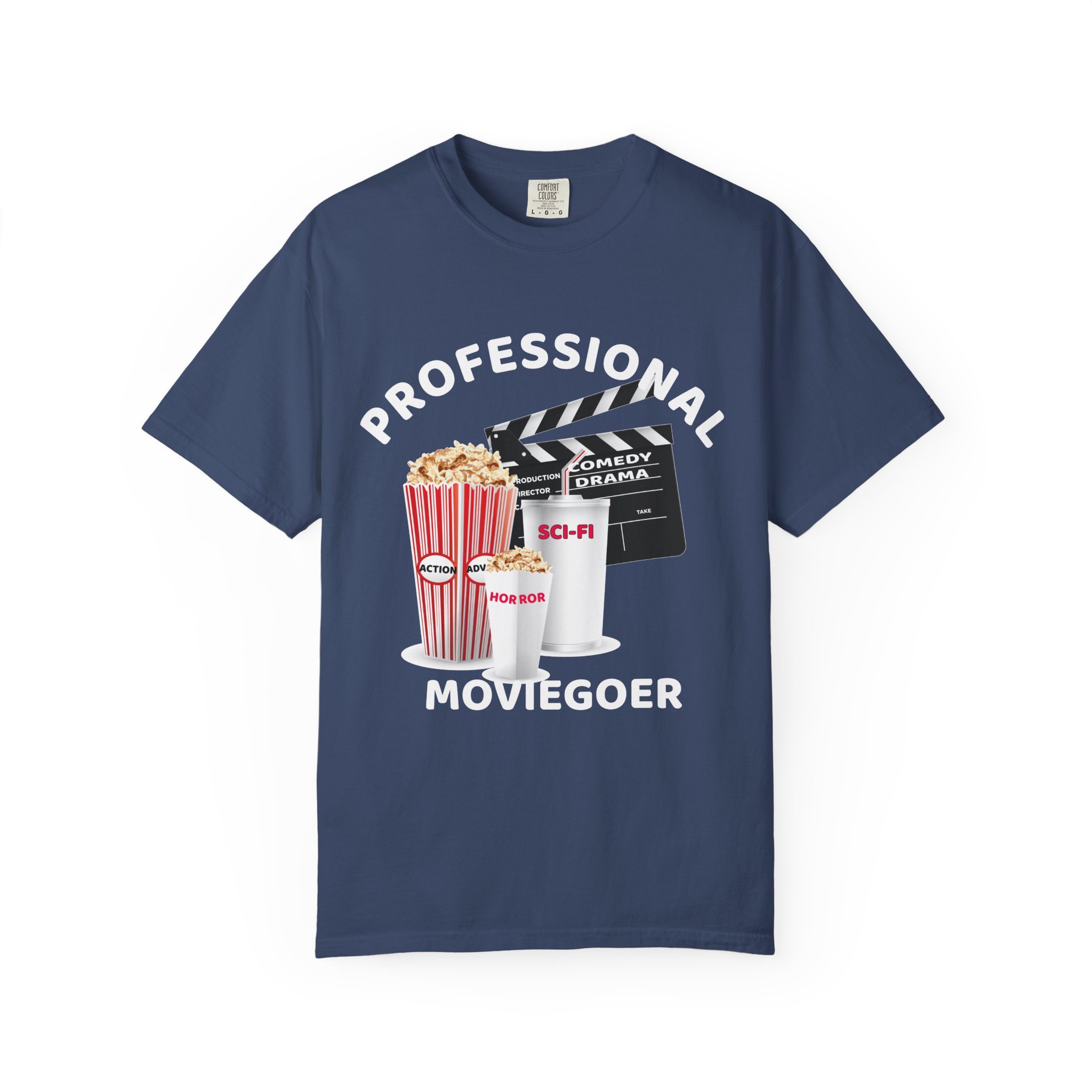
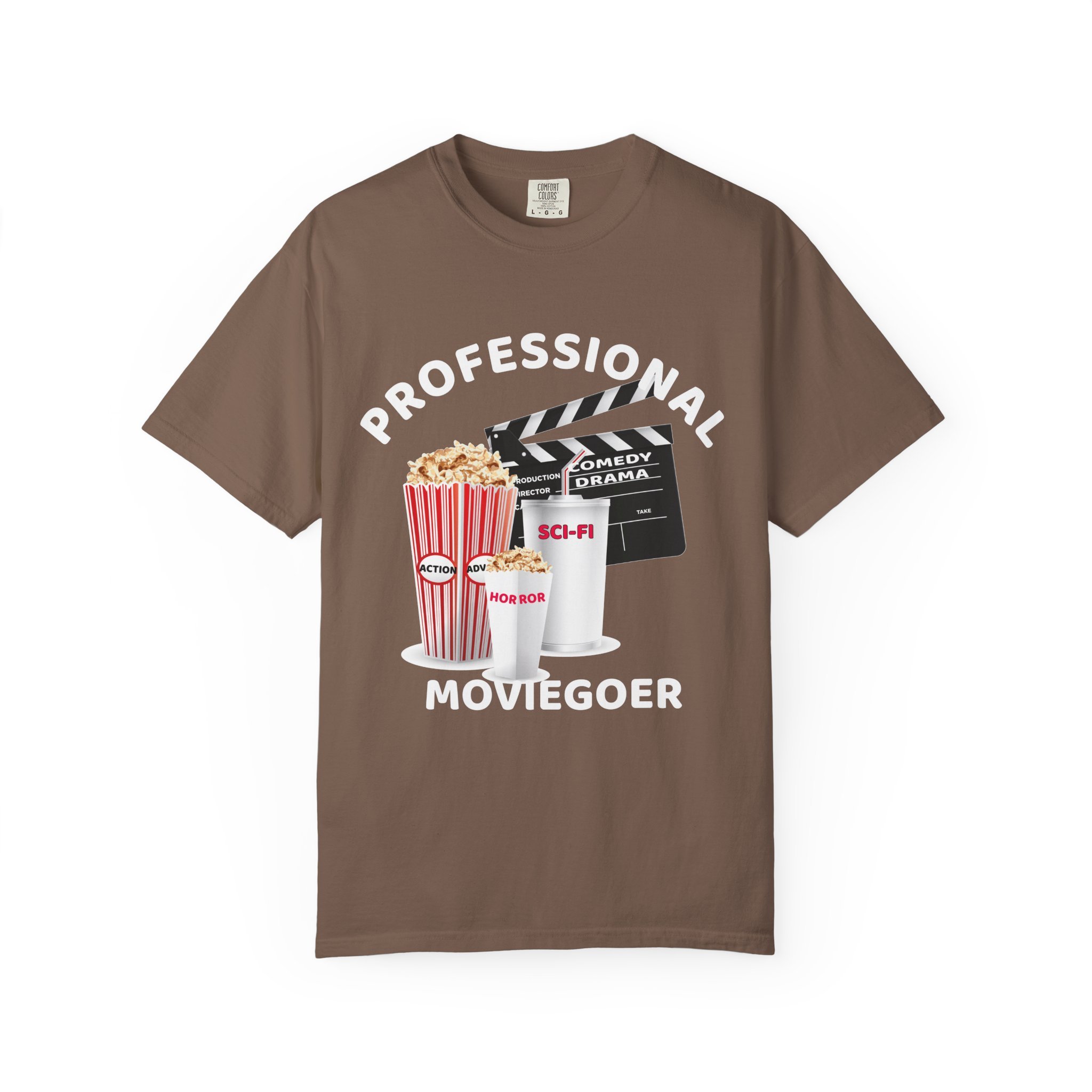
It's the same design as the shirt I wear in my film reviews — the popcorn, the soda, the clapperboard covered in genres. It's an identity. It says: I take this seriously. I've done my homework on this film. I know what I'm here for. And yes, I brought my own snacks, because I've seen too many great movies to spend the entire second act thinking about how much that small popcorn cost me.
The Economics, Revisited
Here's what changes when you carry the tote instead of buying at the concession stand:
| Theater Concessions | Bring Your Own | |
|---|---|---|
| Popcorn | $12-15 | $2-3 (bagged, pre-popped) |
| 2 Adult drinks | $12-14 | $2-3 (bottled water/canned drinks) |
| 2 Kids drinks | $8-10 | $1-2 (juice boxes) |
| Candy | $6-8 | $2-3 (grocery store) |
| Total per visit | $38-47 | $7-11 |
| Savings per visit | $30- |
The tote itself costs $24.99.
That means on your very first visit using it, you've already saved more than the bag cost. Every single trip after that is pure savings.
Over a year of monthly family movie nights: $360-432 in savings. Over a year of twice-monthly visits: $720-864 in savings.
This is not a rounding error. This is a car payment. This is a weekend trip. This is twelve additional movie nights you can now afford because you're not subsidizing the concession stand's profit margin.
For the Film Lover Who Wants More Than Just Savings
The savings are real and they're significant. But I want to be honest about why I carry this particular bag rather than just any bag.
When you walk into a theater with a Professional Moviegoer tote, something small but meaningful happens. Other film lovers notice. The person in line ahead of you who also has a Letterboxd account and an opinion about the third act of the film you're about to see — they see that bag and they know. They know you're not a passive viewer. You're not here because there was nothing on streaming. You're here because you believe in this. You're a professional.
I've had conversations with strangers in theater lobbies that started because of this bag. Conversations about cinema. About which films we'd seen, what we thought, what was worth the ticket price. Those conversations don't happen when you're anonymous. They happen when you signal, clearly and unapologetically, who you are and what you love.
The bag holds your snacks. But it also holds your identity as someone who takes film seriously.
That's worth something that doesn't show up in a spreadsheet.
How to Use the Tote: A Practical Guide
For those new to bringing their own snacks to the theater, a few practical notes from years of experience:
What to bring: Pre-popped popcorn transfers easily into a container or bag. Grocery store brands are excellent. Canned sparkling water or small bottles are quieter than cans during quiet scenes. Candy from a grocery or pharmacy costs a fraction of theater pricing and has the same selection. Avoid anything with a strong smell out of courtesy to nearby viewers.
How to pack: Place drinks upright along the sides of the tote so they won't tip. Popcorn in a resealable container in the center. Candy and smaller items on top. The tote's capacity handles a full family snack setup without difficulty.
At the theater: Carry naturally. The tote looks intentional, not surreptitious. You're not sneaking. You're a Professional Moviegoer who came prepared.
The Bottom Line
Family entertainment in 2026 is expensive. Movie tickets are expensive. Parking is expensive. Dinner is expensive. These are the costs of choosing to engage with culture, to show your kids what a great story looks like on a full-size screen, to share the experience of watching something together in the dark and talking about it all the way home.
The concession stand doesn't have to be expensive. That part is optional.
You can bring any bag. A reusable grocery tote works fine. A backpack works fine. Either way, you'll save the same $30–36 per visit.
But if you're someone who loves film—really loves it, the way I do, the way I suspect you do if you've read this review far—then the bag you carry should mean something. It should be part of the identity you bring to that theater. It should say, without words, that you're not just here to pass two hours. You're here as a Professional Moviegoer.
The tote is available in various colors, including red, blue, black, and more. It ships in time for your next screening.
And yes, I'll be at the movies this week. You'll recognize me by the bag.
The Professional Moviegoer Tote Bag is available in the ACRM store. Bundle it with the shirt for the complete theater kit. Orders exceeding $50 qualify for free shipping.
| S | M | L | XL | 2XL | 3XL | 4XL | |
|---|---|---|---|---|---|---|---|
| Width, in | 18.25 | 20.25 | 22.00 | 24.00 | 26.00 | 27.75 | 29.75 |
| Length, in | 26.62 | 28.00 | 29.37 | 30.75 | 31.62 | 32.50 | 33.50 |
| Sleeve length from center back, in | 16.25 | 17.75 | 19.00 | 20.50 | 21.75 | 23.25 | 24.63 |
| Size tolerance, in | 1.50 | 1.50 | 1.50 | 1.50 | 1.50 | 1.50 | 1.50 |
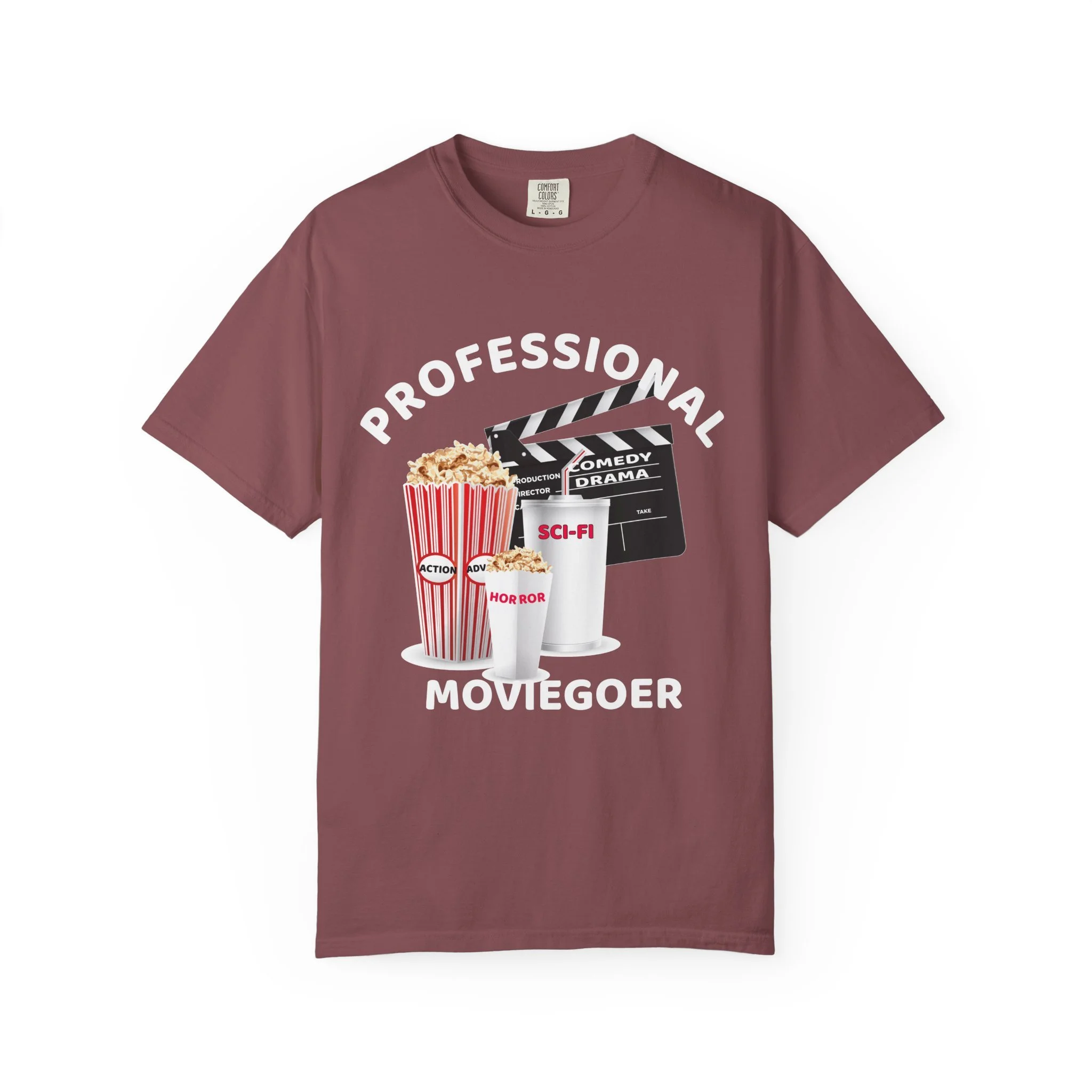
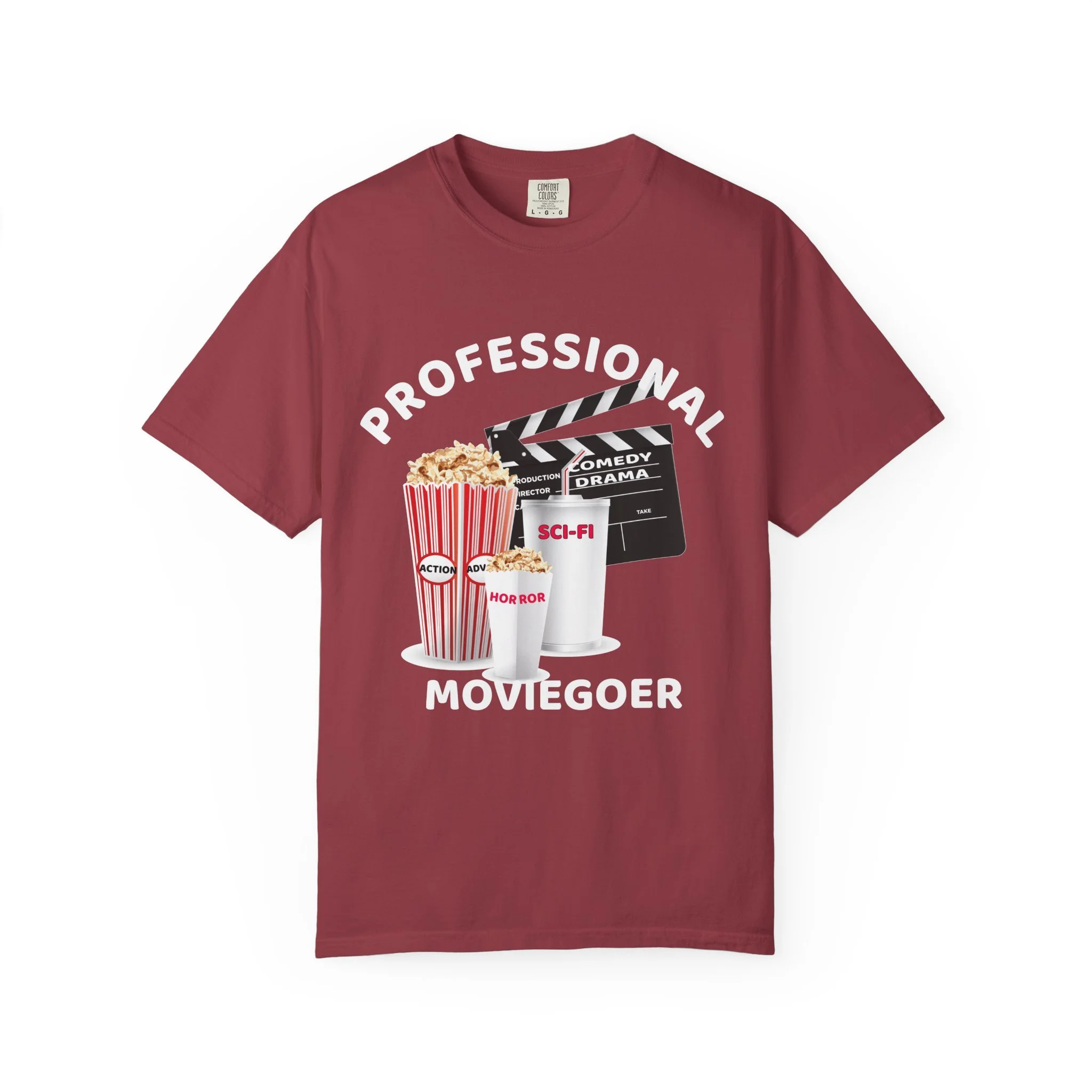
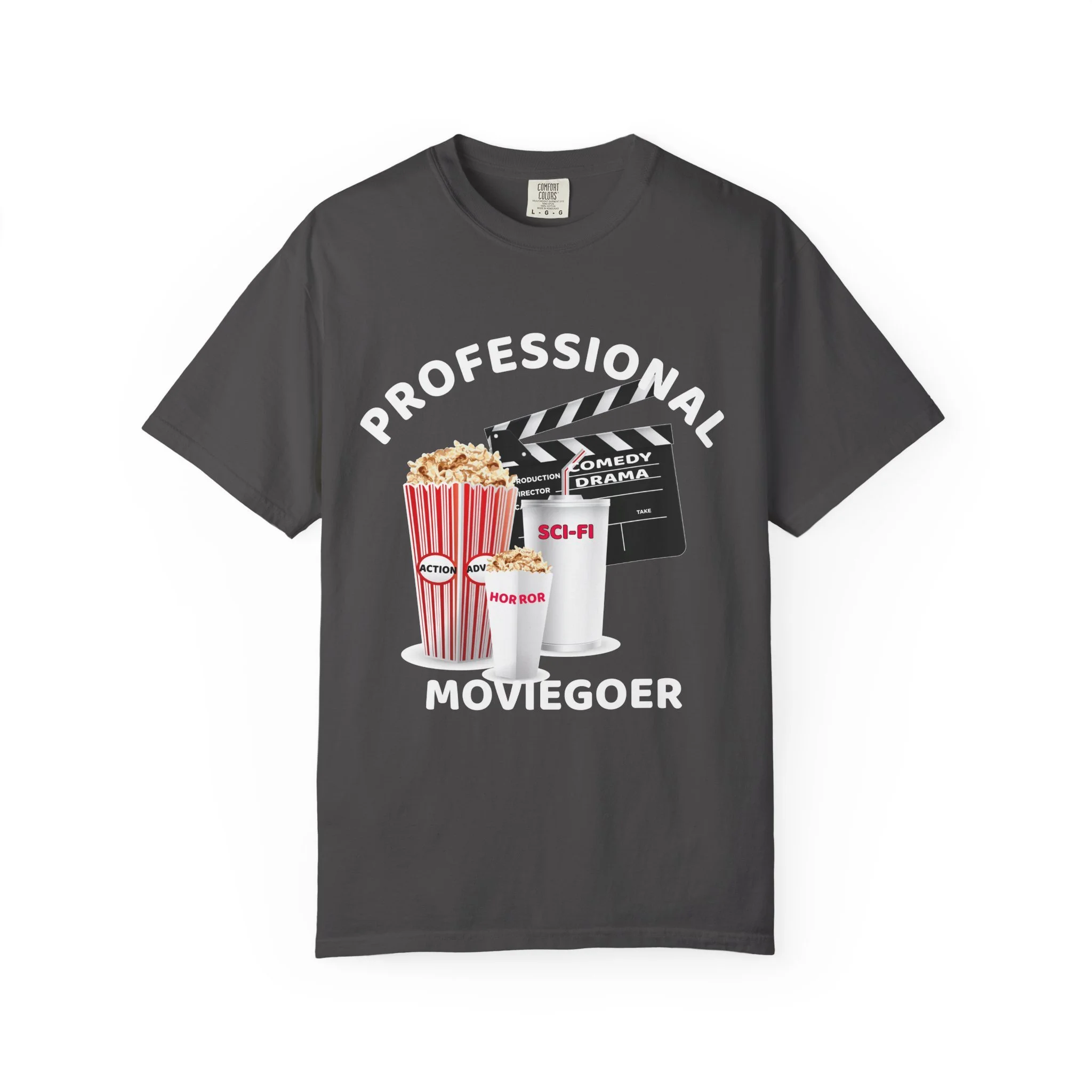
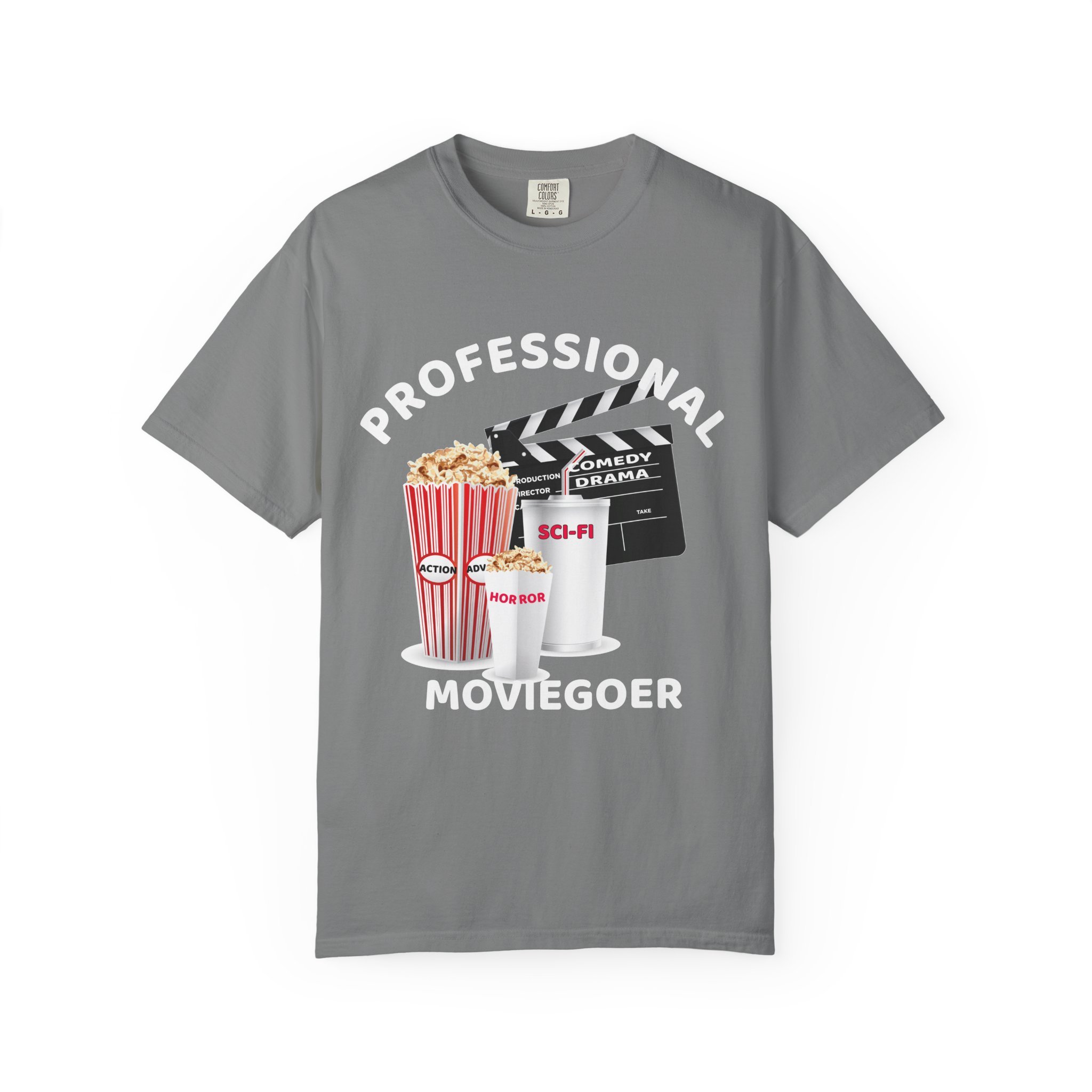
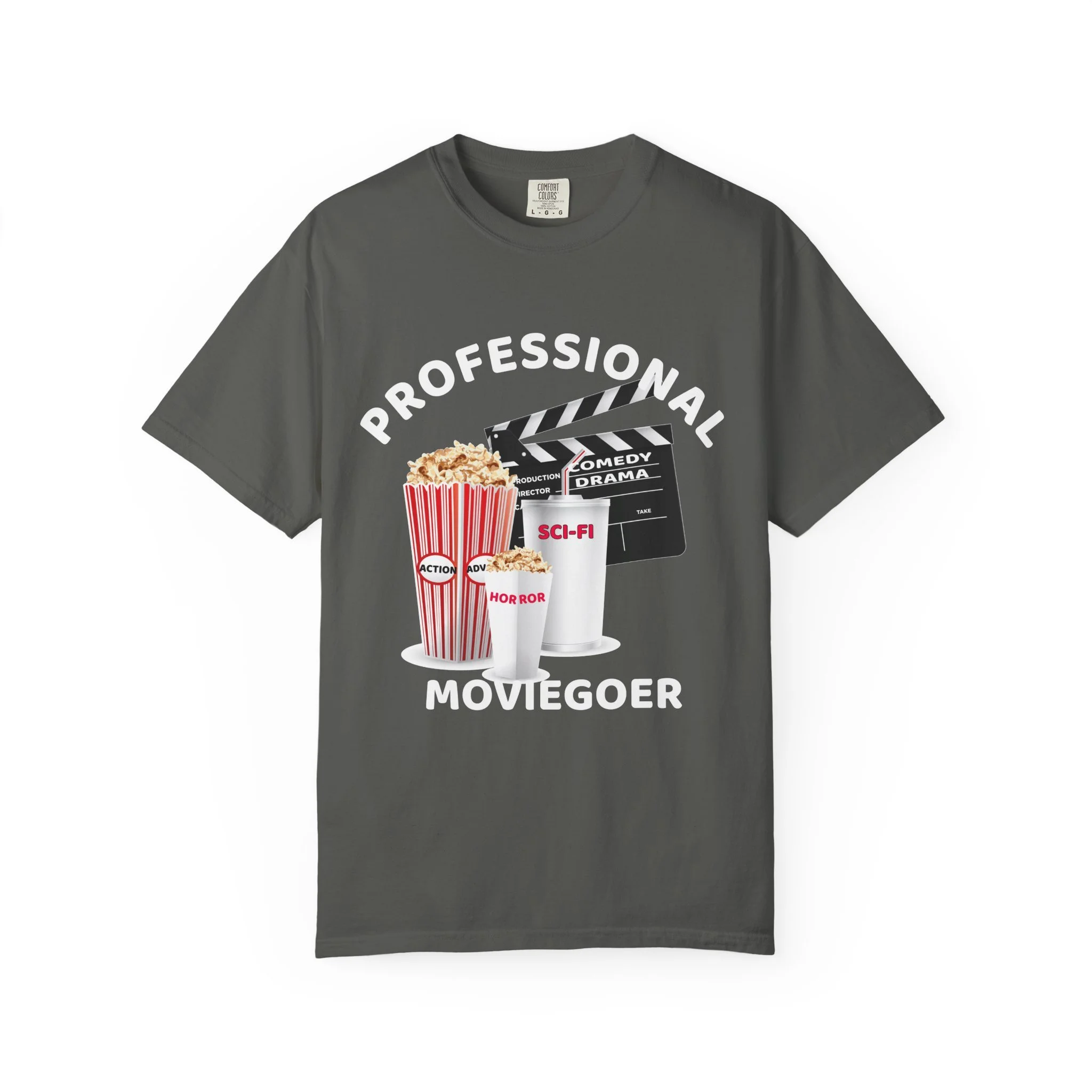
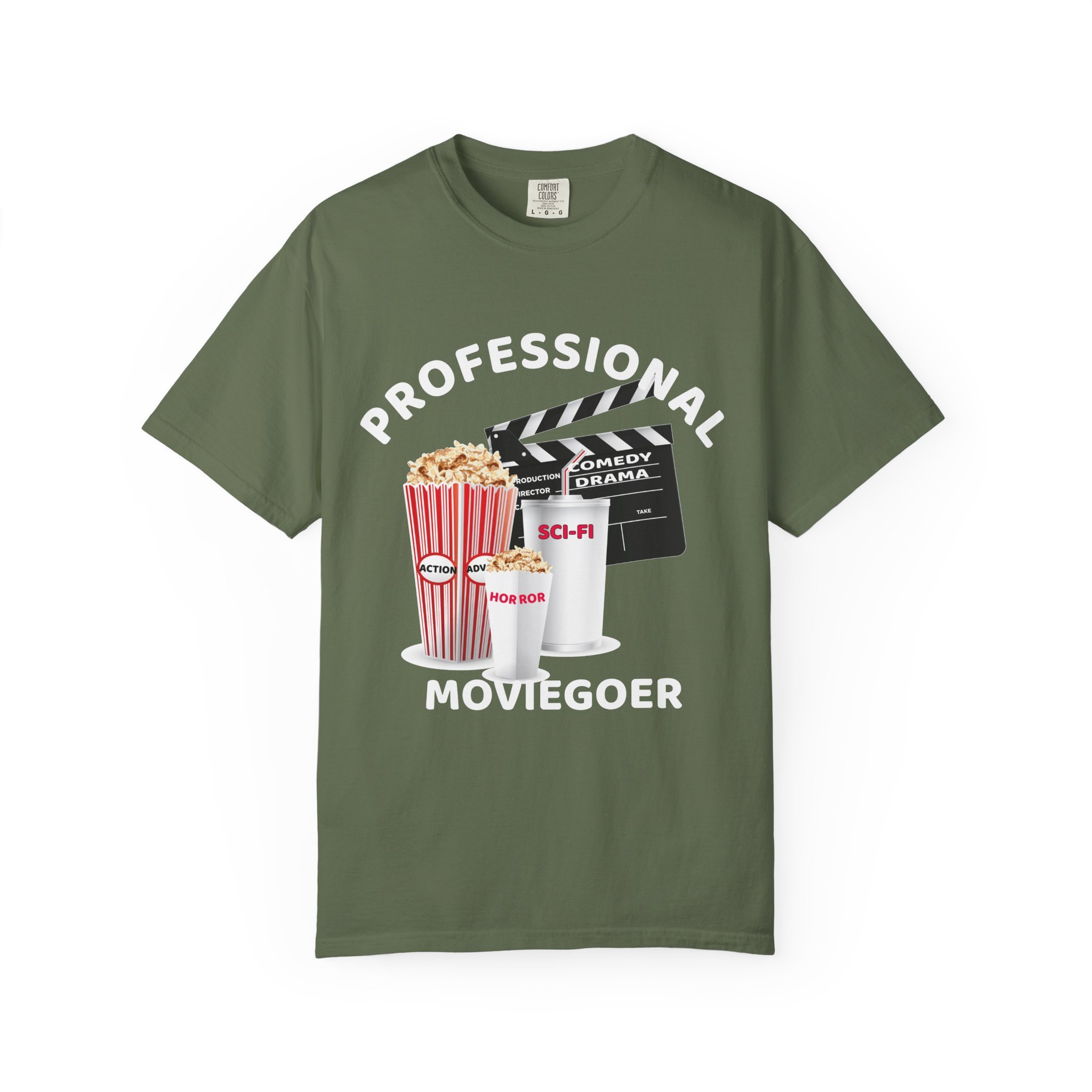
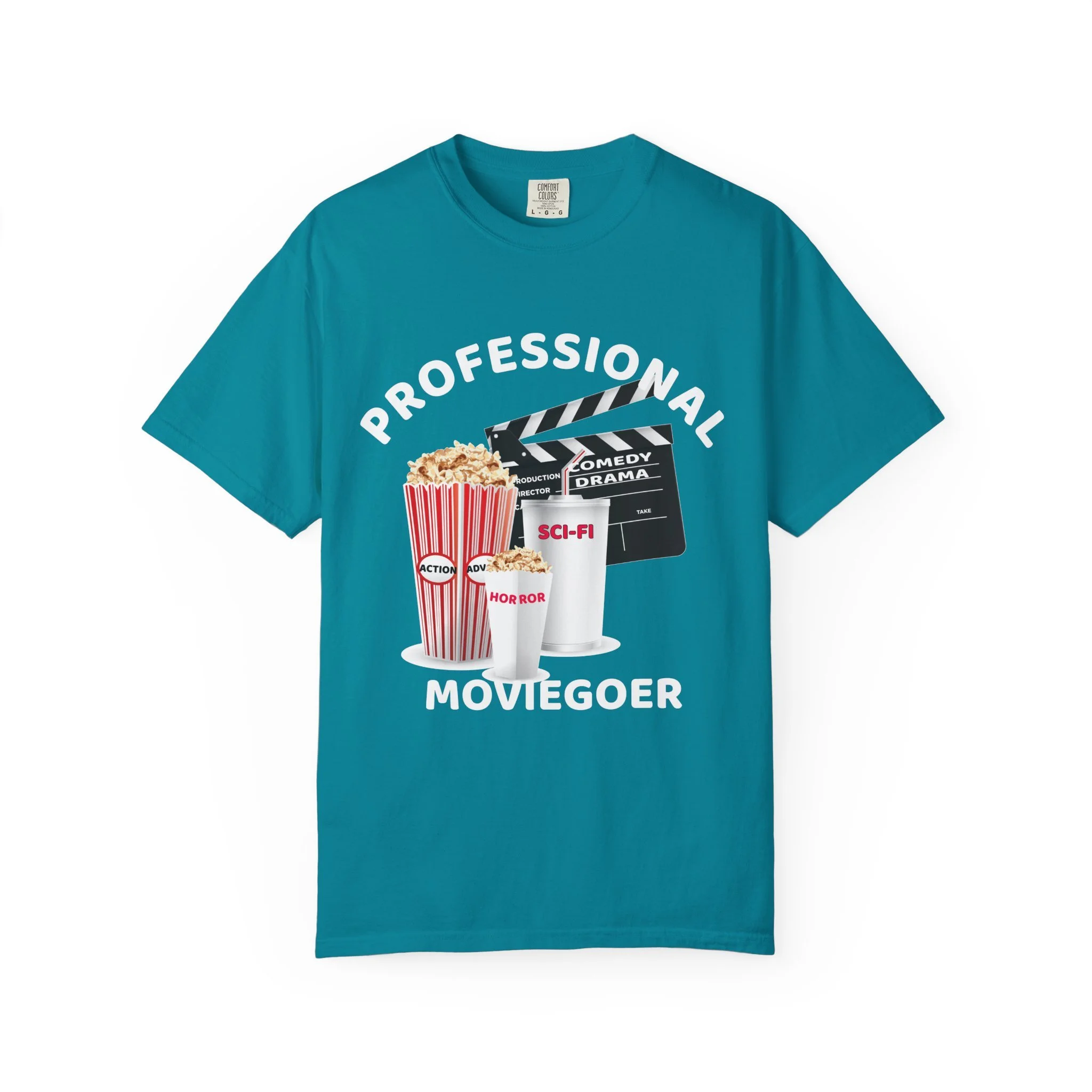
Declare your credentials with this bold statement tee for serious film lovers. Featuring classic movie theater essentials - popcorn, soda, and a clapperboard showcasing every genre from Action to Horror - this shirt celebrates the art of professional movie watching. Perfect for film critics, YouTube reviewers, cinema enthusiasts, and anyone who takes their movie marathons seriously.
Design Features:
-Eye-catching red design with vintage cinema graphics
-Movie clapperboard featuring all major genres: Action, -Adventure, Comedy, Drama, Sci-Fi, Horror
-Classic theater popcorn and soda imagery
-Bold "PROFESSIONAL MOVIEGOER" declaration
-Perfect for film festivals, movie nights, and content creators
-From A Constantly Racing Mind (ACRM) - Where Pop Culture Meets Philosophy
Product features
- 100% ring-spun US cotton — soft, durable, and pre-shrunk
- Garment-dyed finish for a lived-in color and texture
- Heavyweight 6.1 oz fabric with relaxed fit for comfort
- Tubular knit construction (no side seams) and double-needle stitched seams for long-lasting wear
- Available S–4XL with sewn-in label; offered in 58 color options
Care instructions
- Machine wash: cold (max 30C or 90F)
- Do not bleach
- Tumble dry: low heat
- Iron, steam or dry: low heat
- Do not dryclean
EU representative: HONSON VENTURES LIMITED, gpsr@honsonventures.com, 3, Gnaftis House flat 102, Limassol, Mesa Geitonia, 4003, CY
Product information: Comfort Colors® 1717, 2 year warranty in EU and Northern Ireland as per Directive 1999/44/EC
Warnings, Hazard: Made in Honduras
Care instructions: Machine wash: cold (max 30C or 90F), Do not bleach, Tumble dry: low heat, Iron, steam or dry: low heat, Do not dryclean
