The Ultimate Genre Pivot: 30 Years of the Gecko Brothers
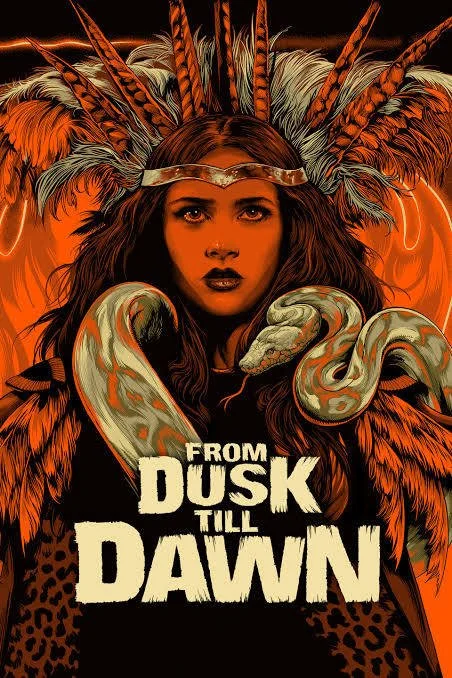
From Dusk till Dawn 1996
Celebrating the 30th Anniversary of From Dusk Till Dawn (January 19, 1996) is the perfect way to wrap up your survival-themed week.
You’re right on the money about George Clooney—this was his "big swing" to prove he could be a movie star. At the time, he was the charming doctor on ER, and taking a role as a tattooed, ruthless bank robber in a blood-soaked vampire flick was a genius move to break his "pretty boy" image.
The Ultimate Genre Pivot: 30 Years of the Gecko Brothers
What makes From Dusk Till Dawn a masterpiece for the ACRM blog is its bold, bifurcated structure. It doesn't just have a plot twist; it has a tonal transplant at the 60-minute mark.
The "Smart Mover" Strategy: Clooney’s Seth Gecko
Seth Gecko is the ultimate "Anti-Hero." He is a career criminal who lives by a strict, if warped, professional code: "I may be a bastard, but I'm not a fucking bastard".
The Performance: Clooney plays Seth with a simmering, dangerous charisma. He’s the one trying to manage the "administrative" side of the crime spree while his brother Richie (Tarantino) is the chaotic element.
The Transition: This role was Clooney's launching pad. It proved he could carry an action-horror film with the same weight he brought to a drama, paving the way for his later "cool-headed leader" roles in Ocean’s Eleven.
The Two-Film Structure
Part 1: The Gritty Crime Thriller. A tense, dialogue-heavy road movie that feels like a spiritual successor to Reservoir Dogs or The Getaway.
Part 2: The Splatterfest Siege. Once they hit the "Titty Twister," the film abandons realism for "Evil Dead" levels of practical gore and supernatural chaos.
The Impact: It remains the gold standard for "Genre-Bending." It respects both halves equally—the crime drama is genuinely tense, and the horror is genuinely visceral.
| Era | Genre & Aesthetic |
|---|---|
| The First Hour | Gritty Crime Noir. Dialogue-heavy, psychological tension, and road-movie realism. |
| The Final Act | Splatter Horror. Siege-style combat, practical creature effects, and supernatural chaos. |
| The Legacy | The ultimate "Trojan Horse" movie. It invites you for a heist and traps you in a nightmare. |
The story of From Dusk Till Dawn is just as wild as the film itself. It didn't start with Tarantino or Rodriguez; it started with a man who just wanted to make some monsters.
The Origin: A Trade for a Bloody Ear
The film exists because of Robert Kurtzman, a special effects legend and co-founder of the KNB EFX Group. In 1990, Kurtzman had a treatment for a vampire movie but needed a solid script to showcase his company’s prosthetic makeup skills.
He hired a then-unknown Quentin Tarantino to write the screenplay for just $1,500. As part of the deal, Kurtzman’s team agreed to do the special effects for Tarantino’s own upcoming project—Reservoir Dogs—for free (including that famous severed ear). This was actually Tarantino’s first-ever paid writing assignment, and he used the money to quit his job at the video store and focus on directing.

The Inspiration: Literary Noir and Exploitation
The Getaway Connection: Tarantino took heavy inspiration from Jim Thompson’s 1958 crime novel The Getaway. Both stories follow criminals fleeing to a sanctuary in Mexico called "El Rey." In the book, El Rey is a surreal, hellish place where criminals are forced to kill each other—Tarantino just made that hell literal by adding vampires.
Stephen King Structure: Tarantino noted that his "genre switch" was inspired by the way Stephen King often spends half a book letting you get to know and like the characters before suddenly hitting them with a supernatural "truck".
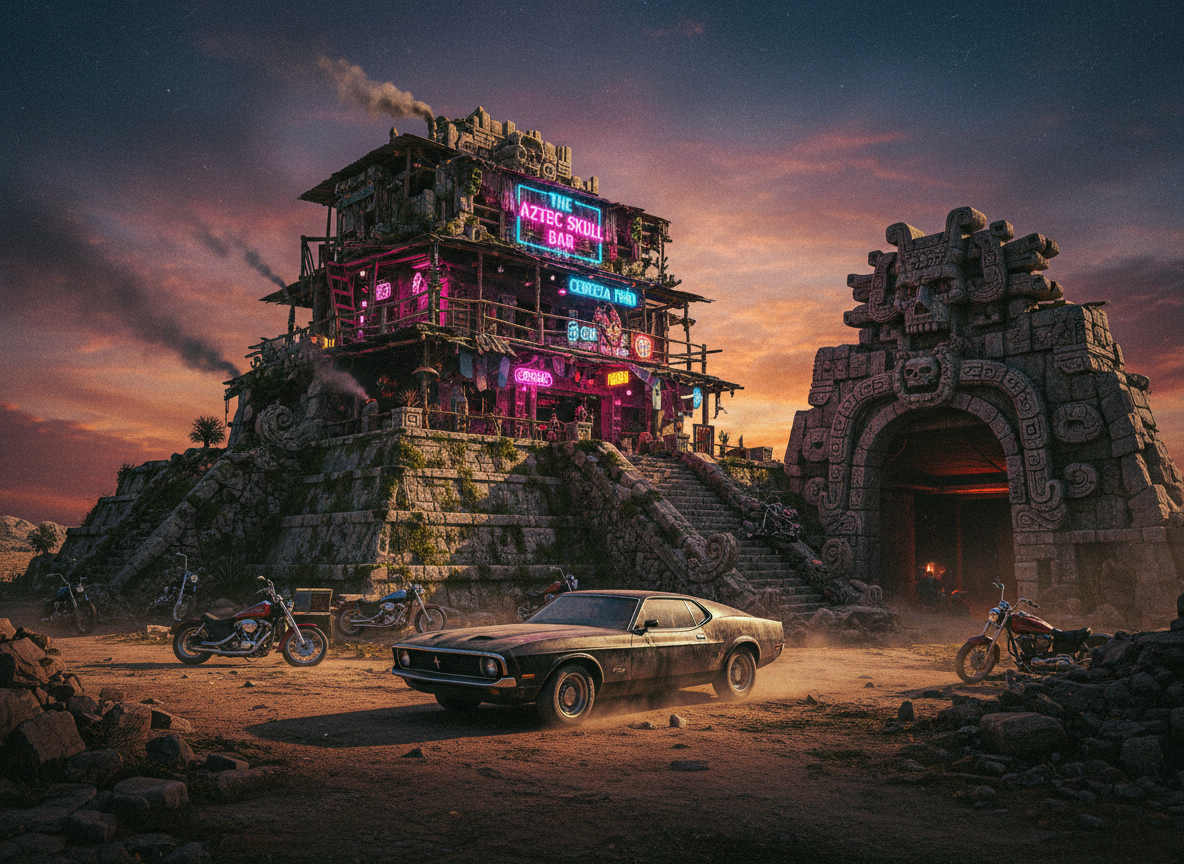
Grindhouse Aesthetic: The "Titty Twister" bar was modeled after Colonel Kurtz’s compound in Apocalypse Now, but it was filled with "Aztec Vampires" based on Mexican and Central American folklore rather than traditional European mythology.Why This Film Matters
The Tonal 180: It remains the gold standard for "Genre-Bending." It respects the audience's intelligence by making the first hour a genuinely tense, well-written crime drama before pulling the rug out.
Indie Diplomacy: It cemented the partnership between Rodriguez and Tarantino, proving that two different directorial styles could coexist in a single, coherent narrative.
The Clooney Pivot: As we discussed, it was a massive risk for Clooney. By successfully playing a cold-blooded criminal who becomes a reluctant hero, he redefined what a "TV-to-Film" transition could look like.
Production Trivia: The $1,500 Script
- • Initial Treatment: Conceived by SFX legend Robert Kurtzman in 1990 as a showcase for prosthetic makeup.
- • The Writer: A then-unknown Quentin Tarantino took the gig for just $1,500—his first professional writing fee.
- • The Trade: Kurtzman’s team (KNB EFX) did the effects for Reservoir Dogs for free in exchange for the script.
- • The Director: Tarantino gave the script to Robert Rodriguez, cementing one of the most iconic partnerships in indie film.
"Before it was a cult classic, it was a business deal that changed the DNA of 90s cinema."
The Legacy Factor
- The Pivot: A fearless transition from Noir to Horror.
- The Craft: KNB EFX's masterclass in practical creature design.
- The Star: The definitive bridge for George Clooney's film career.
From Dusk Till Dawn: Technical Specs
| Directed by | Robert Rodriguez |
| Screenplay by | Quentin Tarantino |
| Story by | Robert Kurtzman |
| Cinematography | Guillermo Navarro |
| Edited by | Robert Rodriguez |
| Music by | Graeme Revell |
| Release Date | January 17, 1996 |
| Running Time | 108 Minutes |
| Budget | $19 Million |
| Box Office | $59.3 Million |
| MPAA Rating | R |
