Author: Robert Barbere (A Constantly Racing Mind)
Rating: 4.5 / 5
There are horror movies that scare you, horror movies that disturb you, and horror movies that stick with you long after the credits roll. And then there are those rare films that get inside your head and simply refuse to leave.
David Prior’s 2020 feature The Empty Man is one of those rare cinematic anomalies. It made such an indelible impression on me that for the past five years, a multi-appendaged skeletal figure has been sitting silently at the end of my hallway. If you have seen the film, you know the exact silhouette. But half a decade later, the more interesting reality is that the ideas behind that imagery remain just as potent as the nightmare itself.
I first saw the film in October 2020, right in the thick of the COVID-19 pandemic. Movie theaters were practically deserted, and walking into an auditorium felt like stepping into an alternate reality. Sitting alongside my wife in an empty theater, I expected a disposable supernatural horror flick built around an urban legend. Instead, I found myself watching a beautifully constructed, deeply unsettling, and intellectual piece of cosmic horror—a film just as invested in consciousness, belief, and the nature of existence as it was in terrifying its audience.
The production quality, the cinematography, the atmosphere, and the sheer narrative ambition were immediately striking. Navigating studio reshuffling during the Fox/Disney transition and released into an unprecedented theatrical climate, The Empty Man practically disappeared. Yet beneath its surface lies a masterwork of modern cosmic horror that rewards meticulous examination.
The Bhutan Prologue and Structural Ambition

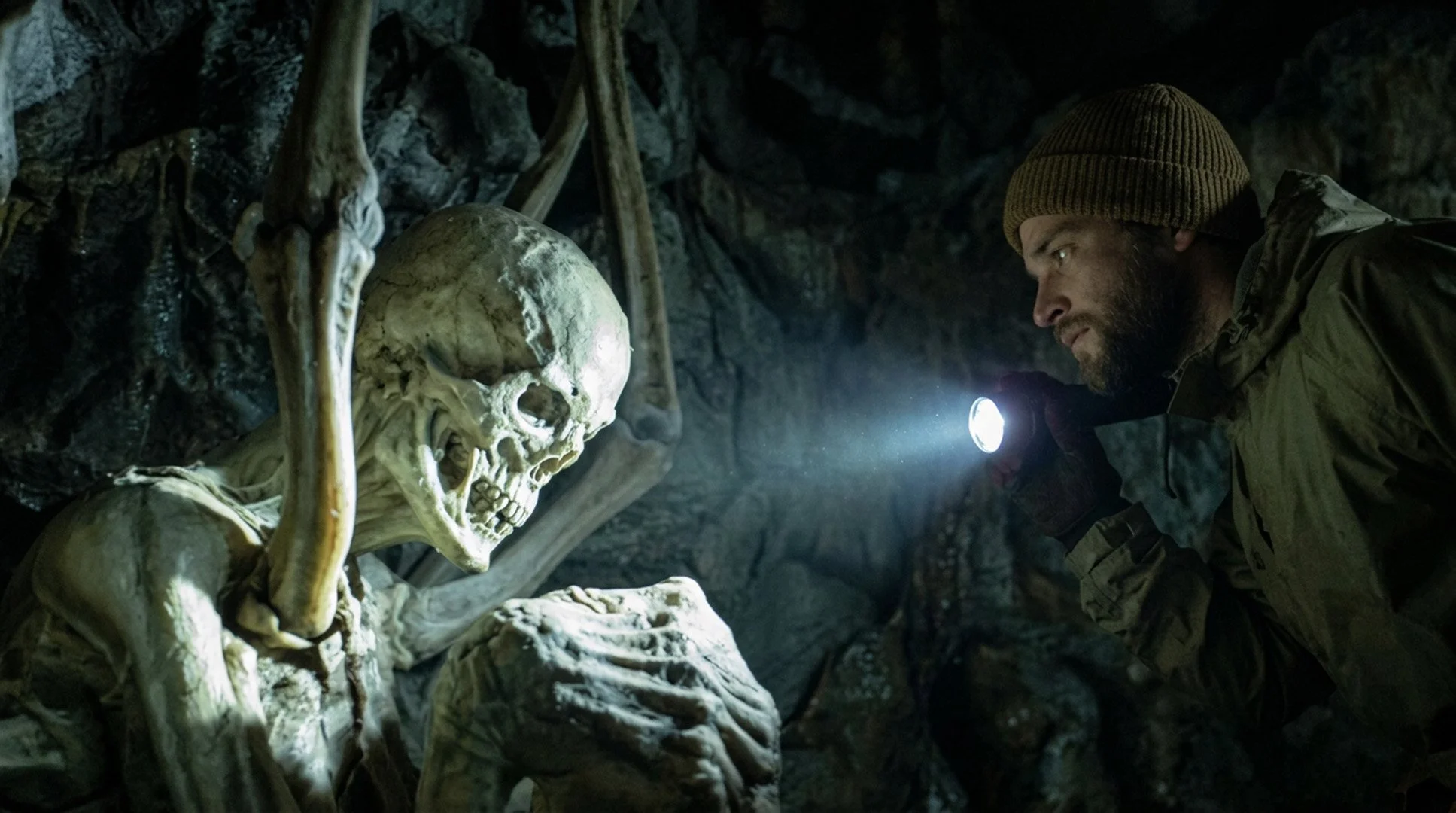
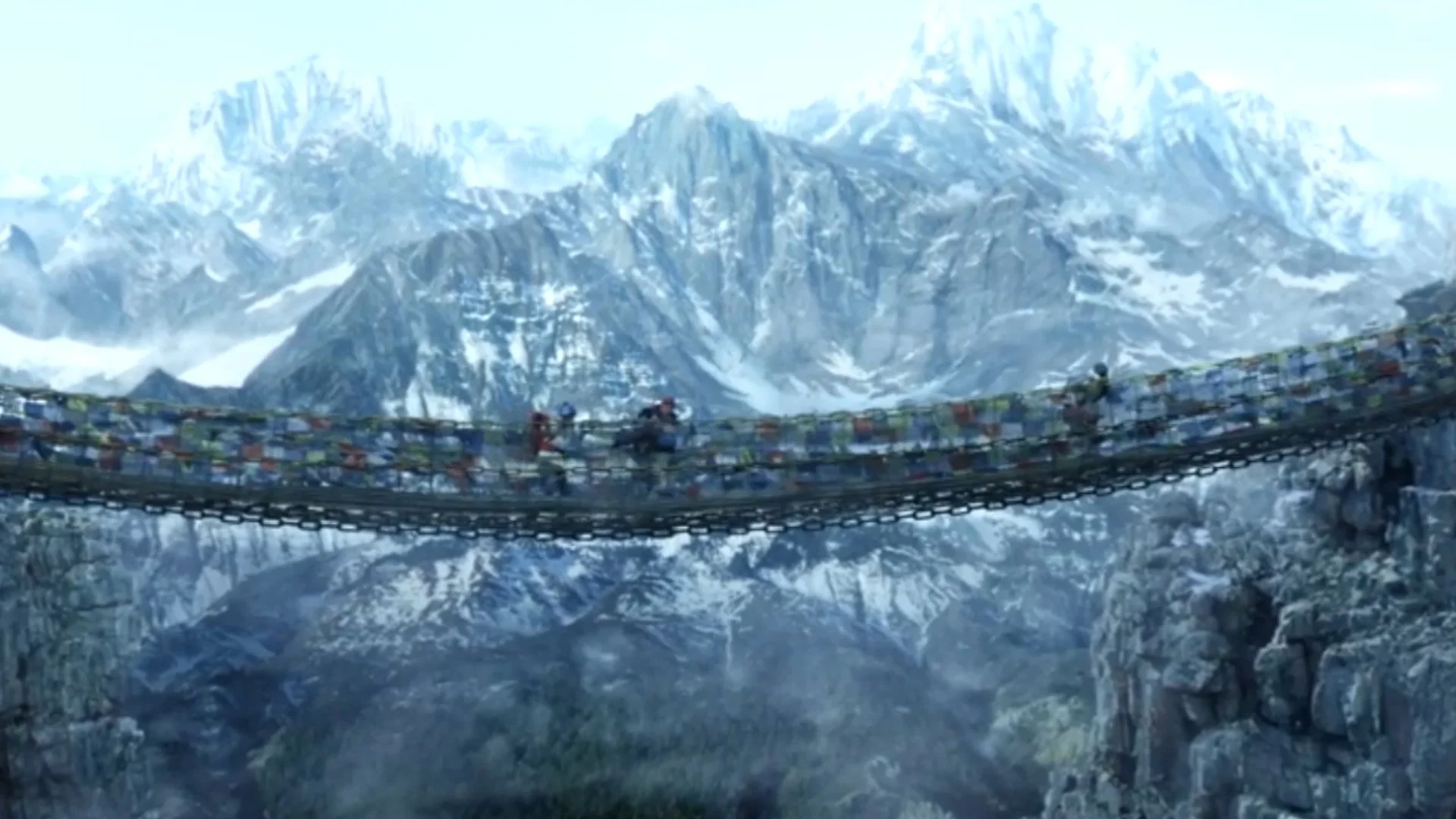
Before the title card appears, The Empty Man delivers a self-contained, twenty-two-minute prologue set in 1995 high in the mountains of Bhutan. Four hikers make their way through an isolated, snow-covered landscape that makes human presence feel like a cosmic trespass. When Paul (Aaron Poole) falls into a subterranean cavern and discovers an incomprehensibly vast, multi-appendaged skeletal idol carved into the earth, the film departs entirely from survival horror.
What follows is twenty-two minutes of escalating dread, disturbing imagery, and irrational psychological collapse. It functions as a complete horror film on its own. Director David Prior and cinematographer Anastas Michos use negative space and wide, anamorphic lenses to establish an overwhelming sense of ancient insignificance. Just as you settle into that isolated mountain nightmare, the title card hits, and the narrative abruptly shifts twenty-three years forward into suburban Missouri.
Subverting the Urban Legend
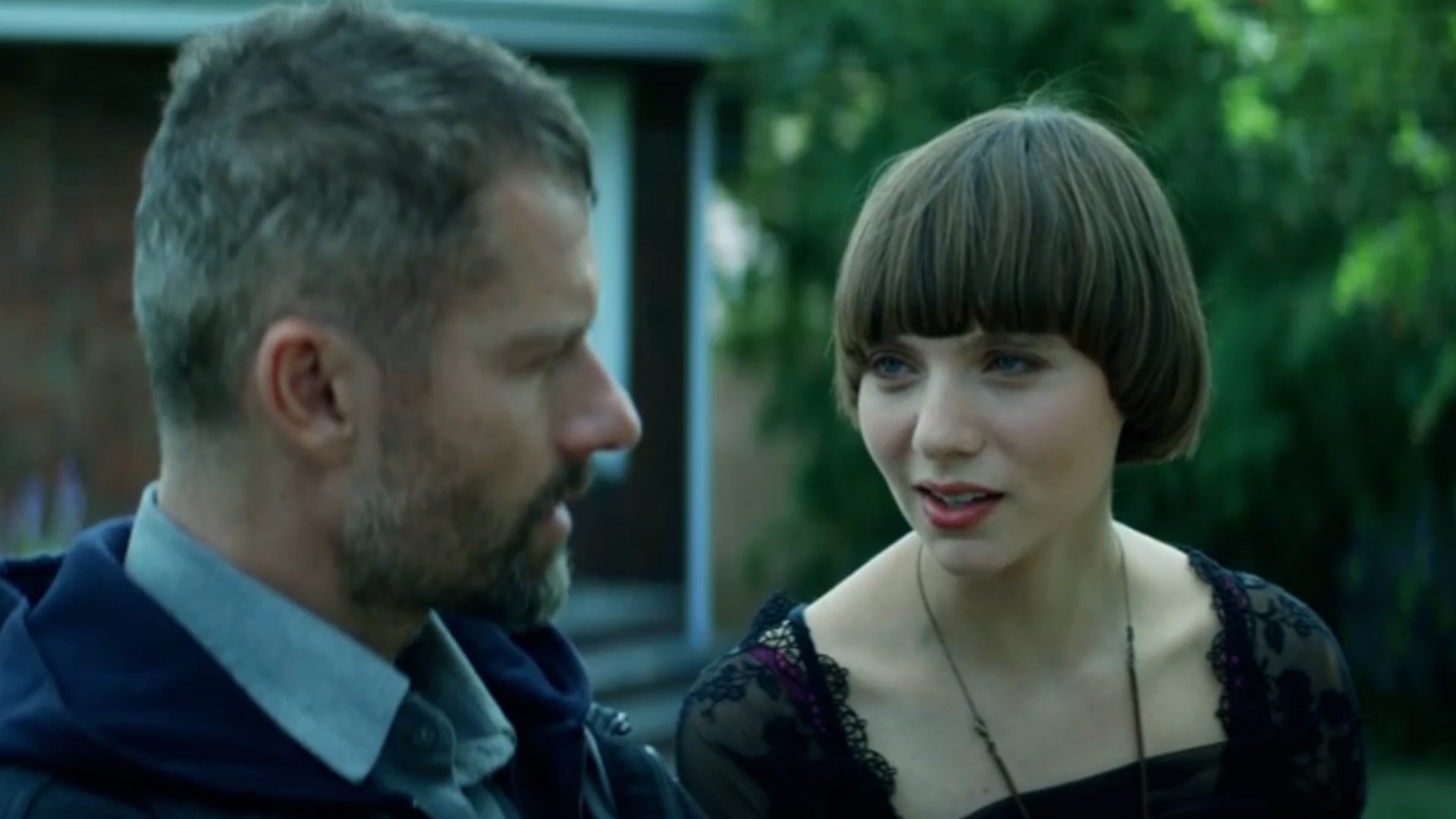
In 2018 Missouri, we meet James Lasombra (James Badge Dale), an ex-police officer hollowed out by the tragic deaths of his wife and son. James is a man moving through the motions of everyday life without truly participating in it. When Amanda (Sasha Frolova), the teenage daughter of his friend Nora (Marin Ireland), vanishes, James agrees to investigate.
The missing-person case quickly intersects with a local urban legend: blow across an empty bottle while standing on a bridge, and you summon the Empty Man. On the first night, you hear him. On the second night, you see him. On the third night, he finds you.
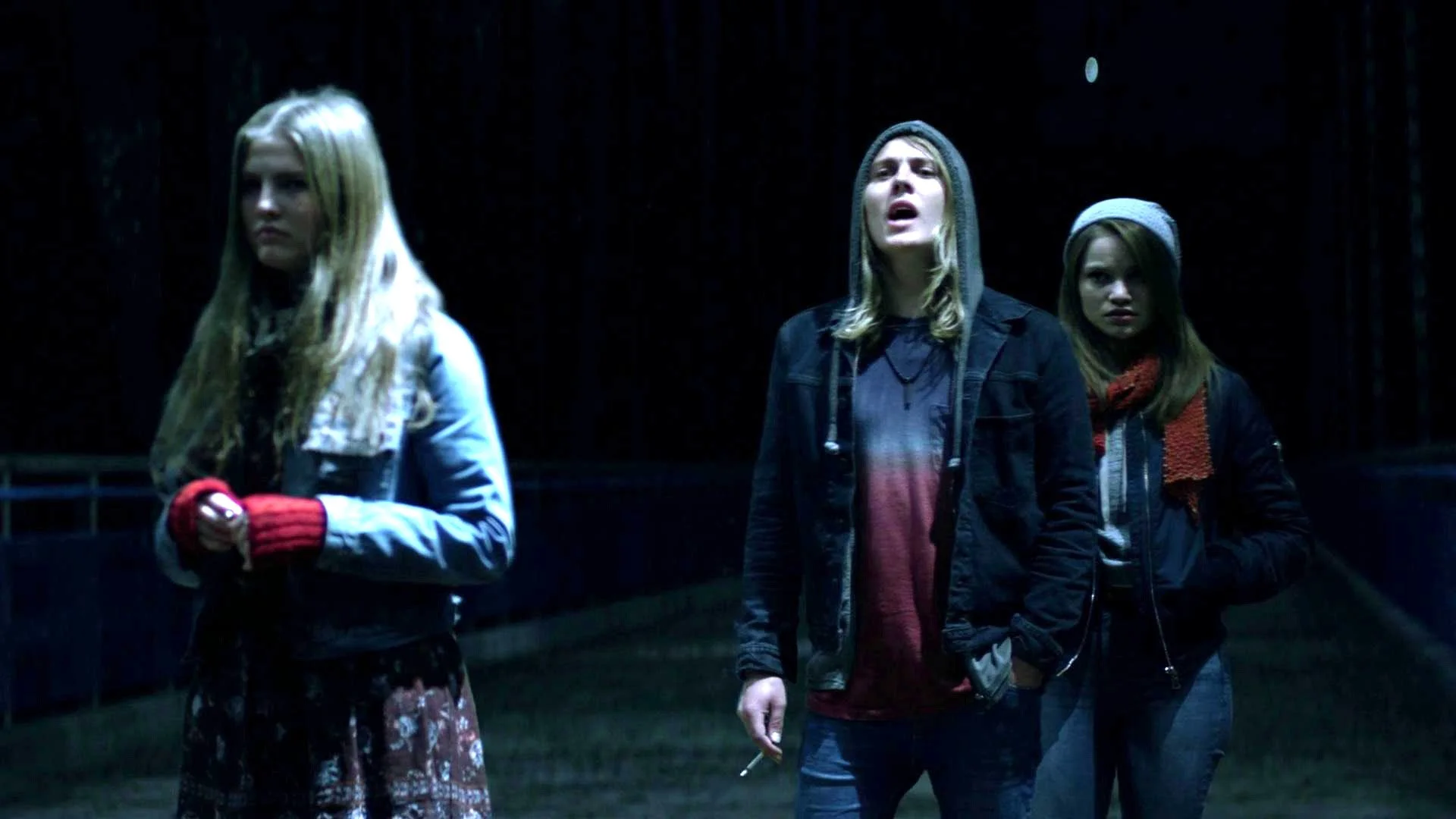
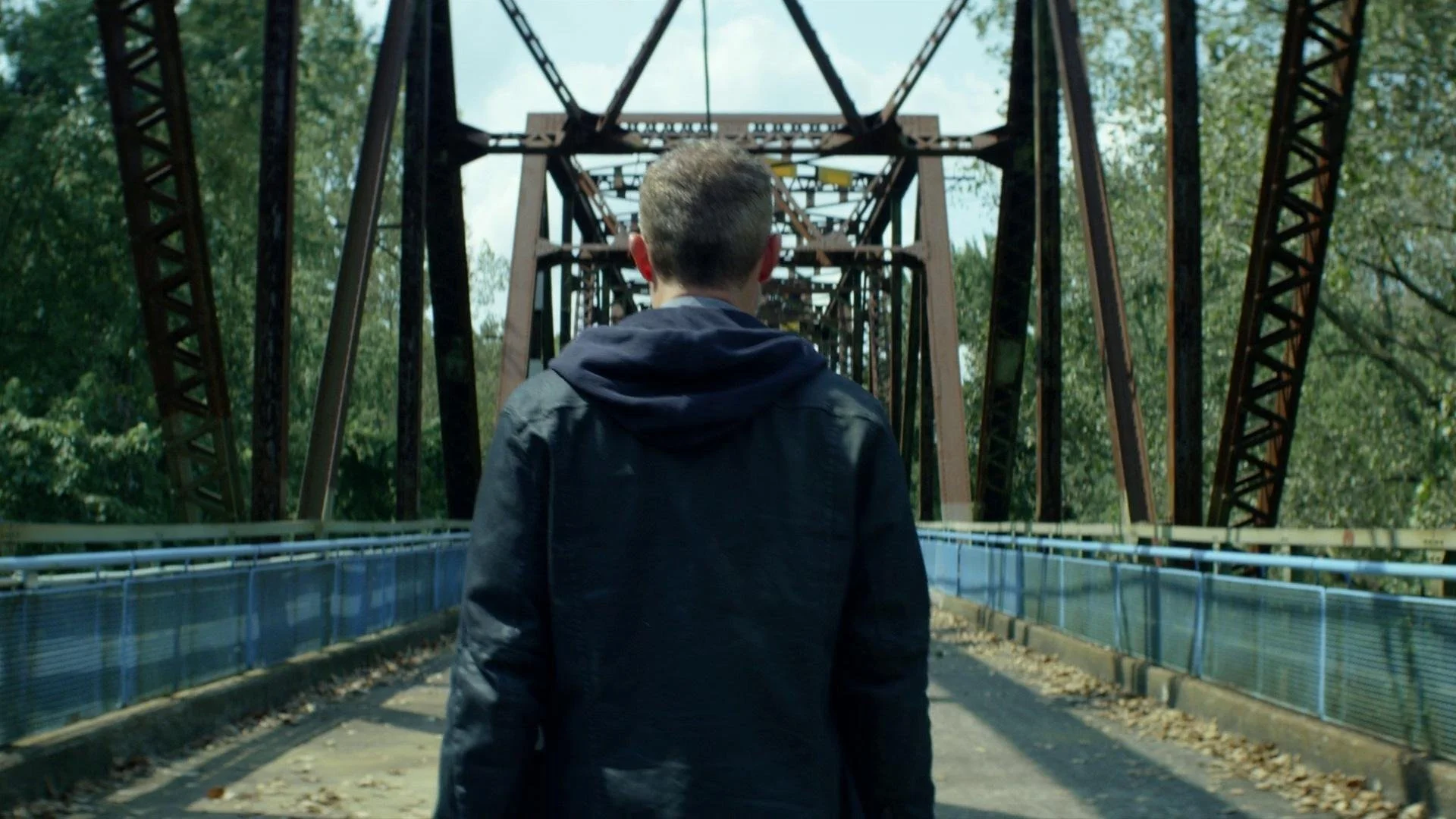
In lesser hands, this premise would devolve into a predictable teen slasher. But Prior uses the urban legend merely as a gateway. Amanda and her friends perform the dare on the Chain of Rocks Bridge, but what follows is genuinely disturbing: four teenagers are found hanging beneath the structure, and another participant, Davara (Samantha Logan), dies in a state of psychic possession. The Empty Man is not a conventional monster stalking victims; it is an influence infiltrating minds, compelling people toward self-destruction. As James follows the trail, the film transitions from a missing-person detective procedural into an unsettling occult thriller centered on the Pontifex Institute.
Craft and Atmosphere: The Fincher Discipline
Prior spent years producing documentary and behind-the-scenes material alongside David Fincher, and that lineage is evident in the film's clinical precision. Every frame is measured, the camera moves with calculated purpose, and the compositions frequently place characters in environments that signal profound unease.
The anamorphic photography by Anastas Michos creates deliberate distortion and soft edge vignettes that contribute to a dreamlike, disorienting texture. The editing, handled by Prior and Andrew Buckland, balances multiple narrative tones with deliberate rhythm. One standout transition transforms an ordinary fold-out road map into a seamless overhead view of the Missouri landscape—a subtle indicator of the film's structural care.
Acoustically, the collaboration between horror veteran Christopher Young and dark-ambient pioneer Brian Williams (Lustmord) avoids cheap jump-scare stingers. The score employs sustained low frequencies, sub-bass drones, chanting, and heavy silences that bleed into the environmental sound design. When ambient noise suddenly drops away, the vacuum creates far more dread than an overt visual scare.
Grounded Performances
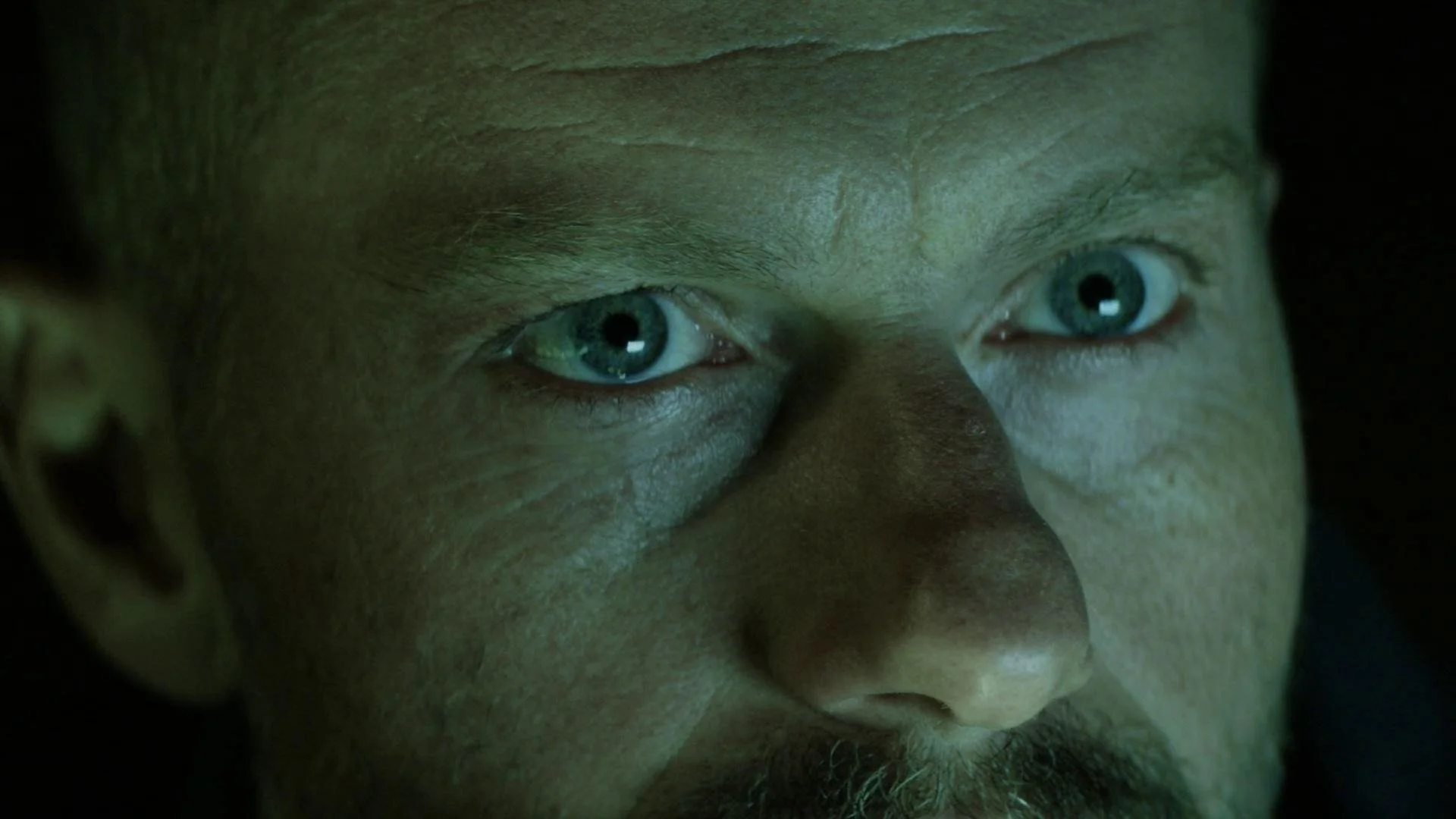
James Badge Dale carries the weight of the film with emotional exhaustion, sharp intelligence, and weary skepticism. Dale never portrays James as an invulnerable horror protagonist; he is a damaged man continuing an investigation because he desperately needs order in an unraveling reality.
The supporting cast grounds the high-concept material effectively:
Marin Ireland (Nora Quail): Brings raw vulnerability and complicated emotional history to her scenes with James.
Sasha Frolova (Amanda Quail): Projects an eerie, detached presence that lingers over the entire narrative.
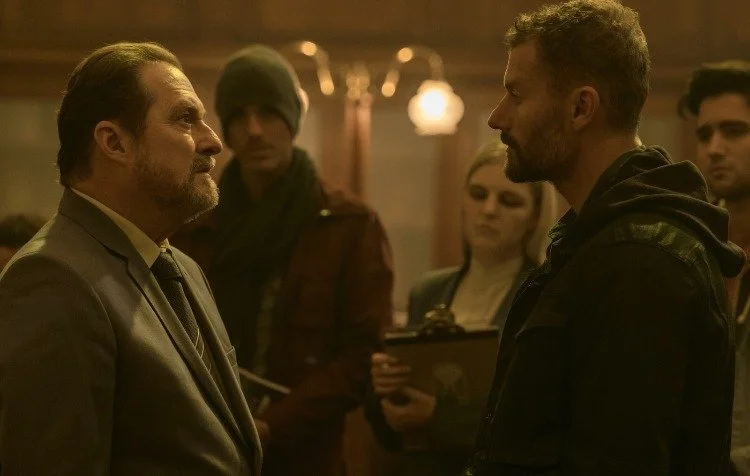
Stephen Root (Arthur Parsons): Delivers a calm, intellectual performance that avoids cult-leader tropes, presenting the Pontifex doctrine with chilling corporate clarity.
Evan Jonigkeit & Aaron Poole (Greg & Paul): Establish the human terror and tragic stillness required to make the Bhutan prologue work.
Part II: The Metaphysical Breakdown (Full Spoilers)
The brilliance of The Empty Man is that its third act is not a gimmick; it completely dismantles everything that preceded it.
1. The Tulpa Revelation
The devastating truth of the climax is that James Lasombra is not a grieving ex-cop solving a missing-person case. James is a Tulpa—a physical being manifested into concrete reality through intense thought, concentration, and time by the members of the Pontifex Institute.
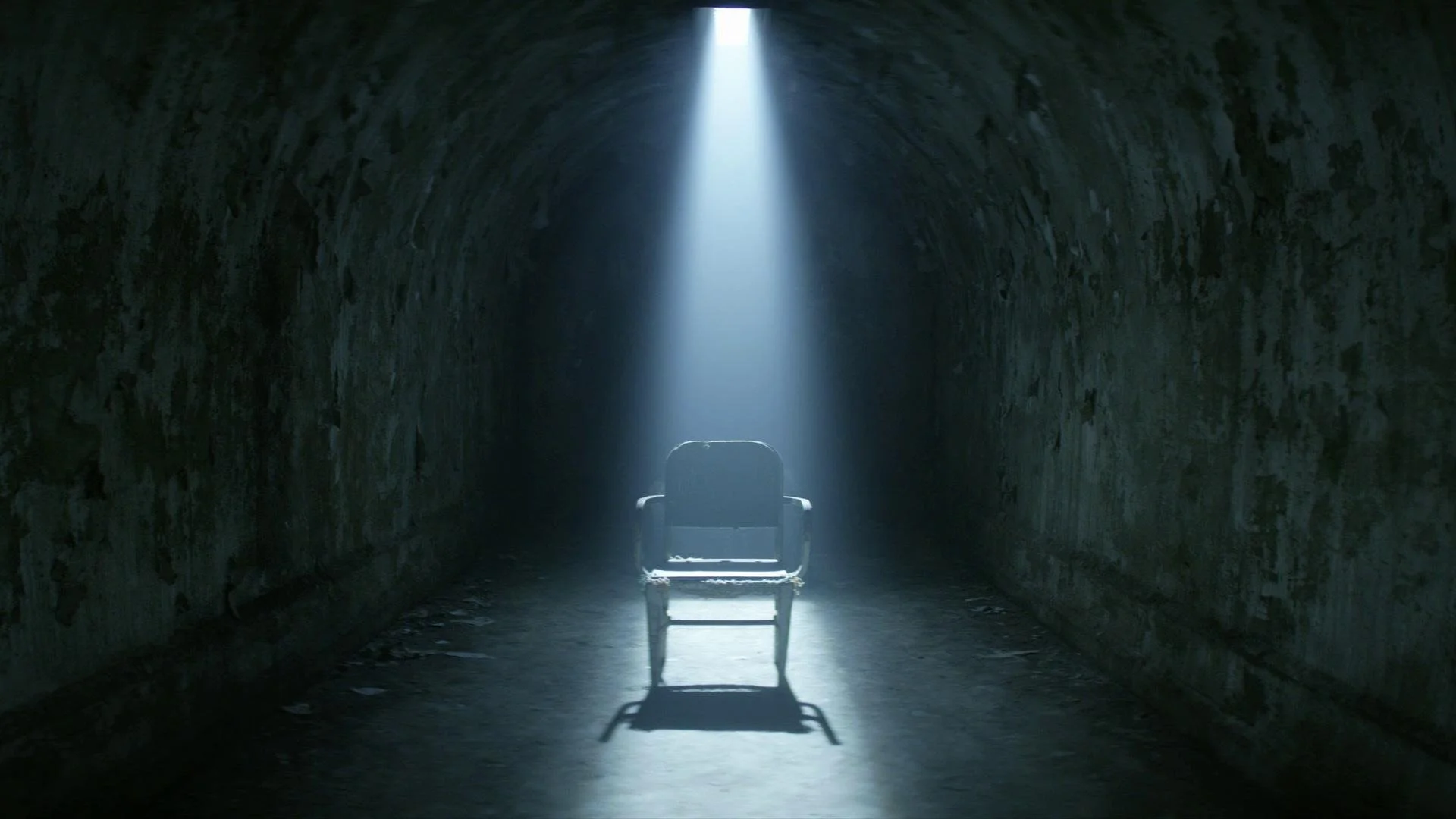
James did not grow up in San Francisco. He was not born into an ordinary family. His entire existence began only three days before the film’s conclusion.
His grief over his dead wife and son is a manufactured backstory. His affair with Nora is an artificial memory designed to instill guilt. Even his surname, Lasombra ("The Shadow" in Spanish), telegraphs that he is merely the projection of a life that never existed. When James calls Nora from the hospital and she has no idea who he is, his reality collapses.
Yet the tragedy is that while his memories are artificial, the consciousness experiencing them is genuine. His pain, remorse, and terror are authentic. The cult did not simply build a biological vessel; they engineered a person solely so that he would experience maximum grief in a 72-hour window.
2. The Incubation Formula: Sorrow, Guilt, Fear
In 1995 Bhutan, Paul encountered the cosmic entity the Pontifex Institute refers to as the Between One. Paul became a human antenna, transmitting its presence. For twenty-three years, the cult kept Paul alive in a comatose hospital state to maintain that link.
With Paul’s body failing, the cult needed a replacement. Ordinary minds shattered under the entity's weight; earlier experiments had failed. The cult discovered the exact emotional formula required to host the Between One: Sorrow, Guilt, and Fear.
Day 1 (Hearing): James manifests into the world, burdened by artificial grief over his family (Sorrow).
Day 2 (Seeing): He uncovers the teenage corpses and traces the Pontifex leads, plagued by remorse over Nora (Guilt) and mounting panic (Fear).
Day 3 (Finding): Confronted at Camp Elsewhere and the hospital, his manufactured reality unravels, completing the psychic vacancy required for possession.
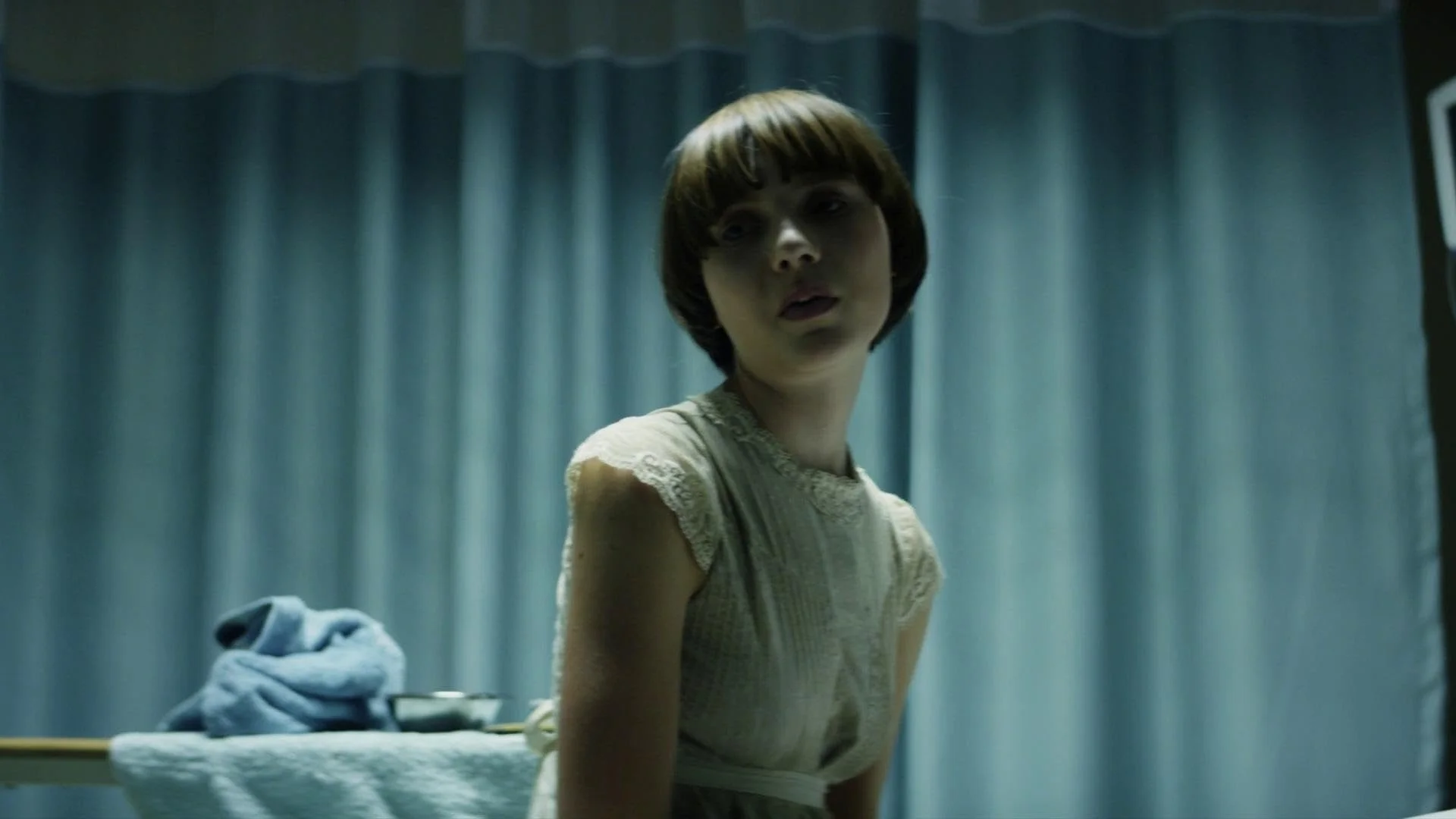
The urban legend was never a curse on local teenagers; it was the deployment sequence for an artificial consciousness.
3. Semantic Satiation and the Stare into the Abyss
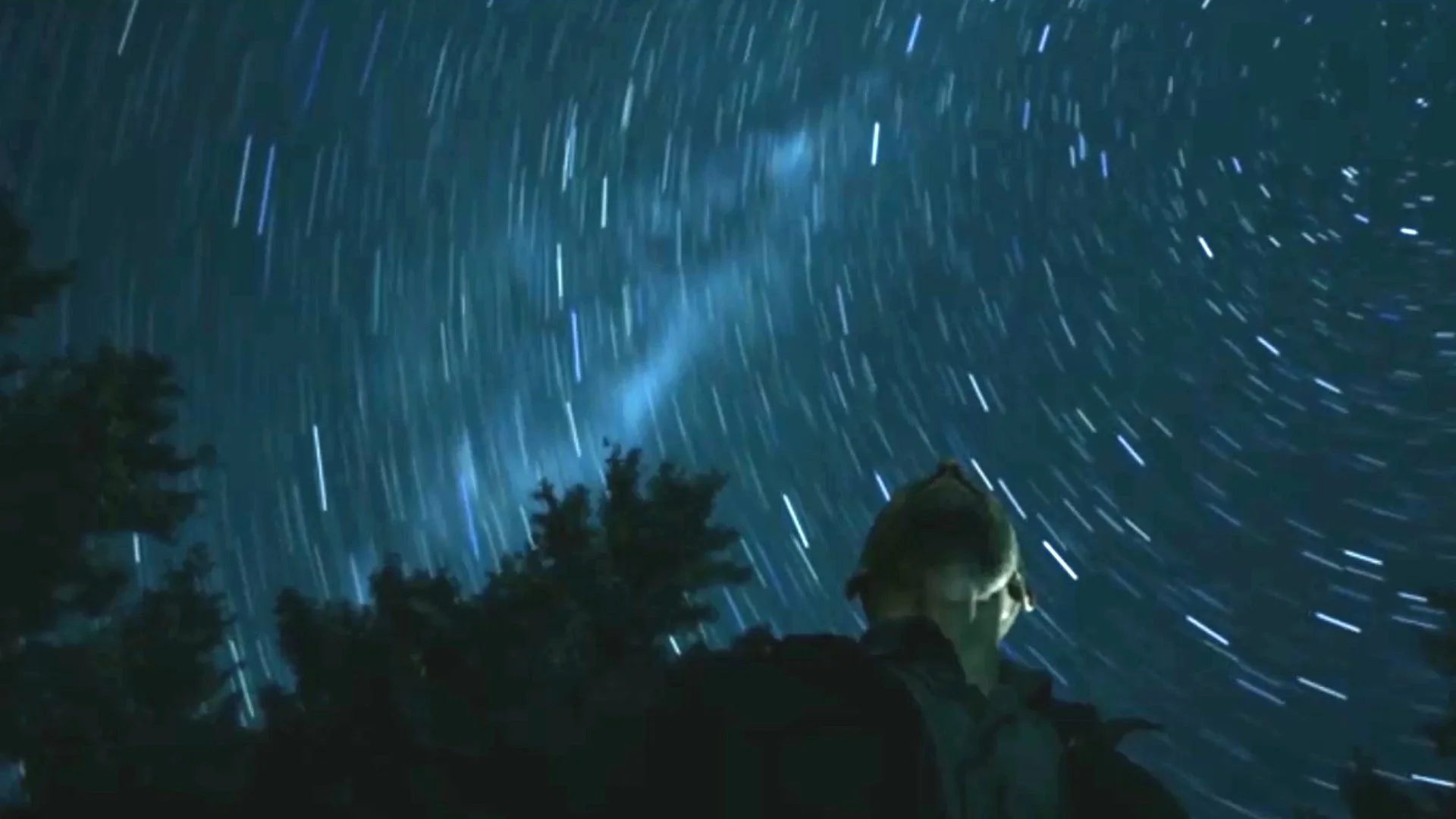
During Arthur Parsons’s lecture at the institute, he references semantic satiation—the psychological phenomenon where repeating a word until it loses all meaning leaves it empty. Parsons asks the inverse: What if intense, collective repetition can give meaning—and physical form—to something that previously had none?
Parsons also invokes Nietzsche’s warning about staring into the abyss. In cosmic horror, staring into the abyss is not a metaphor for moral corruption; it is a literal metaphysical pipeline. James believes his detective work is an assertion of free will. In reality, every clue he follows is a breadcrumb designed to tune his mental frequency to the Between One. Knowledge does not protect him; it delivers him.
4. Bridges and Buddhist Emptiness
Bridges are central to the visual design: the suspension bridge in Bhutan, the Chain of Rocks Bridge in Missouri, and the footbridge at Camp Elsewhere. The name Pontifex itself derives from the Latin for bridge builder. A suitable human vessel functions as a bridge between the Between One and the collective consciousness of humanity.
This interfaces directly with the film’s references to the Mahayana Buddhist Heart Sutra ("Form is emptiness, emptiness is form"). In Buddhist philosophy, emptiness (śūnyatā) denotes that nothing possesses an independent, permanent existence separate from causes and conditions. The Empty Man turns this concept into cosmic dread: James has no independent existence; he is held together solely by the thoughts of the cult. When the cult stops sustaining his history, James is revealed as fundamentally empty—the ideal host.
5. Hive-Mind Unison and the Final Ascension
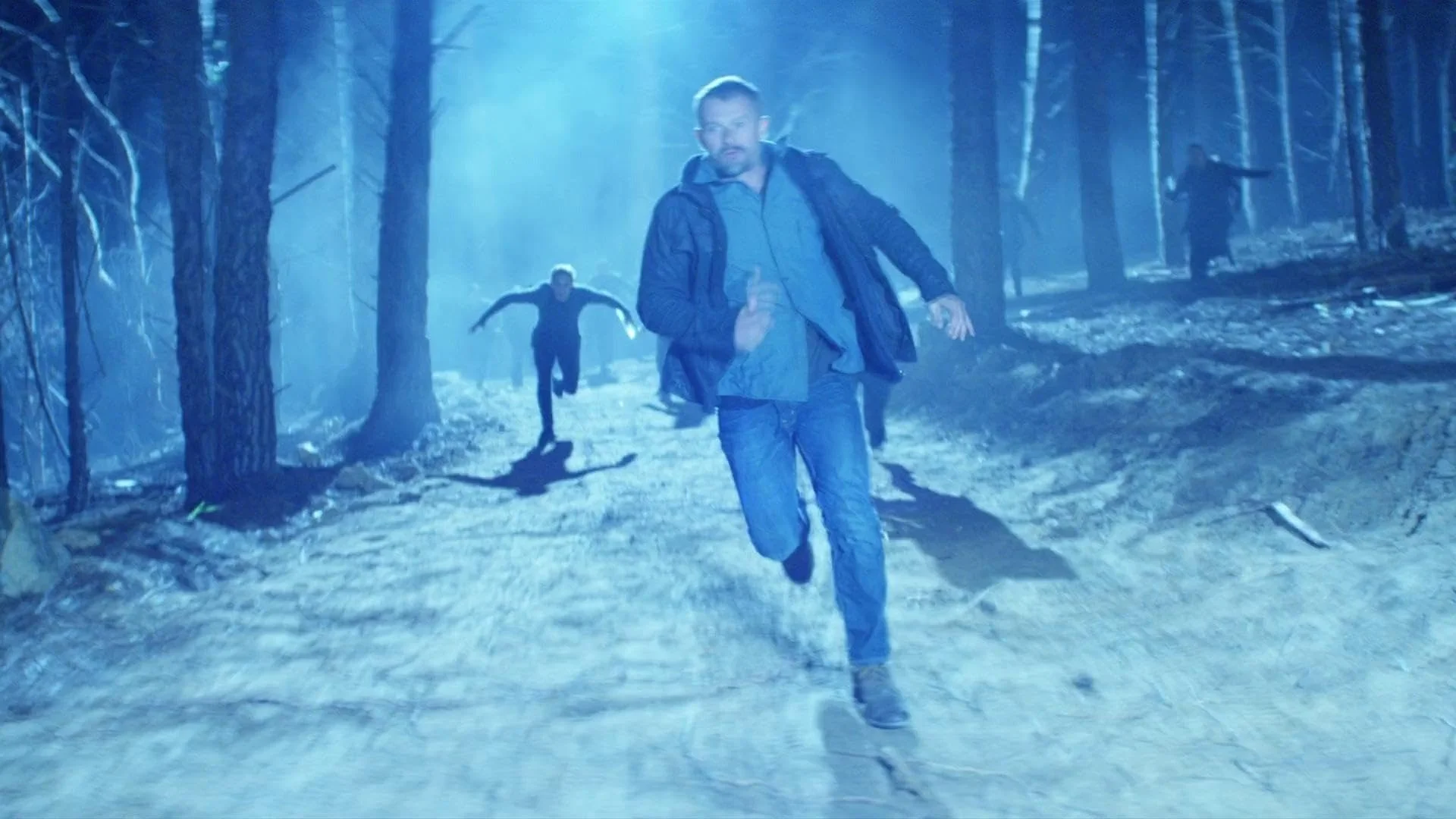
At Camp Elsewhere, James observes a massive cult gathering around a bonfire. When the fire vanishes and hundreds of cultists turn toward him in lockstep—advancing precisely as he retreats—the horror stems from collective coordination. James is standing before the collective organism that dreamt him into being.
In the climax, physical architecture breaks down. The hospital corridors, his home, and the Bhutan cavern collapse into one another. James confronts the Between One, which removes its skeletal mask to reveal the incomprehensible reality beneath before forcing its essence into him.
When James returns to the hospital room, his humanity has been hollowed out. He approaches the comatose Paul and shoots him through the forehead—symbolically severing the old third eye and completing the transmission.
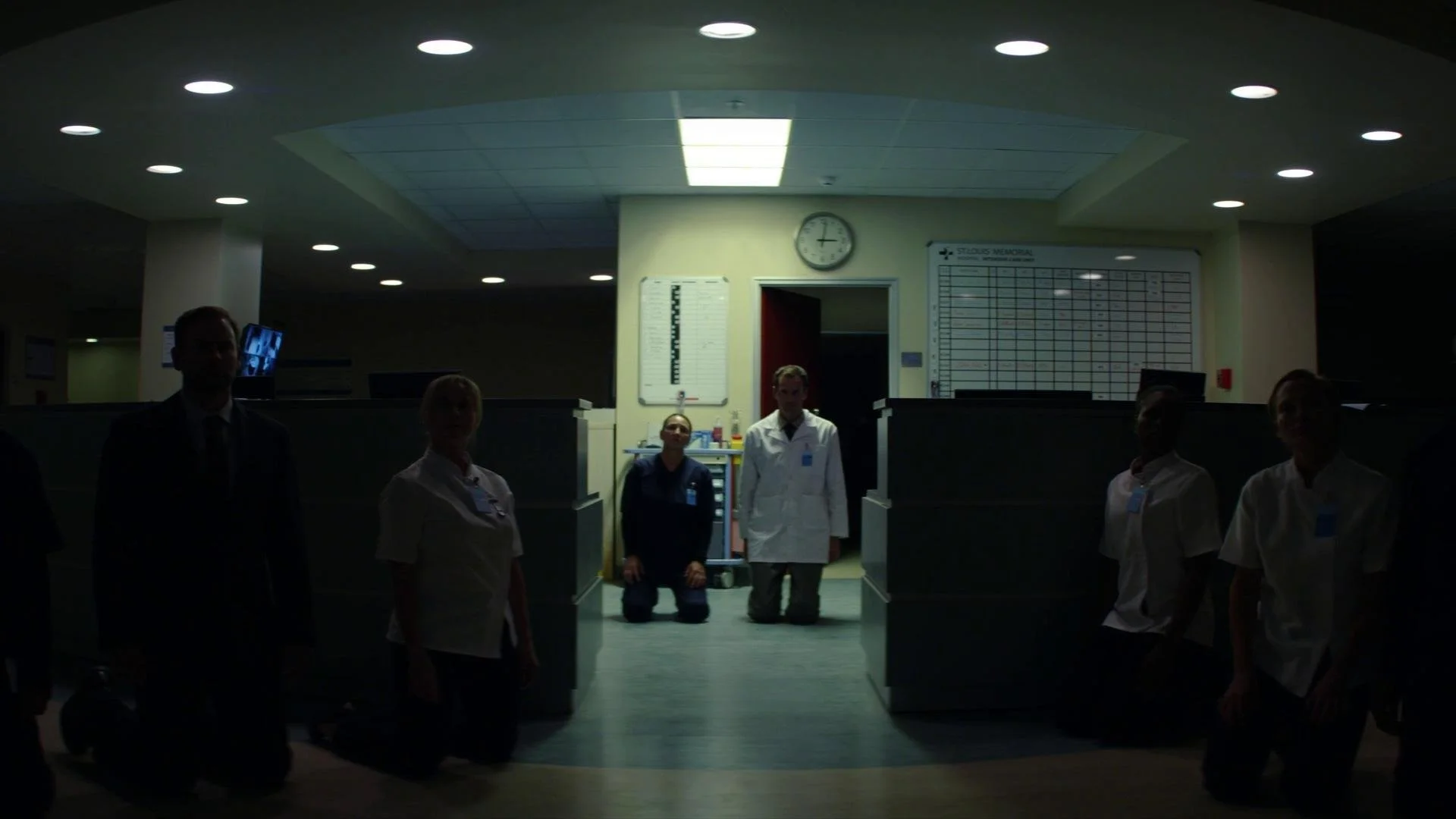
As James steps into the corridor, doctors, nurses, and cultists fall to their knees. For the Pontifex Institute, it is the sacred culmination of twenty-three years of ritual. For James, it is total existential erasure.
Concluding Assessment
David Prior’s The Empty Man is a rare cinematic work that trusts its audience to engage with difficult metaphysical questions. It merges police procedural, cult intrigue, and cosmic horror into a singular exploration of identity, consciousness, and free will.
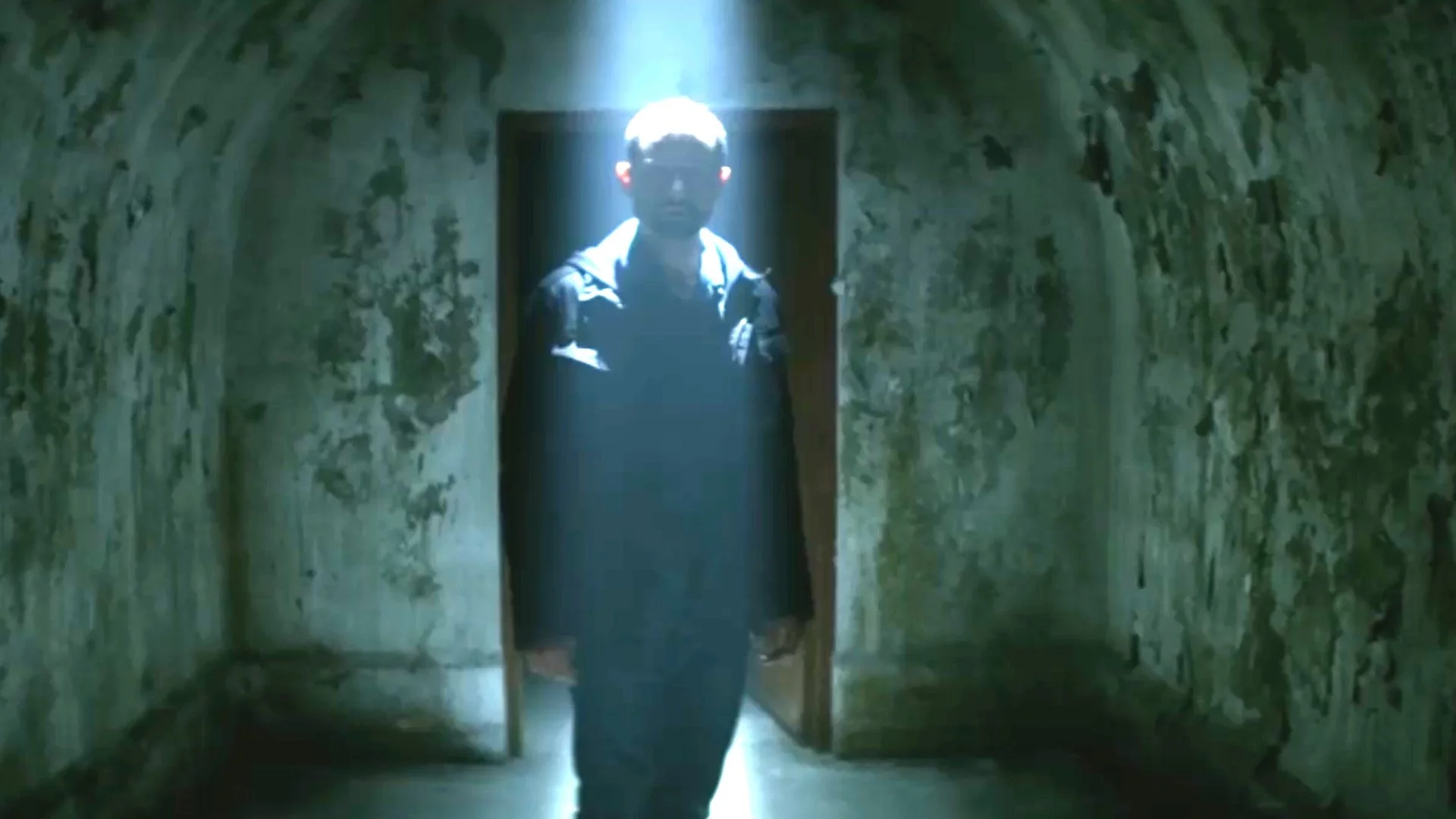
Five years later, the film's central realization remains as devastating as ever: James Lasombra spent the entire film hunting for the Empty Man, only to discover that he was the vessel being emptied out all along.
