Trapped in the Geometry of Obsession: A Non-Spoiler Review of A24’s Back Rooms (2026)
The scariest thing about the Back Rooms is not a monster jumping out from the dark. It is the distinct, deeply unnatural sensation of having entered a place that simply should not exist. Directed by Kane Parsons—the teenage digital prodigy who helped define the modern internet mythos via Blender and After Effects—A24’s big-screen adaptation takes an internet phenomenon and weaponizes it into a tangible, character-driven architecture of dread.
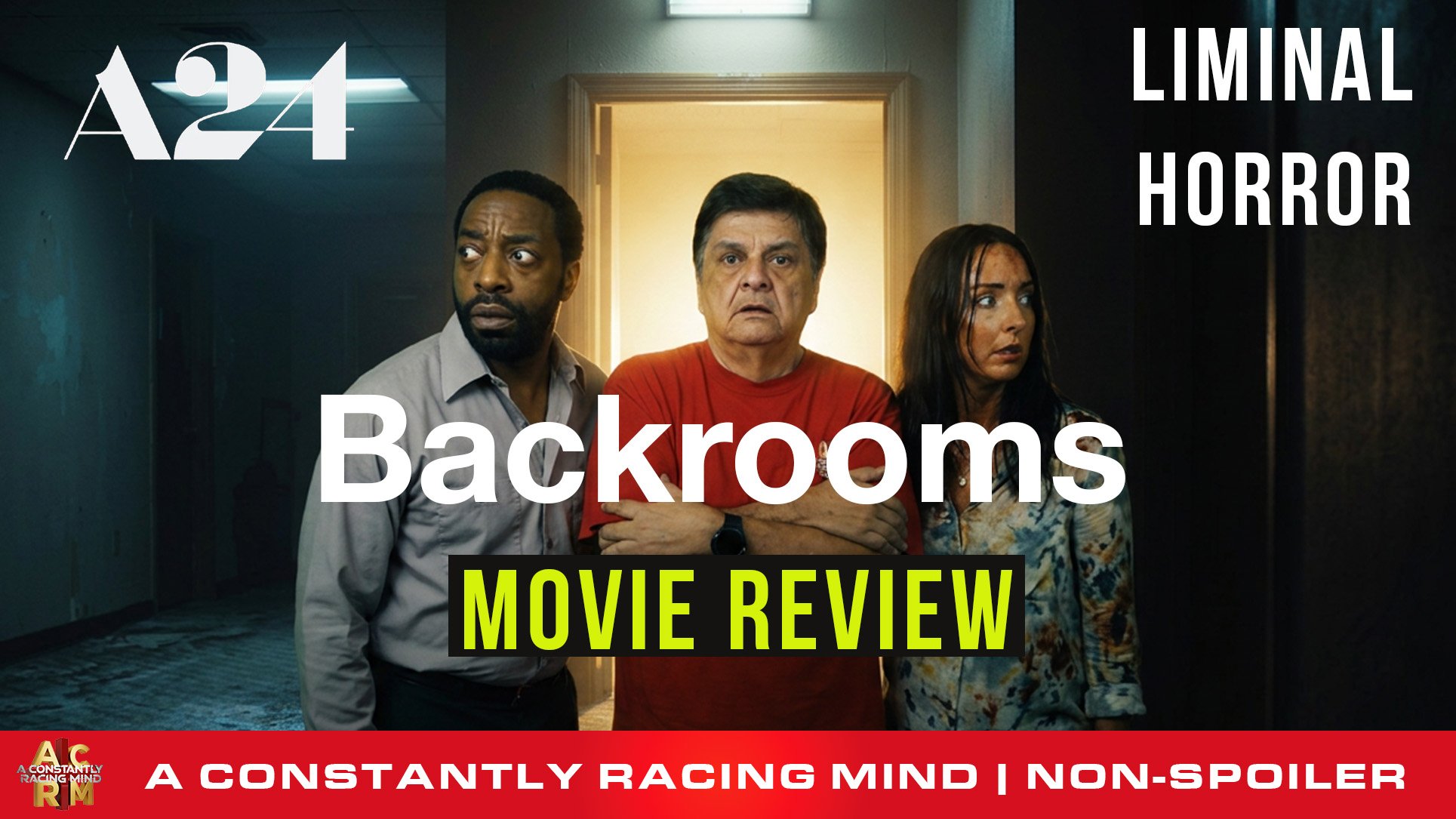
Backrooms 2026
Running a lean 105 minutes, Back Rooms stands as one of the most unique creepypasta adaptations we have seen, even if its rhythmic, hypnotic pacing occasionally threatens to dilute its tension.
Relocating the Mythos
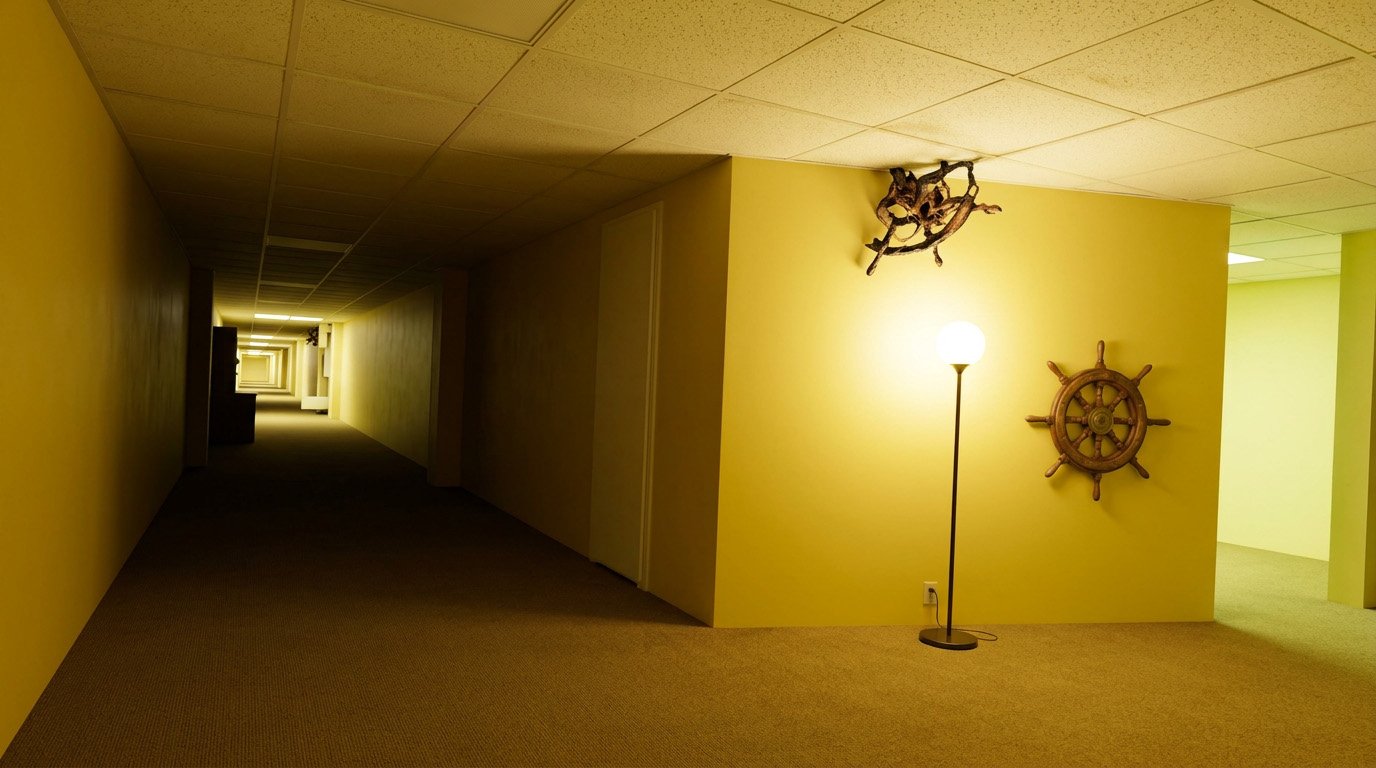
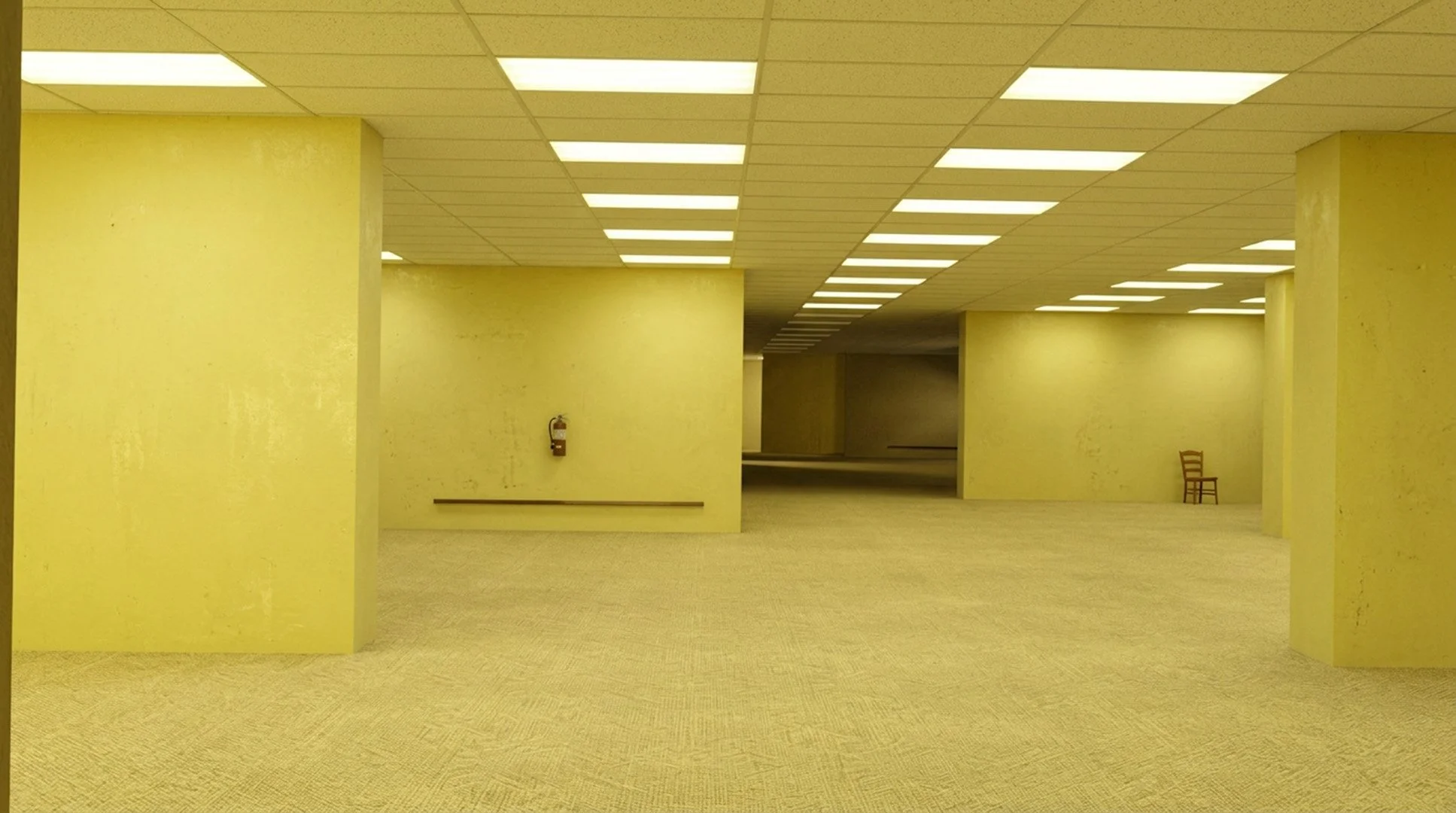
Set in the 1990s, the film follows Clark (Chiwetel Ejiofor), a rational business owner running a furniture store called "Captain Clark's Ottoman Empire". When he accidentally discovers a "no-fly zone"—a literal portal hidden within his store—he slips out of reality and into an endlessly expanding labyrinth of sickly yellow wallpaper, damp carpets, and humming fluorescent lights.
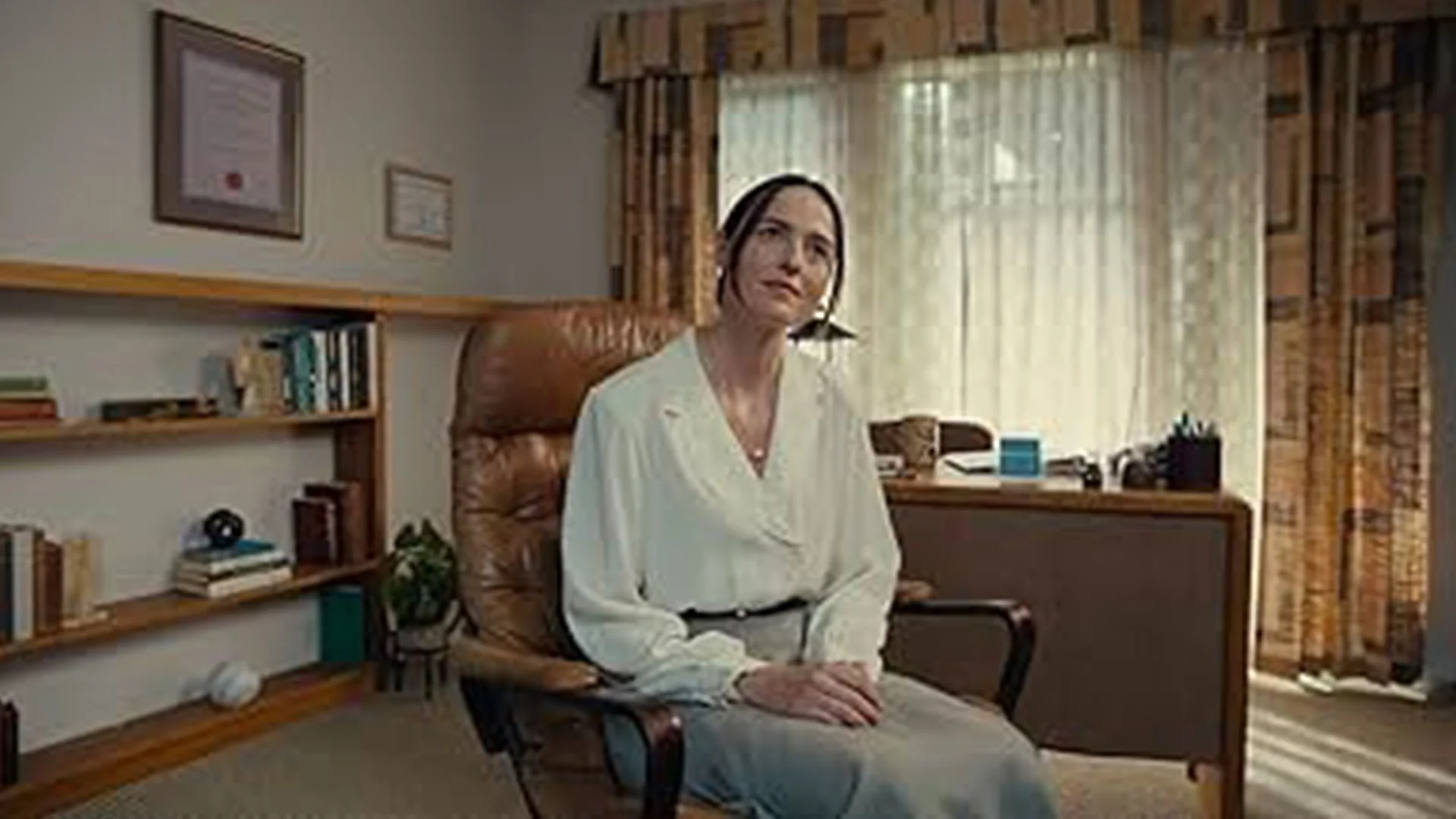
What makes Back Rooms work isn't just the physical peril of getting lost; it’s the psychological trap. Rather than fleeing, Clark becomes utterly fixated, returning repeatedly to map the impossible space. He processes this growing obsession through therapy sessions with his highly skeptical therapist, Dr. Mary (Renate Reinsve). The core conflict evolves from a simple survival story into a tragic study of human disconnection.
Tangible Terrors & Liminal Landscapes
What separates Back Rooms completely from the generic horror mill is its commitment to practical texture. Production constructed a staggering 30,000-square-foot physical maze in Vancouver, using layouts pre-visualized by Parsons in Blender. You can feel that weight on screen. The spaces smell like mildew; the air feels stale.
The technical execution of the film is outstanding:
The Sound Design & Score: The film understands that electrical noise is its own threat. Composed by Ito van Bremen and Kane Parsons, the score blends spatial electronic music, low ambient hums, and mechanical dread. It mimics the building itself, producing the sound and drawing stylistic lines to ambient masters like Aphex Twin and Boards of Canada.
The Cinematography: Jeremy Cox avoids traditional Gothic shadows or romanticized horror setups. Instead, he leans into the ugly, sterile fluorescent glow of corporate environments—creating spaces that look explicitly copied by an entity that didn't fully understand the original.
The Editing: Greg Ng handles the film’s repetitive geometry elegantly. It’s a difficult tightrope to walk—repetition can easily shift from hypnotic dread into pure tedium—but Ng uses lingering shots to let the emptiness itself become the primary antagonist.
Stellar Performances Ground the Impossible
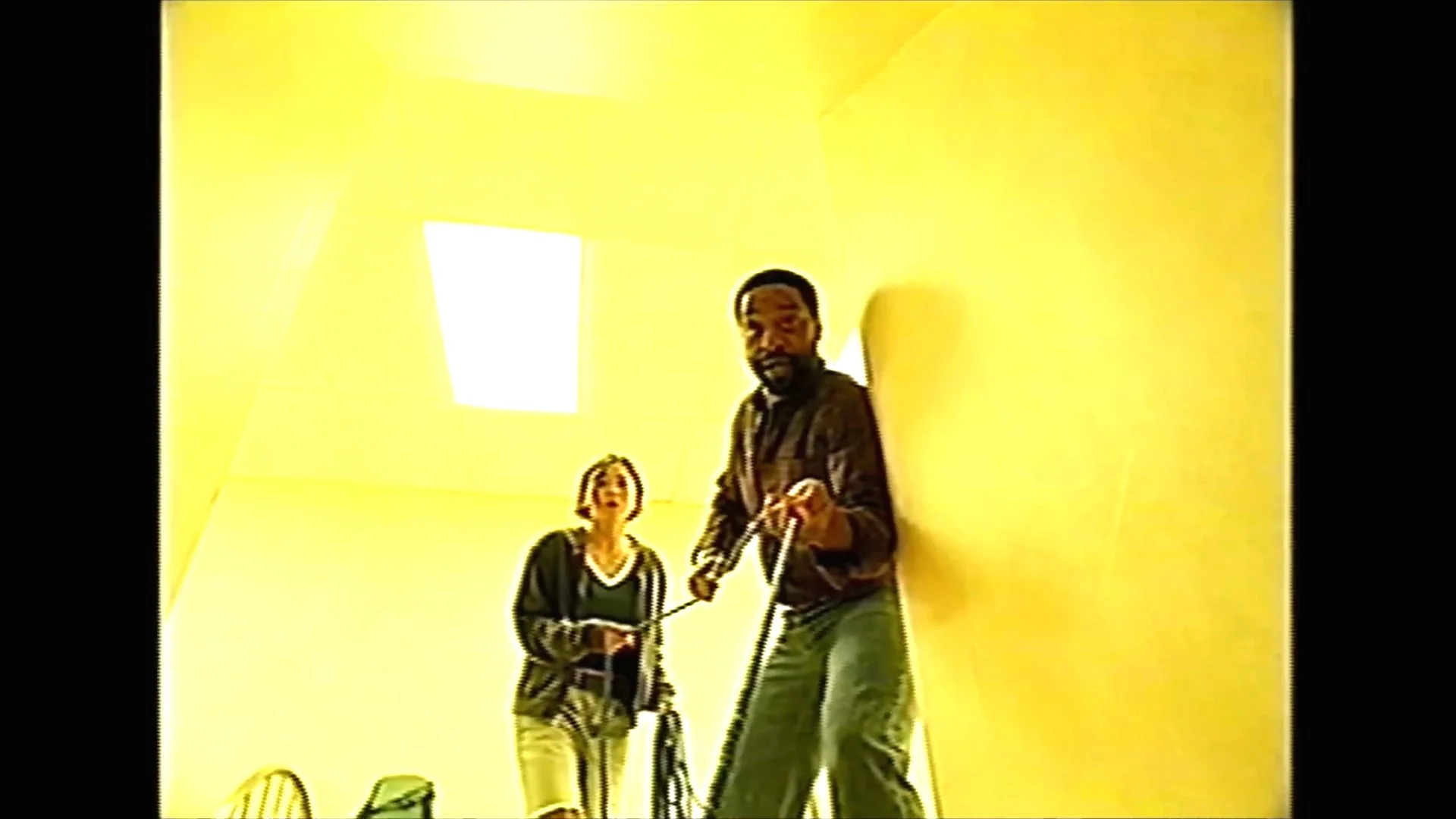
The cast elevates this high-concept exercise into something deeply human. Chiwetel Ejiofor brings a disciplined, controlled intensity to Clark. He avoids typical horror-movie idiot tropes, playing Clark with an intelligent, unraveling curiosity that makes his psychological decline devastatingly believable.
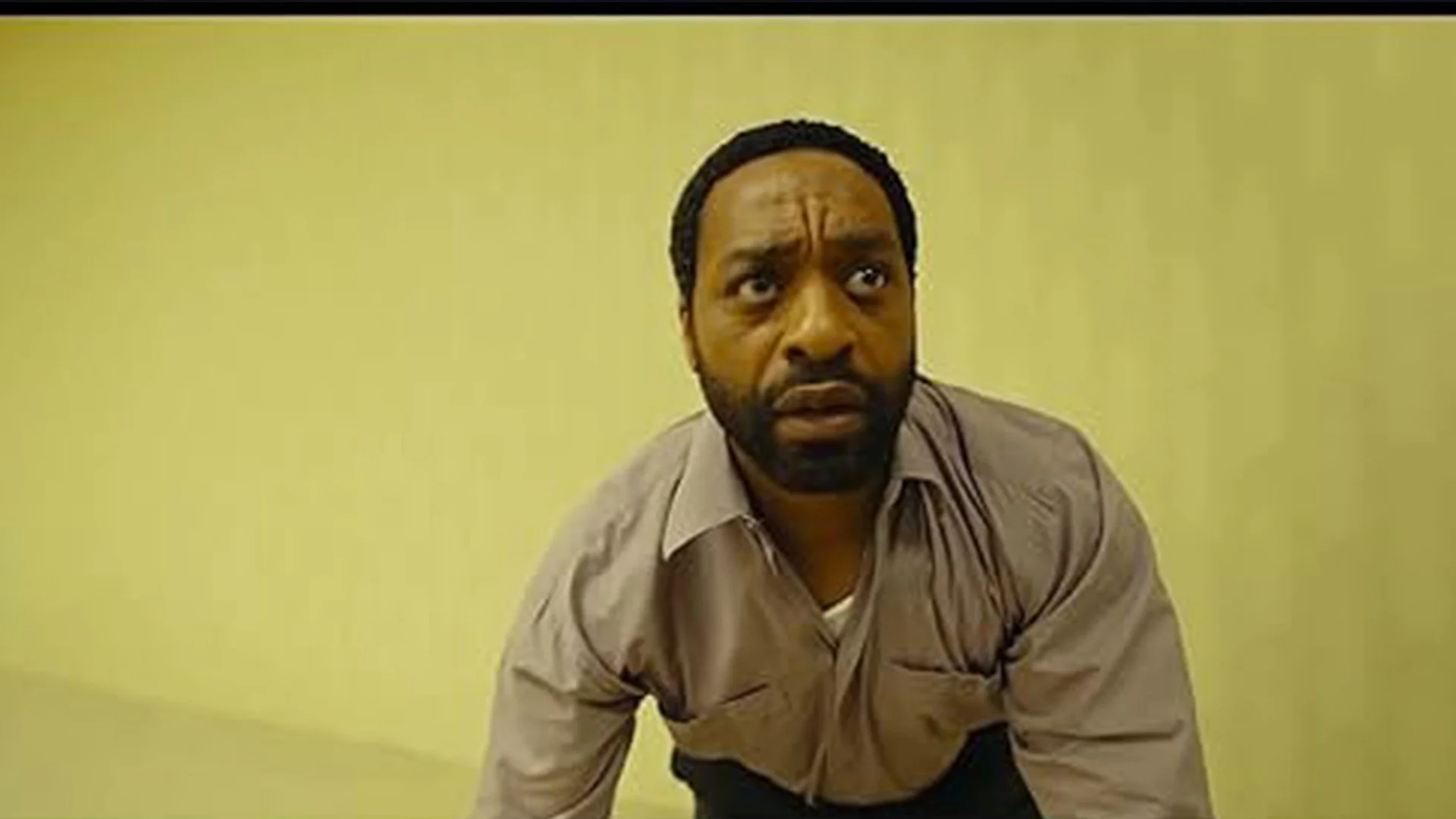
Renate Reinsve is an absolute standout as Dr. Mary. Serving as the audience's anchor to reality, she brings emotional precision and quiet restraint to her scenes, transforming simple dialogue into high-stakes dramatic tension. Together with a solid documentary-adjacent turn from Finn Bennett, the ensemble keeps the film from feeling like a mere technical demo.
The Verdict: Atmospheric Triumph with a Fractured Finale
For a film exploring themes of sensory deprivation, obsessive loops, and existential loneliness, Back Rooms works magnificently as an atmosphere-first piece of analog horror.
However, it stumbles just short of perfection in its final act. The Back Rooms are scariest when they feel utterly unknowable. Unfortunately, the narrative leans a bit too heavily on exposition and conventional horror mechanics toward the end, answering questions the script was better off leaving completely alone. Furthermore, the glacial pacing and emphasis on mood over explosive scares will undoubtedly alienate viewers looking for a quick thrill.
Ultimately, Back Rooms is less about a haunted house and more about what we carry into the maze. It’s a haunting, beautifully claustrophobic nightmare about the patterns inside us that we can never quite outrun.
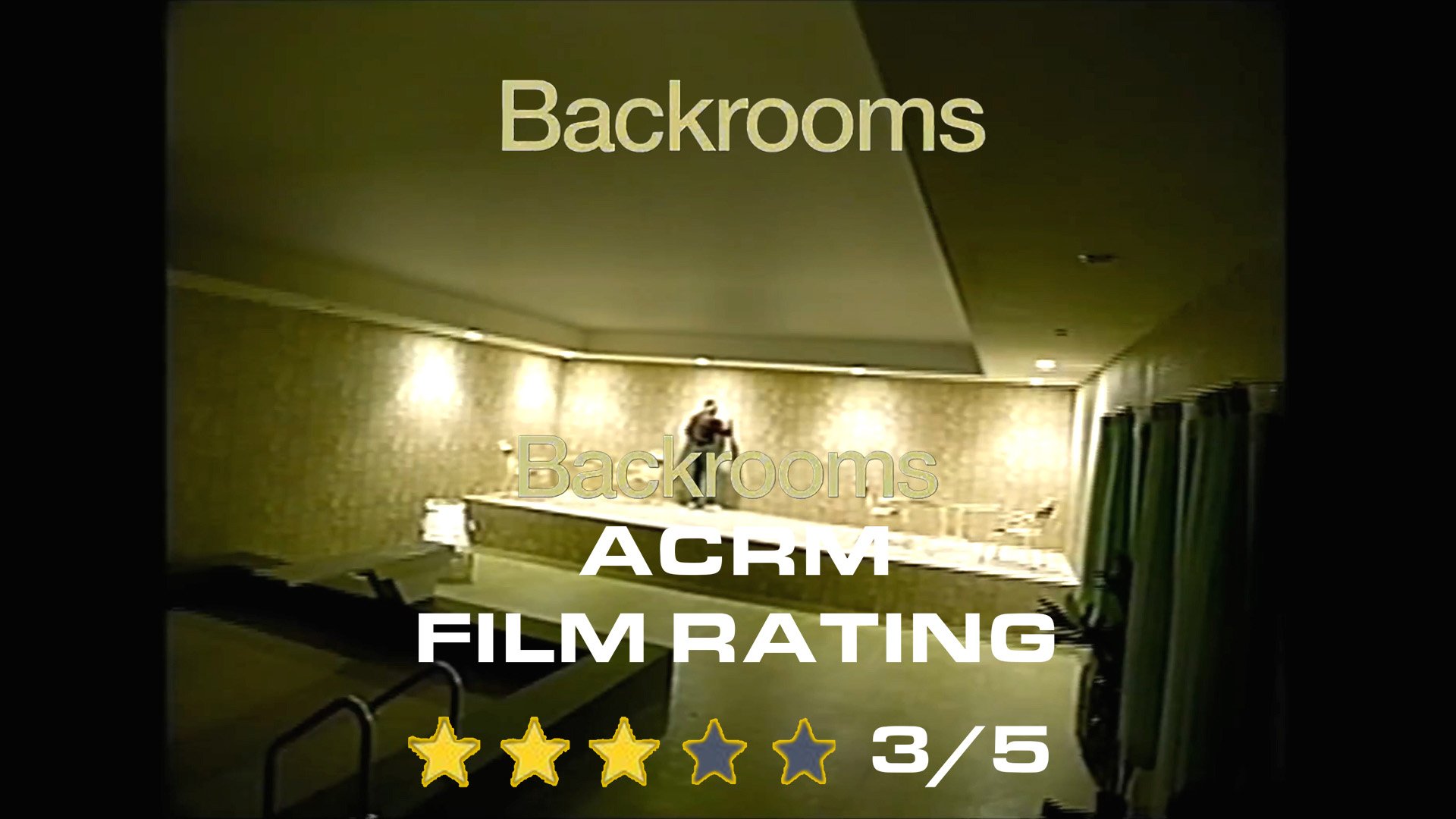
Score: 3 out of 5 Stars
SEE IT IF: You love slow-burn A24 horror, liminal aesthetics, immaculate sound design, and movies that make ordinary spaces feel intensely hostile.
SKIP IT IF: You need rapid pacing, constant jump-scares, explicit rulebooks for your movie monsters, or suffer from severe claustrophobia.
No post-credits scene to wait for on this one—when the screen cuts to black, you're free to head out.
