What If What Makes You Brilliant Is Also What’s Destroying You?
That is the terrifying question at the core of Tuner, a masterfully restrained crime thriller that plays out like an insidious psychological horror. Directed by Oscar-winner Daniel Roher (Navalny), this film proves that a movie doesn’t need massive explosion set-pieces or supernatural jump scares to keep you completely paralyzed in your seat. Sometimes, all it takes is the sound of a dropped fork.

Here is our non-spoiler breakdown of why Tuner is a genre-blurring sensory experience that absolutely demands your attention.
The Plot: The Gift and The Curse
Tuner follows Niki White (played with incredible internal weight by Leo Woodall), a former piano prodigy whose trajectory was brutally derailed by hyperacusis—a debilitating neurological condition that transforms everyday environmental sounds into literal physical pain. For Niki, a crowded room is a war zone, a dropped utensil hits like a gunshot, and silence isn’t just comforting; it’s a tool for basic survival.

Trying to maintain a quiet, strictly controlled existence in New York City, Niki works tuning pianos under the protective wing of his mentor, Harry Horowitz (Dustin Hoffman). Harry represents warmth, stability, and the final thread tying Niki to a life built around music rather than fear.
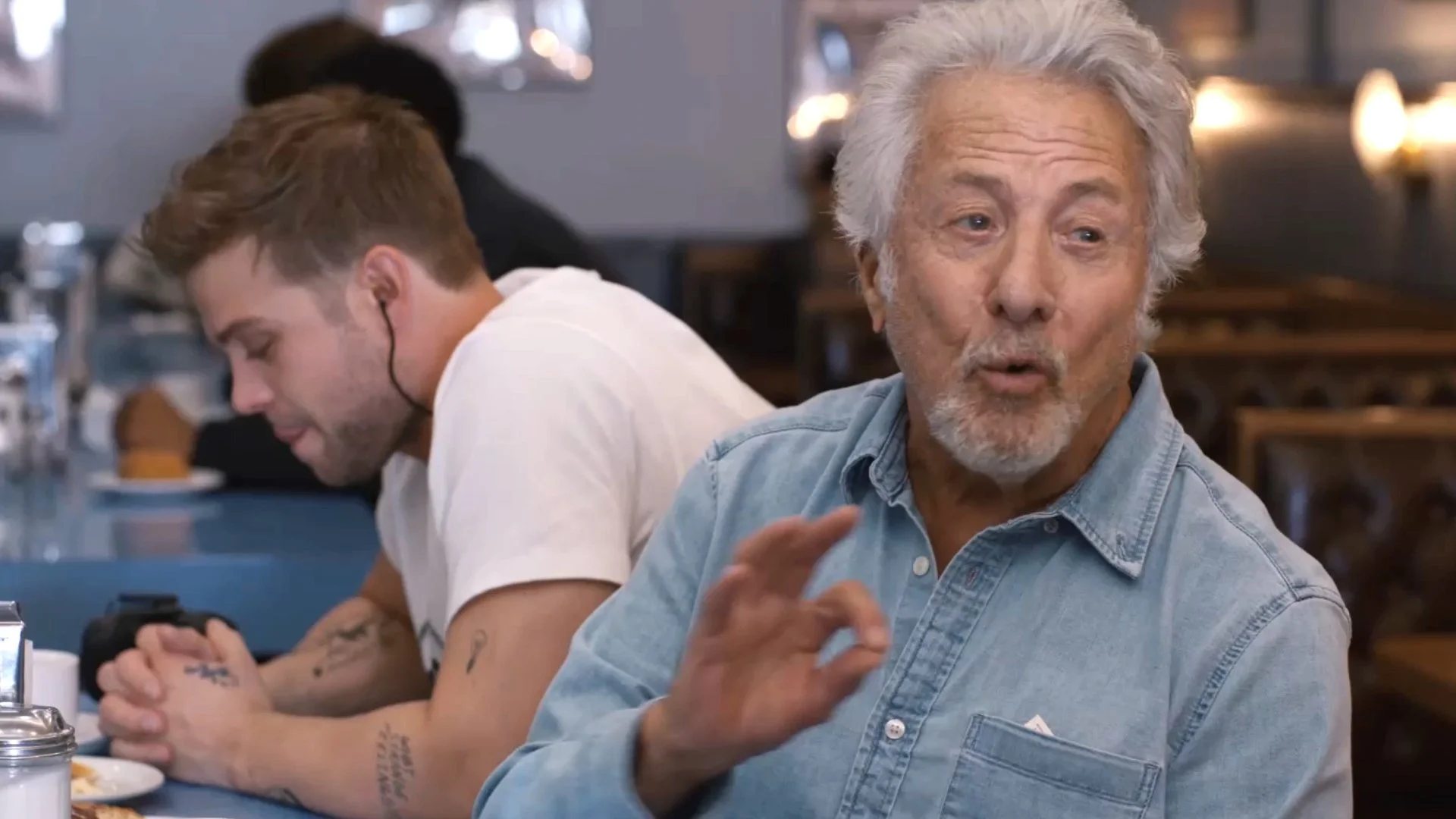
But Niki's condition has a dangerous flip side. His hyper-acute hearing allows him to read the microscopic internal mechanics of high-security safes. The exact sensory precision that made him a musical prodigy morphs him into the ultimate human lockpick.
This terrifyingly unique talent pulls Niki straight into the orbit of Uri (Lior Raz), a ruthless, calculating security operator who doesn't see Niki as a person, but as a weaponized tool.
Sound Design as Auditory Horror
If you look at the surface, Tuner frames itself as a character-driven crime drama. Niki begins a tentative, beautifully open romance with Ruthie (Havana Rose Liu), an ambitious composer who stands for normalcy and a healthy future outside his isolated bubble. Meanwhile, his deep bond with Harry keeps the movie grounded in real human stakes.
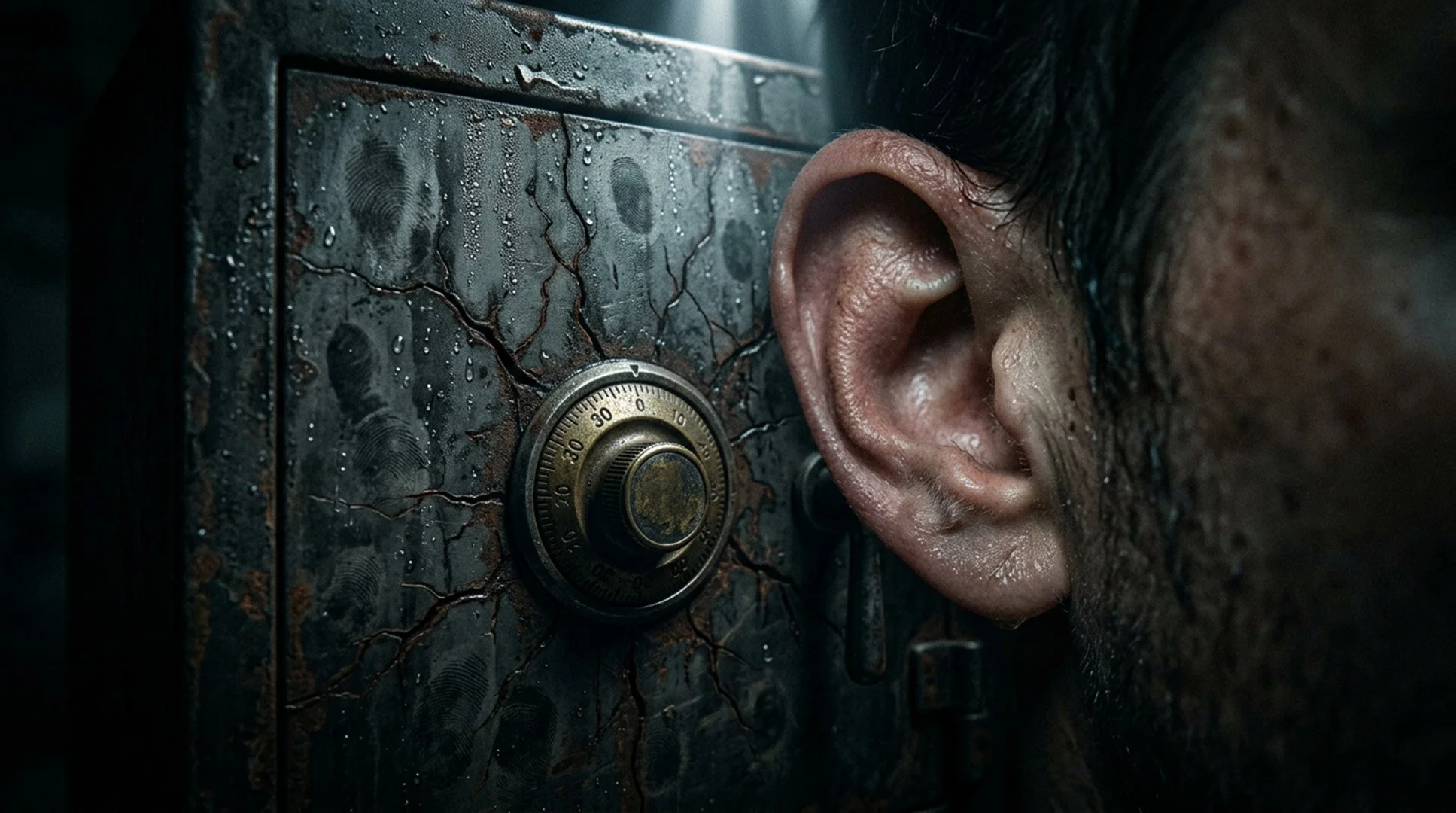
But beneath that ordinary thriller framework, Daniel Roher pulls us down into a visceral nightmare.
The Body as a Battleground: The real suspense isn't just "will Niki get caught by the cops?" It’s a question of physical endurance. We watch Niki weather devastating migraines, sensory distortion, and total physical disorientation as environments shift from quiet piano showrooms to chaotic, echoing target spaces where sound cannot be managed.
Anticipation Over Action: The movie operates on a brilliant layer of tension where you hear threats before you see them. Silence never feels safe because the audio track treats every sudden spike in sound like a weapon.
The Crypto Escalation: What starts as quiet, calculated, minor thefts slowly snowballs into high-stakes operations involving millions in cryptocurrency and criminals who don’t leave room for errors.
Stellar Performances in the "Gray Area"
What truly elevates Tuner is its casting and its tight script, co-written by Robert Ramsey. The screenplay brilliantly explores how ordinary people rationalize bad decisions when they are trapped by circumstance. Because Harry’s health takes a sudden, devastating hit, the audience completely understands why Niki keeps compromising his morality—even as we watch it erode his identity in real-time.
Leo Woodall (Niki White)
Fresh off The White Lotus and One Day, Woodall turns in an exceptionally grounded performance. He channels a modern-day Jimmy Stewart type—carrying that soft, slightly awkward smile while processing a profound internal sadness. He communicates everything through heavy silence and observation rather than dramatic outbursts.

Havana Rose Liu as Ruthie: The Light in the Noise
Havana Rose Liu continues to build an impressive reputation for delivering effortlessly natural, emotionally open performances, and Tuner is no exception. Following standout roles in Bottoms and No Exit, Liu brings a vital warmth and grounded humanity to the film as Ruthie, an ambitious composer. Her screen presence acts as a beautiful, necessary counterbalance to the suffocating tension and isolation that constantly threatens to overwhelm Niki.
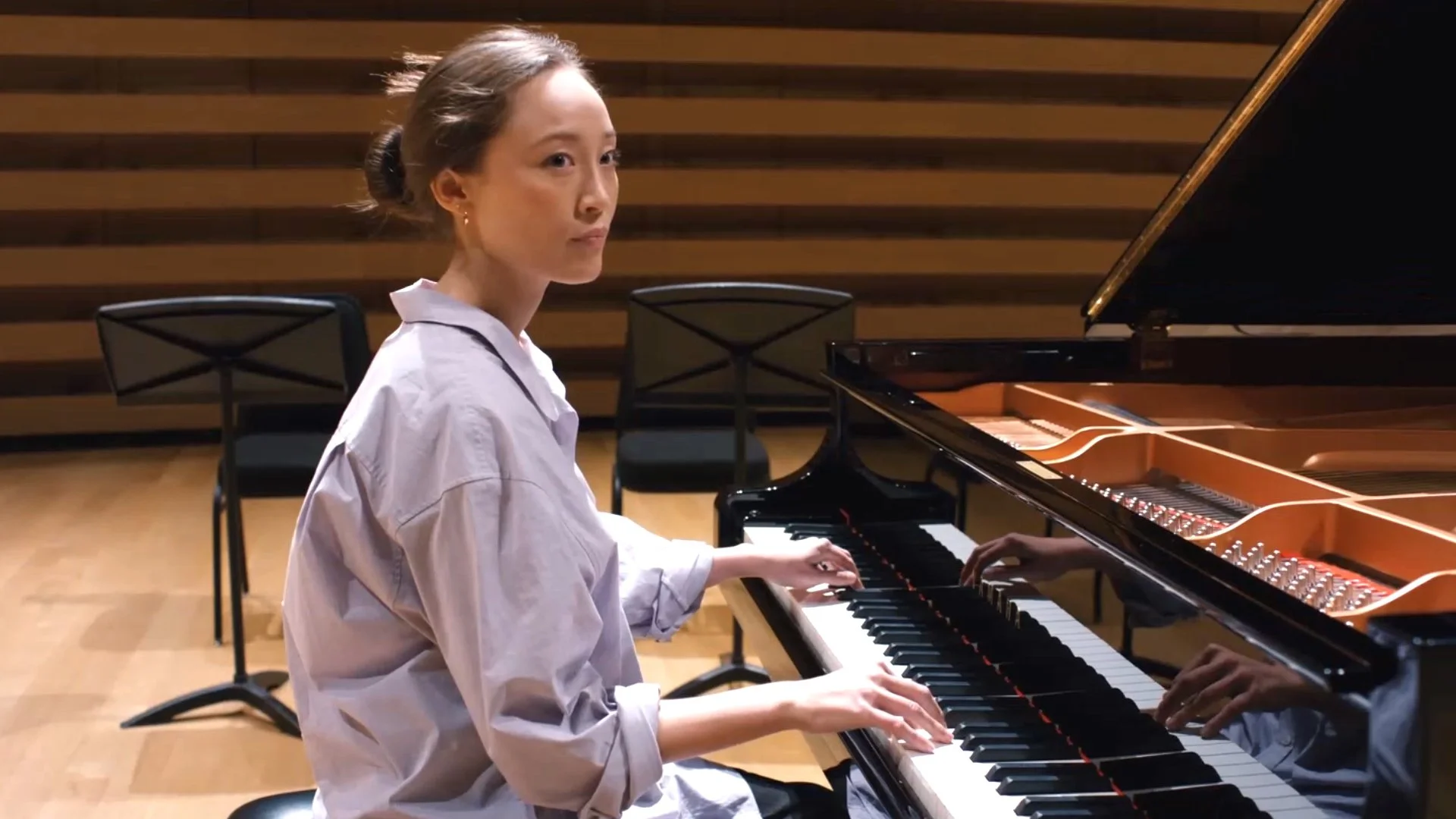
What makes the writing and Liu's performance so effective is that Ruthie completely avoids the pitfalls of a conventional, superficial romantic subplot. Instead, she represents:
Spontaneity and Normalcy: Ruthie is a living reminder of what an emotionally healthy life could look like outside of Niki's hyper-controlled environment.
The Weight of the Lie: Because she genuinely believes in Niki, her presence makes every moral compromise and deception he commits feel exponentially heavier. Niki increasingly finds himself trapped in the painful friction between who Ruthie believes he is and who he is actually becoming.
A Patient Chemistry: Rather than relying on forced melodrama, Liu plays the relationship with a quiet curiosity and patience. She slowly pulls Niki out from behind the emotional distance he uses to shield himself from the world.
If there is any minor critique to be found, it’s that their relationship is so compelling you may find yourself wishing the screenplay expanded their scenes even further, as they provide the true emotional heart of the film. Ruthie gives Niki a powerful reason to keep his life moving forward—and a reason for existing that stretches far beyond his cycle of guilt.
Dustin Hoffman (Harry Horowitz)
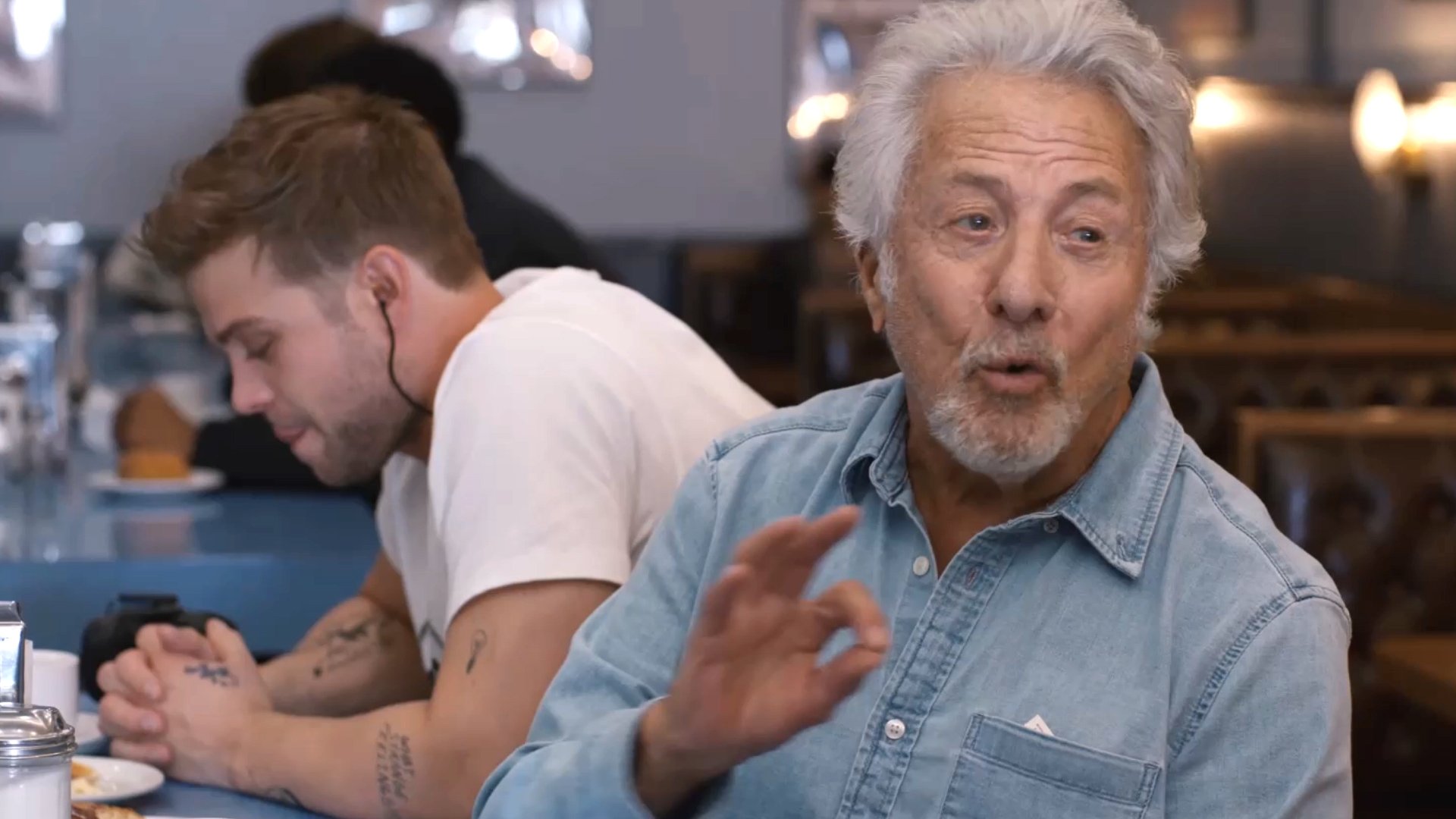
Hoffman serves as the vital emotional anchor of the film. He avoids playing Harry as a sentimental cliché; instead, he feels entirely lived-in, warm, and wonderfully stubborn. When his health fractures, the moral structure of Niki’s entire world begins to collapse with it.
Lior Raz (Uri)
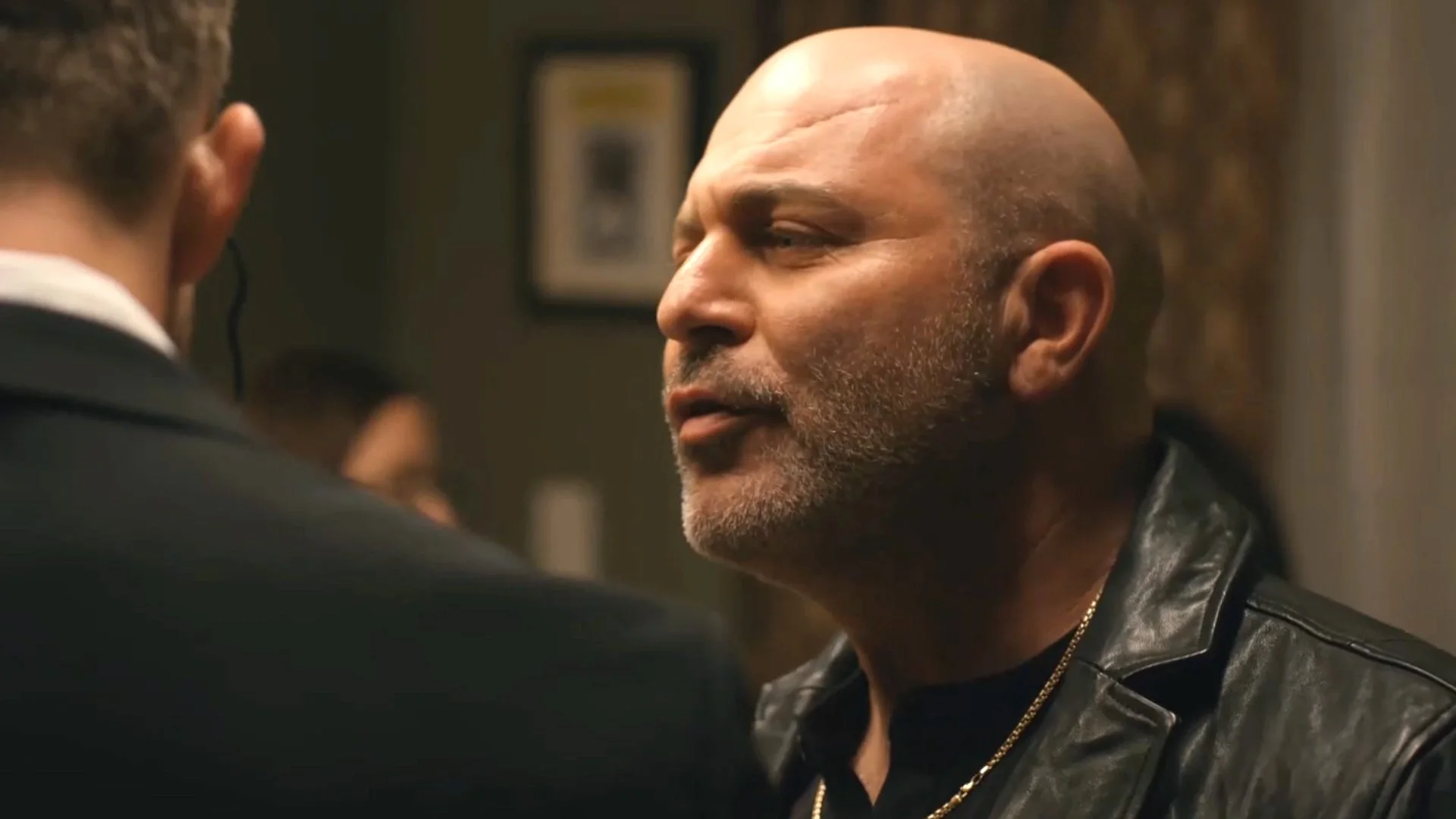
The Fauda co-creator brings a terrifying, casual realism to the antagonist role. Uri isn't a cartoonish villain; he’s a pragmatist who normalizes unethical behavior by treating grand larceny like an ordinary business transaction. His detached certainty acts as a brilliant foil to Niki’s mounting internal guilt.
The Critical Verdict
ACRM Rating: 4 / 5 Stars
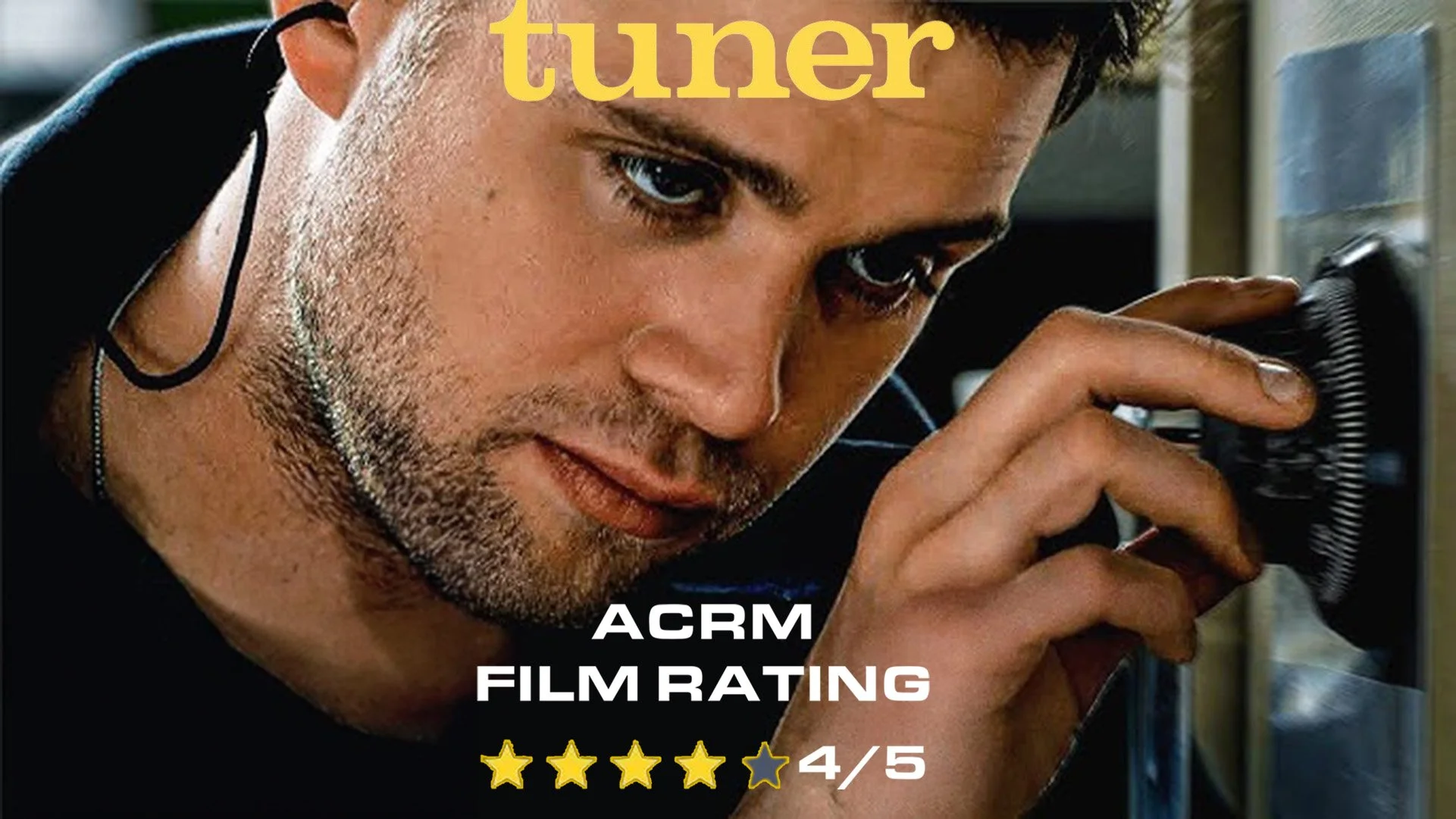
Tuner is a phenomenal piece of cinema that fully deserves your time and praise. It currently sits with a strong Rotten Tomatoes score in the low nineties, though Metacritic sits closer to the upper sixties.
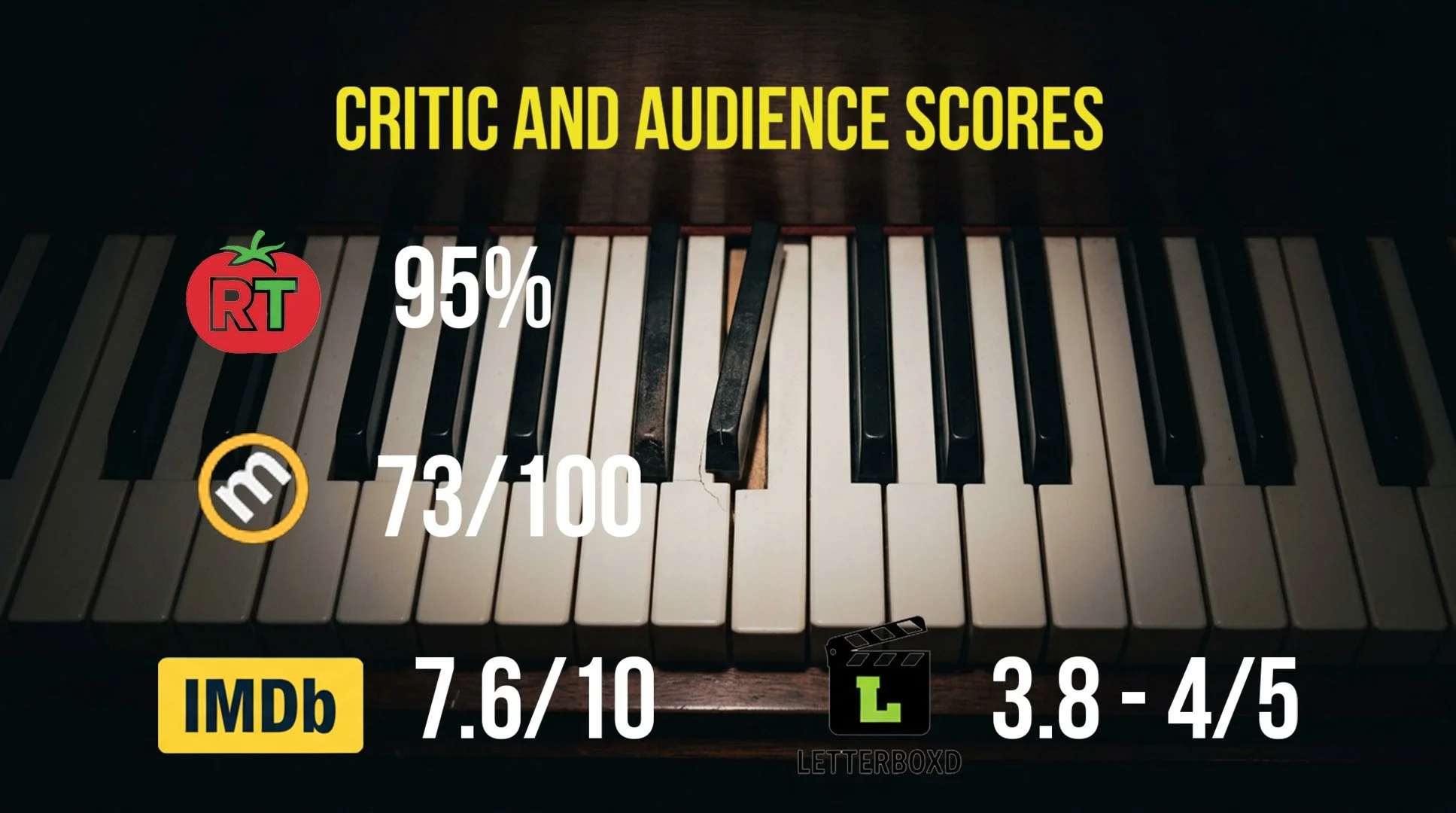
That split makes total sense based on expectations. If you go into this theater expecting an action-packed, fast-paced heist movie, you won’t find it. But if you approach it as a quiet, atmospheric character study dealing with psychological isolation, moral compromise, and sensory terror, it will completely blow you away. It is sadder, more human, and far more gray than your standard Hollywood thriller.
