Digital Slop: The Shocking Truth Behind 7 Harmful Online Trends You Must Avoid
Robb | A Constantly Racing Mind
The internet is overflowing with content. Every day, millions of videos, blog posts, social media updates, and AI-generated images are uploaded. But not all content is created equal. A growing term used to describe this flood of low-quality material is Digital Slop.
Digital Slop refers to mass-produced, low-effort, often AI-generated content designed to attract clicks, views, and ad revenue rather than provide real value. While technology has made content creation easier than ever, it has also opened the door to spammy, repetitive, and misleading material.
So what exactly is Digital Slop? Why is it spreading so fast? And how can you protect yourself from it? Let’s break it down.
What Is Digital Slop?
Digital Slop describes online content that lacks originality, depth, or accuracy. It’s often created quickly and published in large volumes to manipulate algorithms or generate passive income.
Origins of the Term
The phrase “Digital Slop” gained popularity during the rise of generative AI tools and automated content farms. As platforms like OpenAI and other AI developers made text and image generation easier, the internet saw an explosion of auto-generated content.
While AI is powerful and useful, some creators began using it irresponsibly—producing content without editing, fact-checking, or adding human insight.

Key Characteristics of Digital Slop
Here’s how you can recognize Digital Slop:
Repetitive phrases and generic wording
No clear author expertise
Clickbait headlines with little substance
AI-generated images with strange details
Shallow information without sources
High posting frequency with low quality
In short, Digital Slop is content made for algorithms, not humans.
The Rise of Digital Slop in the AI Era
The explosion of AI tools changed everything. Platforms such as Google and Meta reward engagement. More clicks mean more revenue. That incentive system created fertile ground for Digital Slop.
Automation and Content Farms
Content farms are websites that produce massive amounts of articles daily. Instead of hiring experts, they rely on automated systems to generate content quickly.
This approach reduces cost but also reduces quality.

Social Media Amplification
On platforms like TikTok and YouTube, short-form viral content spreads rapidly. Many accounts repost recycled clips, AI voiceovers, and misleading thumbnails.
The result? Millions of views for content that offers little educational or entertainment value.
7 Harmful Effects of Digital Slop
Digital Slop may seem harmless at first glance, but it has serious consequences.
1. Misinformation Spread
Low-quality AI content often includes factual errors. Without human review, mistakes multiply quickly.
2. Reduced Trust Online
When users constantly encounter misleading or shallow content, trust in online information decreases.
3. SEO Pollution
Search engines struggle to filter out spam. This makes it harder for high-quality creators to rank.
4. Creativity Decline
When creators copy trends or rely entirely on automation, originality suffers.
5. Mental Fatigue
Scrolling through endless low-value content can be mentally draining.
6. Monetization Exploitation
Some creators use Digital Slop purely for ad revenue without caring about audience experience.
7. Ethical Concerns
Using AI without transparency raises moral questions about authenticity and ownership.

How Search Engines Are Fighting Digital Slop
Search engines are not standing still. They are developing smarter systems to detect spammy content.
Algorithm Updates
Companies like Google regularly update algorithms to prioritize helpful, authoritative content.
You can read more about Google’s guidelines here:
https://developers.google.com/search/docs/fundamentals/creating-helpful-content
E-E-A-T Standards
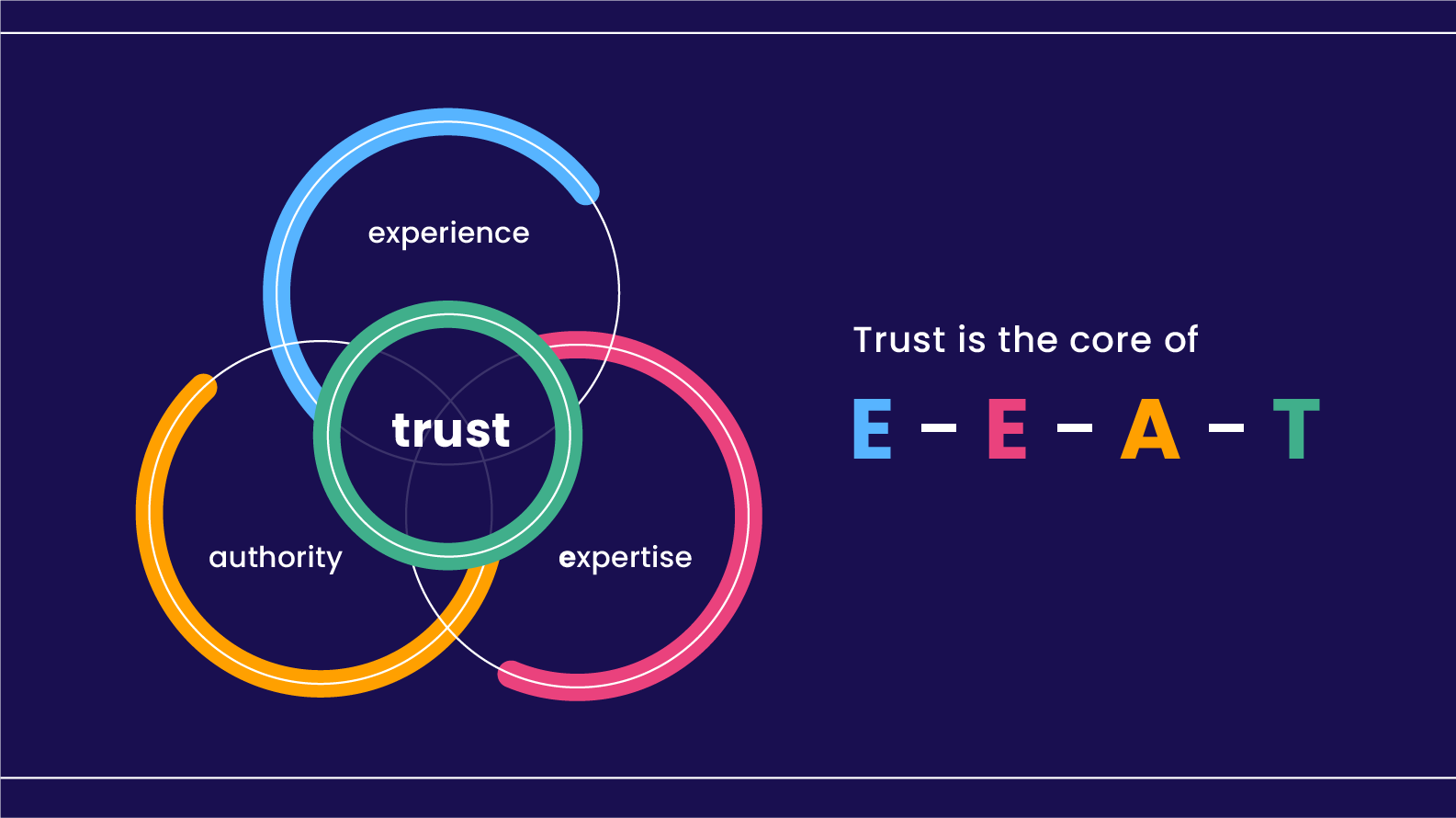
Search engines emphasize Experience, Expertise, Authority, and Trustworthiness (E-E-A-T). Content that demonstrates real-world knowledge performs better.
Digital Slop usually fails these standards.
The Difference Between AI-Assisted Content and Digital Slop
It’s important to clarify something: AI itself is not the problem.
Responsible creators use AI as a tool—not a replacement for thought.
The difference lies in intent and effort.
How to Avoid Creating Digital Slop
If you’re a content creator, here’s how to stay on the right side:
1. Add Personal Insight
Share experiences and original examples.
2. Fact-Check Everything
Never publish unverified information.
3. Edit Thoroughly
AI drafts are starting points, not final products.
4. Prioritize Value Over Volume
One great article beats ten shallow ones.
5. Be Transparent
Let readers know how you use AI tools.

How Consumers Can Protect Themselves
As a reader, you also have power.
Verify sources
Check author credentials
Avoid obvious clickbait
Compare multiple sources
Support quality creators
Critical thinking is your best defense.
The Future of Digital Slop
Will Digital Slop disappear? Probably not. But it will evolve.
Technology keeps improving. AI detection systems will get smarter. Audiences will demand better quality.
Creators who focus on authenticity will win in the long run.
Ethical AI: The Way Forward
Companies and platforms are working toward responsible AI development. Organizations like OpenAI emphasize safety and ethical guidelines.
The future depends on how humans choose to use these tools.
AI can empower creativity—or flood the web with noise.
The choice is ours.
Frequently Asked Questions (FAQs)
1. What does Digital Slop mean?
Digital Slop refers to low-quality, mass-produced online content created mainly for clicks or ad revenue.
2. Is AI responsible for Digital Slop?
AI tools contribute to it, but human misuse is the real issue.
3. How can I identify Digital Slop?
Look for repetitive language, no clear sources, and shallow information.
4. Does Digital Slop hurt SEO?
Yes. It clutters search results and makes ranking harder for quality content.
5. Can AI be used ethically?
Absolutely. When combined with human editing and expertise, AI enhances productivity.
6. Will search engines eliminate Digital Slop?
They are working on it, but complete elimination is unlikely.
Conclusion: Choosing Quality Over Quantity
Digital Slop is a growing issue in today’s digital landscape. While technology has made content creation easier, it has also lowered the barrier to publishing low-quality material.
The solution isn’t to reject AI—it’s to use it responsibly.
Creators must focus on value. Readers must stay critical. Platforms must refine their algorithms.
If we work together, the internet can remain a space for knowledge, creativity, and authentic connection.
Digital Slop may be trending—but quality will always stand the test of time.
📚 Citations Supporting the Article Content
1️⃣ Google’s Helpful Content & E-E-A-T Guidelines
Supports claims about:
Search engines fighting low-quality content
E-E-A-T (Experience, Expertise, Authority, Trustworthiness)
Algorithm updates prioritizing helpful content
Source:
Google Search Central. Creating Helpful, Reliable, People-First Content.
https://developers.google.com/search/docs/fundamentals/creating-helpful-content
Google explicitly states that content should demonstrate experience and expertise and avoid being created “primarily for search engines.”
2️⃣ Google Search Quality Rater Guidelines
Supports claims about:
E-E-A-T framework
Evaluating content quality
Misinformation and trust signals
Source:
Google. Search Quality Evaluator Guidelines.
https://developers.google.com/search/blog/2022/12/google-raters-guidelines-e-e-a-t
This document explains how quality raters assess trustworthiness and expertise.
3️⃣ Stanford Study on Misinformation & Digital Literacy
Supports claims about:
Misinformation spread
Reduced online trust
Difficulty identifying low-quality sources
Source:
Stanford History Education Group (2016, ongoing updates).
Evaluating Information: The Cornerstone of Civic Online Reasoning.
https://sheg.stanford.edu/research/civic-online-reasoning
The study found that many users struggle to distinguish between credible and misleading online content.
4️⃣ MIT Study on False News Spread
Supports claims about:
Viral misinformation
Social media amplification
Speed of low-quality content spread
Source:
Vosoughi, Roy, & Aral (2018).
The spread of true and false news online. Science.
https://www.science.org/doi/10.1126/science.aap9559
This peer-reviewed study found false news spreads significantly faster than true news on social platforms.
5️⃣ World Economic Forum – AI & Ethical Concerns
Supports claims about:
Responsible AI use
Ethical implications of generative AI
Automation risks
Source:
World Economic Forum. Artificial Intelligence and the Future of Work.
https://www.weforum.org
The WEF discusses ethical AI governance and content automation concerns.
6️⃣ OpenAI – AI Safety & Responsible Use
Supports claims about:
Ethical AI development
Safety guidelines
Responsible deployment
Source:
OpenAI. Our Approach to AI Safety.
https://openai.com/safety
Outlines safety research and risk mitigation in generative AI systems.
7️⃣ Pew Research Center – Trust & Information Overload
Supports claims about:
Digital fatigue
Online trust decline
Information overload
Source:
Pew Research Center. Americans and Digital Knowledge.
https://www.pewresearch.org
Pew regularly reports on digital trust, misinformation, and online behavior.
