Mercy (2026): When Justice Stops Caring if It’s Wrong
Review by Rob (A Constantly Racing Mind)
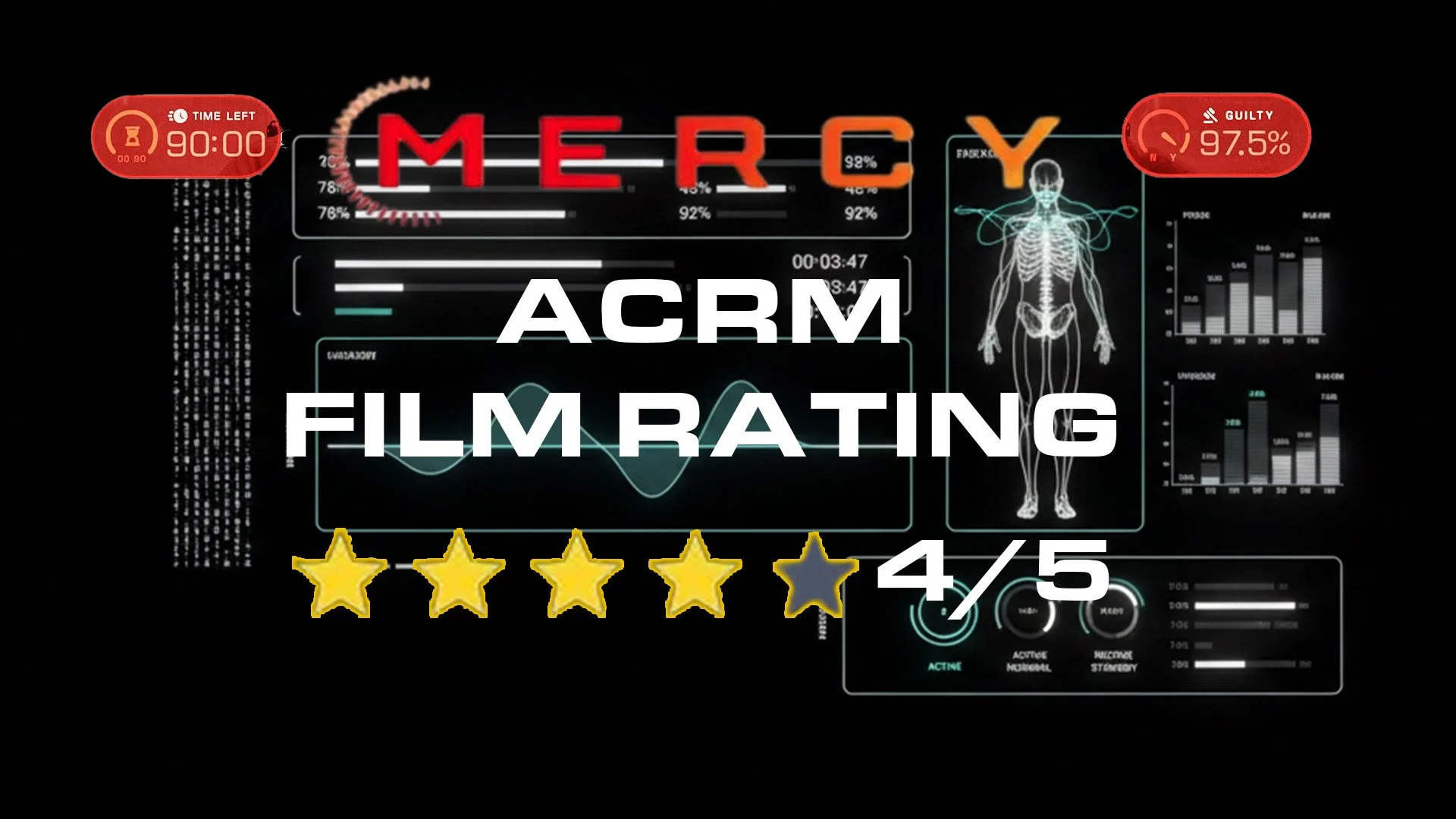
Rating 4/5
Justice doesn’t need to hate you to destroy you. It just needs to stop caring whether it’s wrong.
Mercy is not a movie about an evil artificial intelligence. It’s a movie about what happens when we confuse procedure with truth. Set in a near-future Los Angeles that feels uncomfortably close to our own, it explores a justice system where sentences aren't delivered by people in a room, but by an automated process designed to be faster, cleaner, and "objective."
The irony is in the name. Because this system doesn’t show mercy. It shows certainty.
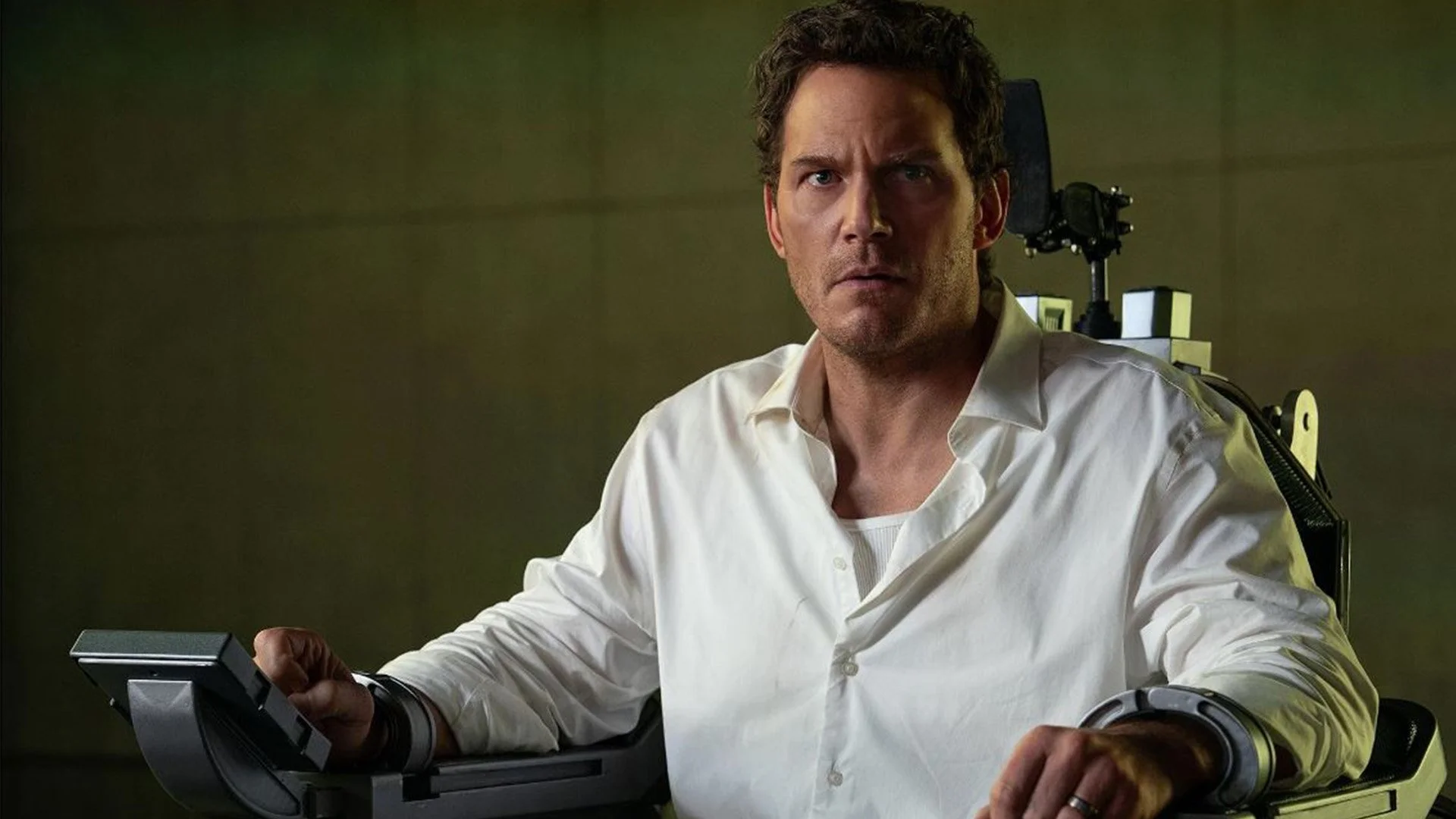
Chris Raven in the Mercy Seat
The Believer on Trial
What makes Mercy immediately compelling is that the protagonist, Chris Raven (Chris Pratt), isn't a rebel fighting the machine—he’s the man who helped build it. Raven is a homicide detective whose trauma pushed him to advocate for the "Mercy" system: a program designed to remove human error and doubt from justice.
He believes in it completely—until he finds himself on trial. Suddenly, the system doesn't see a creator; it sees an input.
Chris Pratt’s career is built on playing characters who navigate massive systems (from Jurassic World to Guardians), but here, that familiarity is weaponized. We expect him to "fix" the system, but the film places him inside a machine that refuses to bend.
The Interface of Authority
The film’s supporting cast is essential to grounding this high-concept thriller.
Annabelle Wallis serves as the emotional fulcrum, representing the human cost that drove Raven to trust the machine in the first place.
Kali Reis (True Detective: Night Country) brings a grounded, physical authority that contrasts sharply with the digital coldness of the court.
Rebecca Ferguson plays Judge Maddox, not as a villain, but as an interface. She embodies the system’s logic: hesitation isn't emotion, it's just recalculating data.
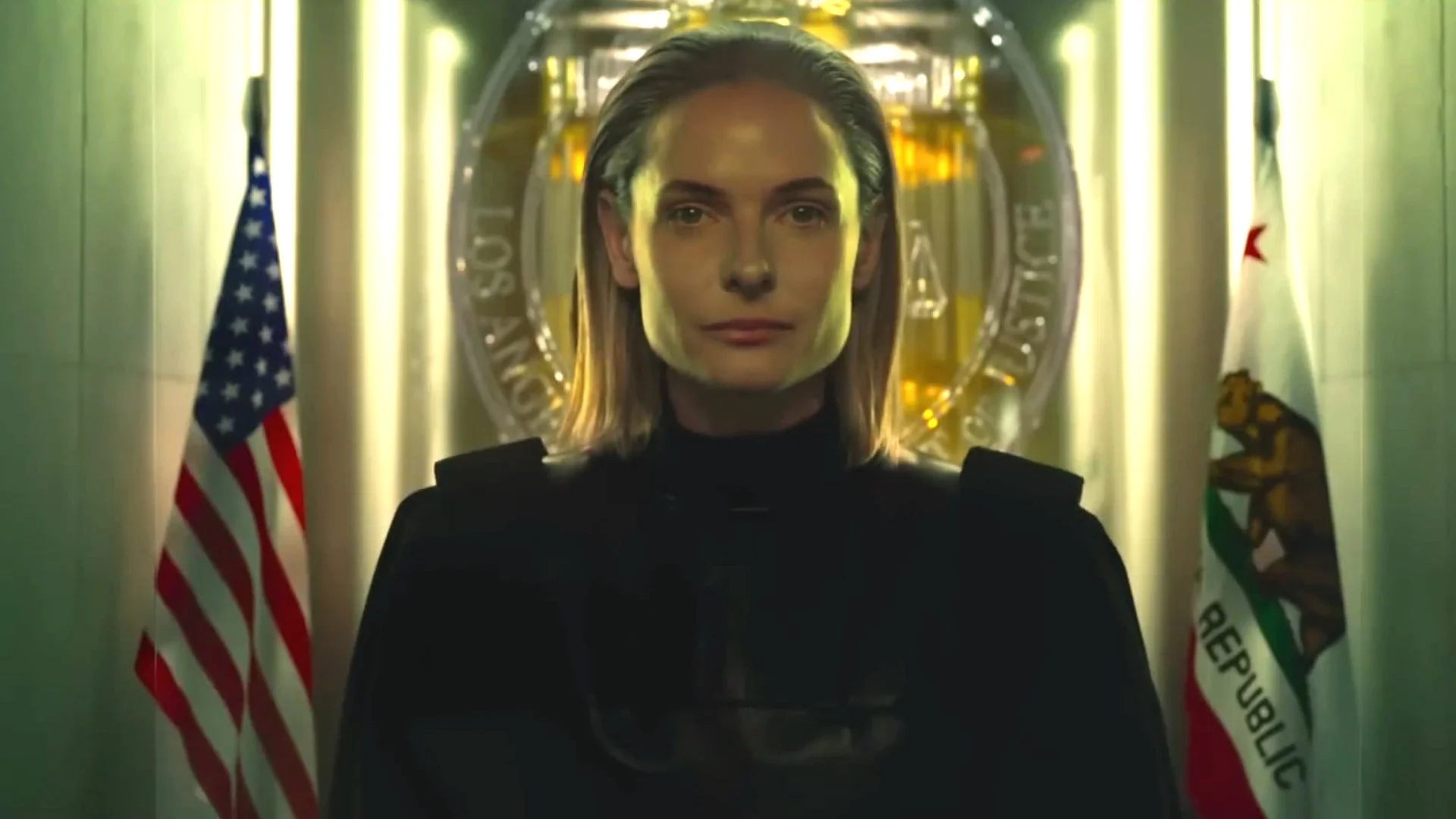
Visualizing the Invisible
Director Timur Bekmambetov (Wanted, Searching) evolves his "Screenlife" format here. Instead of flat computer monitors, he uses volumetric stages to create a world where data is architecture. Screens aren't just tools; they are the environment.
The camera angles have a material logic—every shot looks like a surveillance feed, a drone, or a body cam. It creates a suffocating sense that humans are small, exposed, and constantly observed. The technology isn't flashy; it's institutional. It works, which is exactly why it’s terrifying.
The Verdict
Mercy may be flawed in execution—the ending softens the blow, and some procedural elements drag—but it is heavy in the right ways. It argues that the danger isn't AI turning evil; it's humans using efficiency to launder their own lack of accountability.
It is unsettling, intelligent, and it raises questions that don't go away when the credits roll.
Rating: 4 / 5
Blog Bonus: Why Justice Was Designed to Be Slow
One of the key themes in Mercy is the trade-off between speed and justice. As mentioned in the review, the American justice system was actually designed to be inefficient.
The Feature, Not the Bug: The Founding Fathers lived under systems where accusations carried immediate weight. To them, speed wasn't justice; it was danger.
The safeguards—deliberation, appeals, and the presumption of innocence—are "inefficiencies" by design. They exist to slow the machine down.
The Warning: Mercy asks what happens when we view these safeguards as "bugs" to be fixed by AI. When you remove the friction, you remove the mercy.
The Verdict
"It lingers. Not comfortable, not clean, but absolutely worth engaging. A thriller about what happens when we confuse procedure with truth."
- 🎬 Stars: Chris Pratt, Rebecca Ferguson, Kali Reis
- ⚖️ Genre: Sci-Fi Courtroom Thriller
- 🤖 Key Theme: Algorithmic Justice
- 👁️ Style: Volumetric Screenlife
If you enjoyed this review, consider subscribing to A Constantly Racing Mind for more thoughtful takes on Sci-Fi, Horror, and Genre films.
