The Challenger Disaster: When Science Fiction Met Hard Reality
I grew up during the "Space Age" optimism of the 60s and 70s, the Challenger disaster on January 28, 1986, wasn't just a national tragedy—it was a profound "shattering of the glass."
When you are raised on a diet of NASA's successes and the futuristic promises of sci-fi, spaceflight feels like an inevitable upward climb. To see it fail so publicly, and so tragically, changed our collective "Racing Mind" from wondering when we would be living on Mars to realizing just how hostile the vacuum of space truly is.
This isn't just a history lesson; it's a look at the psychological shift of a generation.
The Optimism of the 70s: We were coming off the highs of the Apollo missions and the bionic fantasies of Steve Austin. Space was the "Final Frontier," and we were its heirs.
The 1986 Pivot: The Challenger proved that we were still in the "experimental" phase of humanity's journey. It was a reminder that behind every sci-fi dream is a fragile machine subject to the laws of physics and the limitations of human engineering.
The Impact on Sci-Fi: After 1986, we saw a shift in geek culture. Sci-fi began to lean more into "Hard Sci-Fi" and gritty realism. We stopped dreaming of easy warp drives and started looking at the technical, dangerous reality of survival in the stars.
A Special Tribute: The Challenger Disaster
The affected me personally, So, I put together a respectful, informational layout that honors both the history and the impact it had on the sci-fi community.
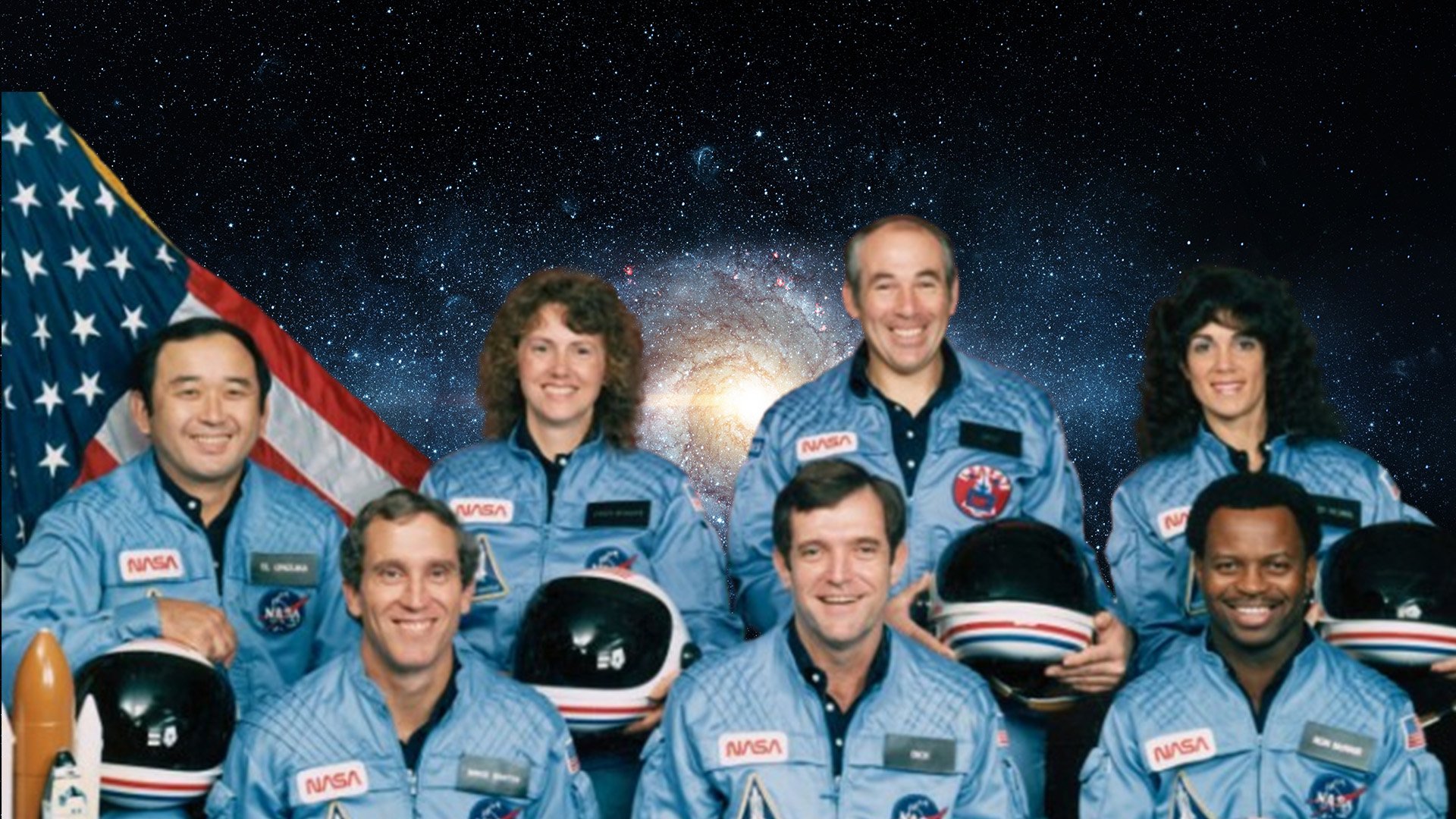
"We will never forget them, nor the last time we saw them, this morning, as they prepared for their journey and waved goodbye and 'slipped the surly bonds of earth' to 'touch the face of God.'" ~ Ronald Reagan
Mission Profile: STS-51-L (The Challenger)
On January 28, 1986, the dream of "normalized" spaceflight met a tragic reality. For a generation raised on the bionic promises of the 70s and the optimistic vistas of sci-fi, this event served as a sobering reminder of the stakes involved in reaching for the stars.
| Mission Date | January 28, 1986 (73 Seconds into Flight) |
| The Crew | Scobee, Smith, Resnik, Onizuka, McNair, Jarvis, McAuliffe |
| The Technical Failure | O-ring seal failure in the right Solid Rocket Booster (SRB) due to cold temperatures. |
| The Cultural Impact | A 32-month hiatus for the Shuttle program and a fundamental shift in NASA's safety protocols. |
