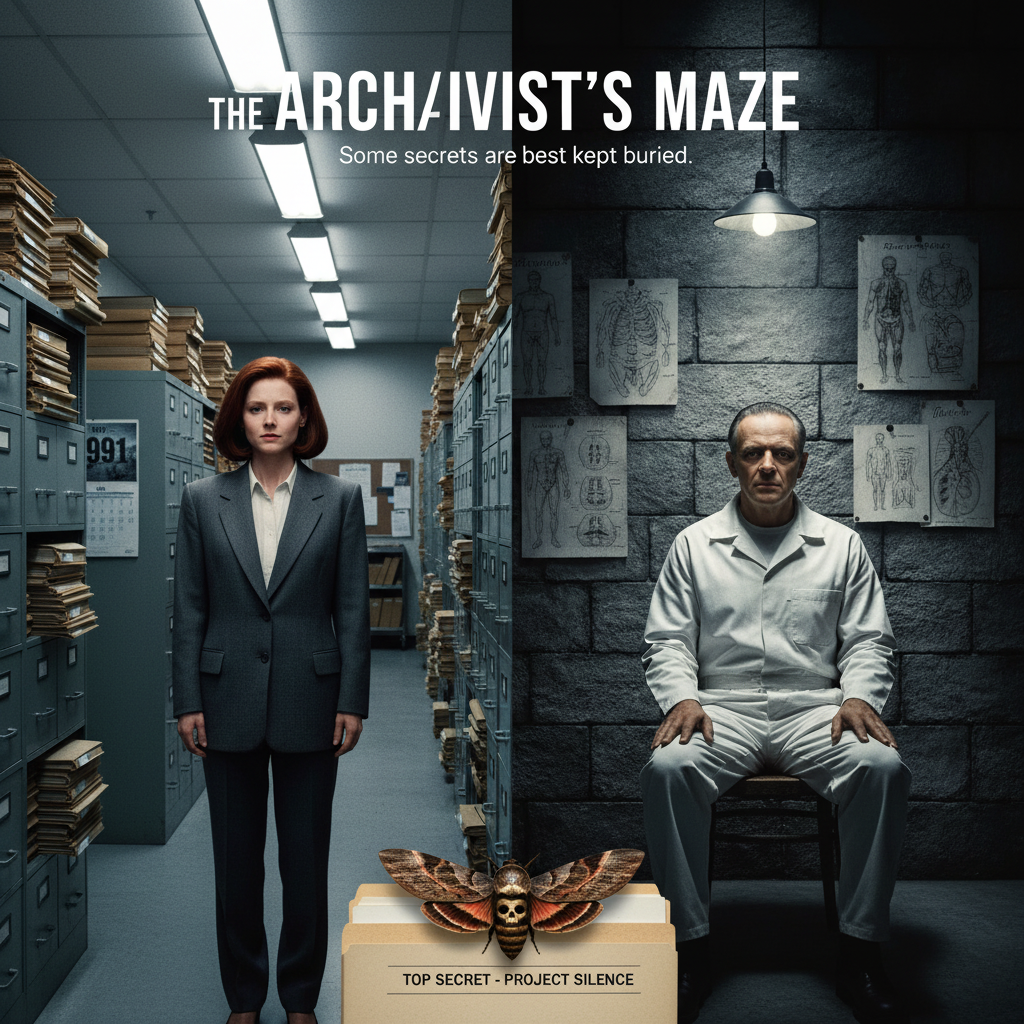
35th Anniversary Breakdown: The Bureaucracy of Evil
The Professionalism of Clarice Starling: Unlike typical "Final Girls," Clarice survives because of her training. She represents the "Racing Mind" that remains analytical under extreme pressure.
The Institution as a Monster: Dr. Chilton and the Baltimore State Hospital represent the "Institutional" failure—where the person meant to contain the monster is arguably just as predatory, albeit in a bureaucratic way.
The Quid Pro Quo: The film’s philosophy is built on the exchange of information. It treats the human psyche like a cold case file that needs to be "Administrative"ly organized.
The Eternal Return: Why Pop Culture is Obsessed with Repeating Itself
"All of this has happened before, and all of this will happen again."
If you’re a fan of the re-imagined Battlestar Galactica, that line probably sends a chill down your spine. It is the curse that haunts the series—the terrifying realization that humanity is trapped in an endless loop of creation and destruction. But here is the strange part: that line didn’t start with cylons. It started with Disney. Specifically, the 1953 animated film Peter Pan.
Why does this idea—that time is a circle, that history repeats, that we are destined to live the same lives over and over—keep coming back to us? From True Detective to Nietzsche, let’s dive into the philosophy of the Eternal Return.

From Cyborg to Cybernetics: Deconstructing 50 Years of the Bionic Mythos
I didn't realize it at the time, but tuning in on Friday nights was a big event at my house. I wasn't old enough to be out on my own, so I stayed home and watched TV with my parents and my brother. I don't remember how we decided what to watch on Prime Time, but it seemed to work out. So, it's fascinating to look back at The Six Million Dollar Man from the perspective of how technology has evolved from the early 1970s, because it represents a major turning point in how TV approached the "Human-Machine Interface." It wasn't just a spy show; it was the birth of the "Bionic" archetype that still dominates sci-fi today.

The Ultimate Genre Pivot: 30 Years of the Gecko Brothers
Celebrating the 30th Anniversary of From Dusk Till Dawn (January 19, 1996) is the perfect way to wrap up your survival-themed week.
The Raven’s Shadow: Examining the "Grief-Horror" of Edgar Allan Poe
To start our deep dive into Edgar Allan Poe (born January 19, 1809), we have to look at him as the "Original Architect." He didn't just write stories; he designed the blueprints for nearly every genre you cover on A Constantly Racing Mind.
Before we had the "Procedural Grind" of Hill Street Blues or the "External Dread" of John Carpenter, we had Poe’s Ratiocination—the process of using logic to deconstruct horror.
The Poe Blueprint: Head, Heart, and the Macabre
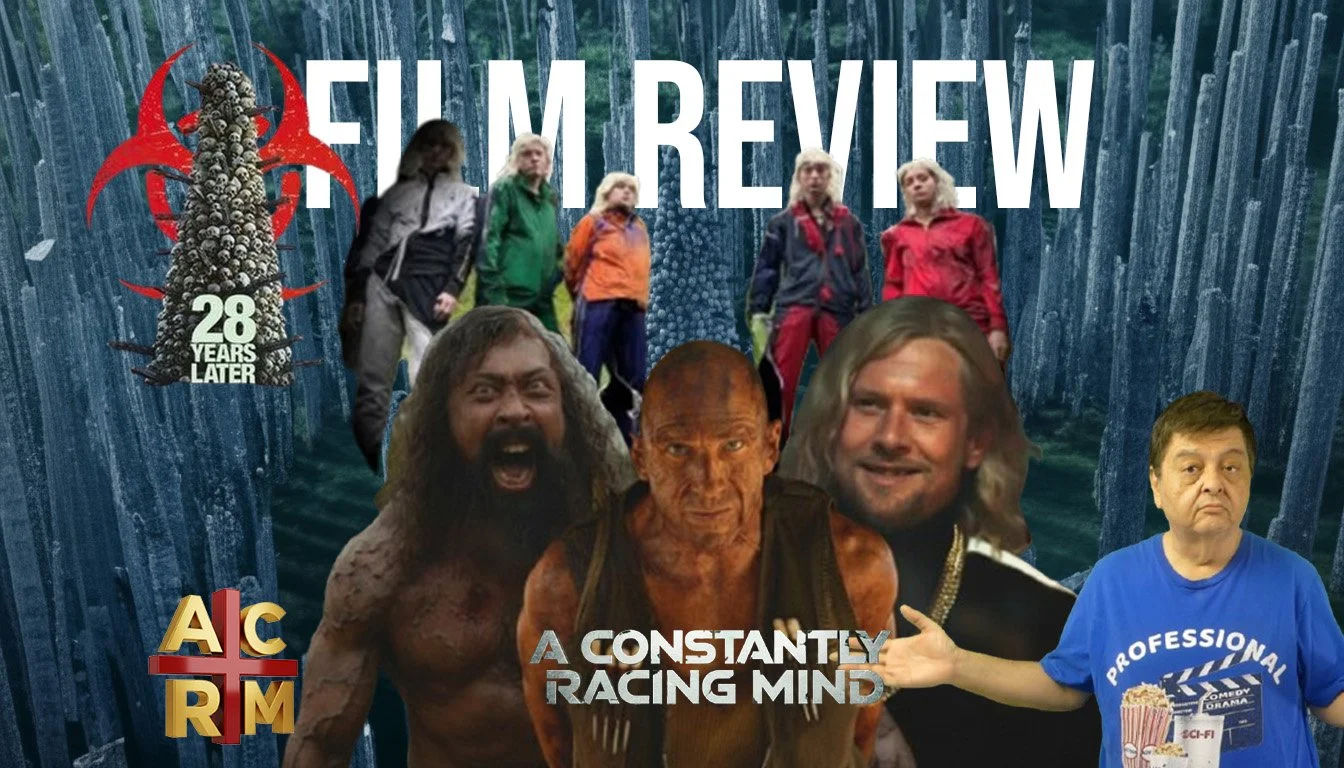
28 Years Later: The Bone Temple – When Survival Turns into Ritual
28 years is a long time. It’s long enough for panic to turn into routine, for survival to stop feeling temporary, and for trauma to stop being remembered and start being inherited.
28 Years Later: The Bone Temple is not a film about the outbreak. It’s not even a film about recovery. It’s a film about what replaces society after hope has already failed. It picks up immediately after the events of 28 Years Later (2025), in a Britain that never rebuilt itself—it adapted. Quietly. Brutally.
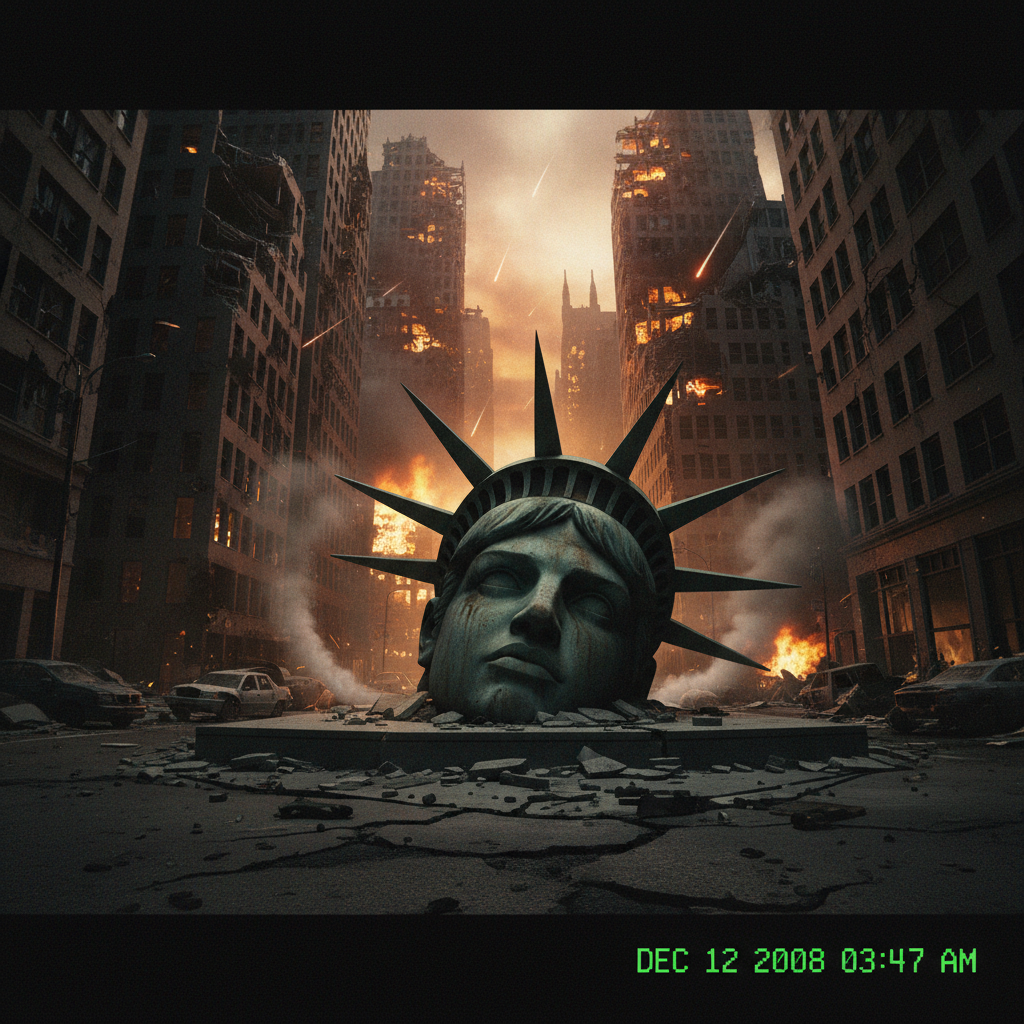
Cloverfield: The "Administrative" Monster Movie
What makes Cloverfield still work today—and what makes it fit the A Constantly Racing Mind vibe—is its focus on survival through documentation.

The Architect of the Unstoppable: Happy Birthday, John Carpenter
I think To celebrate the birthday of the Master of Dread, John Carpenter (born January 16, 1948), we can look at how he single-handedly built the blueprint for the "immortal serial killer" trope you’ve been analyzing for your channel. While modern horror like We Bury the Dead focuses on internal collapse, Carpenter’s genius was in making the external threat a relentless, unstoppable force of nature.
ACRM’s "Geek Calendar" For Next Week
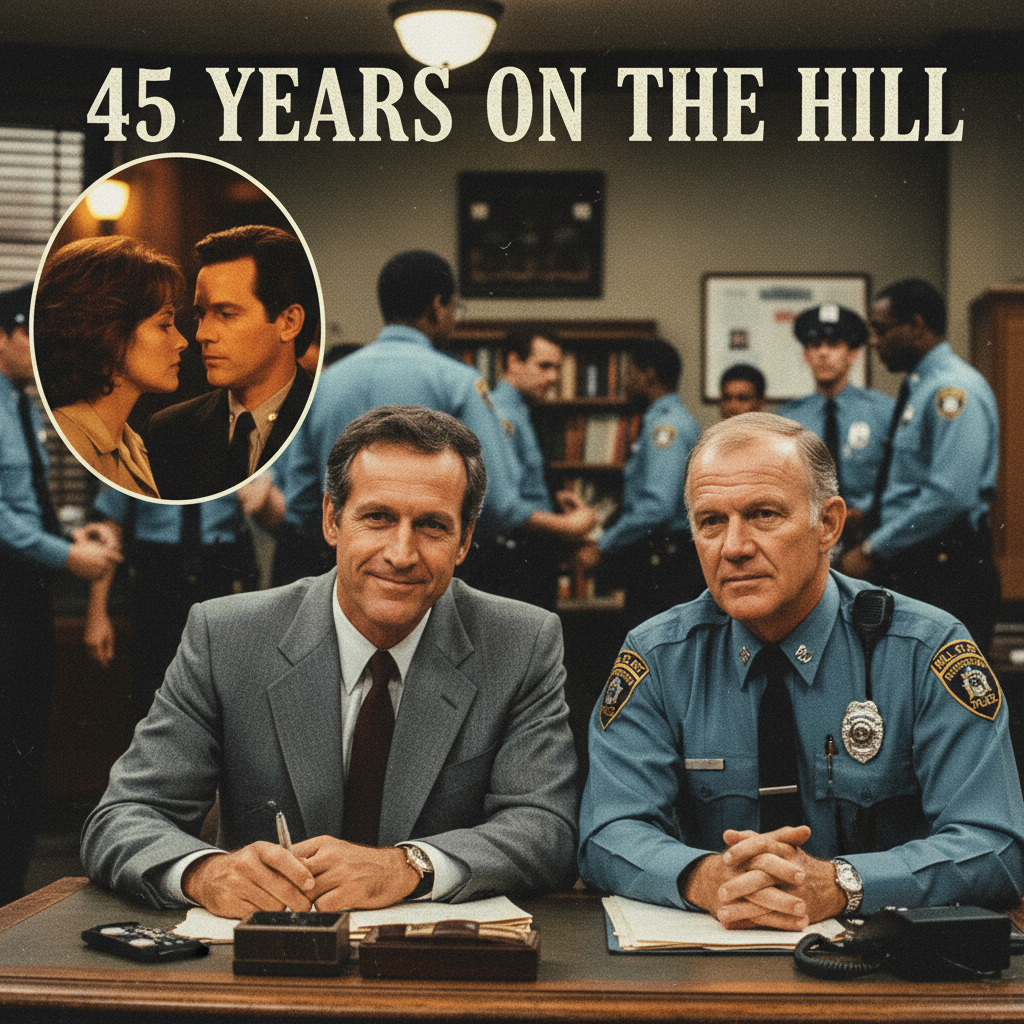
Before The Wire, There Was The Hill: How One Show Invented the Modern Docu-Drama
Celebrating the 45th Anniversary of Hill Street Blues (premiering January 15, 1981) is about more than just nostalgia; it is about honoring the show that taught us how to see the "human" behind the badge. Before this series, cop shows were often sanitized "case-of-the-week" fantasies with perfect heroes. Hill Street changed the DNA of television by making it messy, loud, and startlelingly real.
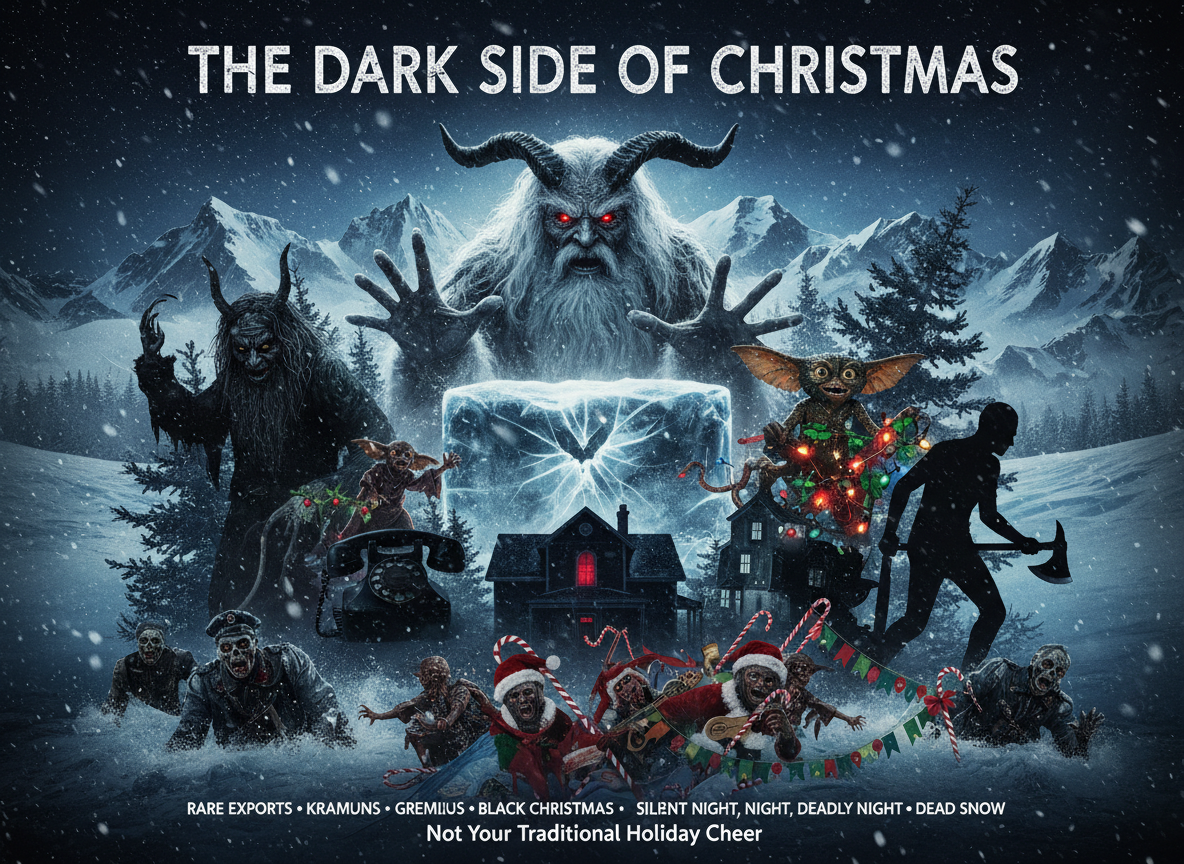
Rare Exports: The "Anti-Christmas" Classic That Reclaims the Dark Roots of Winter
Before Santa Claus became a smiley man in red, he was something else entirely. Deep in the Finnish Lapland stands Korvatunturi, a mountain believed to hear everything. But long before Christmas was commercialized, this mountain didn't listen for wish lists; it listened for misbehavior, judgment, and wrongdoing.
If you are tired of syrupy holiday specials and mall Santas with suspiciously sticky beards, it is time to grab your hunting rifle. Today we are looking at Rare Exports: A Christmas Tale, the greatest anti-Christmas classic of the modern era.
This isn't a story about giving. It's a story about surviving what happens when ancient folklore is disturbed.
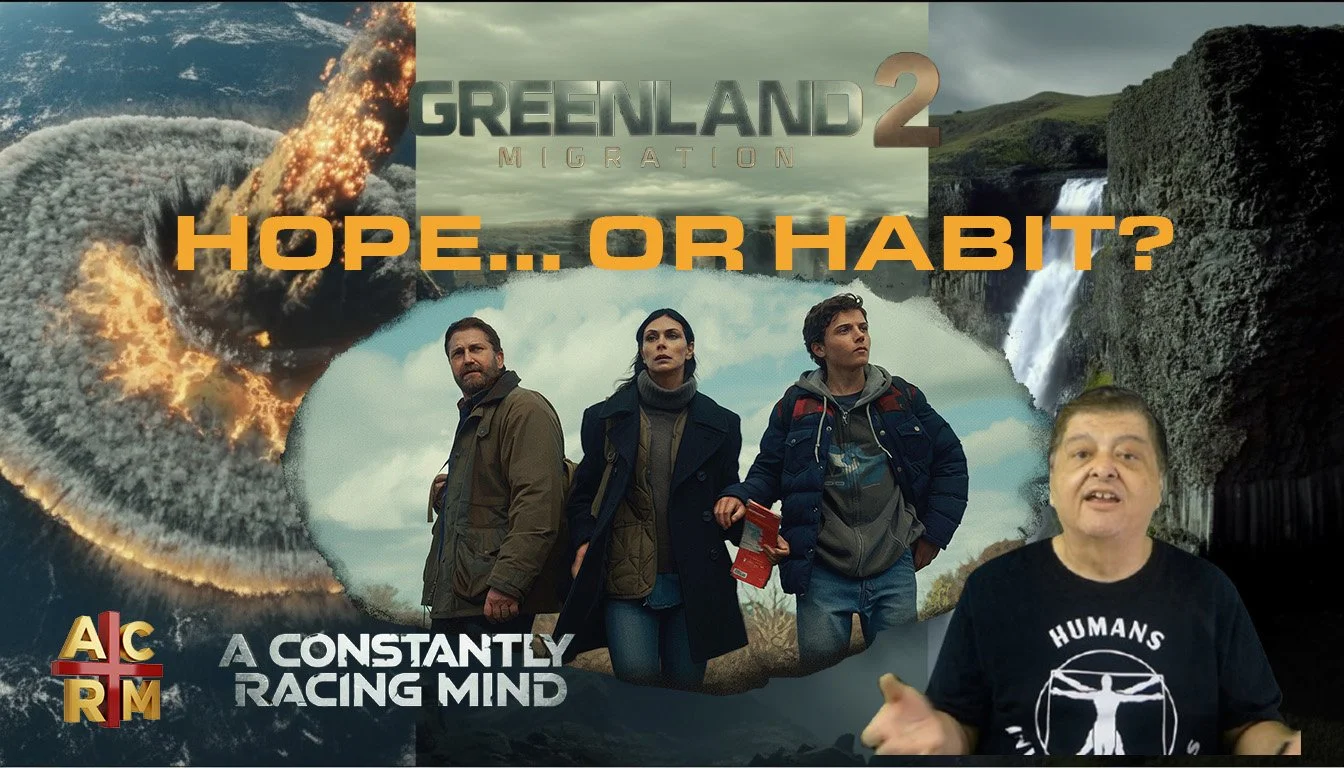
Greenland: Migration – When Survival Trades Spectacle for Humanity
Disaster movies usually follow a strict diet of collapsing cities, explosions, and non-stop adrenaline. But what happens after the credits roll on the apocalypse?
Greenland: Migration attempts to answer that question. Set years after the extinction-level events of the first film, this sequel trades the immediate panic of the original for a slower, more somber meditation on leadership and exhaustion. It’s a film with admirable intentions that wants to humanize the genre—but the results are decidedly mixed.
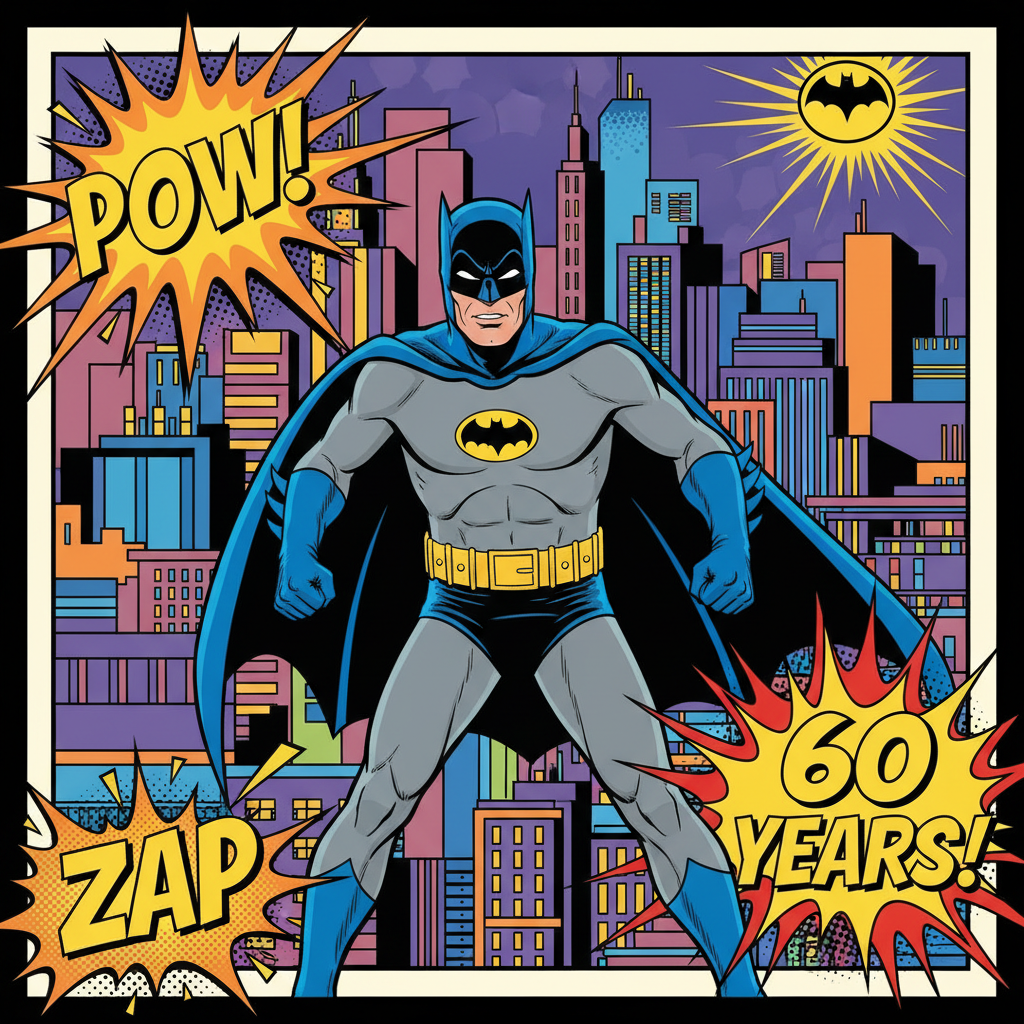
The Hero as a Societal Mirror: 1966 vs. 2022
I was but a baby when the Batman TV series first aired. Not until I was 6 or 7 years old did I start to apprcieate the fun and outlandishness that was the Adam West portrayal of the Caped Crusader. I still get a kick out of the POW! and the Oof! thought bubble that showed up on my TV as reruns in the early 1970s. My dad pointed out that they filmed the movie in my hometown. Stearns Wharf. I usually caught the reruns after school. I waatched them while doing my homework.
So, I thought that comparing the "Bright Knight" of 1966 to the "Dark Knight" of the modern era would reveal how superhero media acts as a direct mirror for societal health. While both versions feature a man in a cowl, they are philosophically distinct responses to the world around them.
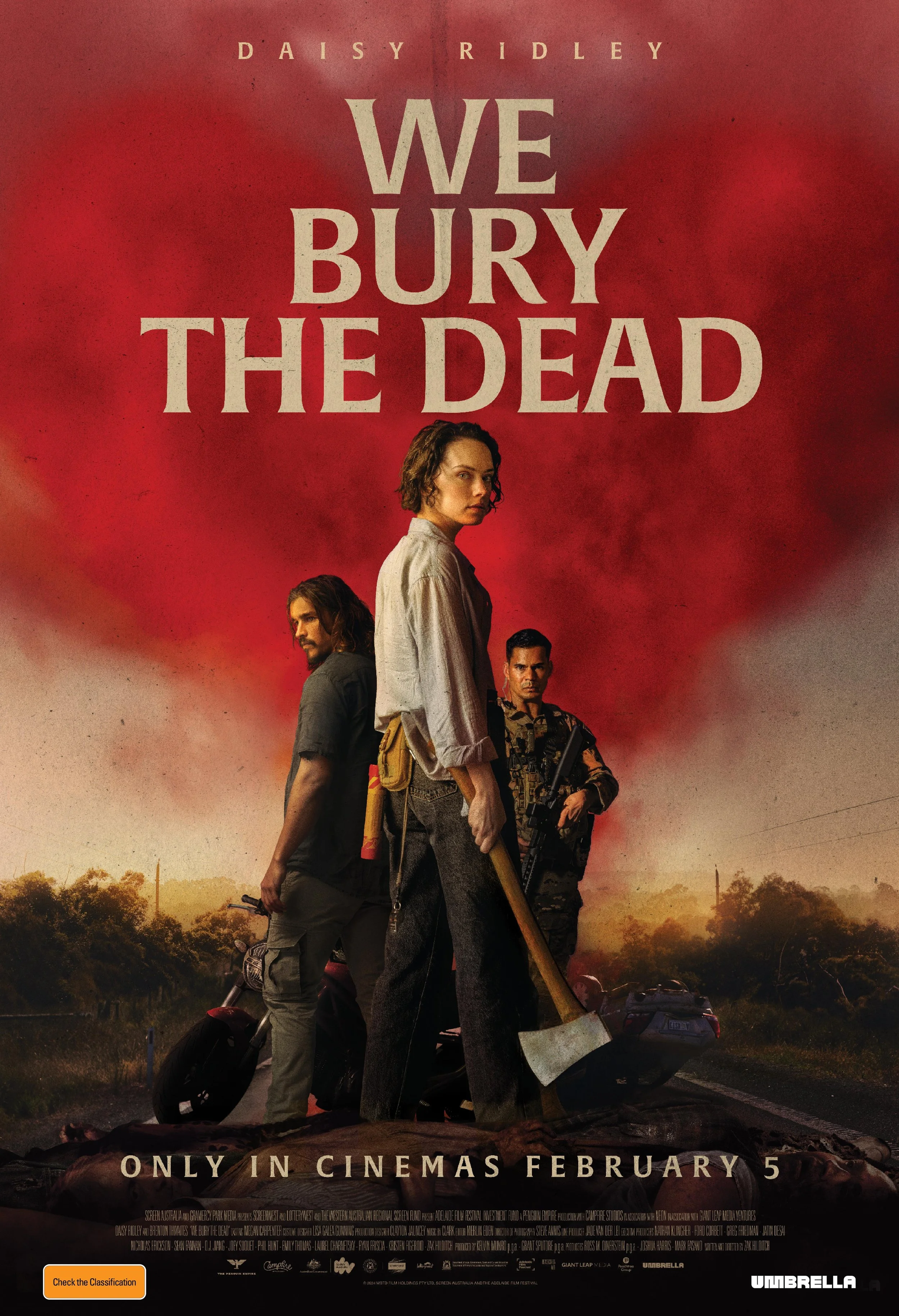
Grief as the Only Ritual: Analyzing We Bury the Dead (2026)
Most horror films obsess over the moment of collapse—the spectacle of the dead rising. We Bury the Dead begins where those stories end. Set in a quarantined, post-disaster Tasmania, the film treats loss as a logistical process. Survival here isn't about grand heroism; it is institutionalized and administrative.
Director Zach Hilditch prioritizes emotional realism over genre mechanics, creating a world where death is no longer a shock, but a routine task. Pair that with the cinematography of Steven Annis (Color Out of Space), and you get a film defined by desaturated palettes and vast, empty spaces that visually mirror the isolation of the characters.
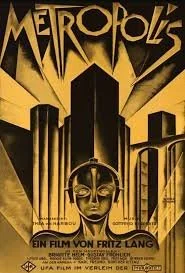
The Centennial Eve: Why Fritz Lang’s 'Metropolis' Still Defines Our Future
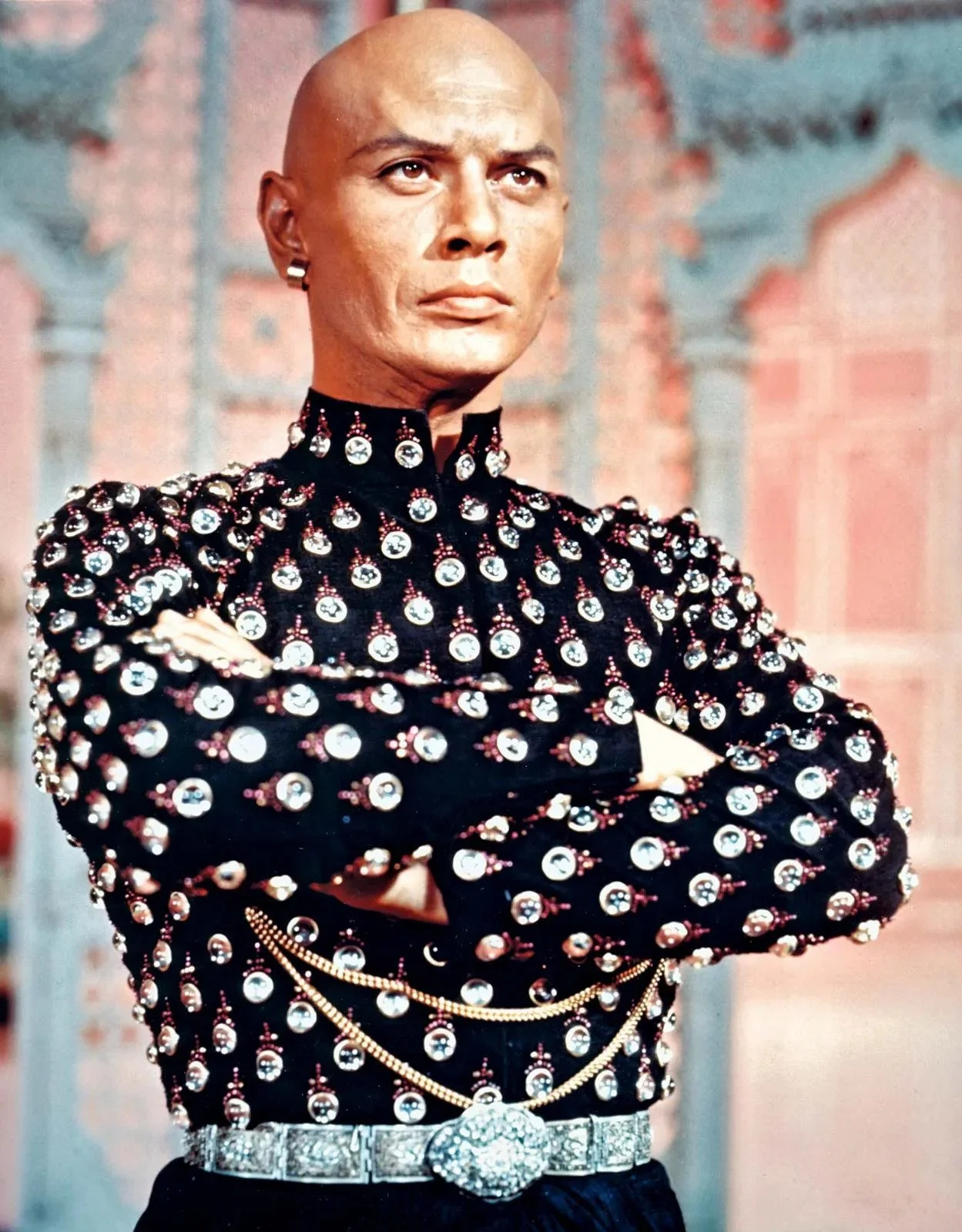
The King’s Final Bow: Remembering the 1985 Revival of The King and I
In 1985 I was a young man in my 20's and Broadway wasn't on my mind much. However, the revival of The King and I stands as one of the most poignant chapters in Broadway history, at least for me. It wasn't just a restaging of a classic Rodgers and Hammerstein musical; it was a final, triumphant lap for Yul Brynner, the man who had become synonymous with the role of King Mongkut. Of course, I had seen the film with Yul and Deborah Kerr. Thanks to reruns on the limited amount of channels available when i was growing up, I saw most of Yul Brynner's career. My dad was a fan, and I guess this rubbed off on me.

Happy Would-Be 80th Birthday, Diane Keaton!
Today, January 5th, marks what would have been Diane Keaton's 80th birthday. Eighty years. Eighty years of life, of laughter, of groundbreaking style, and of utterly irreplaceable talent.
It's been just a few months since October 2025, when the news hit us all like a wave – the world lost one of its most singular, most beloved stars. And while the ache of that loss is still very much present, today isn't just about sadness. It's about celebrating. It's about taking this milestone birthday and pouring every ounce of our admiration into remembering the woman, the artist, the icon who gave us so much.
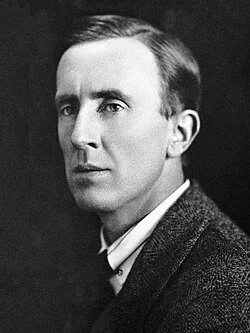
Celebrating Tolkien's Birthday 1/3/1892 - 9/2/1973
Today, January 3, is J.R.R. Tolkien’s birthday.
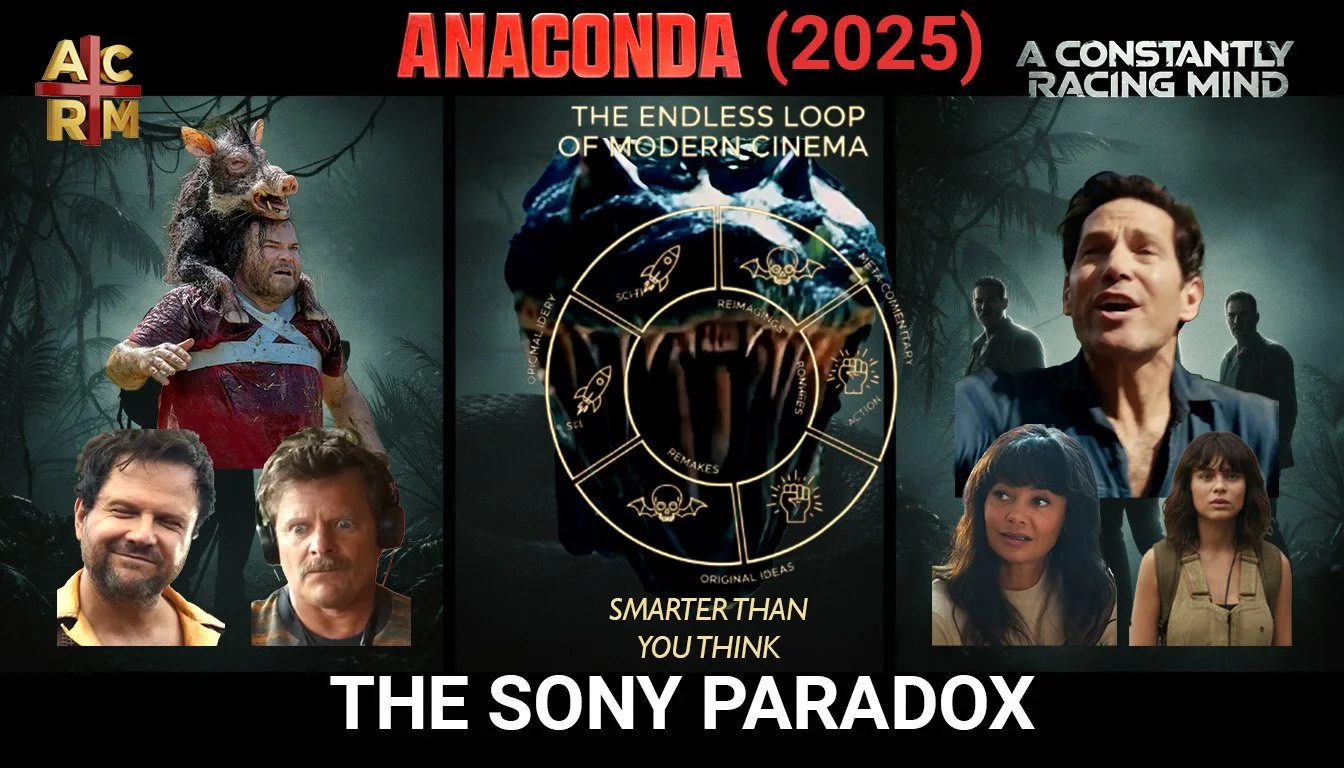
Anaconda (2025): When the Monster Knows It’s a Movie
This is not the Anaconda you remember. Forget the winking humor and cartoon villains of the past; this time, the jungle doesn't care who you are. In today’s deep dive, we’re breaking down Anaconda (2025)—a darker, smarter reimagining that transforms a campy creature feature into a sharp commentary on the "IP Era" and middle-aged disappointment. Directed by Tom Gormican (The Unbearable Weight of Massive Talent), this film replaces excess with a surprising amount of soul and a lot of meta-humor.
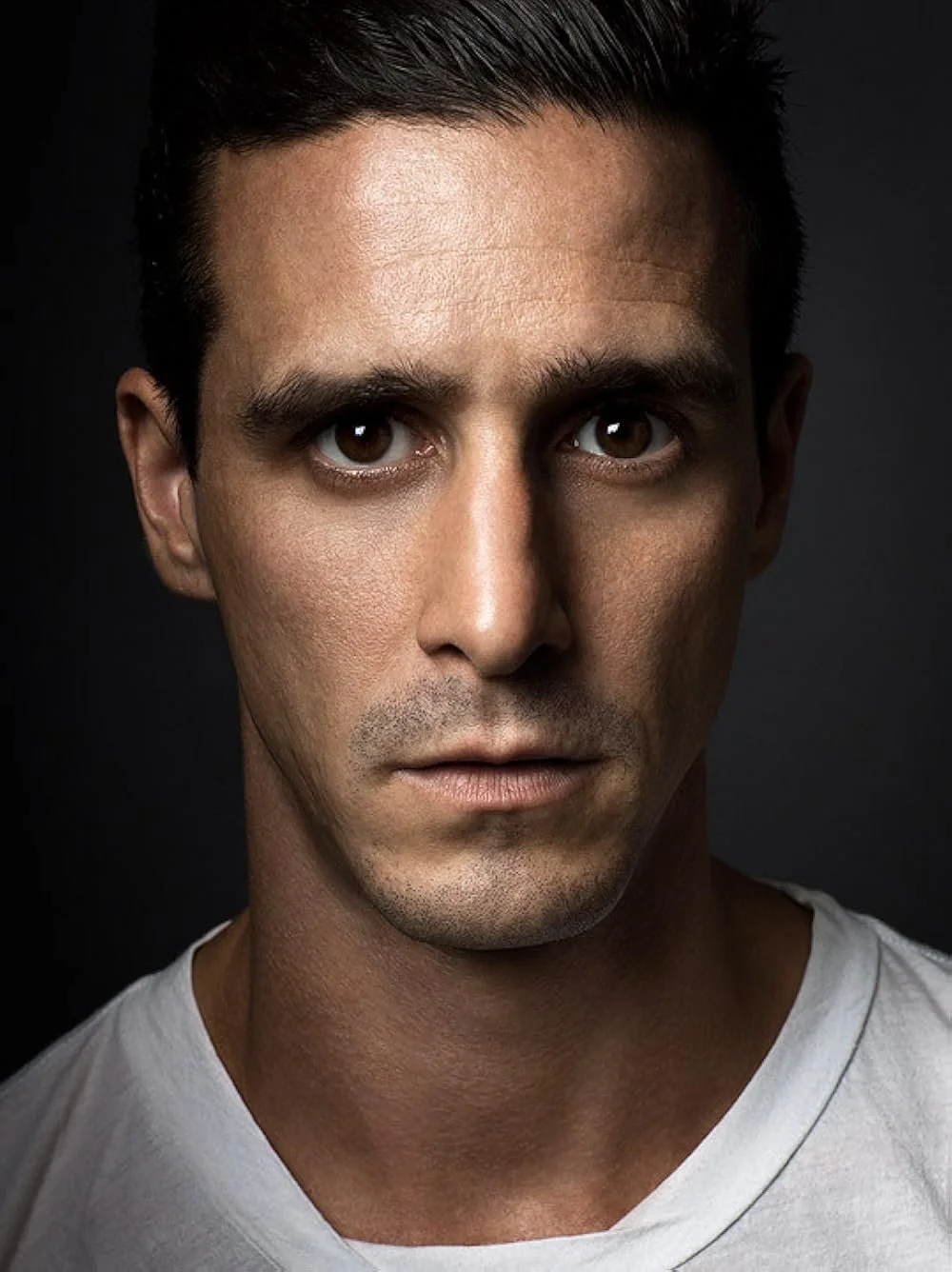
James Ransone June 2, 1979 – December 19, 2025
While James's versatile career spanned television and film, including his critically acclaimed portrayal of Ziggy Sobotka in HBO's The Wire, for me, it was his work in horror cinema that showcased his unique ability to ground supernatural terror in genuine human emotion. He possessed a rare gift for making audiences care deeply about his characters, even as darkness closed in around them.
In 2012, Ransone became an unforgettable presence in Sinister as the unnamed Deputy, a role he would reprise in Sinister 2 (2015). His character—earnest, persistent, and deeply committed to uncovering the truth—served as the moral compass in a world consumed by evil.