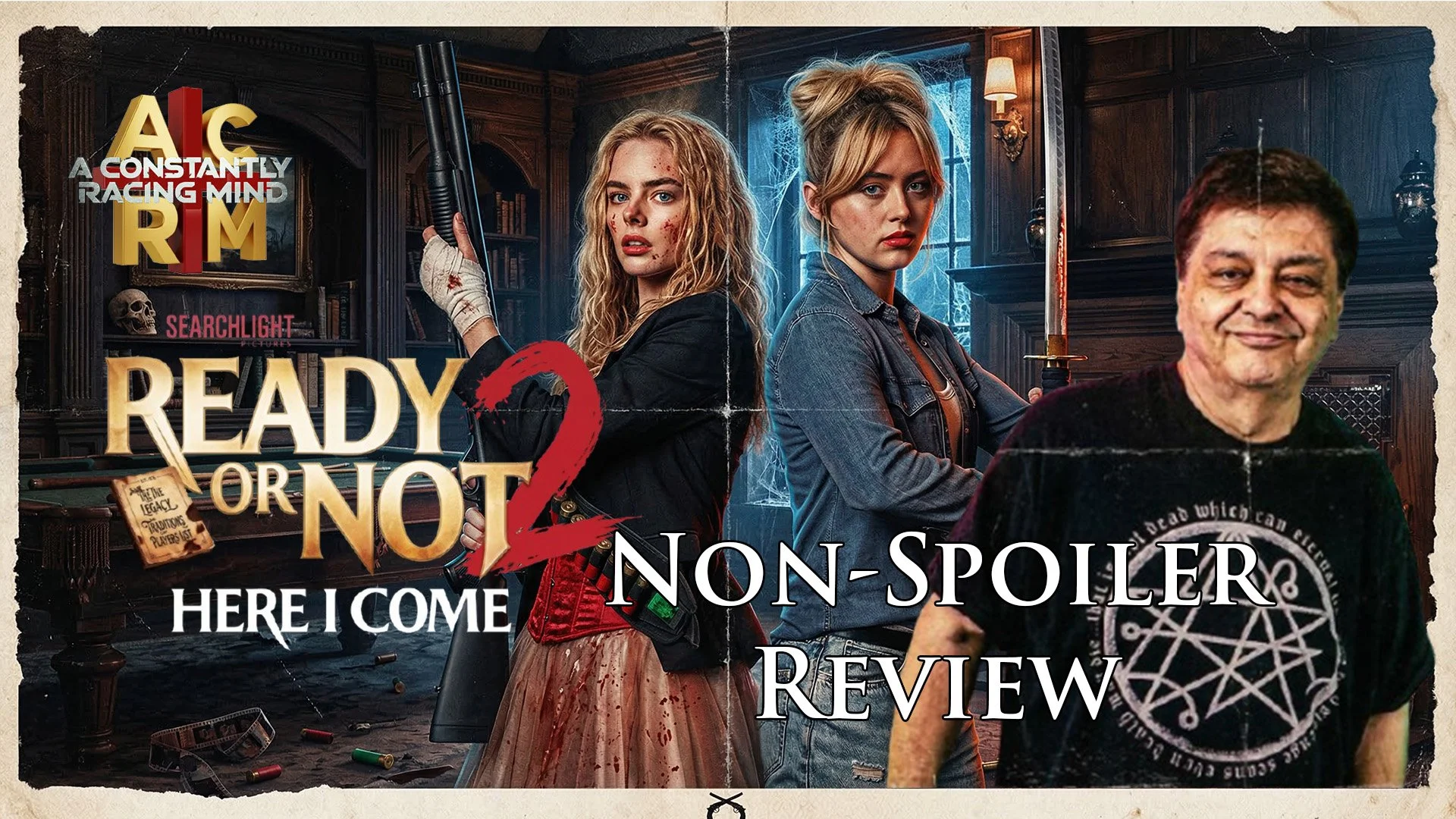
Movie Review: Ready or Not: Here I Come (2026)
A solid 3 out of 5. The reviewer found it works more than it doesn't — barely — praising the sibling chemistry and cast while noting it loses the claustrophobic tension of the original.
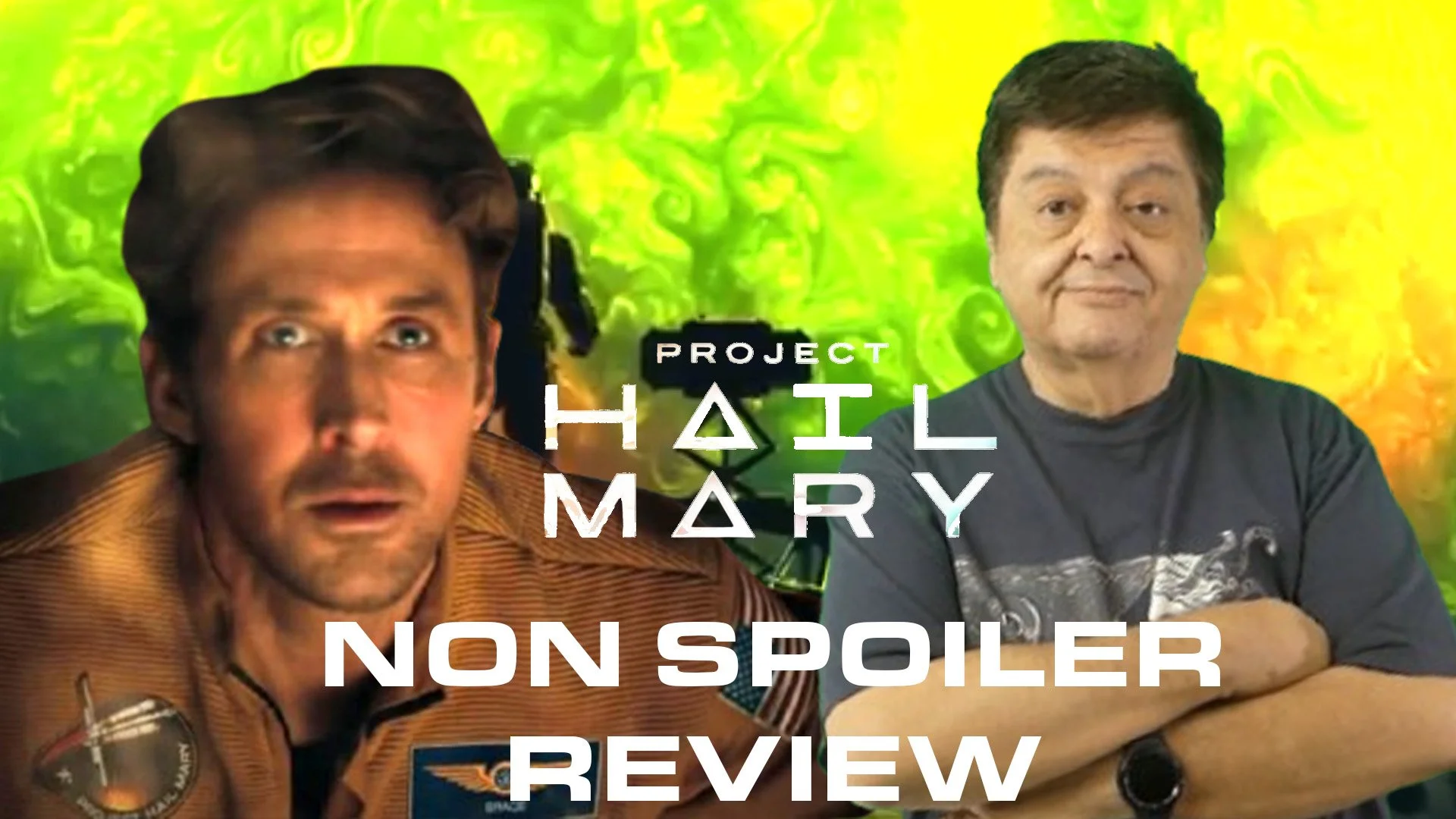
Movie Review: Why Project Hail Mary is the Evolution of Sci-Fi
We’ve seen the "lonely astronaut" trope before. We’ve watched Mark Watney science his way out of a Martian greenhouse and Ryan Stone white-knuckle her way back to Earth. For a decade, sci-fi has been obsessed with the gritty, solo survival narrative—a masterclass in human stubbornness against an indifferent void.
But Project Hail Mary, directed by Phil Lord and Christopher Miller, feels like a profound pivot. It takes the foundation of survival and asks: What happens after you've secured your oxygen? The result is a shift from Survival Sci-Fi to something much rarer: Communication Sci-Fi.
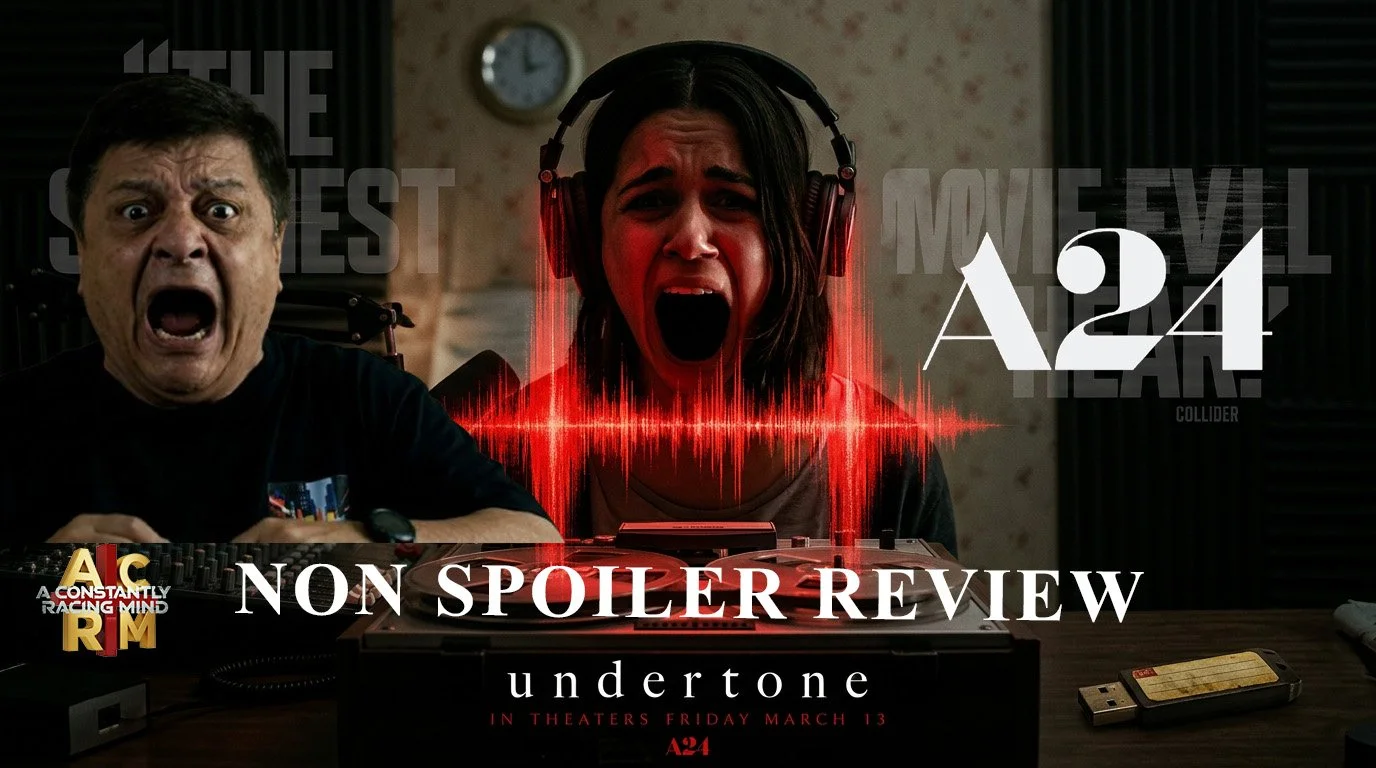
The Frequency of Fear: An ‘Undertone’ Non-Spoiler Analysis
I spent my Thursday night with A24’s latest experimental horror, Undertone. This is what I’d call "aural horror"—a single-location film that relies almost entirely on your ears. While some horror films try to overwhelm you with sensationalism—bigger monsters, bigger soundtracks, bigger shocks—Undertone does the opposite. It shrinks the stage with a single house, a handful of characters, and a story built almost entirely on sound.
The result is a small, tense psychological horror film that leans heavily on atmosphere and performance.
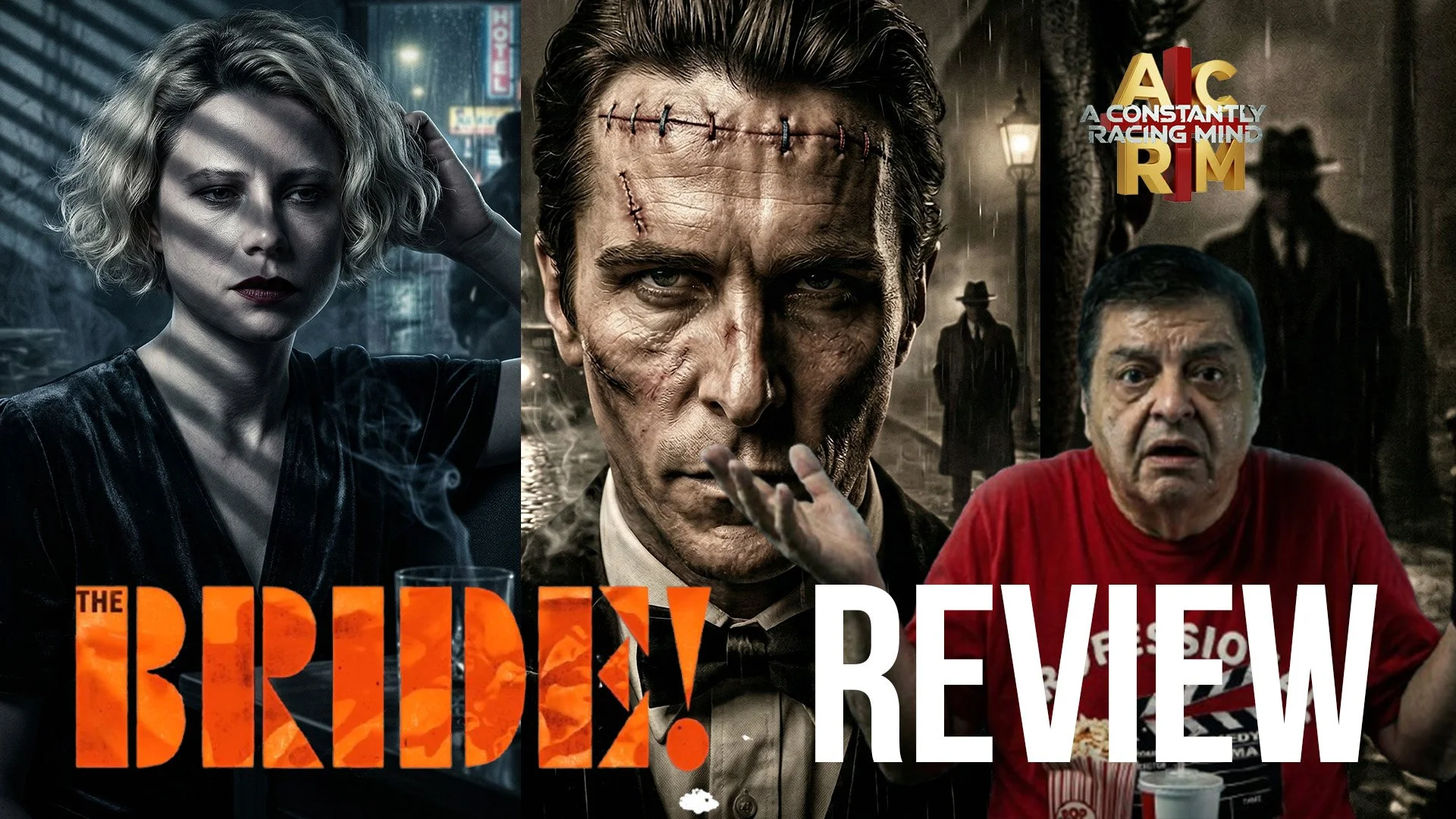
The Bride 2026 Explained — Frankenstein's Bride What Changed A Non-Spoiler Analysis
n 1935, the Bride of Frankenstein lived for only a few minutes. She opened her eyes, screamed, spurned the monster, and vanished for nearly a century. That scream defined her, but while other iconic monsters of the 1930s like Dracula have reappeared in many guises, the Bride remained tantalizingly incomplete. Maggie Gyllenhaal’s 2026 film finally poses the question the original never could: What if she lives?.

The Science of the Shadow: Rayleigh Scattering
The "Blood Moon" isn't just a visual trick; it’s a global atmospheric filter. During a total lunar eclipse, the Earth blocks direct sunlight from reaching the moon. The only light that hits the lunar surface is filtered through the Earth’s atmosphere.
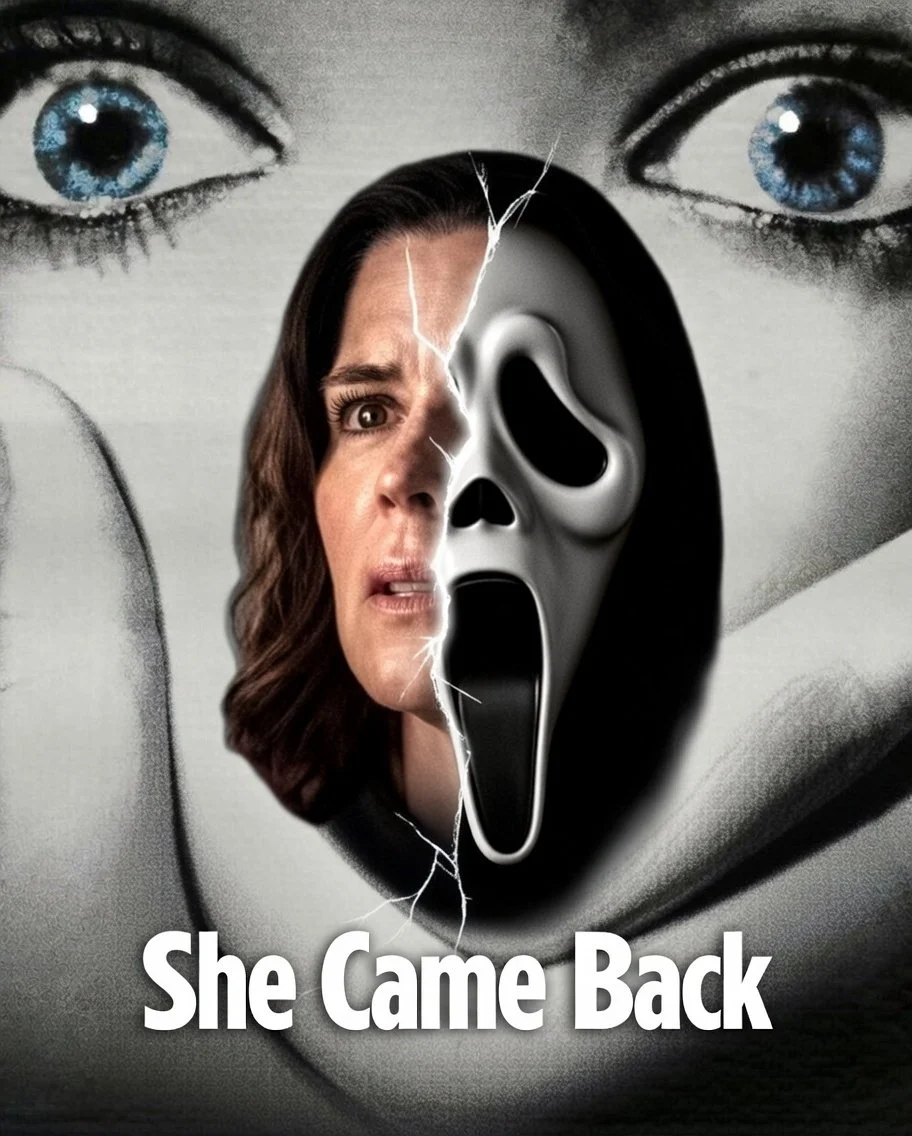
Scream 7: A Return to the Beginning or a Franchise Running on Fumes?
The release of Scream 7 marks a significant pivot for the long-running slasher franchise, shifting away from the "requel" era and returning to its foundational roots. Directed by Kevin Williamson—the writer of the original 1996 film—this installment attempts to reclaim the series' identity after a turbulent development period.
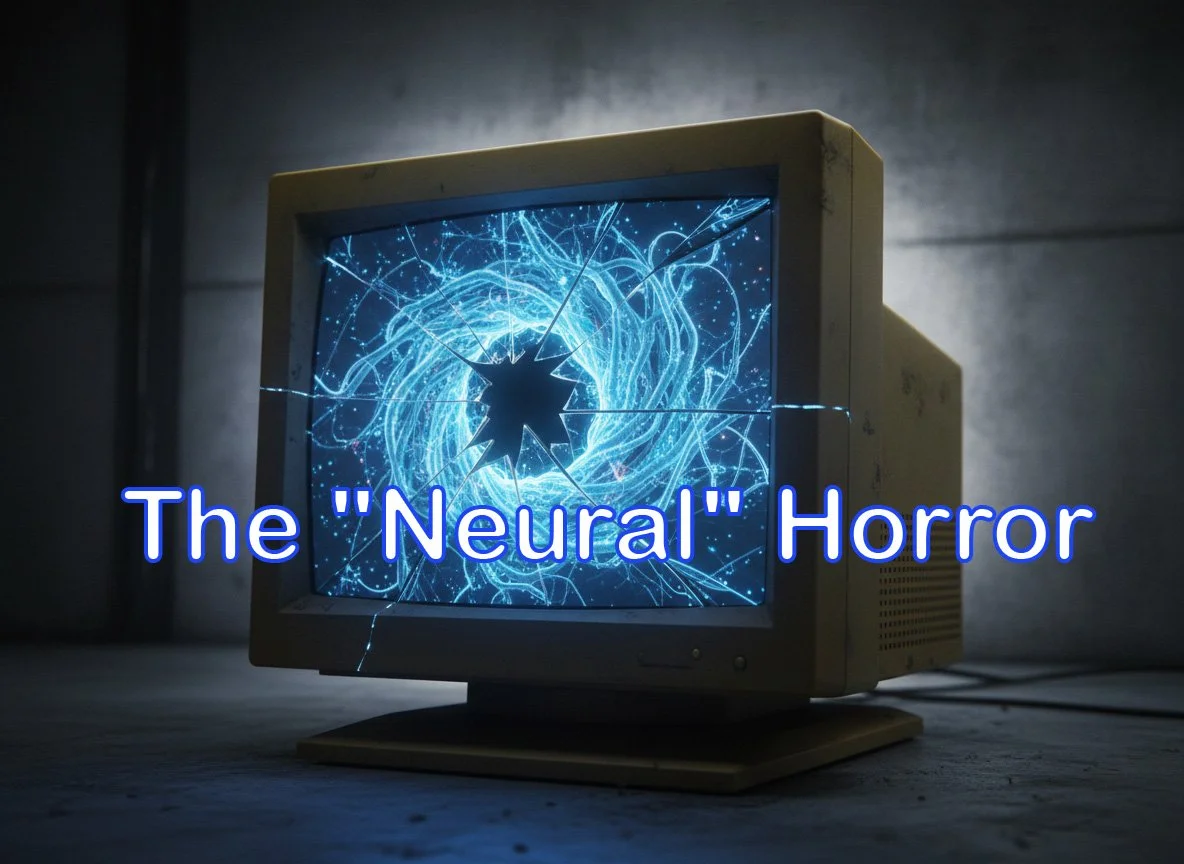
Spring 2026: The "Neural" Horror Preview
As we move into March 2026, the intersection of technical innovation and speculative horror is hitting a fever pitch. Your "Spring Tech-Horror Preview" will focus on the tension between Human Authenticity and Algorithmic Autonomy.
Here is the strategic breakdown for your Spring 2026 preview.
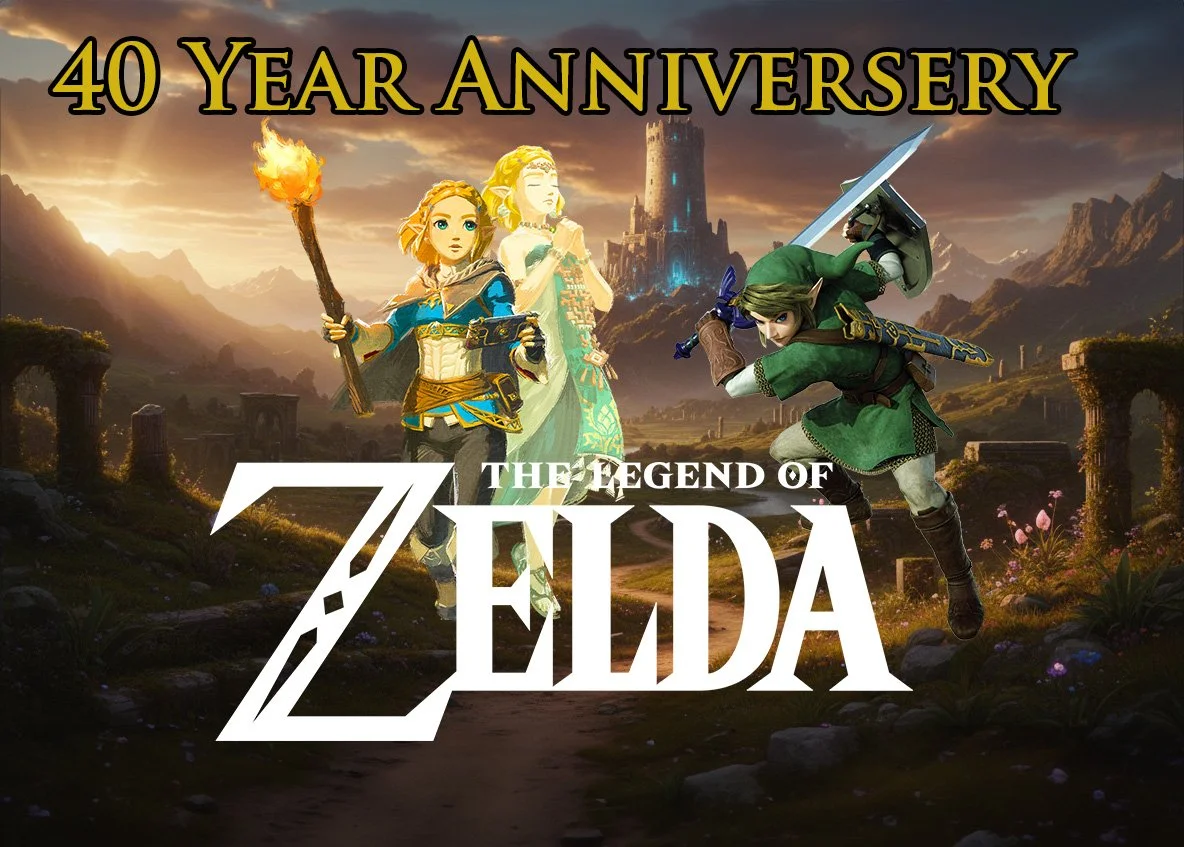
The Legend of Zelda: The Architecture of Adventure
In 1986, a gold cartridge changed how we define "exploration." Forty years later, the Legend of Zelda franchise remains the blueprint for building a world that feels vast without needing thousands of pages of "administrative" lore.
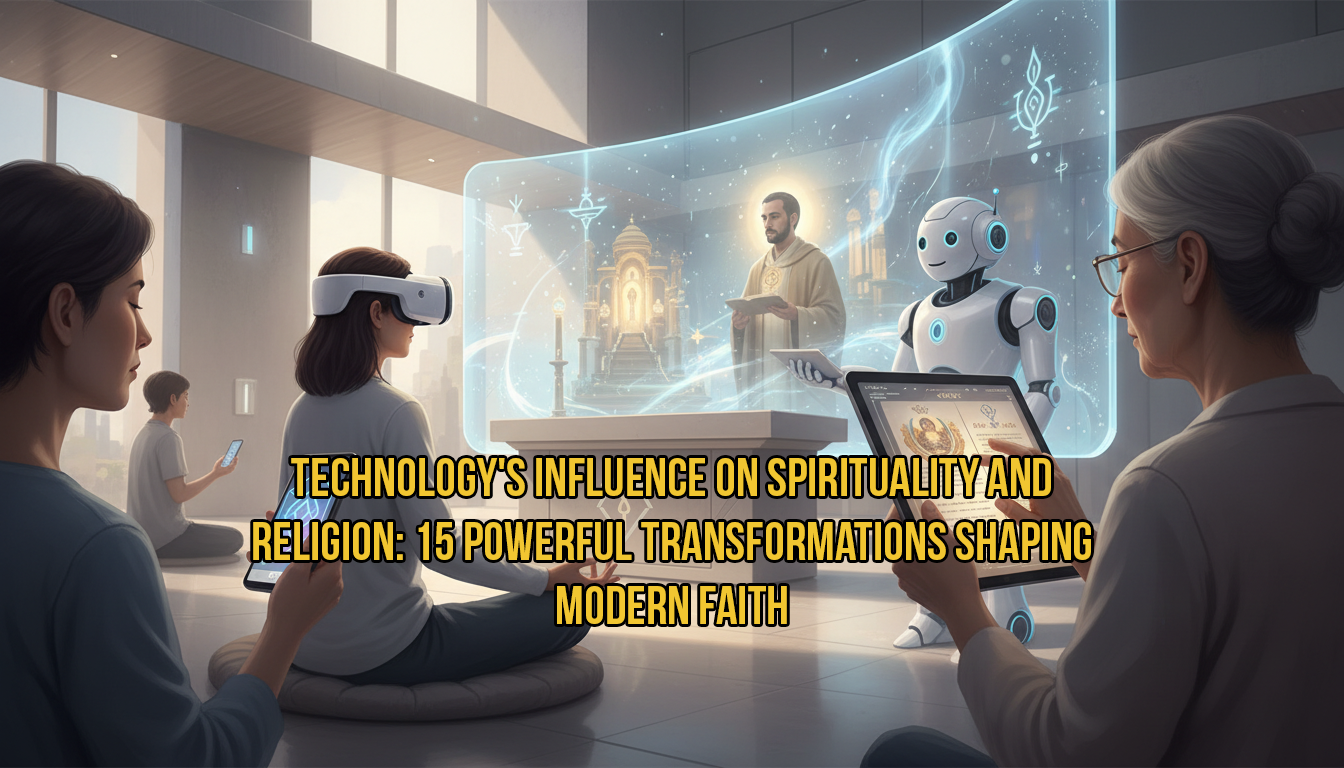
Technology's Influence on Spirituality and Religion: 15 Powerful Transformations Shaping Modern Faith
Technology's influence on spirituality and religion has become one of the most fascinating transformations of modern life. From livestreamed church services to meditation apps on smartphones, faith has entered the digital age. What once required physical presence now happens through screens, apps, and even artificial intelligence.
In today’s world, technology shapes how people pray, learn about sacred texts, and connect with religious communities. While some see these changes as empowering and inclusive, others worry about distraction and loss of tradition. Still, one thing is certain—technology and religion are no longer separate worlds.
This article explores how digital innovation is transforming spiritual practices, reshaping belief systems, and redefining religious communities across the globe.
Digital Slop: The Shocking Truth Behind 7 Harmful Online Trends You Must Avoid
The internet is overflowing with content. Every day, millions of videos, blog posts, social media updates, and AI-generated images are uploaded. But not all content is created equal. A growing term used to describe this flood of low-quality material is Digital Slop.
Digital Slop refers to mass-produced, low-effort, often AI-generated content designed to attract clicks, views, and ad revenue rather than provide real value. While technology has made content creation easier than ever, it has also opened the door to spammy, repetitive, and misleading material.
So what exactly is Digital Slop? Why is it spreading so fast? And how can you protect yourself from it? Let’s break it down.
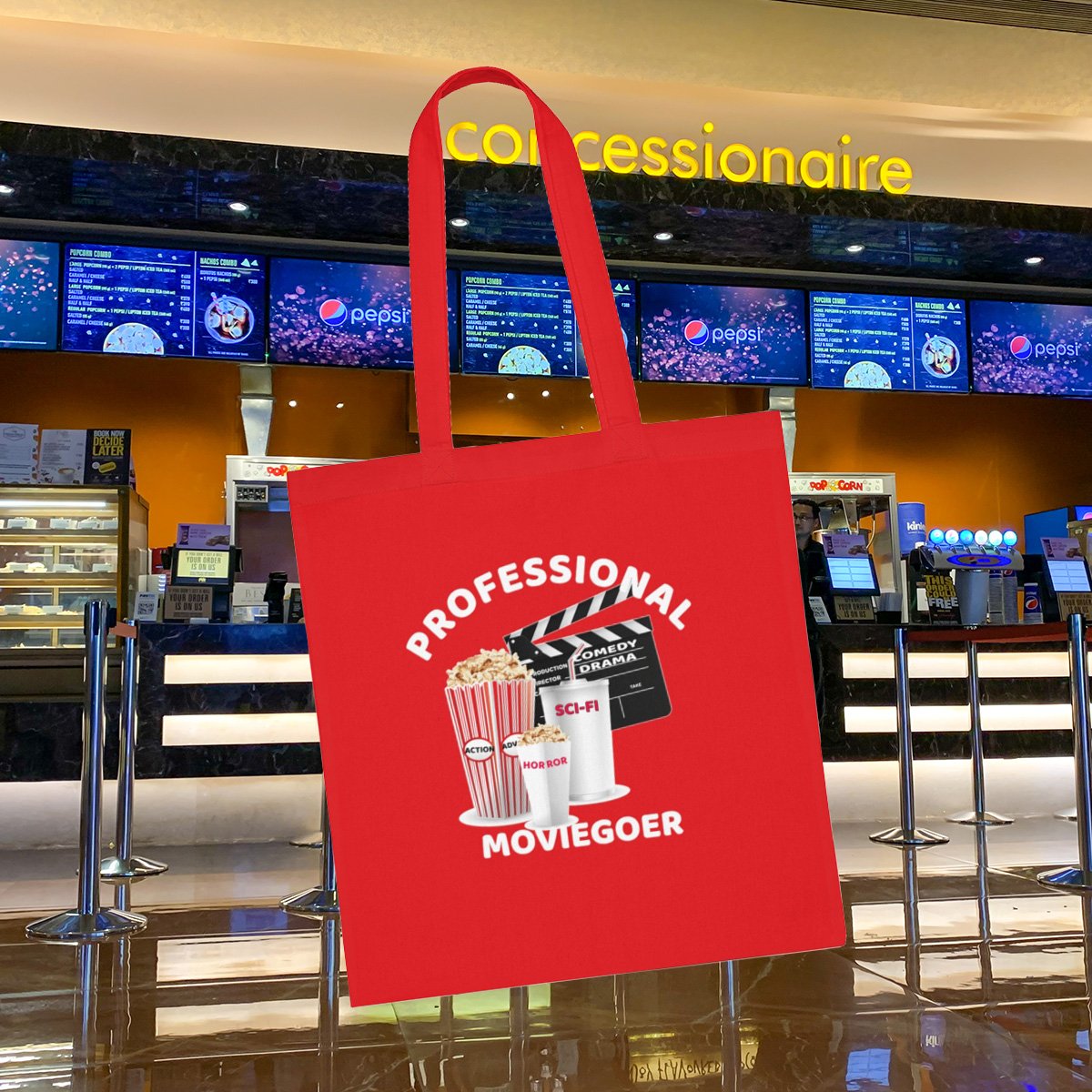
The Real Cost of a Family Night at the Movies (And the Bag That Fights Back)
There is a moment every parent knows. You're standing at the movie theater concession stand, kids bouncing with excitement beside you, and you're staring at a menu that looks less like snack pricing and more like a line item from a corporate expense report. Large popcorn: $12. Two sodas: $14. A box of candy the size of your fist: $7. You do the mental math, wince quietly so the kids don't see, and reach for your card anyway.
Because that's what you do. You're at the movies. You're making memories. And apparently memories cost $33 in popcorn alone.
I've been a professional moviegoer for years. I say that literally — I review films, I analyze them through a philosophical lens, and I go to theaters the way some people go to church. Regularly, intentionally, and with a certain reverence for the experience. And over the years I've watched the cost of that experience quietly become something that prices families out of what should be one of the most accessible forms of entertainment we have.
So let's talk about what a family night at the movies
The Death of the Static: Why Modern Horror is Losing its Signal

Remembering Robert Duvall (1931–2026): A Master of the American Screen
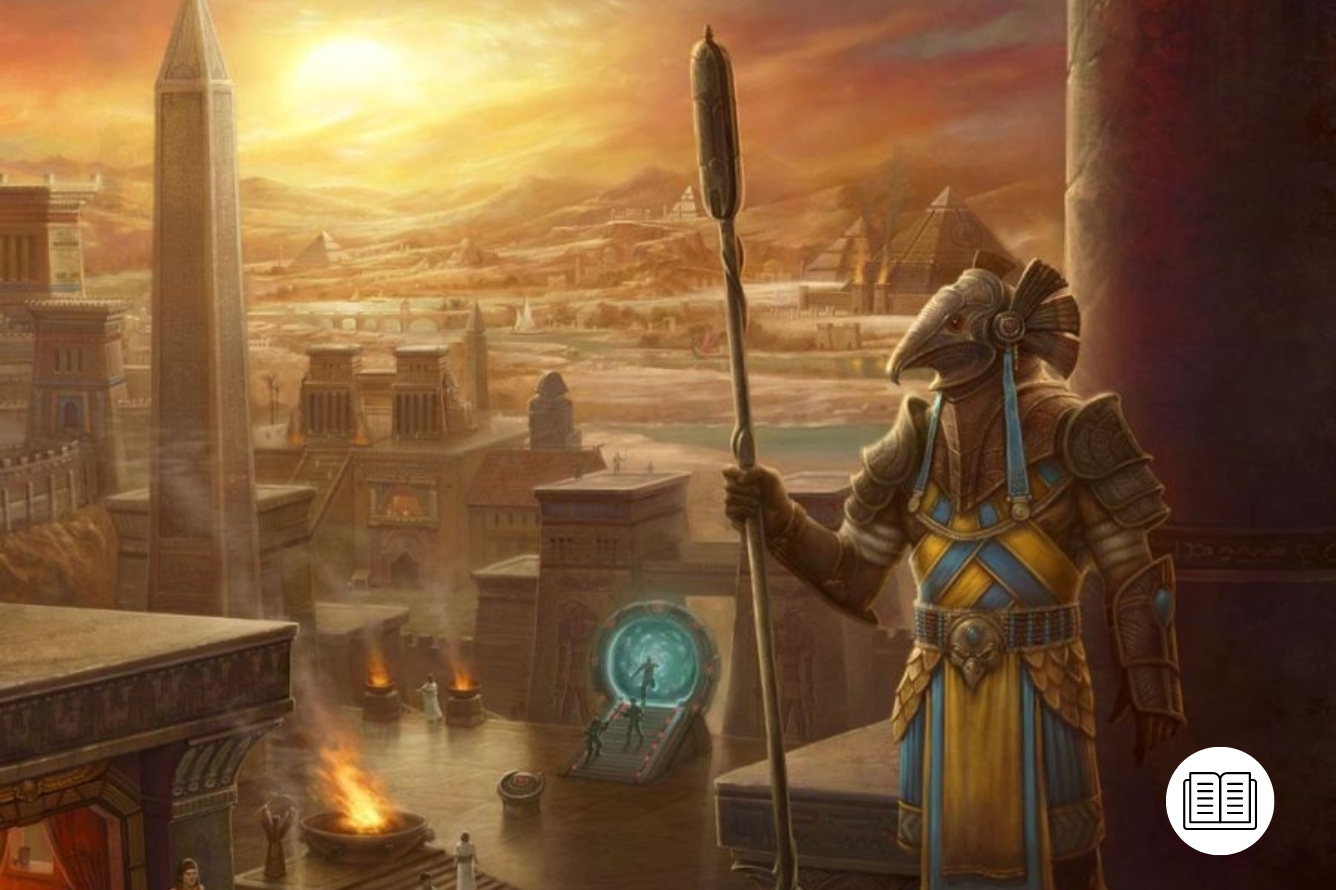
The Mechanics of the Gate
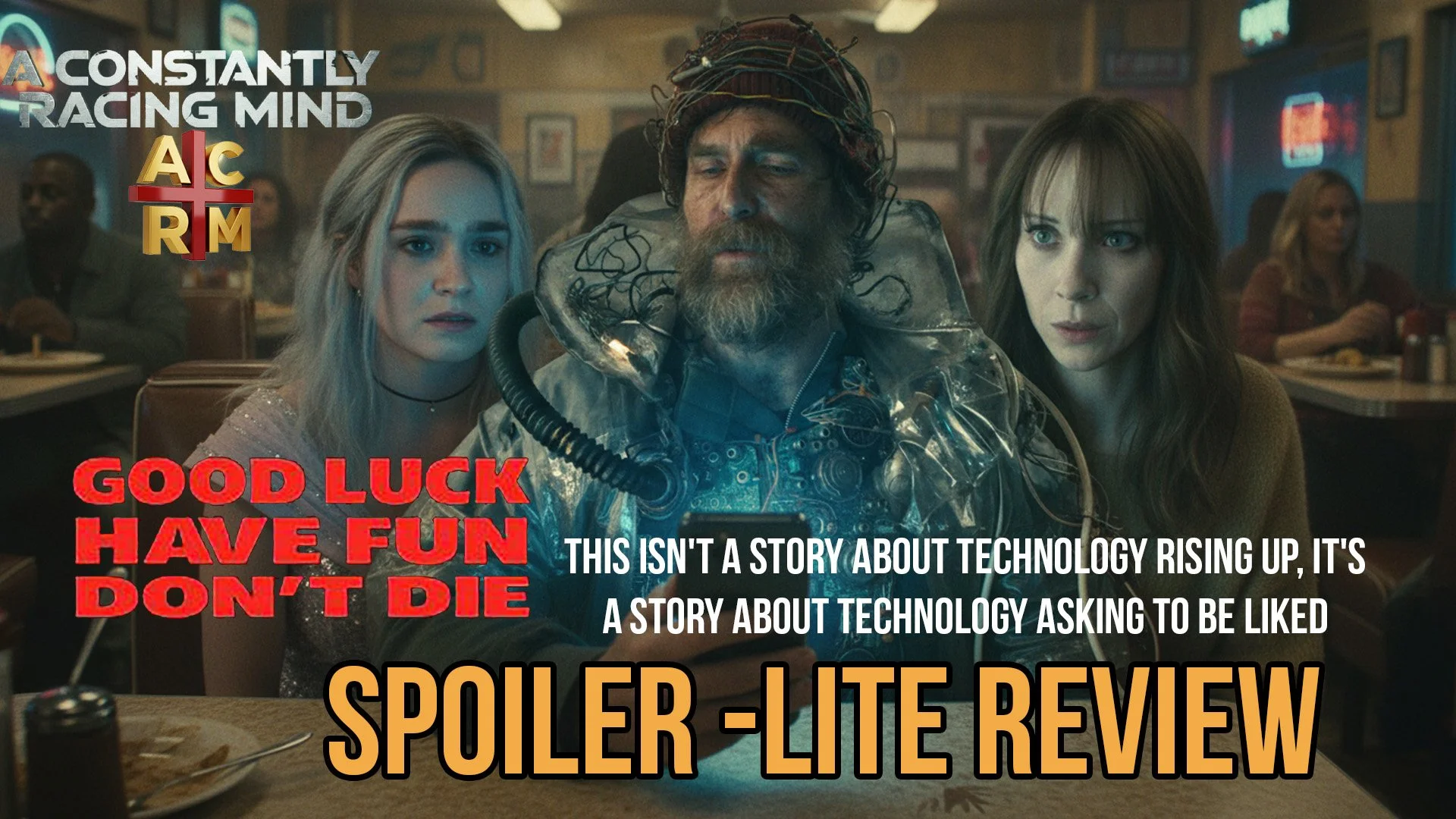
Good Luck, Have Fun, Don’t Die (2026): When the Apocalypse Looks Like “Digital Slop”
ore Verbinski is back, and he has brought a trash-bag-wearing Sam Rockwell with him.
Good Luck, Have Fun, Don’t Die is not a franchise extension. It isn’t a safe return. It is an original, genre-bending sci-fi film that uses dark comedy and satire to explore our relationship with technology, comfort, and control.
The film kicks off in the most mundane place possible: Norm’s Diner in West Hollywood. Within seconds, the peace is shattered by a man who looks like he crawled out of a dumpster, claiming he is from a future where humanity has surrendered its soul to "digital slop."
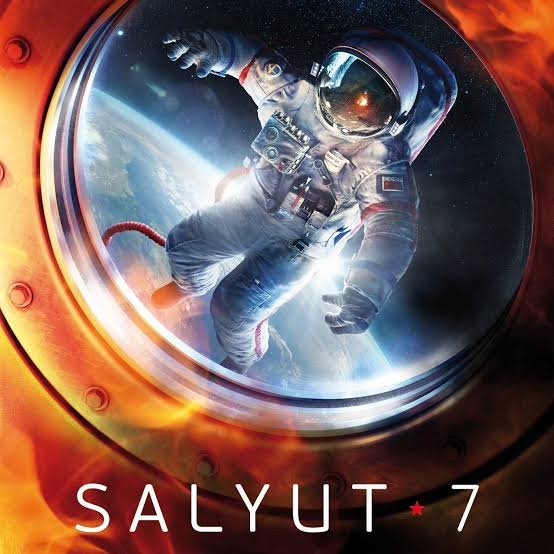
The Real-World Tech Specs: Salyut 7 (1985)
In February 1985, the Soviet space station Salyut 7 went completely dark. A power surge knocked out the automatic docking system and the internal electronics, leaving a 20-ton cylinder of steel drifting dead in orbit. What followed was perhaps the most impressive feat of technical grit in the history of space flight—a story that feels like it was written for the screen, though the reality was far more grueling than any Hollywood dramatization.
Here, on A Constantly Racing Mind, where we bridge the gap between real-world tech and cinematic sci-fi, the Salyut 7 rescue is the ultimate case study.

Bud Cort: 1948–2026
In memory of Bud Cort, an actor who personified the soulful, the eccentric, and the resilient, we reflect on a life that was as deeply human as it was cinematic.
Bud Cort was born Walter Edward Cox in New Rochelle, New York. He grew up in a family that combined business with the arts. His father, Joseph Parker Cox, was a bandleader and pianist before venturing into business, and his mother, Alma Mary, worked in a department store and was a former reporter.

The Big Blue Milestone: February 10, 1996
The Deep Blue victory isn't about a game; it's about the moment calculated logic finally caught up to human intuition.
The Technical Shift: This was a "Brute Force" system. Deep Blue didn't "think" like a human; it processed 200 million positions per second. It was a victory of sheer engineering scale over biological genius.
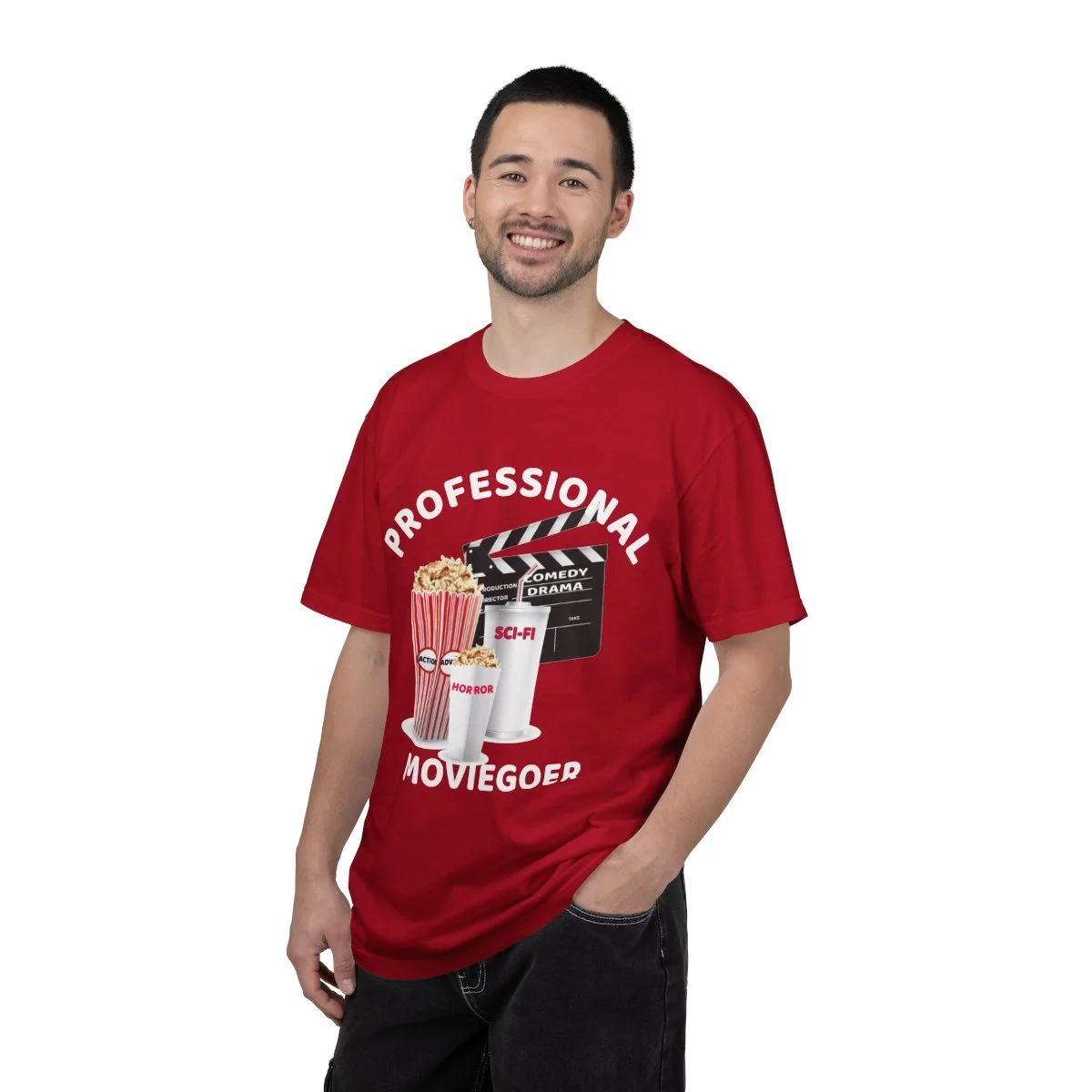
PROFESSIONAL MOVIE GOER!
PROFESSIONAL MOVIEGOER T-SHIRT From A Constantly Racing Mind After analyzing hundreds of films from philosophical perspectives. From the existential dread of sci-fi to the moral complexities of horror, I've earned my credentials as a “Professional Moviegoer.”
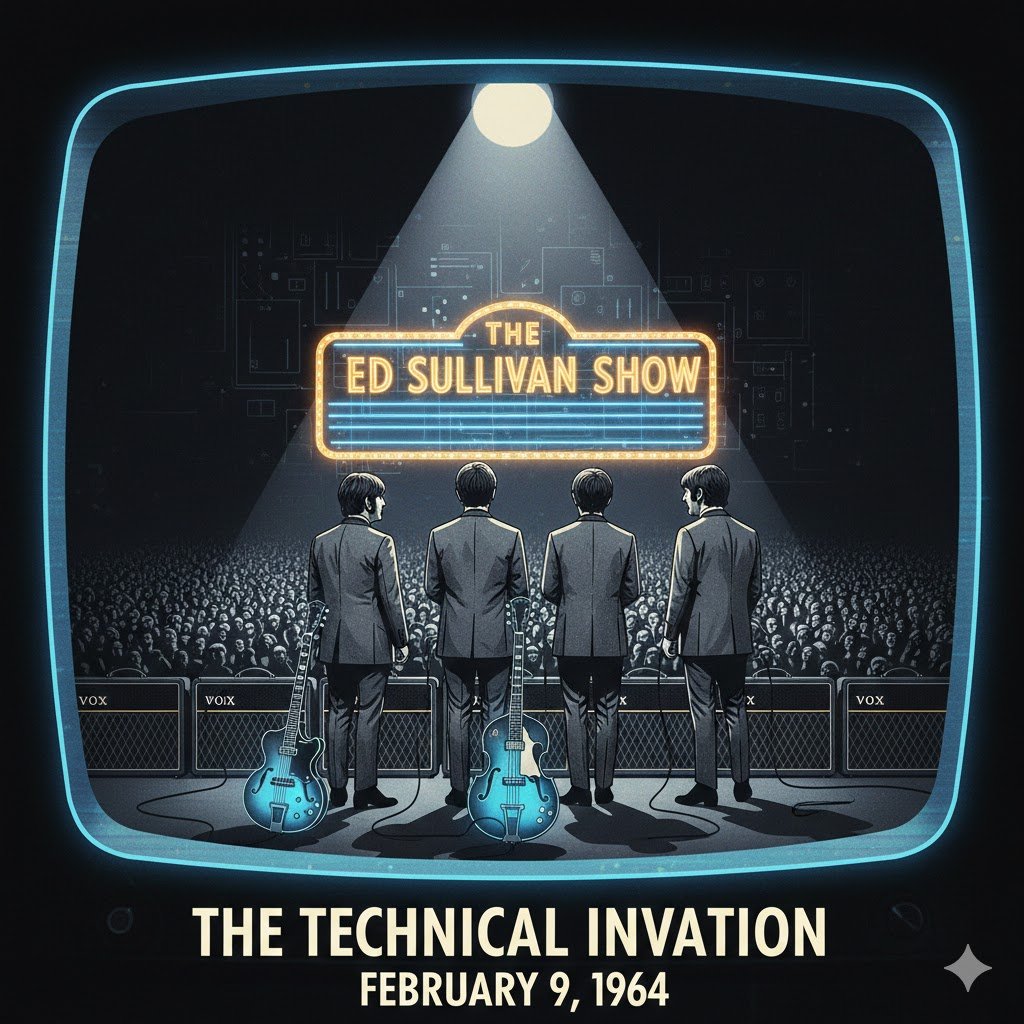
The Beatles -The Technical Invasion: February 9, 1964
The Beatles' appearance on The Ed Sullivan Show on February 9, 1964, was the ultimate cultural event. It wasn't just a musical performance; it was a massive shock to the technical and sociological systems that successfully overwrote the cultural software of the United States in exactly 14 minutes of airtime.
Obviously, I wasn’t old enough to remember this phenomenal cultural event. However, the Beatles have left an imprint on my generation and everyone after.
We can look past the screaming fans and focus on the systemic impact of that night.